2 hrs ago
Himalayan Disaster Highlights Need for India-Nepal-China Climate Cooperation
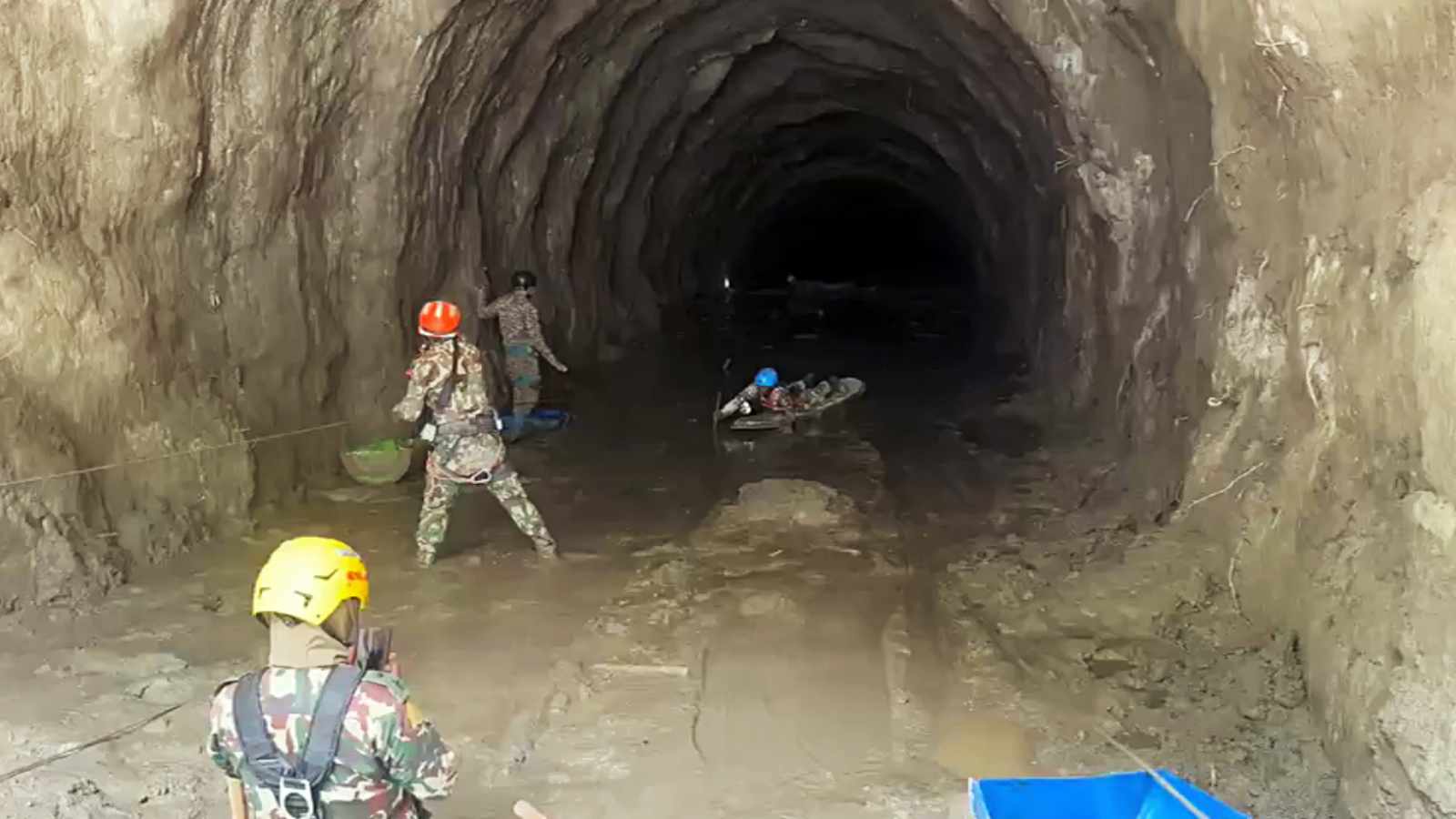
A disaster in Nepal happened when ice and rocks collapsed high in the mountains.
This sent water, mud, and debris rushing into communities.
More than 1,000 people were reportedly killed.
The Himalayas cross India, China, and Nepal, so floods and melting ice can affect more than one country.
The article says glaciers, rivers, and weather do not stop at borders.
It argues that the three countries should share warnings and scientific information quickly.
They could also study dangerous lakes together and practice emergency responses.
The goal is to protect people from worsening climate-related dangers.

A sudden ice-and-rock collapse in Nepal triggered a destructive flood of water, mud, and debris.
The catastrophe struck settlements, destroyed critical infrastructure, and killed more than 1,000 people, according to the article.
Rabi Lamichhane said India, China, and Nepal share one mountain system despite political disputes and borders.
The article says hydrological and geological data-sharing among the three countries has often been delayed or inadequate.
It proposes a tripartite mechanism for real-time data exchange, joint research, risk mapping, engineering, and disaster-response planning.
- Who
- Nepal was most directly affected; India, China, and Nepal are identified as sharing the Himalayan ecosystem. Rabi Lamichhane, leader of the ruling Rashtriya Swatantra Party, argued for cooperation.
- What
- A sudden collapse of ice and rock caused a major flood of water, mud, and debris, prompting calls for a formal tripartite environmental mechanism.
- Where
- The disaster occurred in Nepal’s Himalayan border region, with its effects felt in Kathmandu and potential implications across transboundary river basins.
- When
- The catastrophe is described as recent; the article does not provide an exact date.
- Why
- The article attributes the disaster to accelerating global warming and says cross-border cooperation is needed because glaciers, rivers, and atmospheric systems ignore national boundaries.
Key facts
- Reported death toll
- More than 1,000 people were killed, according to the article.
- Countries concerned
- India, China, and Nepal
- Main environmental risks
- Glacial lake bursts, landslides, ice-rock avalanches, and transboundary floods
- Data-sharing concern
- The article says hydrological and geological information has often been delayed, incomplete, or governed by bilateral arrangements.
- Proposed mechanism
- A dedicated tripartite system for ecological protection, real-time information-sharing, and climate adaptation
- Proposed technical tools
- Hydrometeorological stations, seismic sensors, water-level gauges, satellite data, telemetry, and flood modelling
- Proposed joint actions
- Risk mapping, scientific expeditions, glacial-lake engineering, disaster drills, and environmental conservation
Sources
Related news
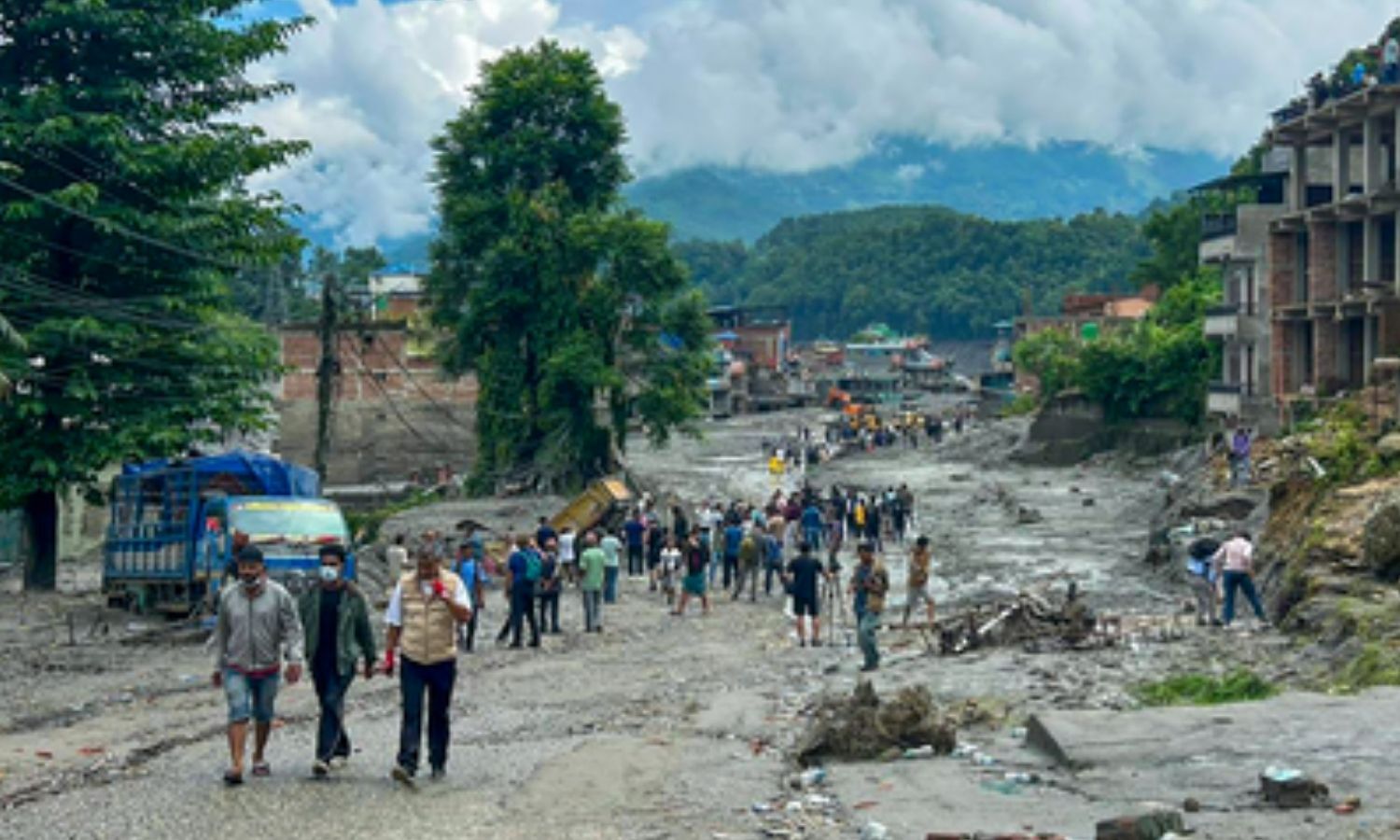
Nepal Flood Disaster Spurs Calls for Himalayan Cooperation

Nepal Urges India, China Cooperation After Devastating Floods
Nepal Flood Catastrophe Signals Need for Himalayan Cooperation
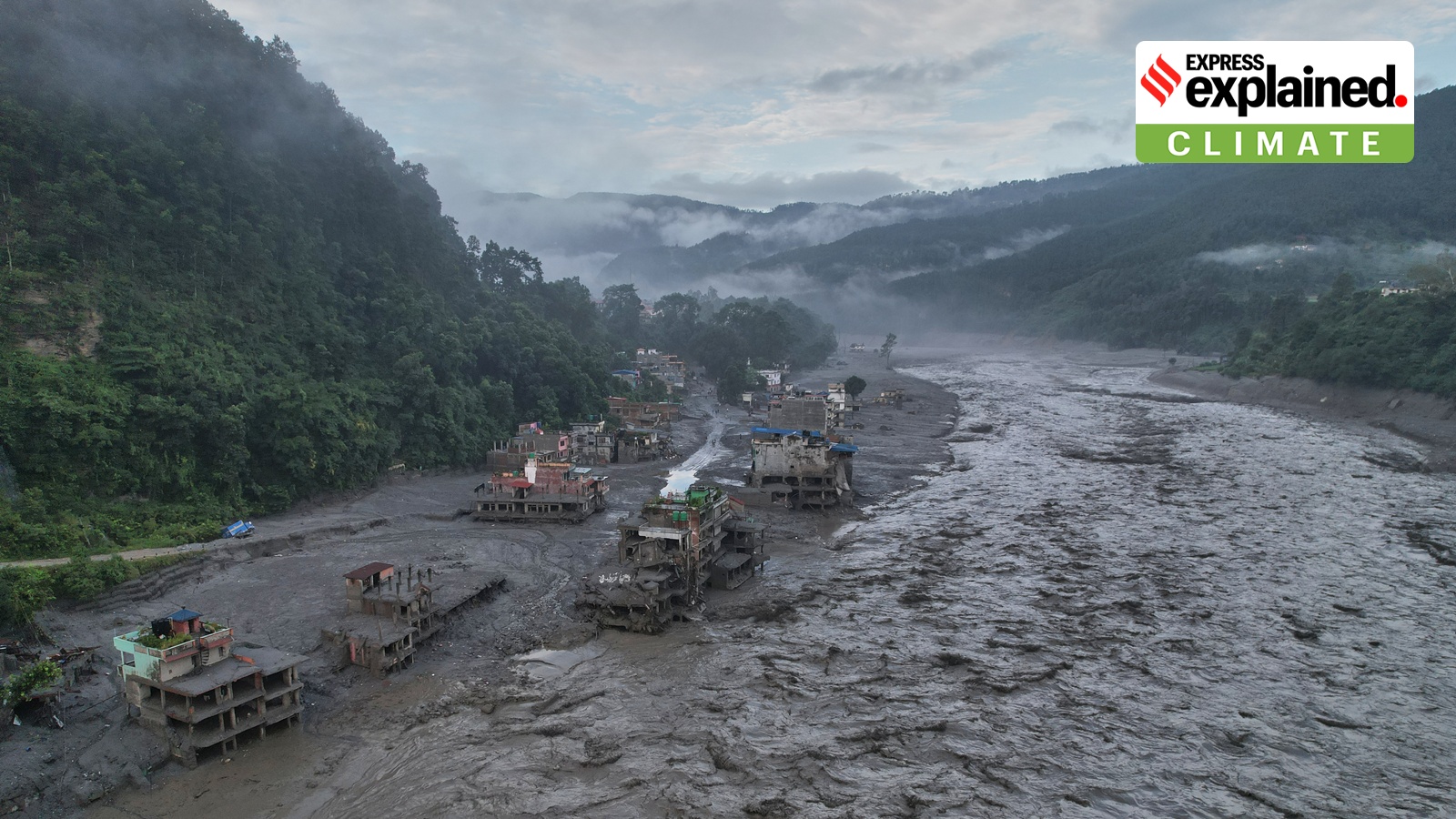
Nepal Flood Exposes Four Urgent Himalayan Disaster Lessons

Nepal Floods Expose Warning Gaps, Spur China Data Push

Nepal Floods Expose Gaps in Himalayan Data Sharing
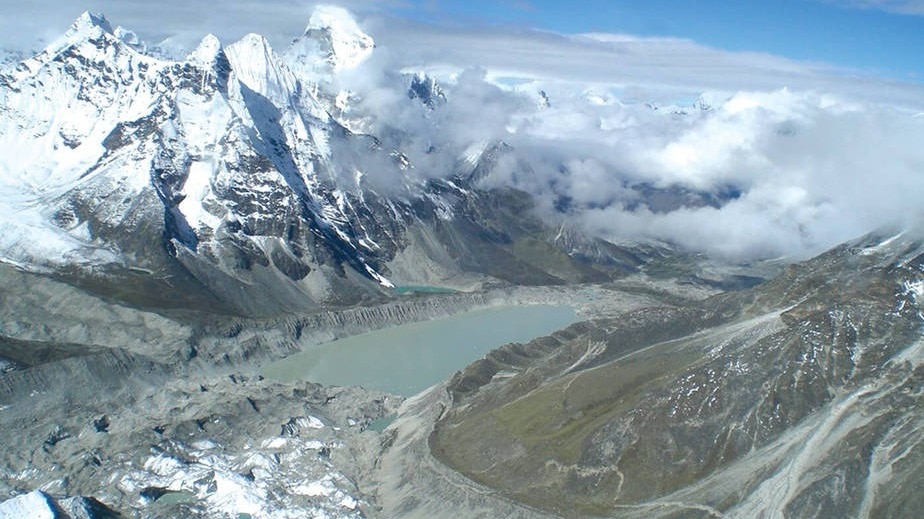
Tibetan Plateau Water Tower Faces Growing Climate Instability

Glacier Collapse, Not Earthquake, Triggered Tibet-Nepal Border Flood

Niketu Iralu’s Life Leaves a Message of Truth and Service