

2 weeks ago
Rare Eurasian lynx photographed for first time in Sikkim
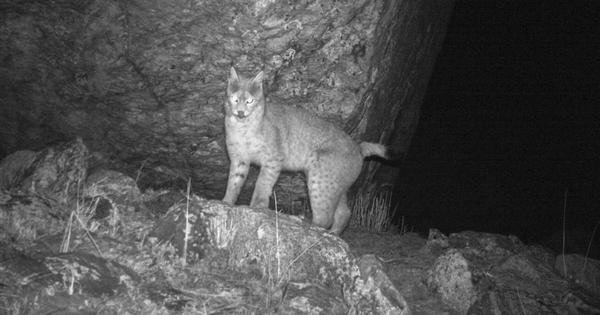
High up in the mountains of Sikkim, in India, scientists captured a photograph of a very rare wild cat called the Eurasian lynx.
They used camera traps, which are cameras that automatically take pictures when animals walk past.
The photo was taken in January 2026 on a rocky, bare slope 5,250 metres above sea level.
It is the first time a lynx has ever been photographed in Sikkim.
This is exciting because it shows that these cold, high mountain lands are full of life and important for wildlife.
The same area has other special animals, including snow leopards, Pallas's cats, Tibetan wolves and blue sheep.
The lynx might live there, or it might just be passing through from Tibet.
Scientists say one photo is not enough to know for sure, so more study is needed.
They also worry about problems like stray dogs, traffic and waste that can hurt these wild places and the rare animals that live there.

A Eurasian lynx was photographed by camera traps at the Tso Lhamo plateau in Sikkim, the first confirmed photographic evidence of the species in the state.
The image was captured in January 2026 at an altitude of 5,250 metres in Mangan district, showing the animal moving across a rocky, sparsely vegetated slope.
The record is the second of the Eurasian lynx from the Eastern Himalayas, following a 2025 photographic documentation in Arunachal Pradesh.
The sighting emerged from a long-term snow leopard and rangeland monitoring programme led by the Sikkim forest department and WWF-India.
Researchers caution the single photo does not establish whether Tso Lhamo hosts a stable lynx population, and note pressures from tourism, road traffic, waste, free-ranging dogs and border infrastructure.
- Who
- Researchers from the Sikkim forest department and WWF-India running a long-term snow leopard and rangeland monitoring programme.
- What
- The first confirmed photographic record of a Eurasian lynx in Sikkim, captured by camera traps at the Tso Lhamo plateau.
- Where
- Tso Lhamo plateau, Mangan district, Sikkim, at an altitude of 5,250 metres.
- When
- January 2026.
- Why
- The record highlights the ecological significance of high-altitude rangelands and adds to scarce knowledge of the Eurasian lynx in the Eastern Himalayas.
Key facts
- Species
- Eurasian lynx
- Sighting location
- Tso Lhamo plateau, Mangan district, Sikkim
- Altitude
- 5,250 metres
- Date
- January 2026
- Significance
- First confirmed photographic record in Sikkim; second from the Eastern Himalayas
- Monitoring programme
- Long-term snow leopard and rangeland monitoring by the Sikkim forest department and WWF-India
- Previous Eastern Himalayan record
- Arunachal Pradesh, 2025
- Other species recorded
- Snow leopard, Pallas's cat, Tibetan wolf, Tibetan sand fox, Tibetan gazelle, Tibetan argali, southern kiang, blue sheep
Quotes
Rohan Pradeep Pandit
Associate Coordinator, WWF‑India
“High‑altitude rangelands like Tso Lhamo have long been dismissed as empty, barren cold deserts of little ecological consequence. The presence of a wide‑ranging predator like the lynx is direct evidence against that view. These are functioning, productive ecosystems, and Tso Lhamo in particular works as a biogeographic bridge between two very different biological worlds.”
 scroll.in
“It is undeniable evidence that the Tso Lhamo Plateau supports a high‑quality and largely intact trans‑Himalayan predator‑prey system. To have three distinct wild felids – the snow leopard, the Pallas’s cat, and now the Eurasian lynx – recorded in the same landscape points to a food web healthy enough to support multiple apex and meso‑predators.”
scroll.in
Sources
Related news
Ladakh to Get India's First Snow Leopard Safari

UNDP, Ladakh Renew Biodiversity Partnership for Himalayan Conservation

Ladakh approves India's first high-altitude wildlife safari for snow leopards

Male Tiger Camera-Trapped in Assam’s Dihing Patkai National Park
Camera Traps Reveal Healthy Clouded Leopard Population in North Bengal

Ladakh Launches India's First Snow Leopard Safari at 10,000 Feet

Himalayan Disaster Highlights Need for India-Nepal-China Climate Cooperation

Nepal Floods Expose Gaps in Himalayan Data Sharing
Tibetan Plateau Water Tower Faces Growing Climate Instability

Glacier Collapse, Not Earthquake, Triggered Tibet-Nepal Border Flood
