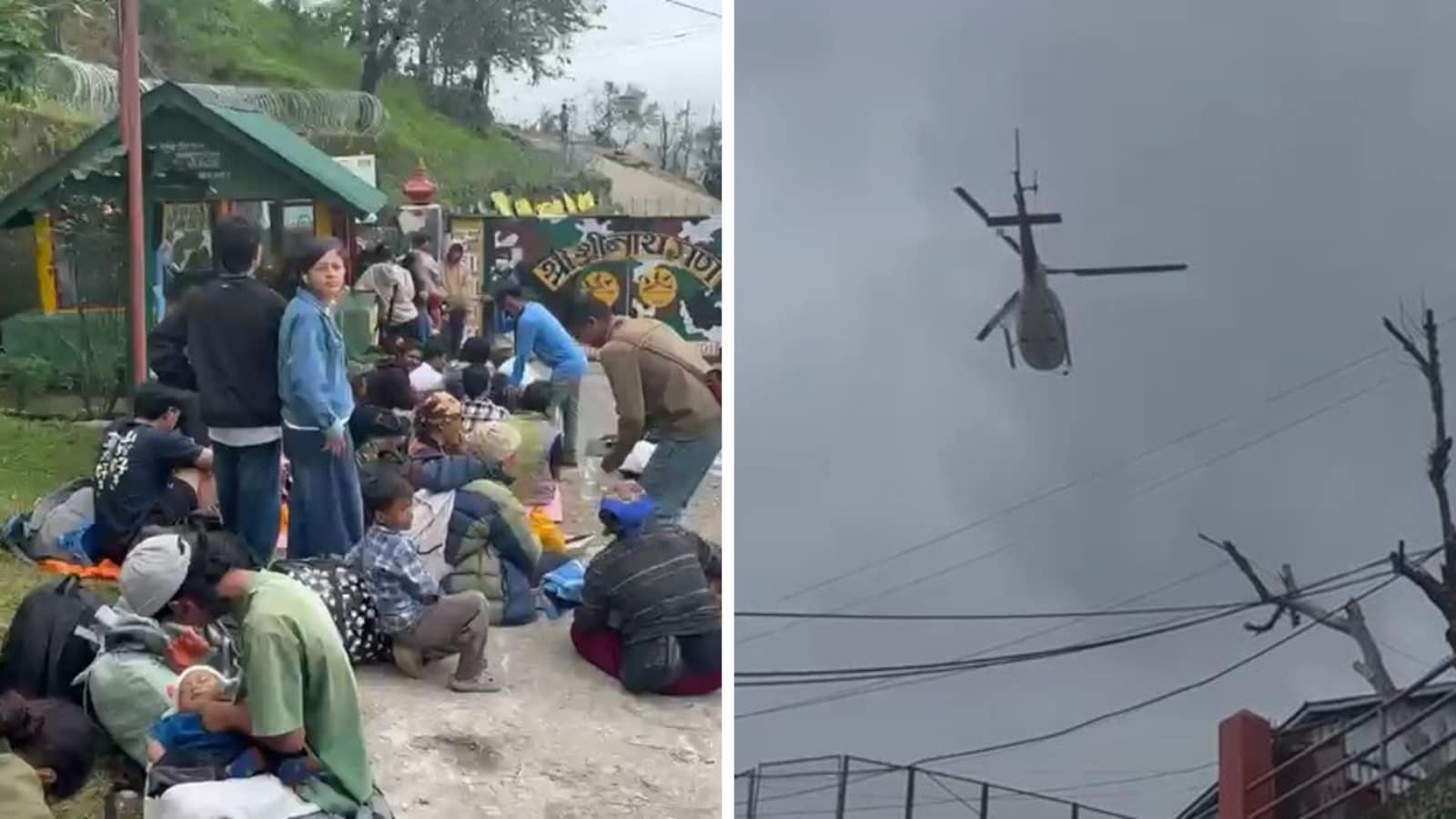
3 days ago
Nepal Flood Disaster Spurs Calls for Himalayan Cooperation
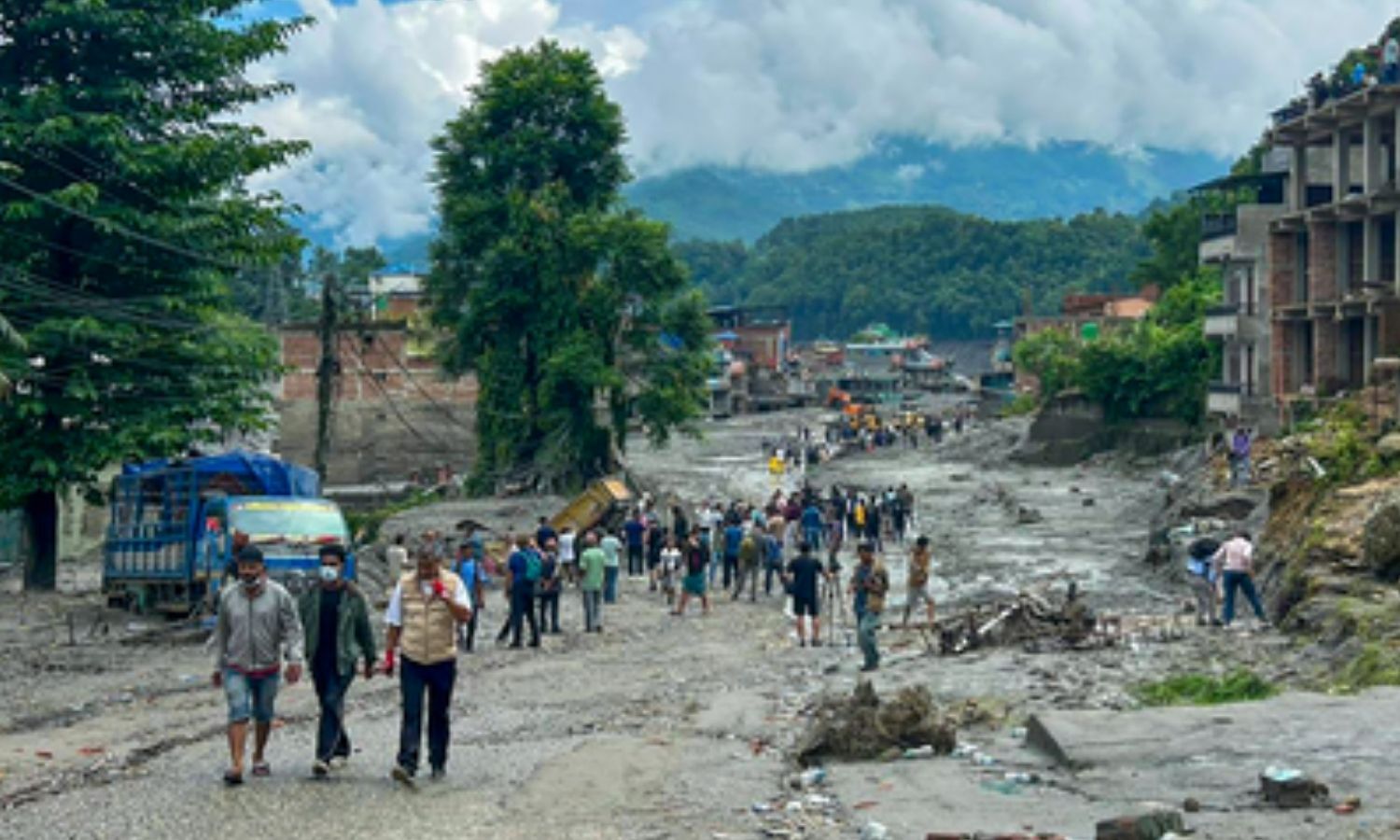
A large mass of rock and ice fell from a mountain in Nepal.
It blocked a river and caused floods farther downstream.
At first, the event was thought to be an earthquake, but later satellite and seismic analysis rejected that explanation.
Scientists and news reports connected the collapse to unstable glaciers, climate change, and construction, although the exact cause is still being studied.
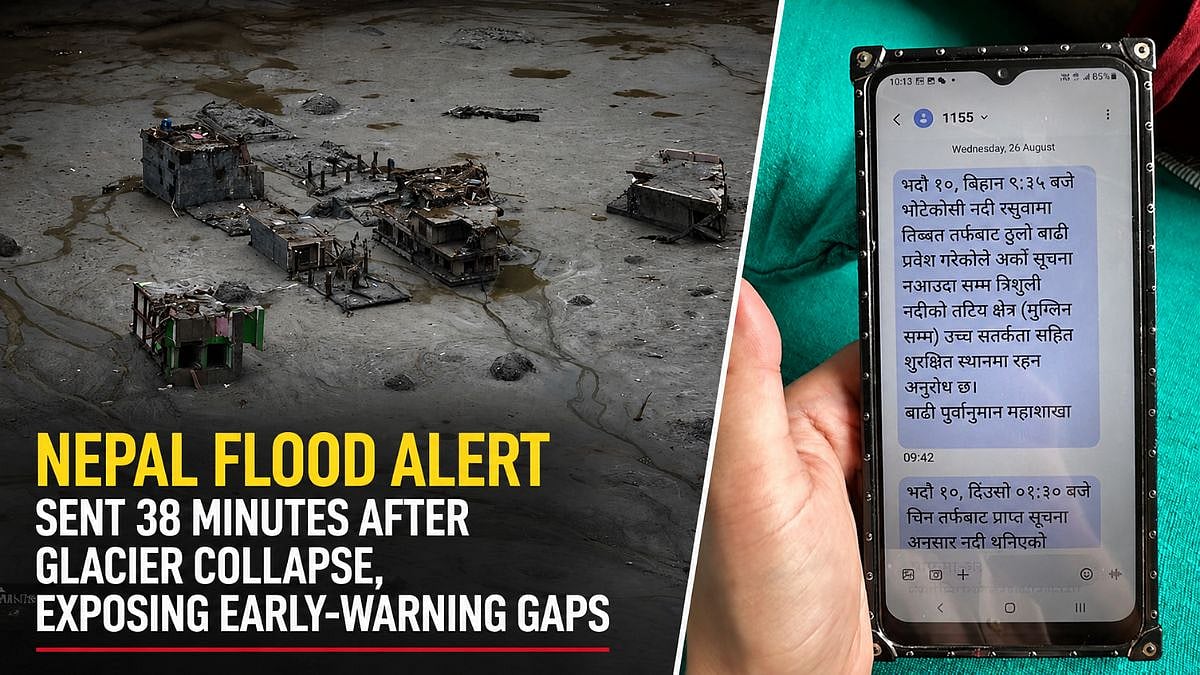
People living near rivers may have had little time to escape when the collapse happened.
Experts say countries around the Himalayas should study dangerous slopes and share information.
Nepal and China had discussed sharing warnings about floods and landslides, but their agreement is not yet finished.
Regional cooperation could help governments prepare for similar disasters.

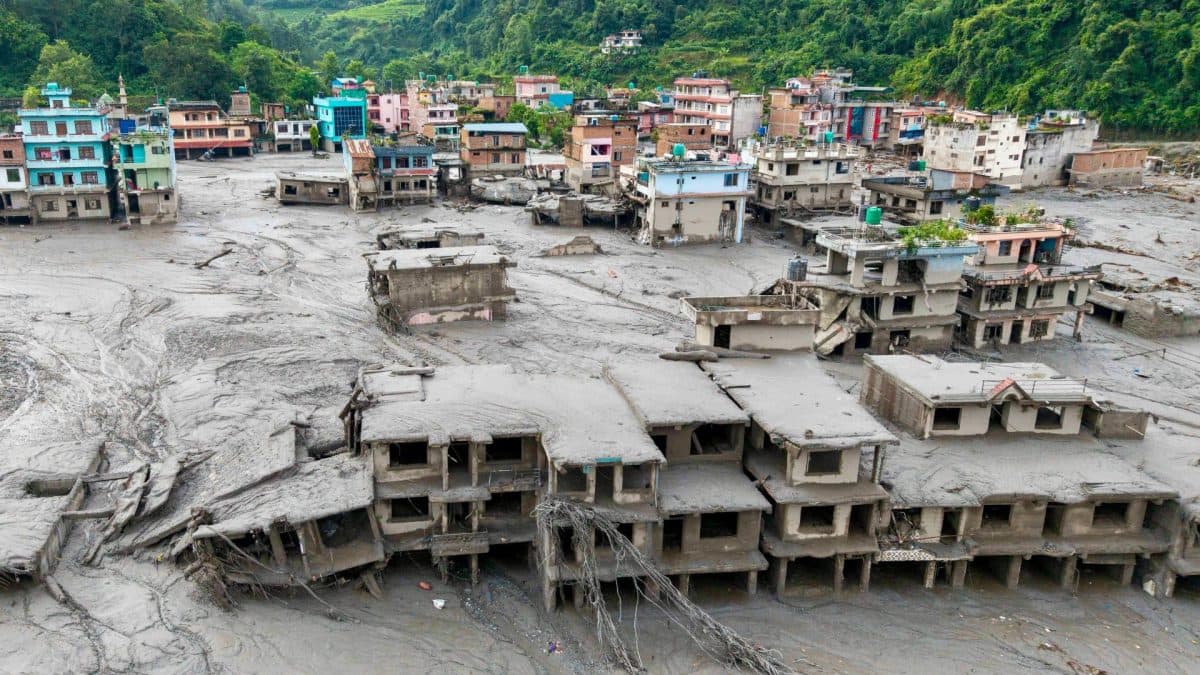
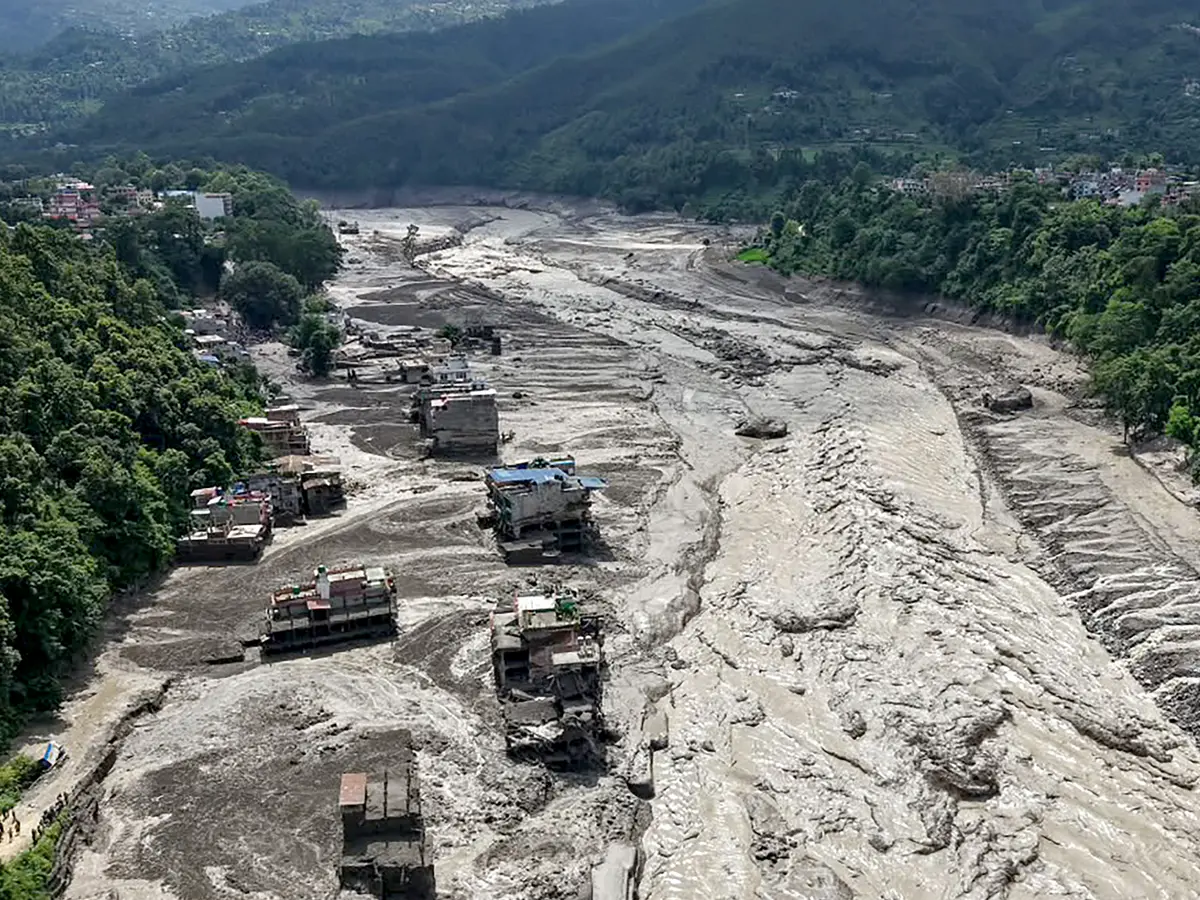
A massive rock-ice avalanche in Nepal blocked the Lhende River and triggered cascading downstream floods.
The United States Geological Survey initially treated the seismic event as an earthquake but later said no earthquake had occurred.
Experts and reports linked the disaster to glacial instability, climate change, and nearby construction, while noting that the precise cause remains uncertain.
Nepal, China, and other Hindu Kush Himalaya countries are being urged to share risk data and improve disaster preparedness.
A formal Nepal-China mechanism for real-time flood, landslide, and glacial-lake-outburst warnings has not yet been signed.
- Who
- Nepalese communities were affected, while parliamentarians and experts from the Hindu Kush Himalaya region called for greater cooperation.
- What
- A rock-ice avalanche and glacial collapse blocked the Lhende River and triggered cascading flash floods.
- Where
- In Nepal near the Tibet-Nepal border, with flooding downstream along the Lhende River.
- When
- The disaster occurred on Wednesday, according to the reports; regional parliamentarians discussed it later that week.
- Why
- The collapse was associated with glacial instability and possibly climate change and nearby construction; the precise cause remains under investigation.
Glacial-Collapse Explanation
Earlier Earthquake Interpretation
What caused the seismic event?
Glacial-Collapse Explanation
The International Centre for Integrated Mountain Development, satellite imagery, Mongabay, and the revised United States Geological Survey assessment identified a rock-ice or glacial collapse and debris flow rather than an earthquake.
Earlier Earthquake Interpretation
The United States Geological Survey initially classified the tremor as an earthquake before revising its assessment after additional seismic and satellite analysis.
What drove the collapse?
Glacial-Collapse Explanation
Reports and experts associated the event with glacial instability, climate change, and construction near the affected area.
Earlier Earthquake Interpretation
The reports said the precise cause may take time to establish, so the roles of climate change and construction remain assessments rather than definitive conclusions.
Key facts
- Disaster mechanism
- A massive rock-ice avalanche reportedly blocked the Lhende River and caused cascading floods.
- Initial assessment
- The United States Geological Survey initially interpreted the seismic event as an earthquake.
- Revised assessment
- The United States Geological Survey later said seismic-wave and satellite analysis indicated a glacial collapse and debris flow, not an earthquake.
- Regional body
- The International Centre for Integrated Mountain Development works across eight Hindu Kush Himalaya countries.
- Nepal-China discussions
- Nepal and China agreed in principle to share real-time information on floods, landslides, and potential glacial lake outburst floods, but no formal implementation agreement has been signed.
- Proposed response
- Reports called for mapping unstable icebound slopes, sharing data, and coordinating disaster preparedness.
Quotes

International Centre for Integrated Mountain Development (ICIMOD)
Intergovernmental knowledge and learning centre serving the Hindu Kush Himalaya region
“a massive rock–ice avalanche occurred in Nepal, blocking the Lhende River and triggering cascading floods downstream”
 thehansindia.com
Sources
Related news
Nepal Flood Catastrophe Signals Need for Himalayan Cooperation

Nepal Floods Expose Warning Gaps, Spur China Data Push
Himalayan Disaster Highlights Need for India-Nepal-China Climate Cooperation

Nepal Flood Exposes Himalayan Risks and Data-Sharing Failures
Nepal Flood Exposes Persistent Risks Along Border River
Nepal Flash Flood Exposes South Asia’s Cross-Border Risks

Nepal Thanks India as Glacial Disaster Rescue Efforts Continue
Nepal Warns of Heavy Rain After Deadly Floods
Nepal Flood Exposes Delayed Alerts and Cross-Border Warning Gaps
Bhotekoshi Flood Crisis: Nepal PM Shah Calls for Courage

Nepal PM Thanks India, China Amid Climate Compensation Demand