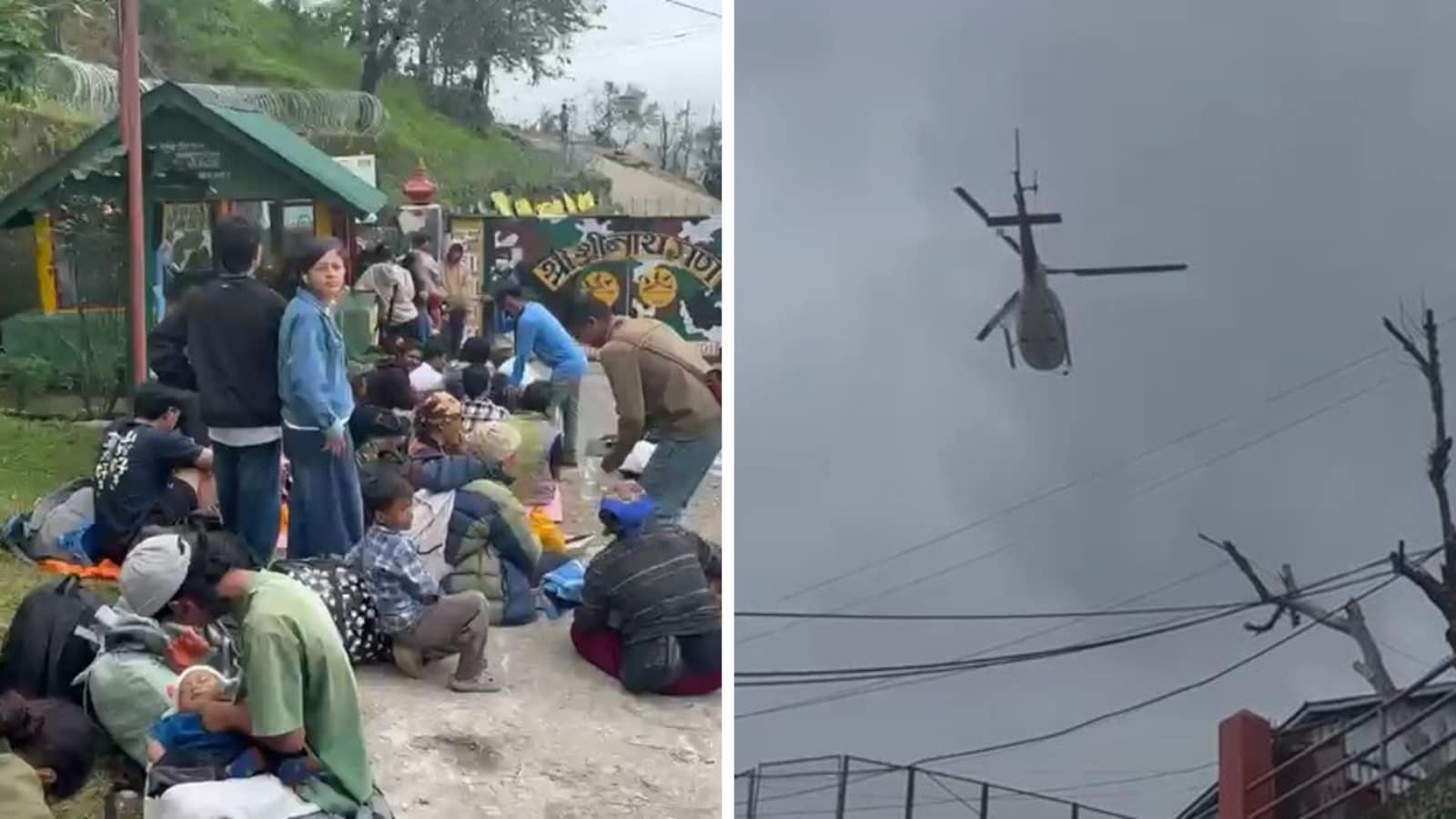
2 days ago
Nepal Floods Expose Warning Gaps, Spur China Data Push

A large piece of ice and rock broke away from a glacier near the Nepal-China border.
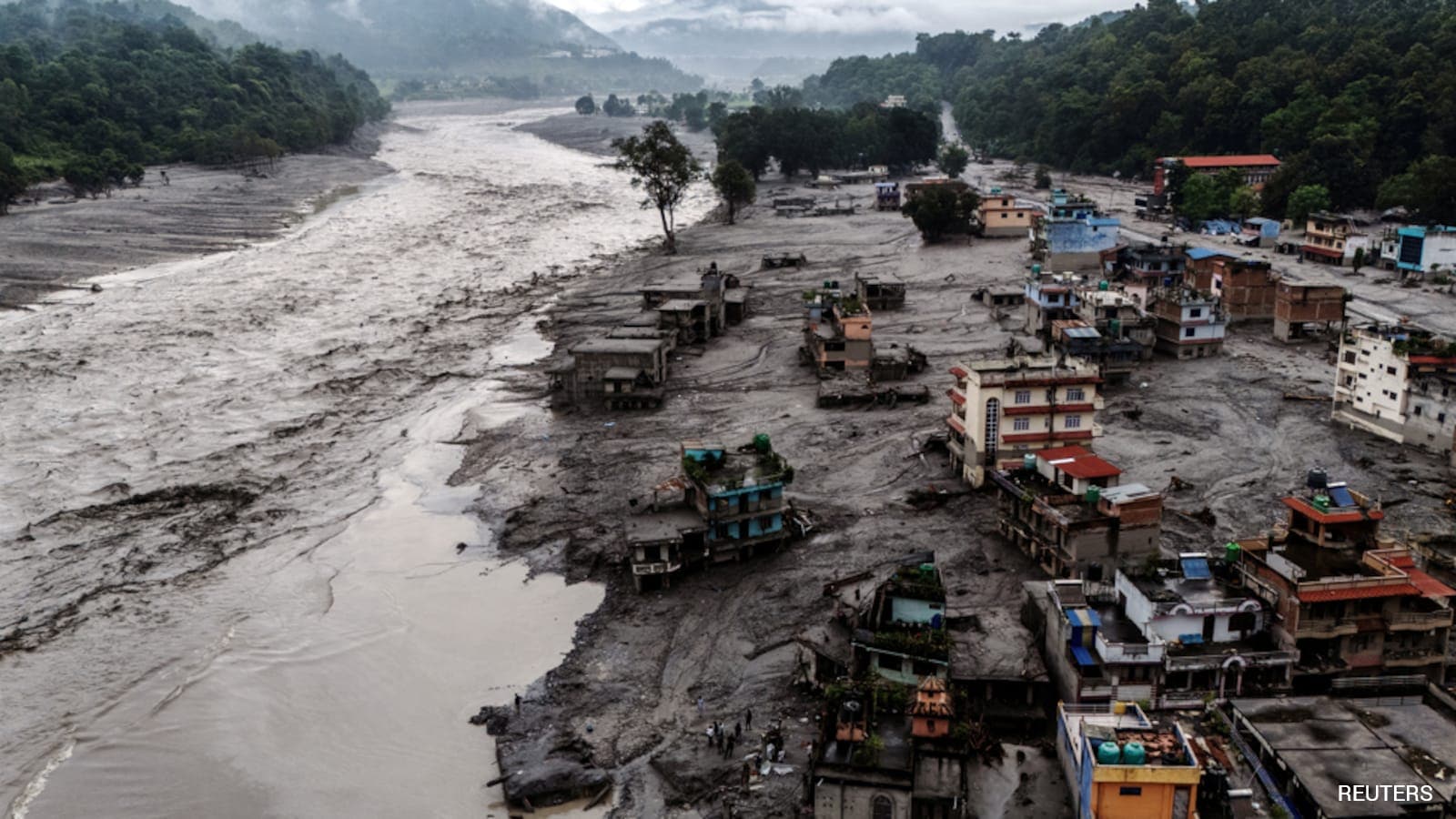
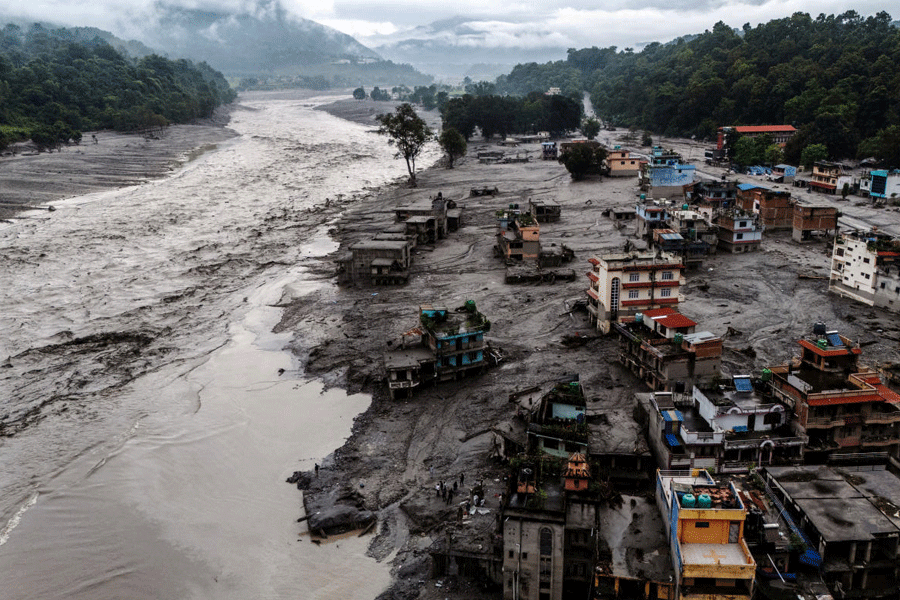
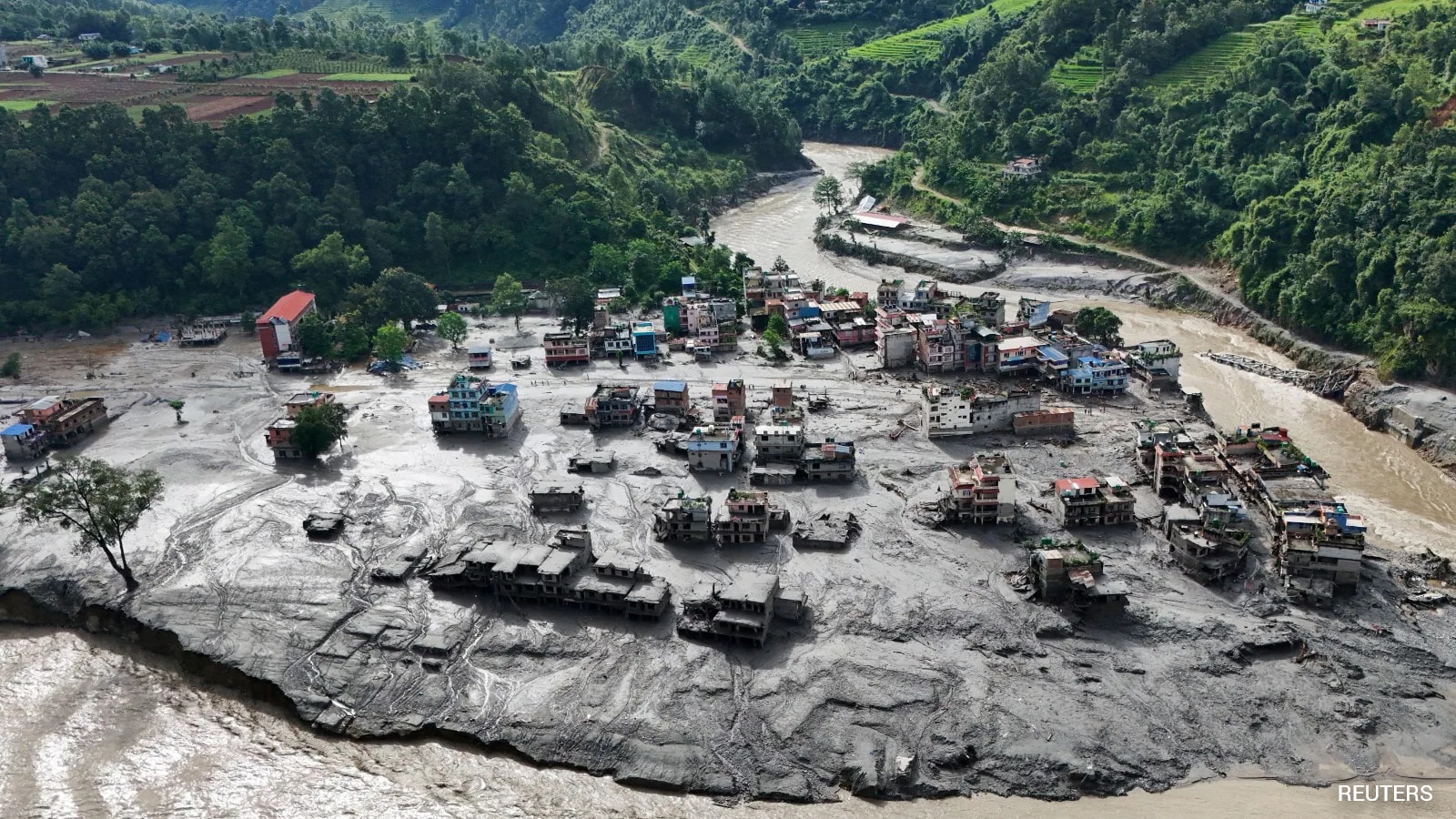
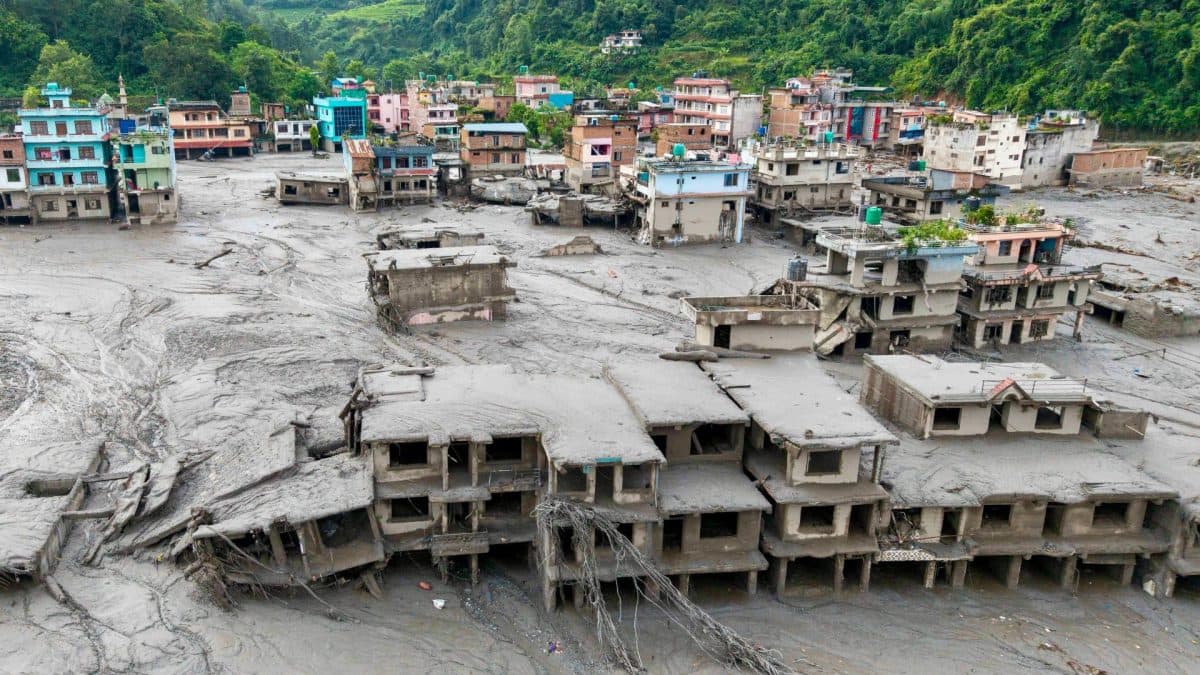
It caused a fast-moving flood filled with mud, rocks and water.
The flood damaged bridges, roads, buildings and power equipment.
Reports say hundreds of people died, although the reported numbers differ, and thousands were missing.
Some people had less than five minutes to get away.
Nepal says it needs more weather stations and more information from China about dangers in the mountains.
China says it shared important information on time and that monitoring the remote area is very difficult.
The two countries had already discussed glacier and flood risks before the disaster.
Nepal now wants data shared more often so warnings can reach communities sooner.

A glacier collapse near the Nepal-China border sent water, mud, rocks and debris downstream on Aug. 26.
Reports put the death toll at nearly 800 or more than 900, with more than 3,000 to nearly 5,000 people missing.
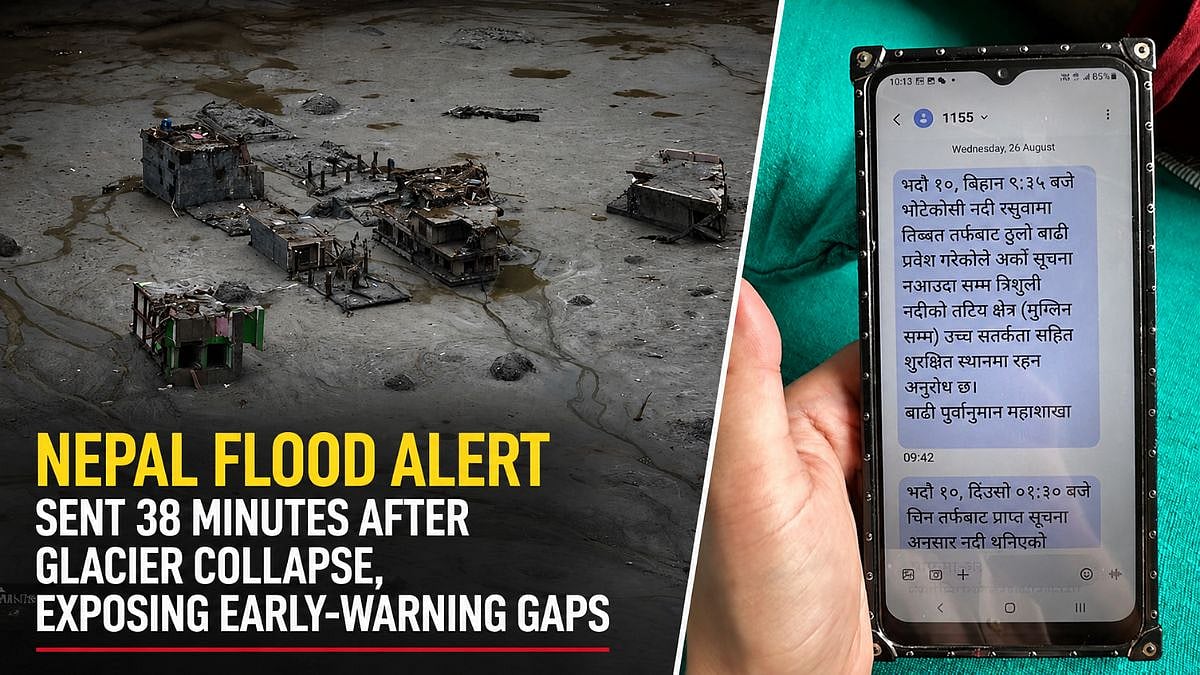
Nepali officials said some communities had fewer than five minutes of warning because high-altitude monitoring and cross-border data sharing were limited.
China said it had shared important information in a timely manner, including heavy-rain forecasts, while citing the difficulty of monitoring remote Himalayan hazards.
Nepal plans to seek a data-sharing agreement with China and information on rivers, glaciers, avalanches and landslides every 10 minutes.
- Who
- Nepali and Chinese officials, hydrologists, disaster authorities and scientists are addressing the disaster and warning-system weaknesses; hundreds were killed and thousands were reported missing.
- What
- A glacier collapse triggered catastrophic flooding and exposed gaps in high-altitude monitoring and Nepal-China disaster-data sharing.
- Where
- The collapse occurred near the Nepal-China border in the Tibet-Nepal Himalayan region, and flooding traveled 168 kilometers downstream.
- When
- The disaster occurred on Aug. 26, about three months after a May 27 meeting in Kathmandu.
- Why
- The glacier collapse unleashed fast-moving water, mud and debris, while limited monitoring and data access left little time for warnings.
Nepal's Concerns
China's Response
Scope of data sharing
Nepal's Concerns
Nepali officials said China provided heavy-rain forecasts but not enough information about glacier movements, water levels, avalanches, landslides and other extreme events.
China's Response
China's embassy said Chinese teams had shared important information with Nepal in a timely manner and maintained close communication on transboundary disaster management.
Whether earlier warning was possible
Nepal's Concerns
Nepal said limited high-altitude weather stations and weak transboundary data-sharing mechanisms made it difficult to detect hazards and warn communities sooner.
China's Response
China said remote Himalayan hazards are difficult to monitor because of extreme altitude, terrain, weather and technological challenges.
Role of cooperation in the disaster
Nepal's Concerns
Nepal wants a formal agreement modeled on its arrangement with India, with data potentially shared every 10 minutes to improve warnings.
China's Response
Experts cited in the reports said limited bilateral cooperation was not a significant factor in Nepal's response to this specific disaster, although they acknowledged that exchanges remain limited.
Key facts
- May meeting
- Ten Nepali officials and about a dozen Chinese officials met in Kathmandu on May 27 to discuss floods, weather and glacier hazards.
- Reported casualties
- Reports cited nearly 800 or more than 900 deaths and more than 3,000 to nearly 5,000 missing people.
- Warning time
- Nepal's disaster authority said some people had fewer than five minutes of lead time.
- Flood distance
- The torrent traveled 168 kilometers downstream from the Nepal-China border.
- Flood volume
- A Nepali government assessment estimated 57.4 million cubic meters of water.
- Damage
- The flood damaged 19 bridges and about 40 kilometers of highway and disrupted more than 10% of Nepal's power-generation capacity.
- Planned response
- Nepal plans to seek more frequent precipitation and river-level data, along with monitoring of glaciers, avalanches and glacial lakes.
Quotes

Chinese embassy in Nepal
Diplomatic mission representing China in Nepal.
“What we actually wanted from them, and still want, is if there are early movements of glaciers and early movements around that area, we would want to know a bit early.”
 NDTV
NDTV
 theprint.in
 telegraphindia.com
“Unless we stop making boundary for climate information, disasters originating in remote mountain areas will remain difficult to anticipate.”
 livemint.com
China’s World Meteorological Centre
Chinese meteorological center that warned Nepali officials twelve days before the disaster
“Enhanced rainfall is likely across much of Nepal, and we wish to draw your attention to the potential for secondary and cascading hazards, including but not limited to landslides and flash floods”
NDTV
telegraphindia.com
Sources

Related news
Nepal Floods Expose Gaps in Himalayan Data Sharing
Nepal Flood Deaths Rise as Former Minister Criticizes China

China Rejects Flood Trigger Claim After Himalayan Disaster

Nepal Flash Flood Triggers Warning Questions After Tibetan Deluge
Nepal Flood Exposes Persistent Risks Along Border River

Nepal Thanks India as Glacial Disaster Rescue Efforts Continue
Nepal Warns of Heavy Rain After Deadly Floods
Nepal Flood Exposes Delayed Alerts and Cross-Border Warning Gaps
Bhotekoshi Flood Crisis: Nepal PM Shah Calls for Courage

Nepal PM Thanks India, China Amid Climate Compensation Demand