2 days ago
Nepal Floods Expose Gaps in Himalayan Data Sharing
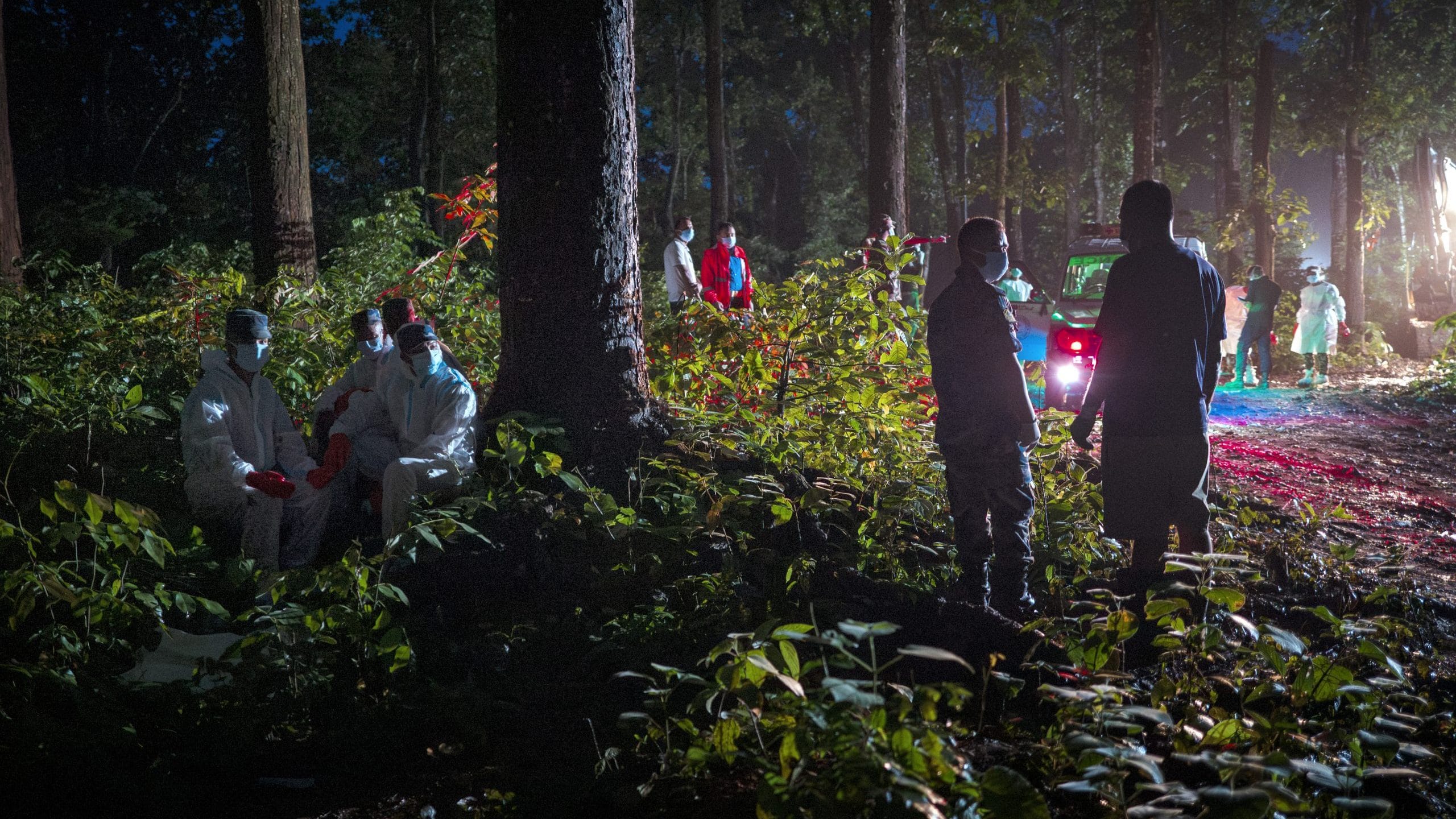
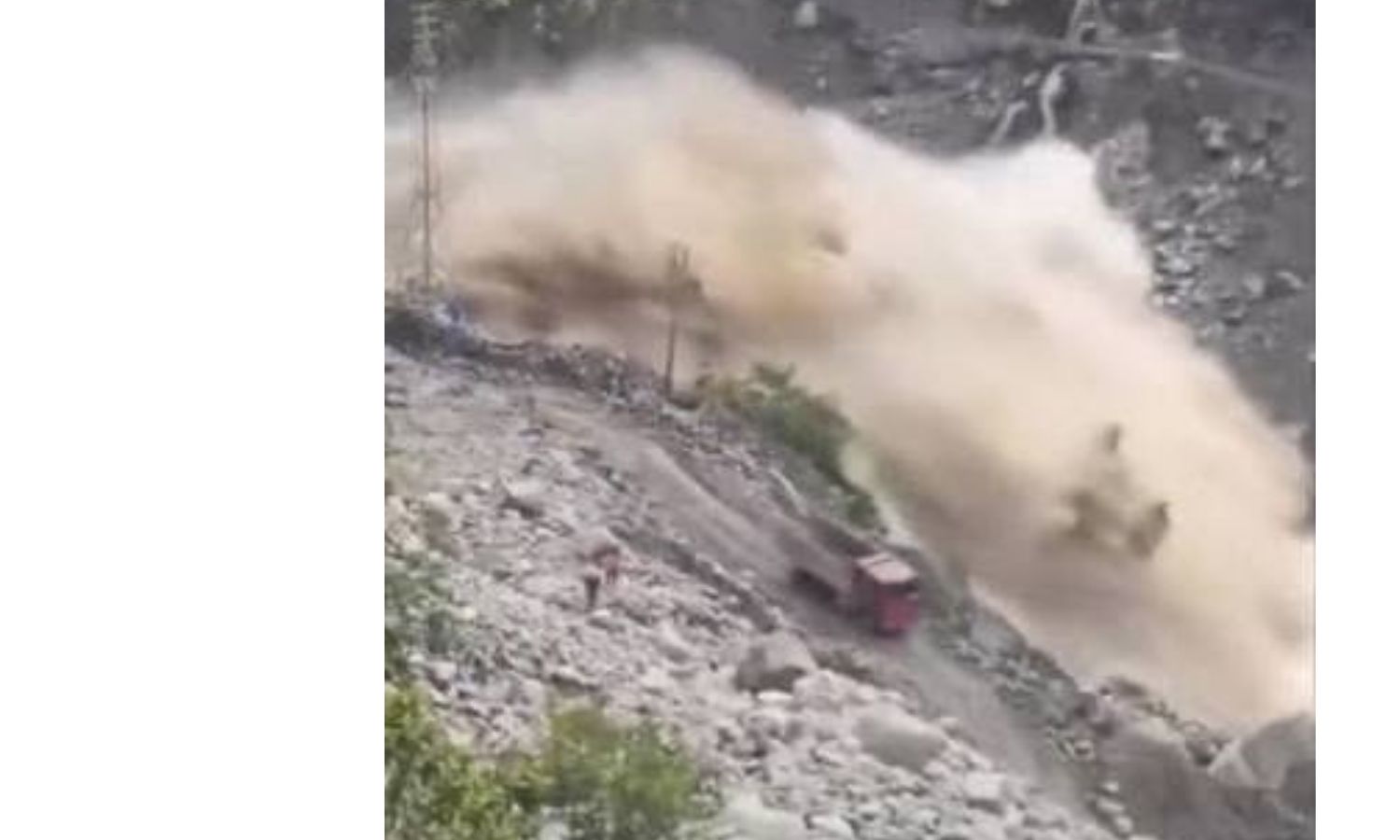
A glacier collapse in Nepal sent mud, rocks, ice and water through a valley.
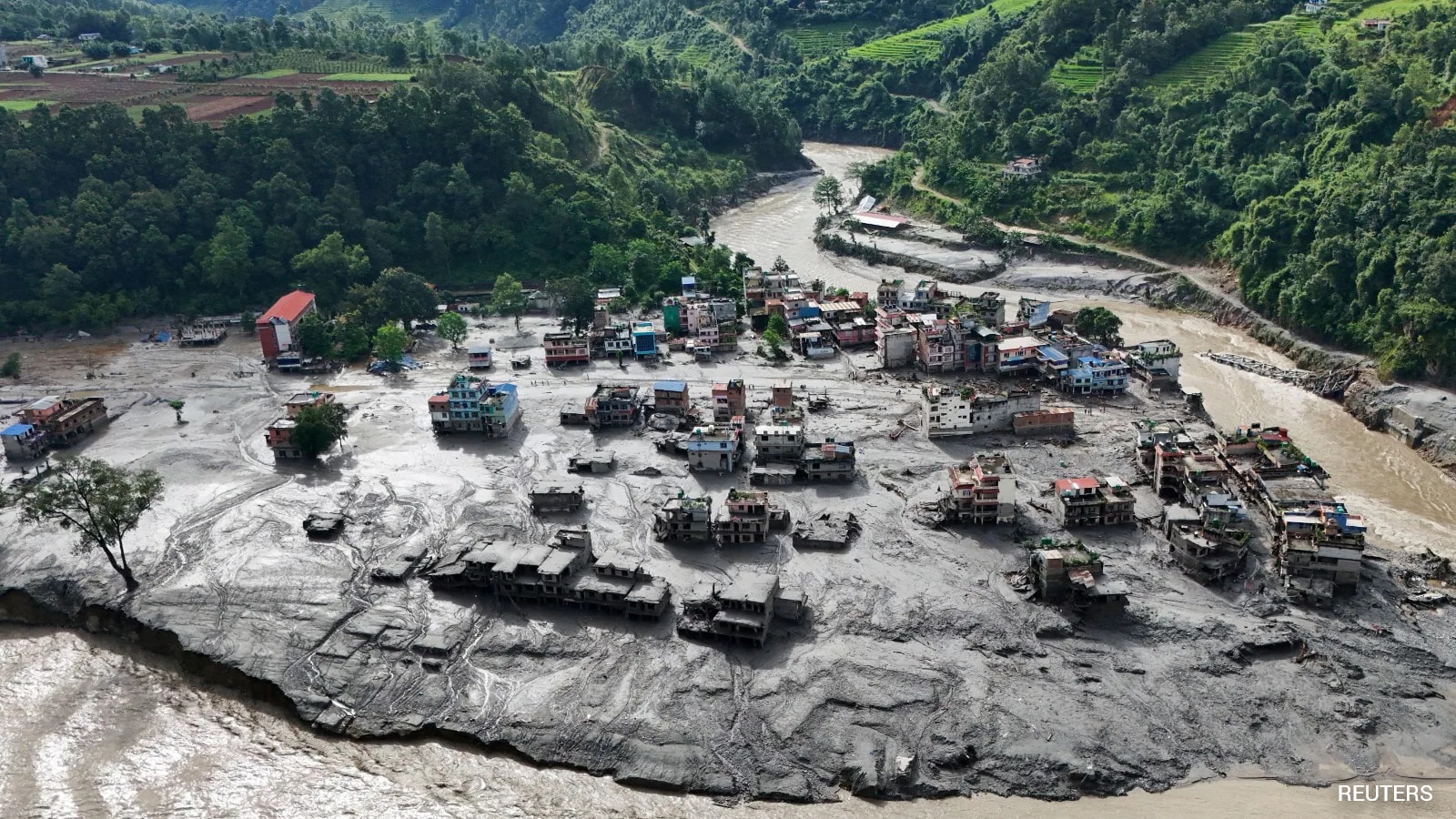
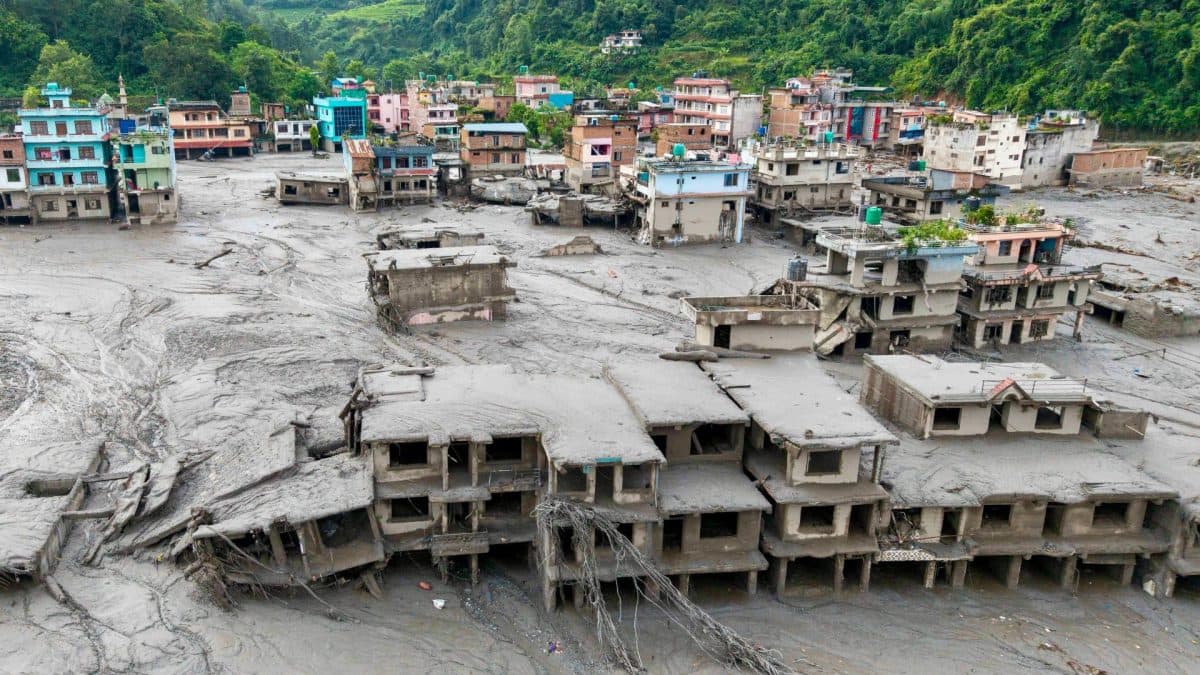
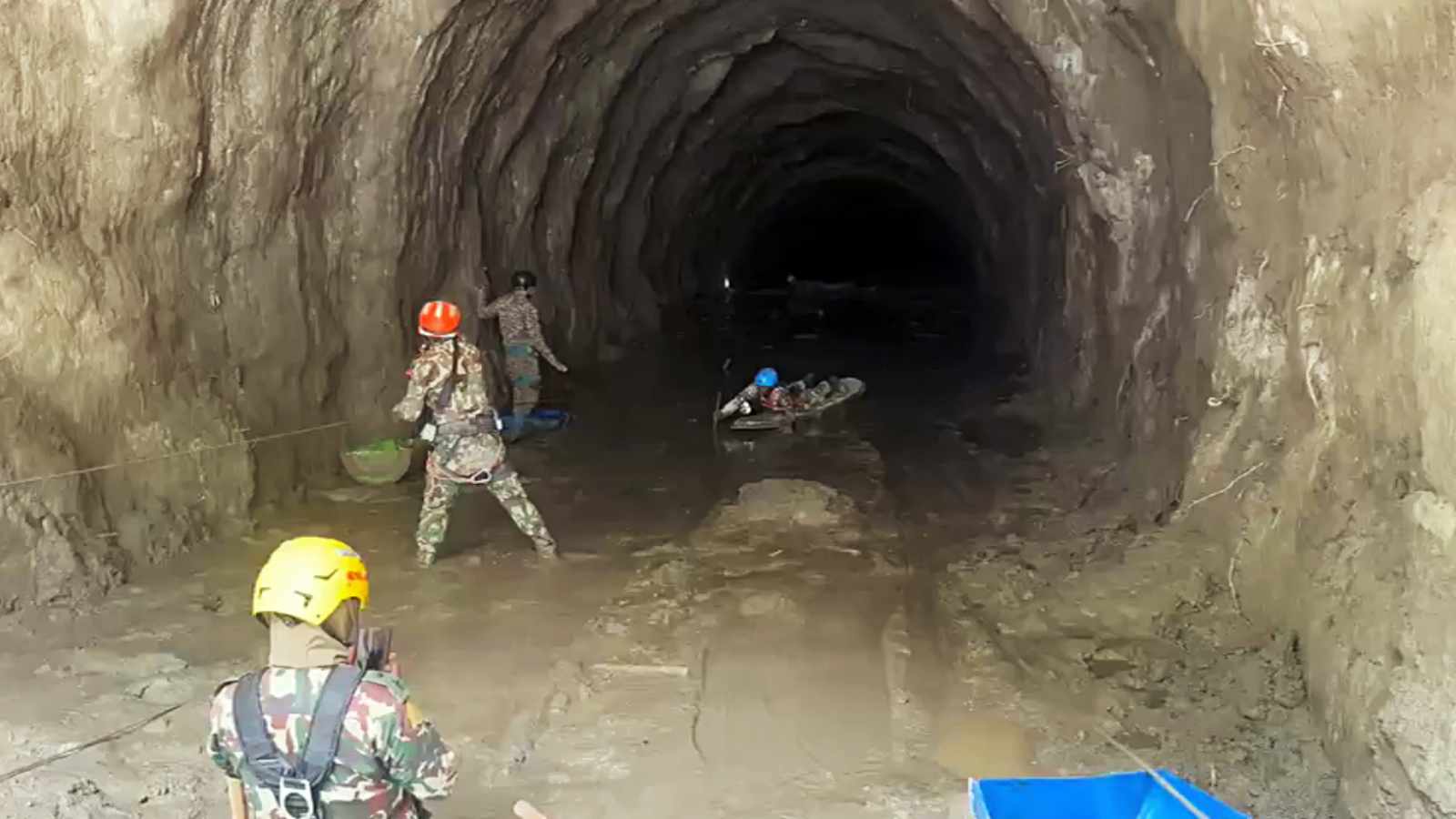
The flood destroyed homes, bridges, power lines and other buildings.
At least 919 people died, and about 4,800 people are still missing.
People had only a few minutes to escape.
Nepal says it does not have enough weather stations in the highest mountains.
Nepal also says countries need to share more weather information across borders.
China says it has monitored the area and shared important information with Nepal.
Officials now want better warning systems so people can prepare earlier for future disasters.

A glacial collapse triggered floods that killed at least 919 people and left about 4,800 missing.
Nepal’s disaster authority chief said communities had barely five minutes of warning before the flooding.
Nepal lacks weather stations across parts of the high mountains because monitoring is costly and data sharing is limited.
China said it has monitored hazards and shared important information with Nepal, but did not specify whether it warned Nepal about the Aug. 26 disaster.
Damage could reach at least $5 billion, while Nepal is preparing a roadmap to improve early-warning systems.
- Who
- At least 919 people died, about 4,800 remain missing, and Nepal’s National Disaster Risk Reduction and Management Authority is coordinating the response.
- What
- A glacial collapse caused a destructive flood of ice, mud, rocks and fast-moving water.
- Where
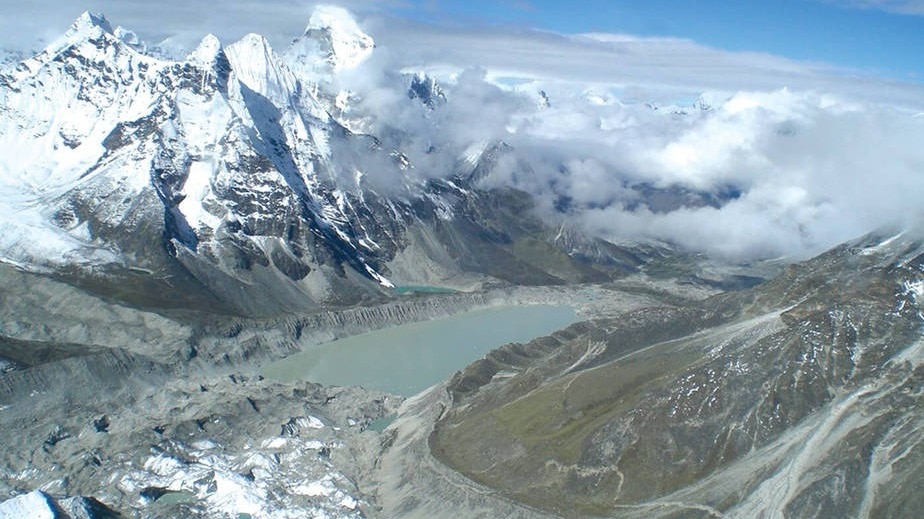
- A mountain valley in Nepal, within the wider Himalayan region.
- When
- The catastrophe occurred on Aug. 26, according to the report; the floods were described as occurring the previous week.
- Why
- The collapse was linked to a glacier’s underlying bedrock failing; limited high-altitude monitoring and cross-border data sharing made early warning difficult.
Nepal’s concerns
China’s response
Cross-border data sharing
Nepal’s concerns
Nepal’s disaster authority chief said limited transboundary data-sharing mechanisms and the absence of weather stations in high mountain areas left authorities with inadequate warning information.
China’s response
China’s embassy said China has maintained close communication with Nepal on transboundary disaster management and has shared important information within the limits of existing technology.
Whether a warning was provided
Nepal’s concerns
Nepal reported that people received barely a few minutes of warning before the waters arrived, highlighting what it described as a dangerous monitoring gap.
China’s response
China did not specify whether it warned Nepal about the Aug. 26 catastrophe, while saying it had conducted monitoring, assessment and analysis.
Future prevention
Nepal’s concerns
Nepal’s disaster authority is prioritizing improved early-warning systems and a roadmap designed to give communities more time to prepare.
China’s response
China’s President Xi Jinping and the Chinese Communist Party called for faster glacier and glacial-lake surveys and stronger monitoring and warning systems across the Tibetan Plateau.
Key facts
- Deaths
- At least 919 people
- Missing
- Roughly 4,800 people
- Warning time
- Some victims reportedly had fewer than five minutes of lead time
- Estimated damage
- At least $5 billion
- Trigger
- A glacial collapse involving ice, mud, rocks and fast-moving water
- Nepal response
- The National Disaster Risk Reduction and Management Authority has drafted an early-warning improvement roadmap
- China’s position
- China says it has shared important monitoring information with Nepal, but did not specify whether it warned Nepal about the catastrophe
Quotes
Dharam Raj Uprety
Chief executive of Nepal’s National Disaster Risk Reduction and Management Authority
“Unless we stop making boundary for climate information, disasters originating in remote mountain areas will remain difficult to anticipate.”
 theprint.in
“People even didn’t get five minutes of lead time”
theprint.in
Sources
Related news

Nepal Floods Expose Warning Gaps, Spur China Data Push
Nepal Flood Deaths Rise as Former Minister Criticizes China

Nepal Flash Flood Triggers Warning Questions After Tibetan Deluge
Nepal Flood Exposes Persistent Risks Along Border River
Nepal-Tibet Glacial Collapse Spurs Calls for Early Warnings
Himalayan Disaster Highlights Need for India-Nepal-China Climate Cooperation
Tibetan Plateau Water Tower Faces Growing Climate Instability

Glacier Collapse, Not Earthquake, Triggered Tibet-Nepal Border Flood

Niketu Iralu’s Life Leaves a Message of Truth and Service