5 days ago
Glacier Collapse, Not Earthquake, Triggered Tibet-Nepal Border Flood

A huge piece of glacier broke off high in the mountains near Tibet and Nepal.
It fell into a valley and carried ice and rocks toward a river.
The debris briefly blocked the river, and then a powerful flood of water and material rushed downstream.
Scientists cited in the analysis said the shaking was caused by the collapse, not the other way around.
This means the disaster was a chain of events involving ice, rocks and steep land.
The analysis says warming mountains may create more dangers like this.
It also says countries sharing Himalayan rivers should exchange information quickly.
The analysis cautioned that there is no conclusive evidence linking a specific Chinese construction project to the collapse.

Assessments attributed the August 26 disaster to a high-altitude glacier collapse, not an earthquake.
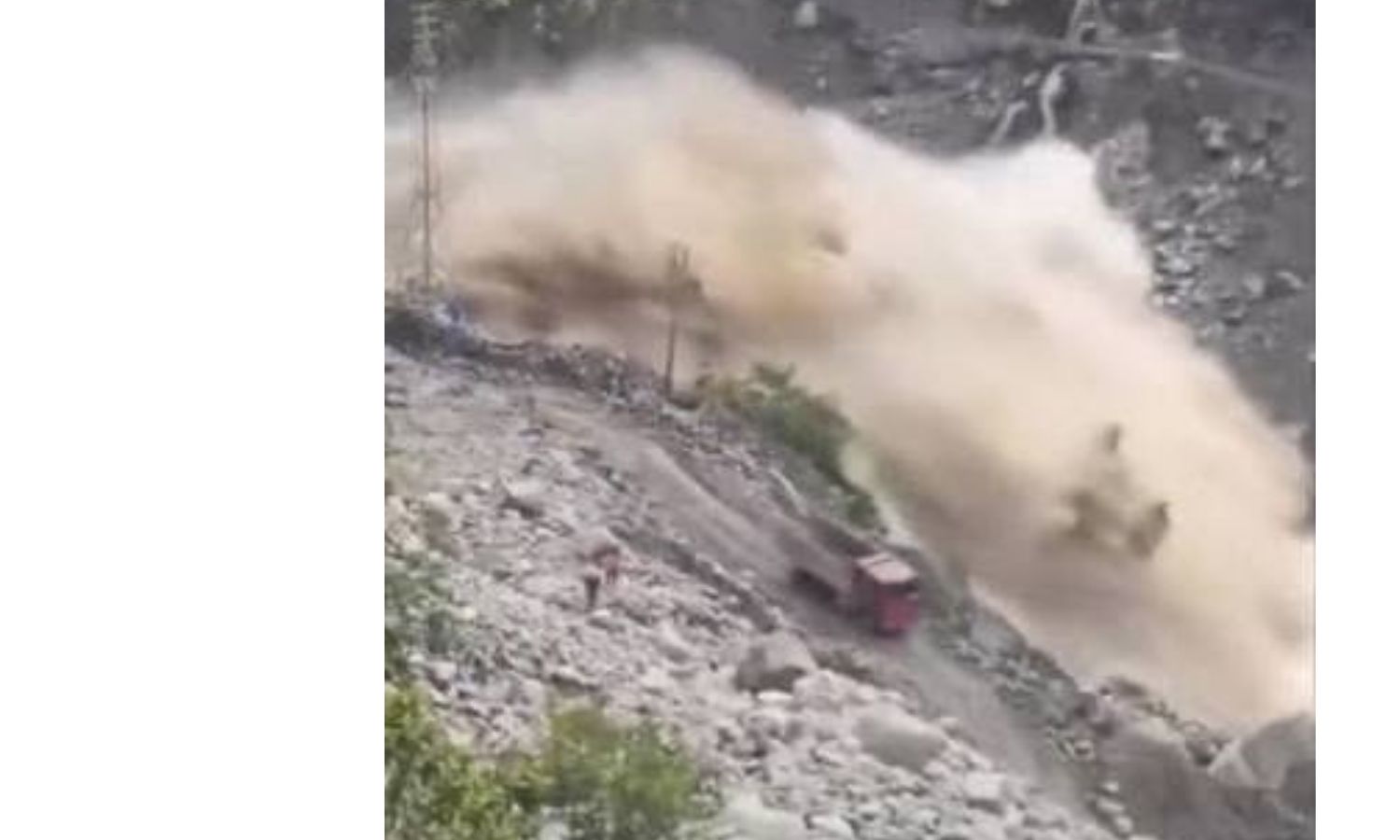
A glacier section broke away at about 5,200 metres and fell roughly 1,200 metres.
The avalanche blocked the Lhende Khola River before releasing a destructive surge downstream.
The Diplomat said retreating glaciers, changing weather and degrading permafrost are increasing Himalayan risks.
The analysis called for institutionalized data sharing, early warnings and joint cross-border hazard assessments.
- Who
- Communities in Nepal and the wider Himalayan region were affected by risks originating upstream in Tibet; China, Nepal, India and Bhutan were identified as relevant countries.
- What
- A glacier collapse triggered an avalanche, river blockage and destructive downstream flood.
- Where
- On the Tibet-Nepal border, involving the Lhende Khola River.
- When
- August 26; the analysis also cited a separate Bhotekoshi River flood in July 2025.
- Why
- A glacier section collapsed and plunged into the valley, sending ice, rock and water downstream.
Transboundary-security view
Cautious-evidence view
How the disaster should be understood
Transboundary-security view
The analysis says glacier, river and geological hazards should be treated as transboundary climate and cryosphere-security issues rather than isolated environmental events.
Cautious-evidence view
The event should be described precisely as a cascading high-mountain disaster; it was not a conventional rain-driven flood or an earthquake-led disaster.
Infrastructure and causation
Transboundary-security view
The analysis says road cutting, tunnelling, mining and hydropower development can increase exposure in fragile mountain corridors.
Cautious-evidence view
It also states that no conclusive evidence shows a particular Chinese infrastructure project directly caused the August 26 collapse.
Environmental information sharing
Transboundary-security view
The analysis argues that upstream data from China should be exchanged as a safety obligation, with shared warnings and assessments rather than treated as diplomatic generosity.
Cautious-evidence view
The article does not describe a competing policy proposal, but emphasizes that claims and responses should be based on rigorous scientific assessment and transparent hazard mapping.
Key facts
- Trigger
- High-altitude glacier collapse, according to assessments cited in the analysis.
- Glacier altitude
- Approximately 5,200 metres.
- Fall distance
- Roughly 1,200 metres into the valley.
- River involved
- Lhende Khola River.
- Initial interpretation
- Seismic activity initially raised the possibility of tectonic activity, but subsequent assessments attributed the tremors to the collapse.
- Related event
- The July 2025 Bhotekoshi River flood was linked to drainage of a supraglacial lake in Tibet.
- Recommended response
- Institutionalized environmental data sharing, coordinated early-warning systems and joint cross-border risk assessments.
Quotes

The Diplomat analysis
Analysis published by The Diplomat on Himalayan environmental and security risks
“The Himalayan-Tibetan ecosystem must be approached not merely as an environmental space but as a critical arena of transboundary climate and cryosphere security.”
 thestatesman.com
“No conclusive evidence currently shows that a particular Chinese infrastructure project directly caused the August 26 glacier collapse.”
thestatesman.com
Sources
Related news
Nepal-Tibet Glacial Collapse Spurs Calls for Early Warnings
Glacial Floods Expose the Growing Himalayan Disaster Threat
Nepal Border Flood Mystery Shifts From Earthquake To Glacier Collapse
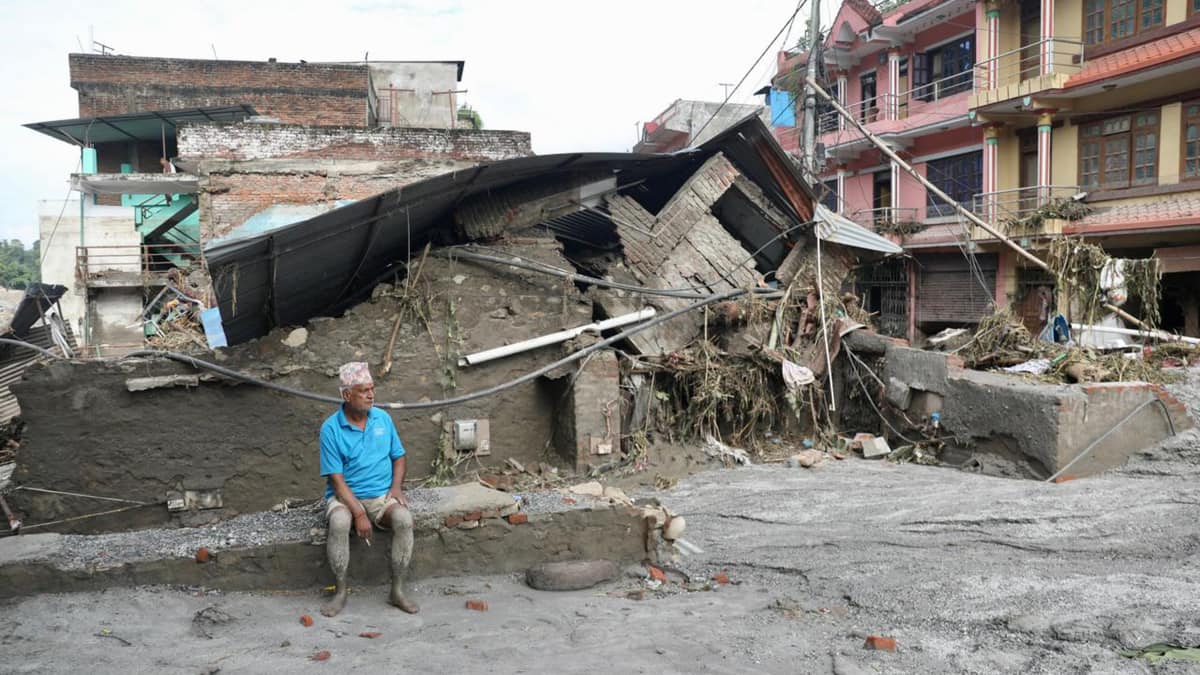
Nepal Flood Exposes Himalayan Cascading Hazard Risks
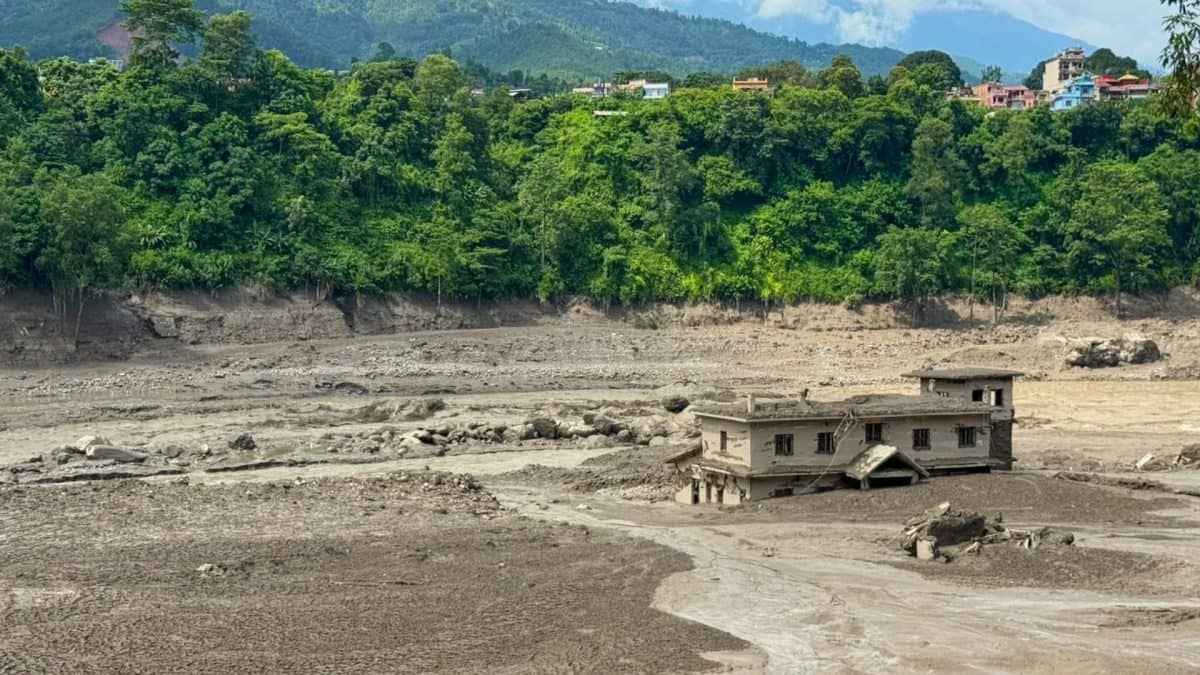
Nepal Disaster Highlights Growing Complexity of Himalayan Hazards

Nepal Thanks India as Glacial Disaster Rescue Efforts Continue
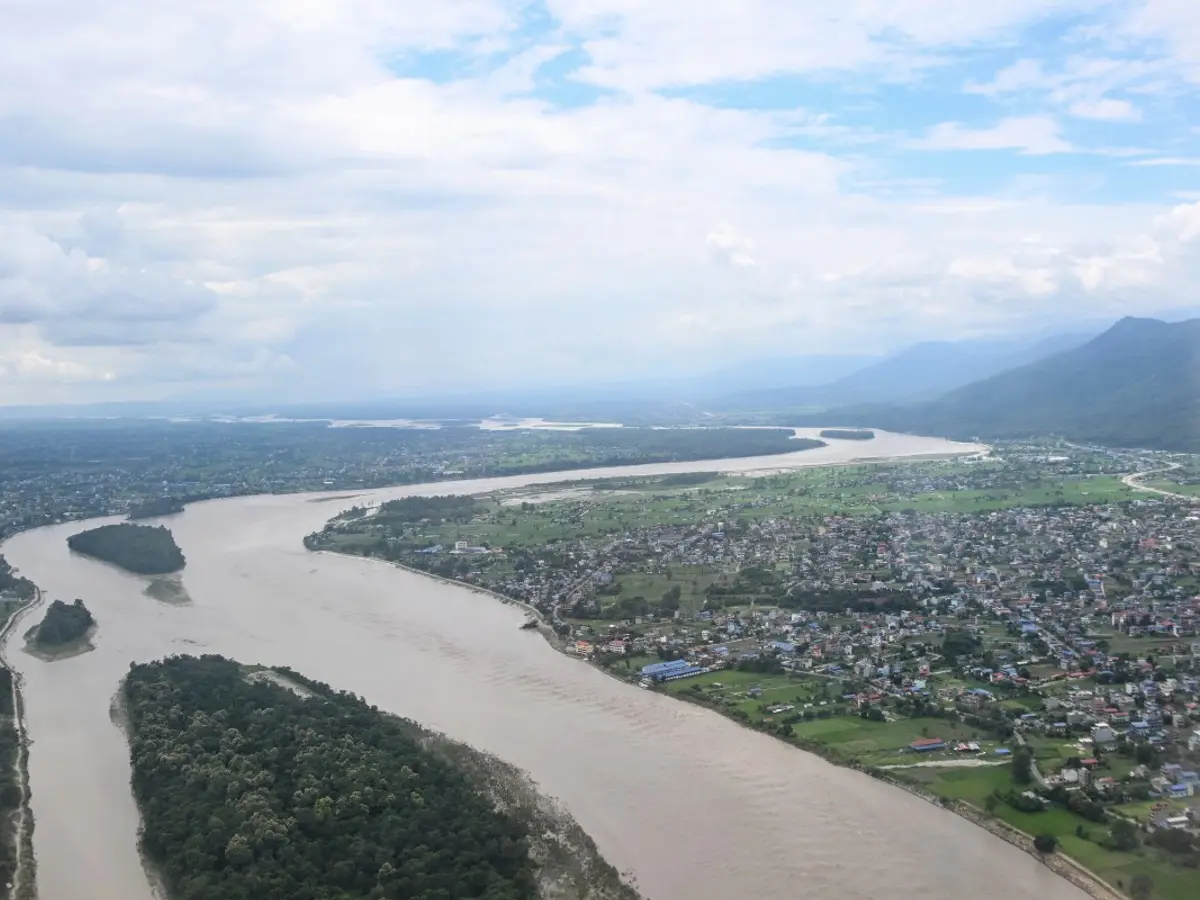
Nepal Warns of Heavy Rain After Deadly Floods
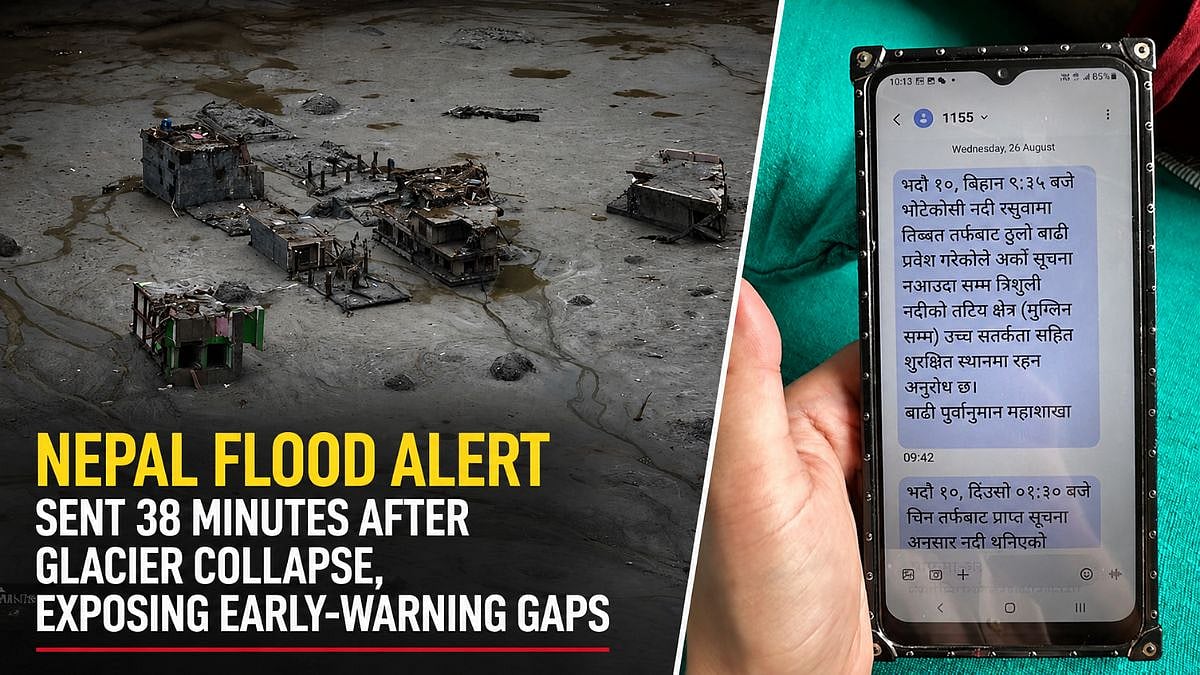
Nepal Flood Exposes Delayed Alerts and Cross-Border Warning Gaps

Bhotekoshi Flood Crisis: Nepal PM Shah Calls for Courage

Nepal PM Thanks India, China Amid Climate Compensation Demand