3 days ago
Tibetan Plateau Water Tower Faces Growing Climate Instability
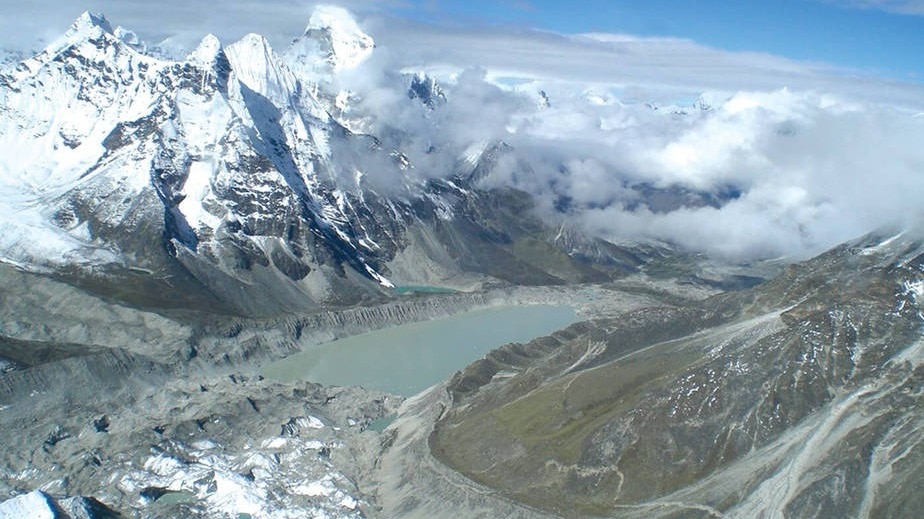
The Tibetan Plateau stores and supplies water to much of Asia.
Scientists call it the “Asian Water Tower.”
Many important rivers, including the Indus, Ganga and Brahmaputra, begin in or near this region.
The plateau became wetter between 2000 and 2024.
However, having more water now does not guarantee a safe water supply later.
Warmer temperatures are melting glaciers faster.
This may create extra water during the rainy season but less water during dry periods.
The water cycle could also become harder to predict.
For India, that could mean a combination of heavier flooding and water shortages.

The Tibetan Plateau and surrounding mountains supply freshwater to billions through major Asian rivers.
From 2000 to 2024, the plateau became broadly wetter, with soil moisture indicating a more organized hydrological system.
Climate projections suggest warming could increase hydrological disorder and make water distribution less predictable.
Accelerating glacier melt may increase short-term runoff but reduce dependable dry-season water supplies over time.
India could face both increased flood risks and less reliable water availability in the Indus, Ganga and Brahmaputra systems.
- Who
- Scientists studying the Tibetan Plateau, including lead author Xiaosong Chen of Beijing Normal University; downstream populations in India and across Asia are affected.
- What
- The Tibetan Plateau’s water system is showing signs of climate-related stress, with glacier melt and projected warming threatening the reliability of water supplies.
- Where
- The Tibetan Plateau and surrounding high mountains, with potential effects across India and South and East Asia.
- When
- The plateau experienced a broad wetting trend from 2000 to 2024; future climate projections indicate increasing instability as warming continues.
- Why
- Rising temperatures are changing glacier melt, snow, rainfall, soil moisture and runoff, potentially making water less predictable and less available during dry periods.
Key facts
- Study publication
- Nature Communications
- Study region
- Tibetan Plateau and surrounding high mountains
- Wetting period
- 2000–2024
- Water systems affected
- Indus, Ganges-Brahmaputra, Mekong, Yangtze and Yellow River systems
- Current trend
- Broad wetting and reduced hydrological entropy, indicating greater organization and buffering capacity
- Projected risk
- Continued warming could increase entropy, spatial disorder and water-cycle unpredictability
- India-related risks
- Changes in river flows, agriculture, hydropower, flooding and dry-season water availability
Sources
Related news

Melting Himalayan Glaciers Raise Risk of Downstream Floods
Expert Warns Himalayan Flash-Flood Risks Grow Amid Nepal Catastrophe

China’s Proposed Yarlung Tsangpo Mega-Dam Raises Downstream Concerns
Melting Himalayan Glaciers Heighten Flash-Flood and Landslide Risks

Nepal Glacier Disaster Exposes India’s Himalayan Risk-Planning Challenge
Himalayan Disaster Highlights Need for India-Nepal-China Climate Cooperation
Nepal Floods Expose Gaps in Himalayan Data Sharing

Glacier Collapse, Not Earthquake, Triggered Tibet-Nepal Border Flood

Niketu Iralu’s Life Leaves a Message of Truth and Service