

3 hrs ago
Weak Monsoon and El Niño Threaten India’s Food Prices
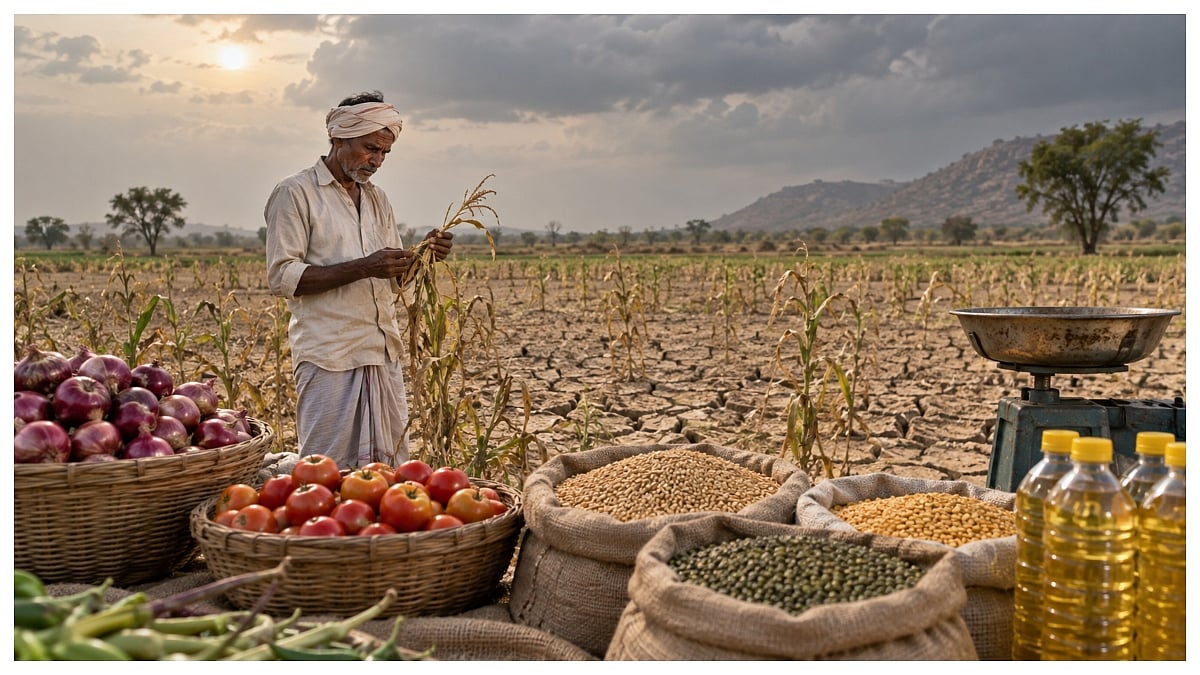
India may see food become more expensive in the coming months.
Rain has been below normal in many parts of the country.
Some areas had long dry periods followed by very heavy rain, which can hurt crops.
Farmers planted nearly as much land as last year, but lower fertilizer sales suggest caution.
Prices for crops such as maize, arhar and soyabean have already increased.
A weather pattern called El Niño may make winter shorter and warmer.
That could damage crops planted for the winter season.
Higher prices around the world and disruptions caused by conflicts could add even more pressure.

India’s monsoon rainfall was 14.7% below average by September 13, with 24 of 36 subdivisions recording significant deficiencies.
Dry spells and uneven heavy rain could reduce kharif crop yields, despite sowing remaining broadly stable.
Prices of maize, arhar and soyabean have risen sharply in key producing markets compared with last year.
A strong El Niño could bring a shorter, warmer winter and threaten rabi crops including wheat, pulses, onions and spices.
Higher global food prices, lower stocks and conflict-related trade disruptions could prolong India’s food inflation.
- Who
- Indian farmers, consumers and agricultural markets are affected, while the Agriculture Ministry and the United States Department of Agriculture provided relevant data and forecasts.
- What
- India faces a risk of sustained food inflation because of weak monsoon rainfall, a strong El Niño and rising global commodity prices.
- Where
- The risks affect India, particularly southern states and Maharashtra’s Marathwada and Vidarbha regions, as well as global commodity markets.
- When
- The monsoon shortfall was measured as of September 13; kharif sowing data covered September 11, and the risks are expected in the coming months and next rabi season.
- Why
- Below-normal and uneven rainfall may reduce crop yields, while El Niño, higher global prices, lower stocks and conflict-related trade disruptions could increase costs.
Inflation Risk
Potential Offsets
Crop production outlook
Inflation Risk
Weak and uneven rainfall, extended dry spells and a strong El Niño could reduce kharif and rabi yields.
Potential Offsets
Kharif sowing remained broadly stable, with crop coverage only 1.4% below last year, which could limit the production impact.
Food price direction
Inflation Risk
Domestic crop prices, global commodity prices and trade disruptions point to food inflation returning and remaining elevated.
Potential Offsets
The articles do not provide a specific counterforecast that food inflation will ease; the main offset identified is relatively stable sowing.
Key facts
- Monsoon shortfall
- Southwest monsoon rainfall was 14.7% below the long-period average as of September 13.
- Affected subdivisions
- 24 of India’s 36 meteorological subdivisions recorded rainfall deficiencies exceeding 10%.
- Kharif coverage
- Kharif crops covered 1,096.5 lakh hectares by September 11, 1.4% below the previous year.
- Crop price increases
- Maize in Chhindwara reached about Rs 2,625 per quintal, arhar in Akola Rs 8,650, and soyabean in Dewas Rs 6,150.
- Production forecast
- The United States Department of Agriculture expects India’s rice output to fall to 147 million tonnes and maize output to 50 million tonnes.
- Global food prices
- The Food and Agriculture Organization food price index reached 133.3 points in August, its highest since November 2022.
Sources
Related news
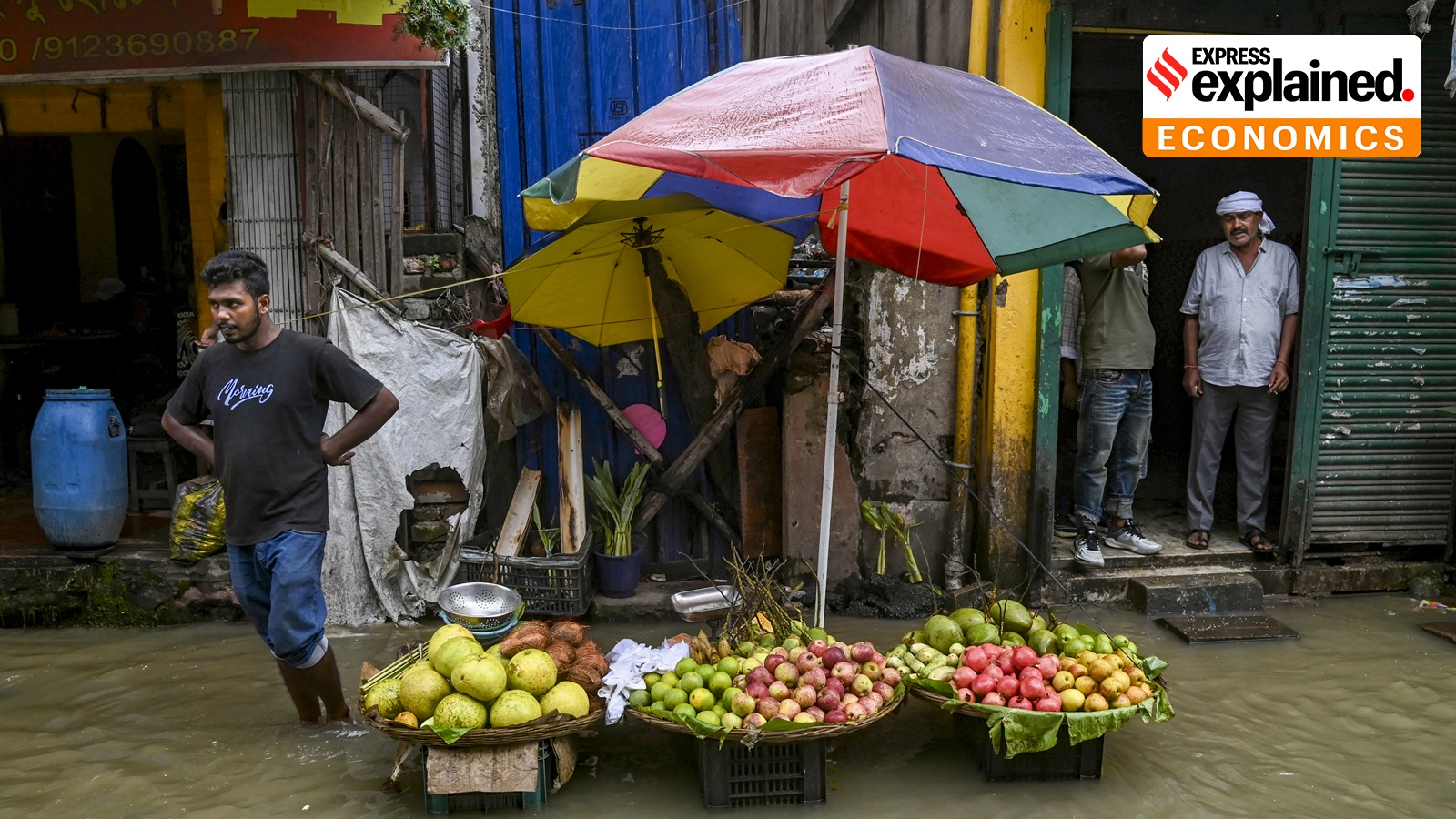
Erratic Monsoon and El Niño May Keep Food Prices Elevated
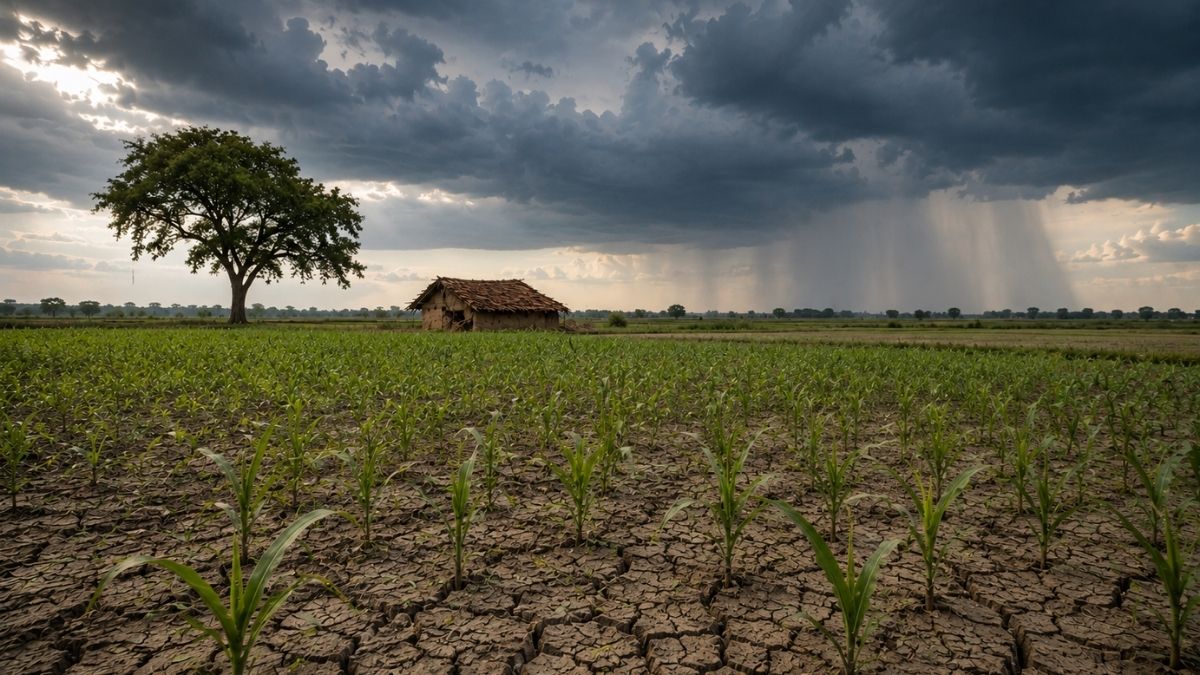
India’s Monsoon Faces 15% Deficit as El Niño Strengthens
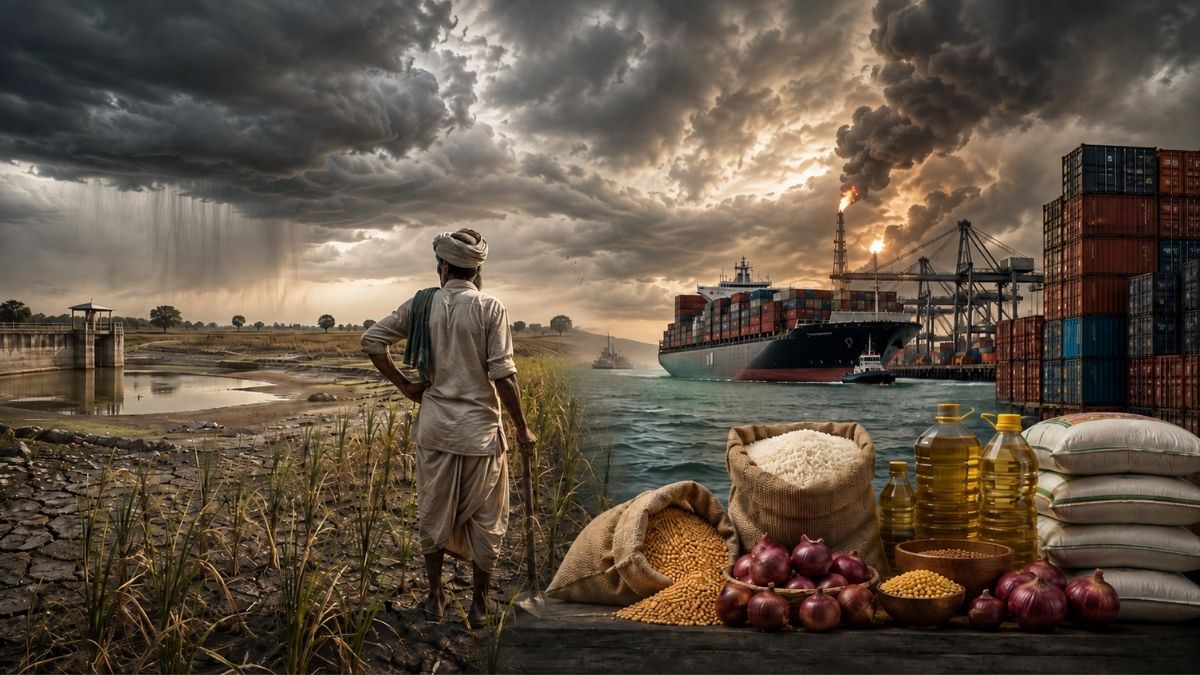
India Faces Double Squeeze on Food Prices

Below-normal September rains threaten crops, inflation and rural demand
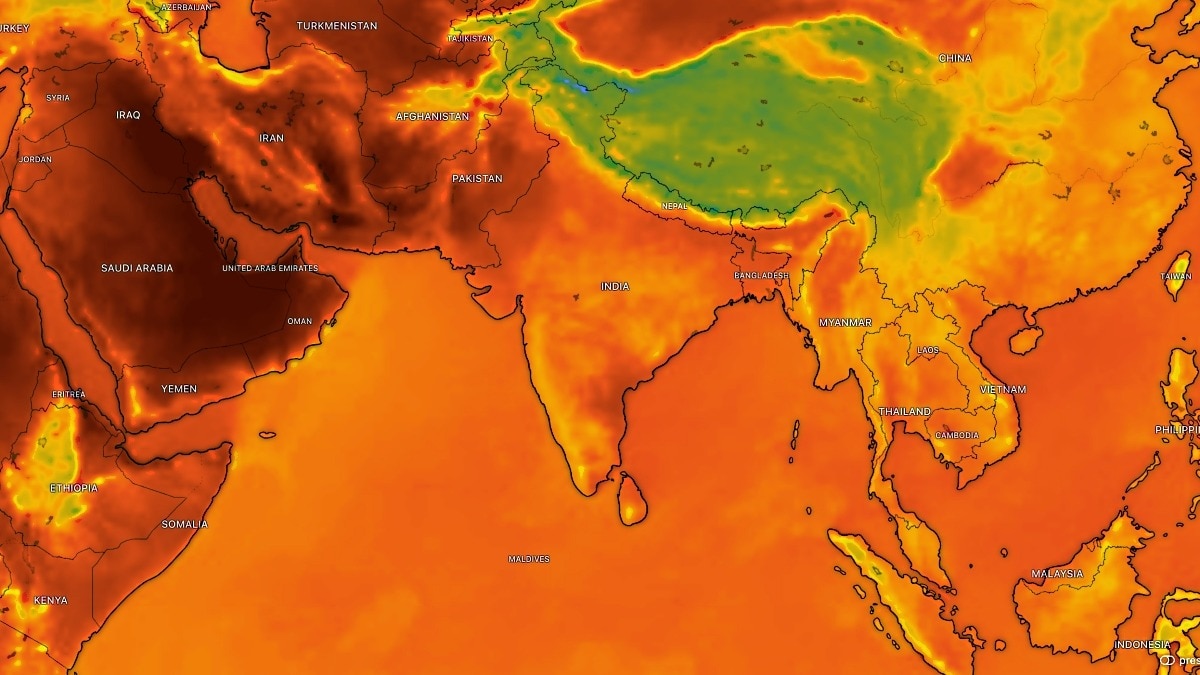
El Niño Threatens India’s September Rainfall After Hottest August
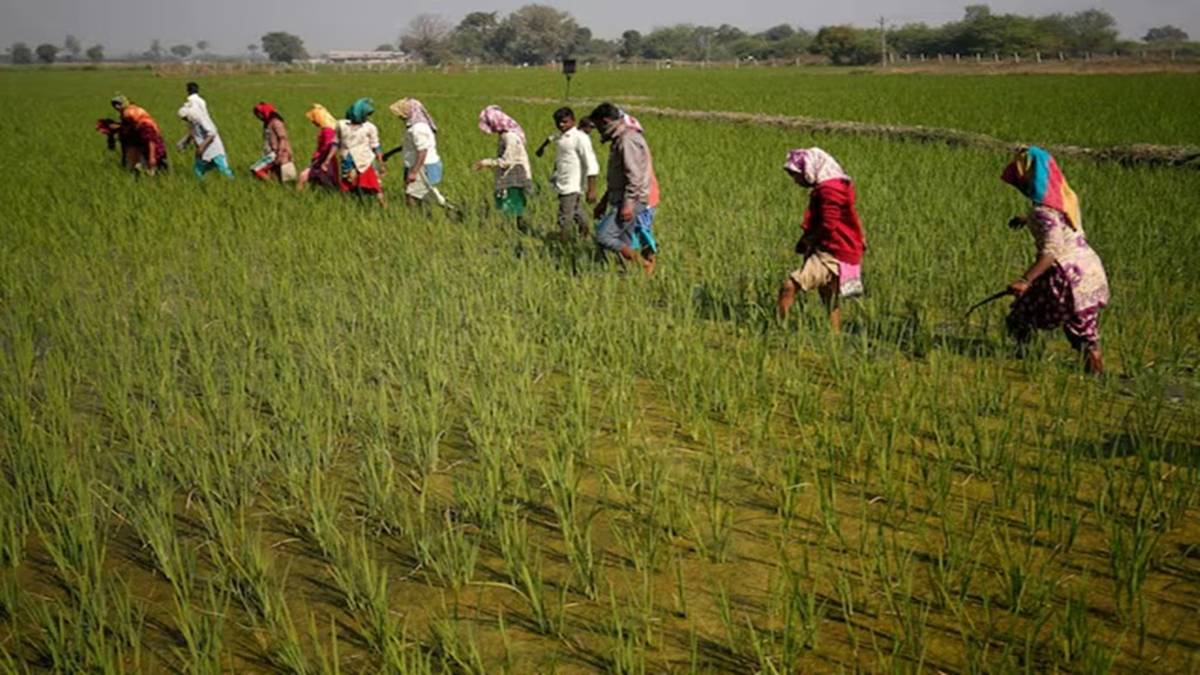
El Niño and Fertiliser Risks Threaten India’s 2027 Food Outlook
Indian Rice Exporters Pursue Turkey, Jordan Beyond Traditional Markets

Europe’s Earlier Harvests Expose Rising Climate Risks for Crops

India's Sugar Price Rise Exposes Wider Economic Tensions
