

1 day ago
Erratic Monsoon and El Niño May Keep Food Prices Elevated
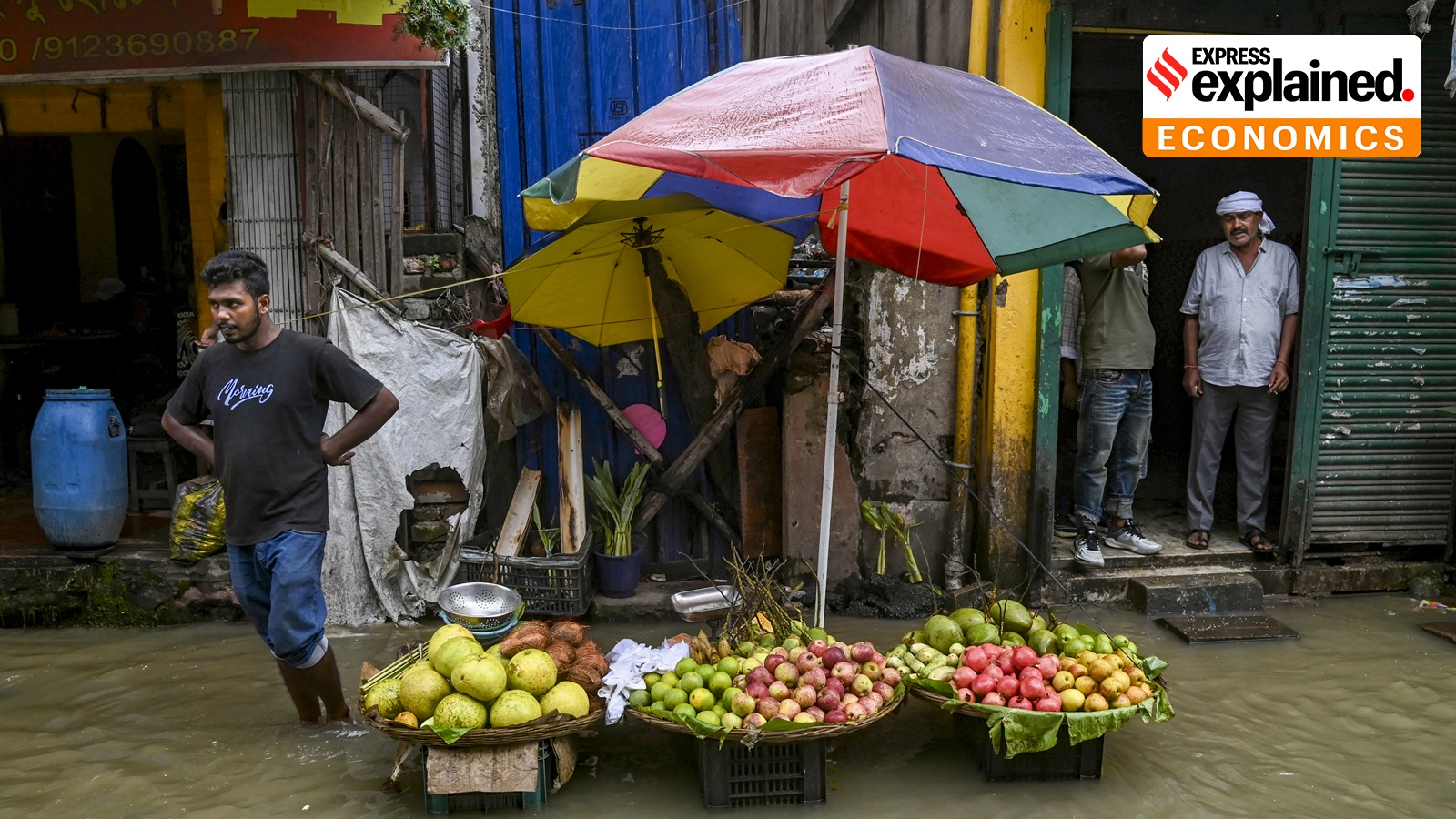
India did not receive enough rain during much of this year’s monsoon season.
Some months had heavy rain, but it was unevenly spread across time and places.
This can make crops grow less well even when the total planted area changes only a little.
Farmers also bought less of several kinds of fertilizer than they did a year earlier.
Prices for maize, pigeon pea and soyabean have already increased in some markets.
A weather pattern called El Niño may continue making India hotter and drier.
That could hurt winter crops such as wheat, mustard, chickpeas, potatoes and onions.
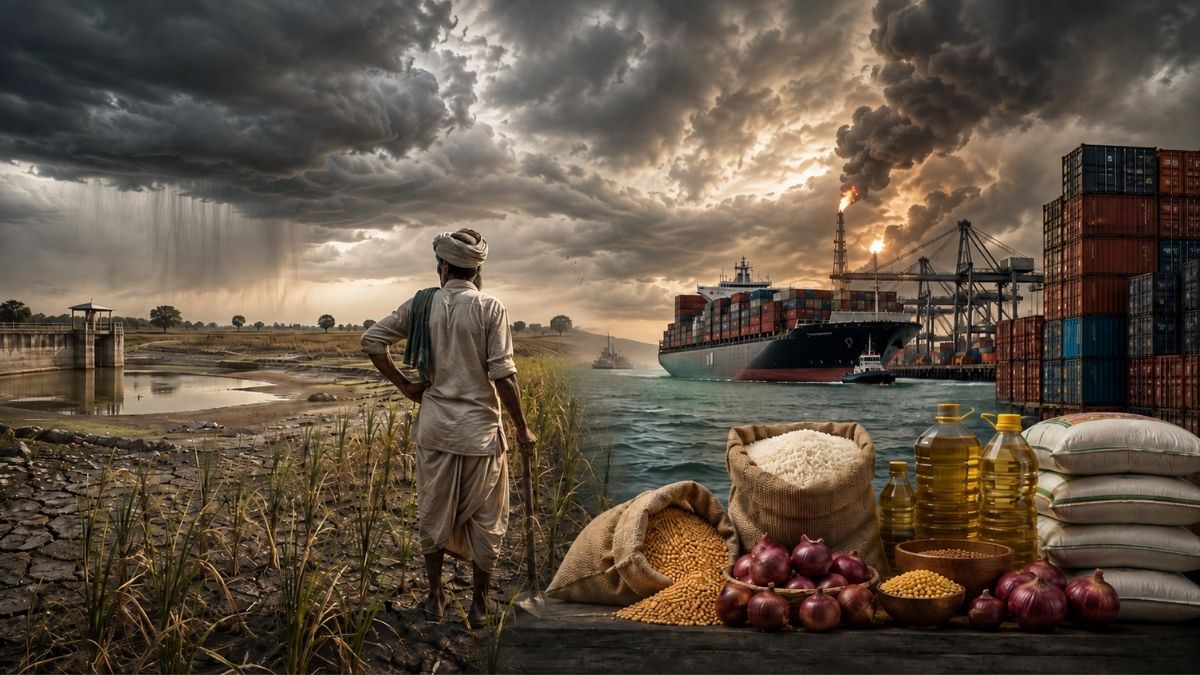
Food prices around the world are also rising because supplies are becoming tighter and shipping is being disrupted.
Together, these problems could make food inflation return and remain high.

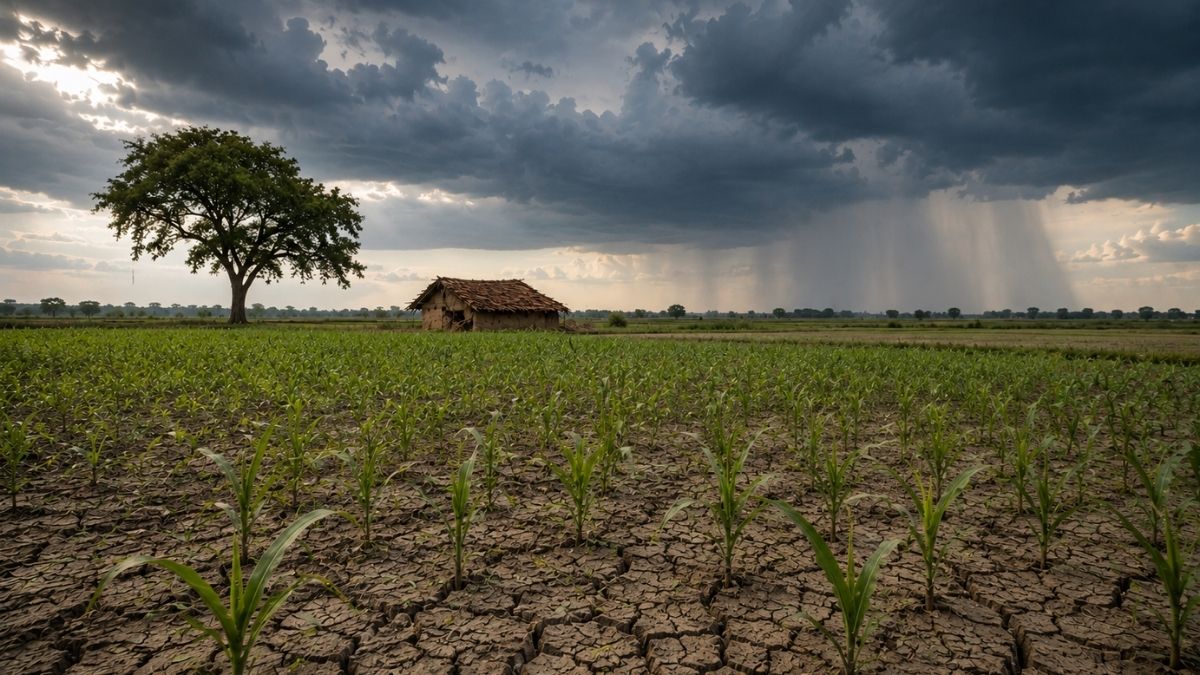
India’s southwest monsoon rainfall was 14.7% below normal through September 13, with 24 of 36 subdivisions recording deficits above 10%.
Kharif crop planting was only 1.6% below the comparable acreage reported for 2025, but lower fertilizer sales indicate possible weakness in farm activity.
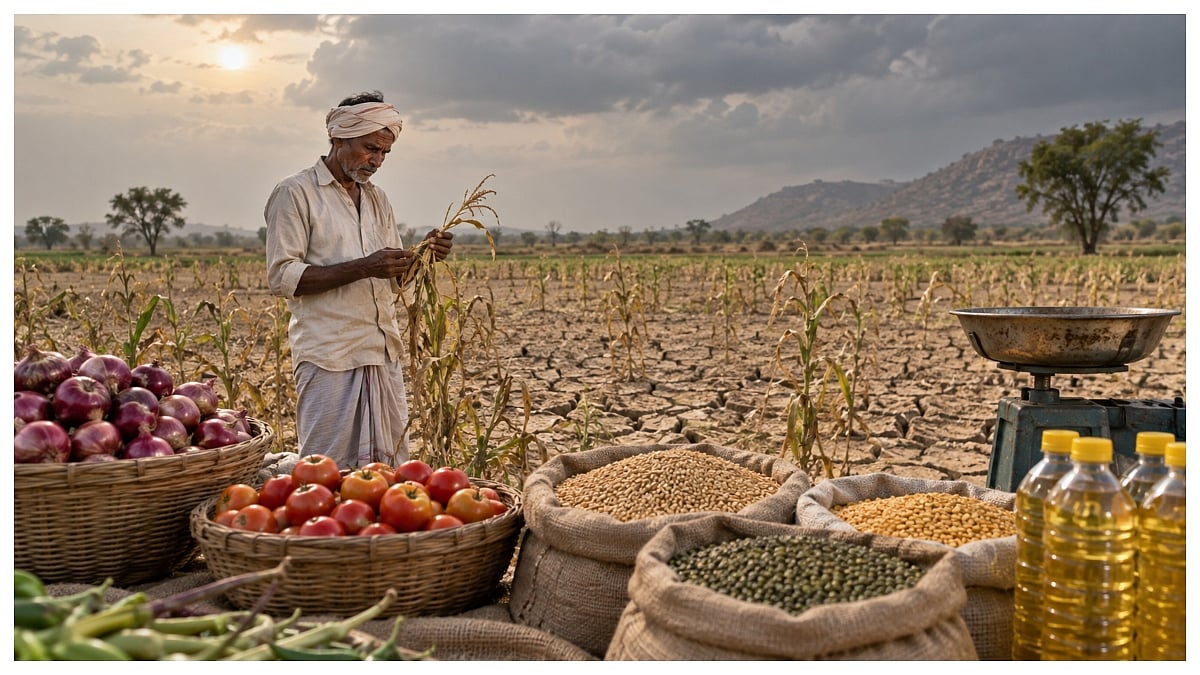
Prices for maize, pigeon pea and soyabean have risen sharply in the cited Indian wholesale markets compared with last year.
A strong El Niño is expected to continue into 2027, potentially reducing rainfall and raising temperatures during the upcoming rabi season.
Global food prices are also facing pressure from lower stocks, disrupted trade logistics and higher vegetable-oil and cereal prices.
- Who
- Indian farmers, traders, consumers and agricultural markets are affected, with forecasts from the United States Department of Agriculture, the National Oceanic and Atmospheric Administration and the Food and Agriculture Organization of the United Nations.
- What
- A deficient and uneven monsoon, a continuing strong El Niño and tightening global food markets could push Indian food prices higher and keep them elevated.
- Where
- The effects are focused on India, particularly southern states and the adjoining Marathwada and Vidarbha regions of Maharashtra; global price pressures are also noted.
- When
- The assessment covers the 2026 monsoon through September 13 and looks ahead to the rabi season and global food markets in the coming months.
- Why
- Below-normal rainfall, reduced moisture transport, possible lower crop yields, declining stocks, disrupted trade logistics and higher international commodity prices are contributing to inflation risks.
Key facts
- Monsoon rainfall
- India’s cumulative southwest monsoon rainfall was 14.7% below the long-period average through September 13.
- Affected subdivisions
- Twenty-four of India’s 36 meteorological subdivisions recorded rainfall deficiencies exceeding 10%.
- Kharif sowing
- Kharif acreage was 1,086.3 lakh hectares as of September 4, 1.6% below the comparable 1,104 lakh hectares in 2025.
- Selected price increase
- Maize in Chhindwara was about Rs 2,625 per quintal versus Rs 2,165 a year earlier; pigeon pea in Akola was Rs 8,600 versus Rs 6,280; soyabean in Dewas was Rs 6,150 versus Rs 4,300.
- El Niño outlook
- The National Oceanic and Atmospheric Administration projected a more than 90% chance of a very strong El Niño developing from September through January.
- Global food prices
- The Food and Agriculture Organization of the United Nations food price index reached 133.3 points in August, its highest level since November 2022.
- International oil prices
- Mumbai landed prices for imported crude palm, soyabean and sunflower oil were above their September 2025 averages.
Sources
Related news
Weak Monsoon and El Niño Threaten India’s Food Prices
India’s Monsoon Faces 15% Deficit as El Niño Strengthens
India Faces Double Squeeze on Food Prices

Below-normal September rains threaten crops, inflation and rural demand
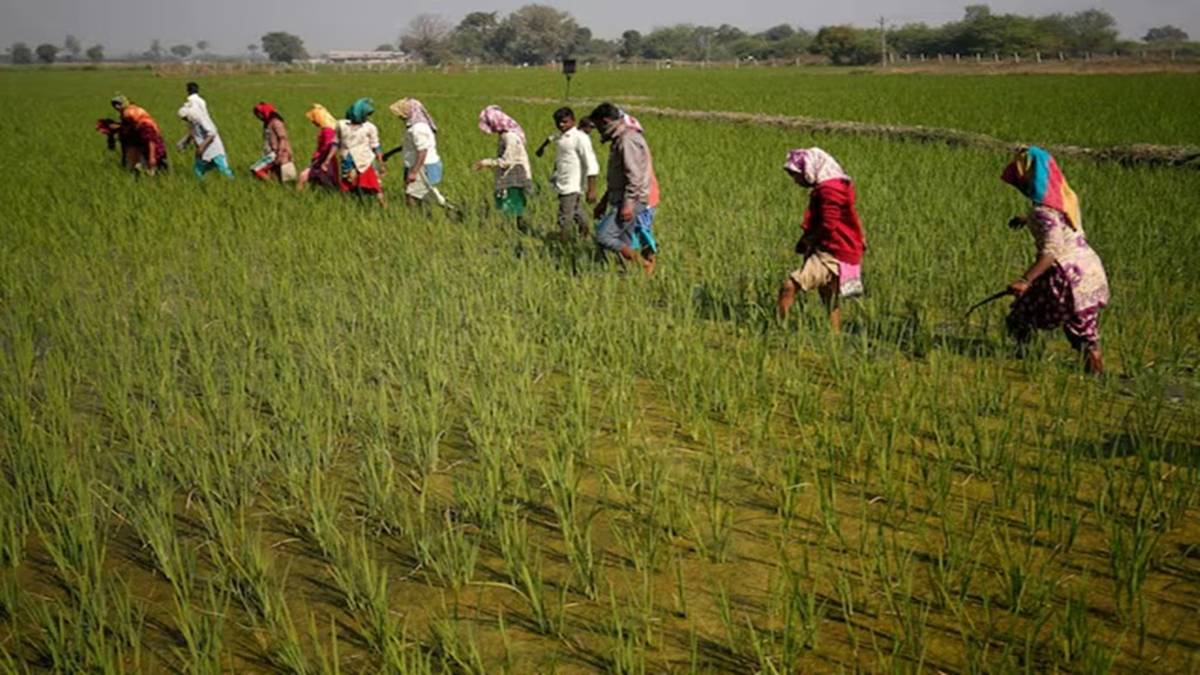
El Niño and Fertiliser Risks Threaten India’s 2027 Food Outlook
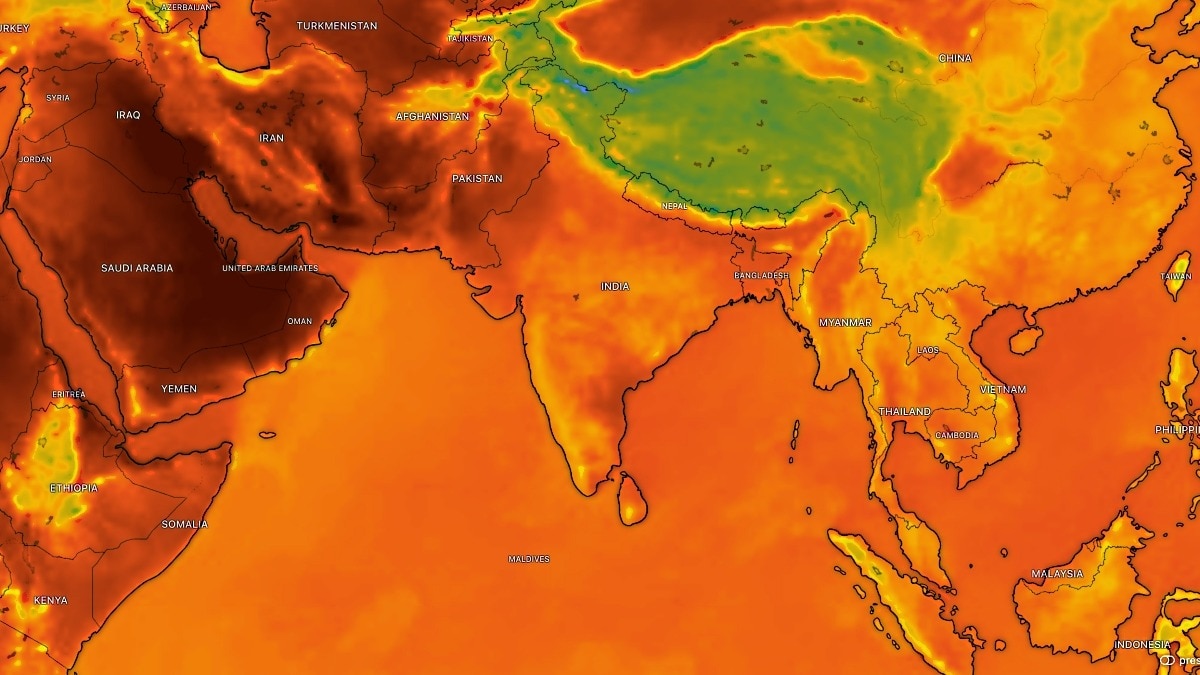
El Niño Threatens India’s September Rainfall After Hottest August
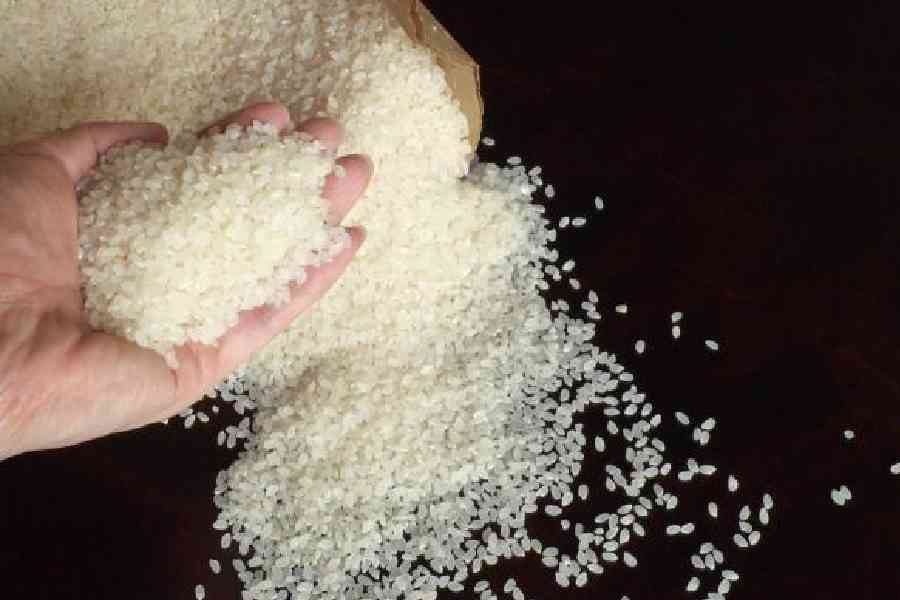
Indian Rice Exporters Pursue Turkey, Jordan Beyond Traditional Markets

Europe’s Earlier Harvests Expose Rising Climate Risks for Crops

India's Sugar Price Rise Exposes Wider Economic Tensions
