2 weeks ago
El Niño and Fertiliser Risks Threaten India’s 2027 Food Outlook
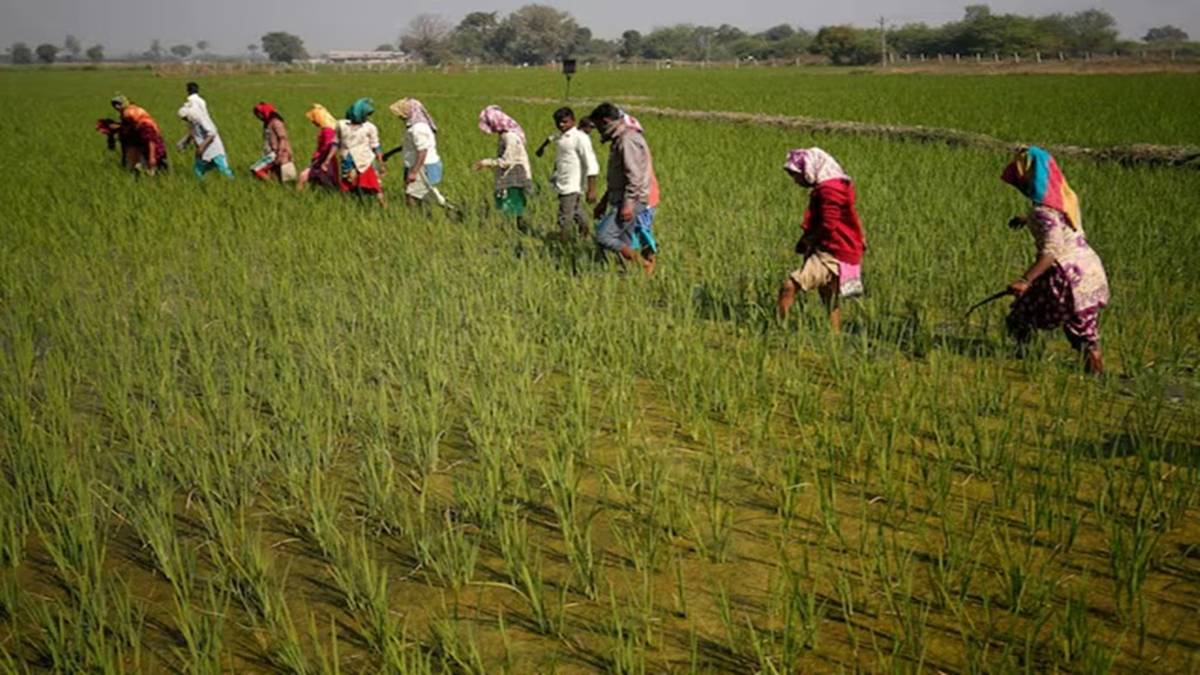
Experts are warning that food could become more expensive around the world in 2027.
A strong El Niño can cause droughts, floods, and very hot weather, which may damage crops.
The World Food Programme says millions more people could face serious hunger.
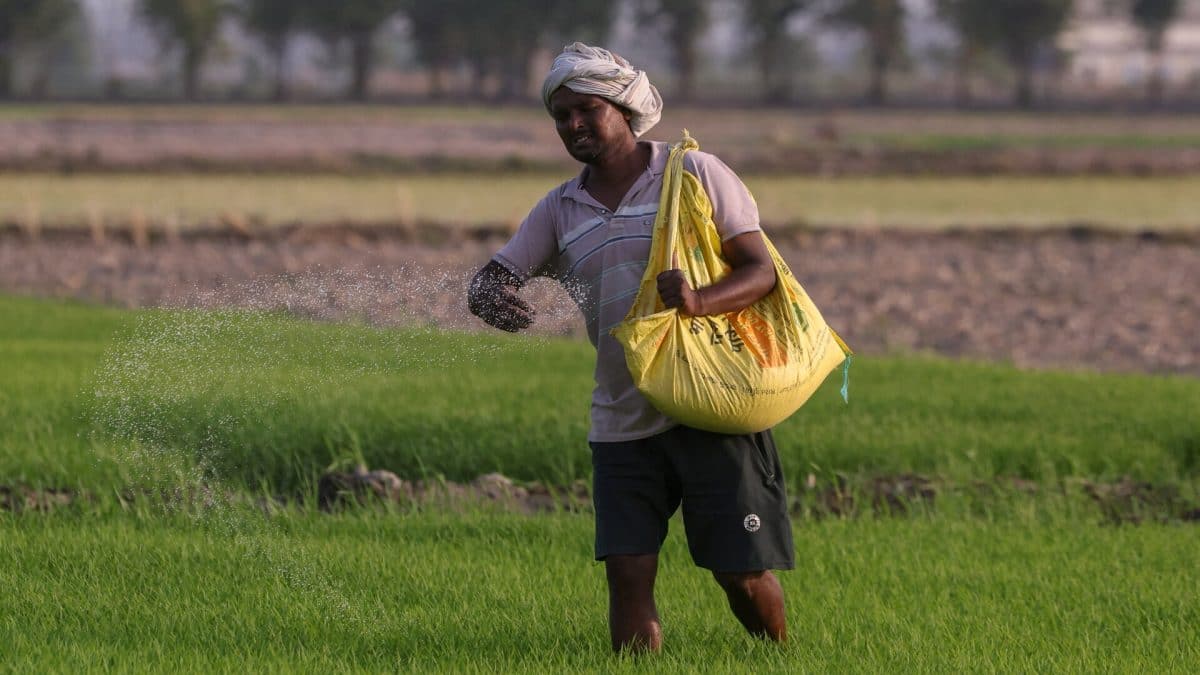
Fertiliser shortages could make the problem worse because farmers need fertiliser to grow healthy crops.
Conflict and problems around the Strait of Hormuz have disrupted some fertiliser shipments.
India imports part of the fertiliser it needs and is spending heavily to keep supplies affordable for farmers.
India has reported large fertiliser stocks, but the subsidy bill may become much higher.
Less rain has already delayed some crop planting and reduced paddy sowing.
However, India’s agriculture minister said the overall impact on this year’s harvest is not expected to be very large.
Forecasts differ on how strong the coming El Niño will be, so the final effects remain uncertain.

Fertiliser prices are projected to rise 26% and global food prices 8% amid supply disruptions and geopolitical tensions.
A powerful El Niño could push 49 million additional people into acute food insecurity by the end of 2027.
India Ratings & Research projects India’s FY27 GDP growth at 6.8%, down from 7.6% the previous year.
India’s fertiliser stocks reportedly stood near 20 million tonnes in late May, while its subsidy bill could reach Rs 3.4 lakh crore.
India’s monsoon deficit and lower paddy sowing have raised concerns, although Agriculture Minister Shivraj Singh Chouhan said overall crop conditions remain good.
- Who
- India, global farmers and food-insecure populations, along with the World Food Programme, World Trade Organization and forecasting agencies.
- What
- Forecasts warn that a strong El Niño, fertiliser shortages and geopolitical disruptions could raise food prices, worsen hunger and slow India’s economic growth.
- Where
- The risks are global, with particular concerns for vulnerable countries in Asia and the Pacific, Africa and India.
- When
- The main risks are expected during 2026 and 2027; El Niño is forecast to peak between September and December 2026, with effects potentially continuing through 2027.
- Why
- Extreme weather could damage harvests, while fertiliser supply disruptions, higher energy and transport costs, conflict and expensive agricultural inputs could reduce production and raise prices.
Risk Warnings
More Reassuring Assessments
El Niño’s agricultural impact
Risk Warnings
The World Food Programme and NOAA warn that a powerful El Niño could bring drought, flooding and extreme temperatures, affecting harvests into 2027.
More Reassuring Assessments
Shivraj Singh Chouhan said El Niño’s effect on this year’s kharif production was unlikely to be significant and that rainfall had generally met crop water needs.
Fertiliser availability in India
Risk Warnings
Global trade disruptions and higher prices could increase India’s import costs and push its fertiliser subsidy bill above Rs 3 lakh crore if the crisis persists.
More Reassuring Assessments
Indian officials said the country had nearly 20 million tonnes of fertiliser stocks, and that imports are arranged in advance to meet gaps between domestic demand and production.
India’s economic outlook
Risk Warnings
India Ratings & Research expects growth to slow to 6.8% in FY27 because of food and fuel inflation, currency weakness, conflict-related uncertainty and El Niño risks.
More Reassuring Assessments
Lower crude oil prices could reduce India’s trade and current-account deficits, although the report cautioned that higher food inflation could limit this benefit.
Key facts
- Projected food-price increase
- 8%, according to the July World Economic Outlook report cited in the article.
- Projected fertiliser-price increase
- 26%.
- Additional people facing acute food insecurity
- Nearly 49 million by the end of 2027, according to World Food Programme analysis.
- Projected total acute food insecurity
- 274 million people across 45 vulnerable countries.
- India FY27 GDP forecast
- 6.8% from India Ratings & Research, compared with 7.6% real growth the previous year.
- India fertiliser stocks
- Officials reported almost 20 million tonnes at the end of May.
- Possible Indian fertiliser subsidy bill
- Up to Rs 3.4 lakh crore during the fiscal year, amid global uncertainty.
- India monsoon and paddy data
- The monsoon was 12% below average through August 12, while paddy sowing was reported at 379.07 lakh hectares, down 3.65% year over year.
Quotes
Union Minister Shivraj Singh Chouhan
Indian Union Minister for Agriculture and Farmers’ Welfare
“"The gap between demand (requirement) and production for urea and other fertilisers is met through imports. The import for the season is also finalised well in advance to ensure timely availability."”
 financialexpress.com
“"We don’t see a huge impact of El Niño except in some places. The situation by and large remains good. Rainfall was sufficient to meet the full water needs of the crops."”
financialexpress.com

World Food Programme (WFP)
International organization monitoring global food security
“"El Niño is expected to peak between September and December 2026, but in many locations the effects will be felt throughout 2027, due to impacts on future harvest cycles."”
financialexpress.com
Sources
Related news

India Ratings Raises FY27 Growth Forecast Amid Economic Risks
India's weak monsoon may add to global food inflation
India's FY27 Outlook: Food Inflation, FCNR Inflows and AI Risks

India GDP Growth May Slow to 6.8% in FY27: Report
India Faces Double Squeeze on Food Prices

Saudi Arabia Says Iranian Tanker Attack Killed Two Sailors
U.S.-Iran Exchange Escalates Across Middle East, Markets Slide

Trump Aides Seek Quiet Iran War Before Midterm Elections

US Warns Middle East Travelers Amid Escalating Iran-Linked Tensions

Indian Stocks Slide as Oil, Conflict and Yields Rise