1 day ago
El Niño Threatens India’s September Rainfall After Hottest August
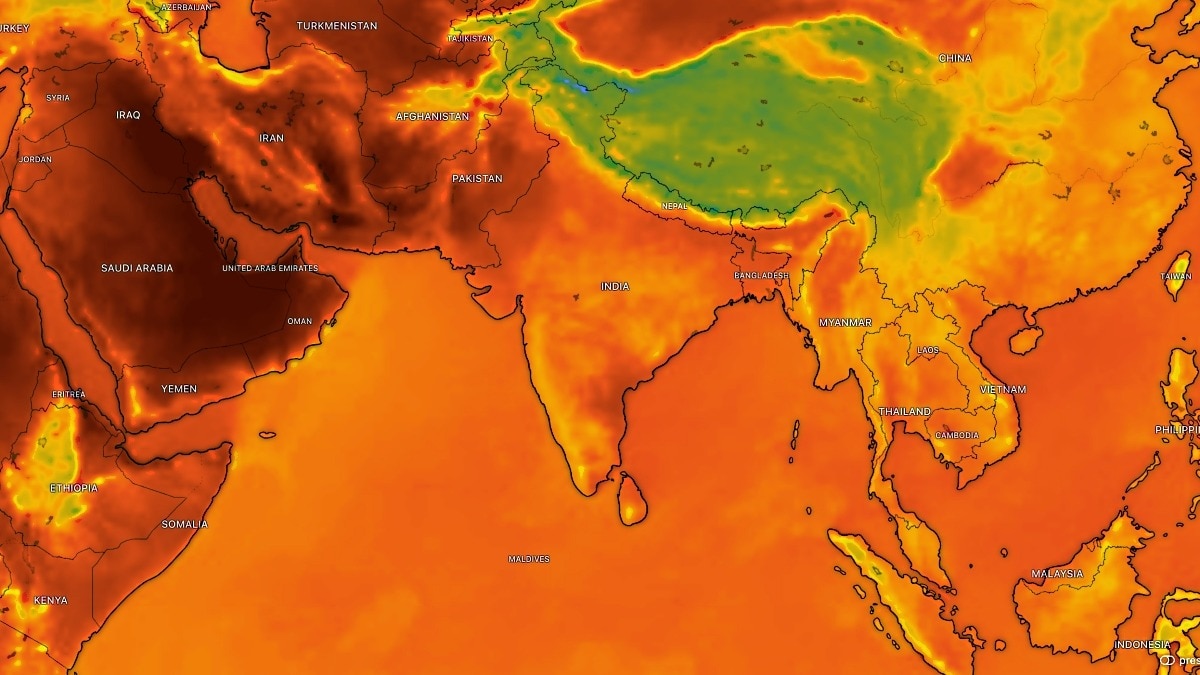
India’s weather office says a climate pattern called El Niño is becoming stronger.
El Niño can change rainfall around the world.
It is often linked with weaker monsoon rainfall in India.
The weather office expects India to receive less rain than usual in September.
August already had about 16% less rain than normal.
August 2026 was also the hottest August in India since records began in 1901.
Less rain and more heat could make it harder for crops to grow.
Some regions may still receive normal or above-normal rainfall.

The India Meteorological Department said El Niño conditions have strengthened and may intensify further in the coming months.
India’s September rainfall is forecast to be below normal, at less than 91% of the long-period average.
The forecast follows rainfall that was about 16% below normal in August.
August 2026 was India’s hottest August since records began in 1901, according to the IMD.
Reduced rainfall and high temperatures could affect kharif crops, soil moisture, reservoirs and winter-crop sowing.
- Who
- The India Meteorological Department and Indian farmers are central to the assessment.
- What
- The IMD forecast below-normal September rainfall as El Niño strengthens after a weak and exceptionally hot August.
- Where
- Across India, with rainfall expected to vary considerably by region; El Niño conditions are present over the equatorial Pacific Ocean.
- When
- The assessment concerns August 2026 and the September rainfall outlook during the final month of the southwest monsoon season.
- Why
- The IMD linked strengthening El Niño conditions to weaker rainfall risks, while reduced rain and high temperatures could affect crops, water demand and soil moisture.
Key facts
- September rainfall forecast
- Below normal, at less than 91% of the long-period average
- Normal September rainfall
- About 167.9 millimetres across India
- August rainfall
- Around 16% below normal
- August temperature record
- August 2026 was India’s hottest August since 1901
- Climate pattern
- El Niño conditions over the equatorial Pacific Ocean have strengthened
- Potentially affected crops
- Soybean, cotton, maize and pulses
- Winter crops at risk
- Wheat, chickpea and rapeseed sowing could face difficulties if soil moisture is inadequate
Sources
Related news

IMD Warns September Rainfall Will Remain Below Normal

IMD Warns of Dry September as India’s Monsoon Weakens
India’s Monsoon Faces 15% Deficit as El Niño Strengthens

India’s Hottest August Since 1901, September Rainfall Forecast Below Normal

Below-normal September rains threaten crops, inflation and rural demand
IMD Forecasts Below-Normal September Rainfall for Andhra Pradesh
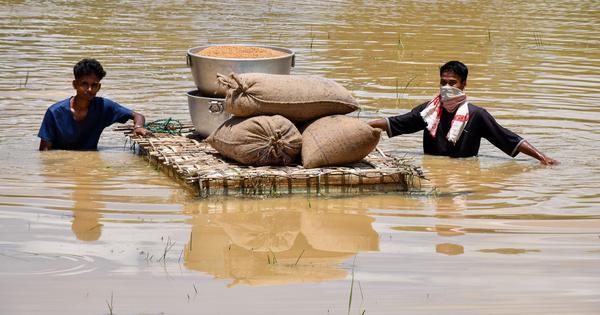
Super El Niño May Bring India Drier, More Dangerous Monsoons
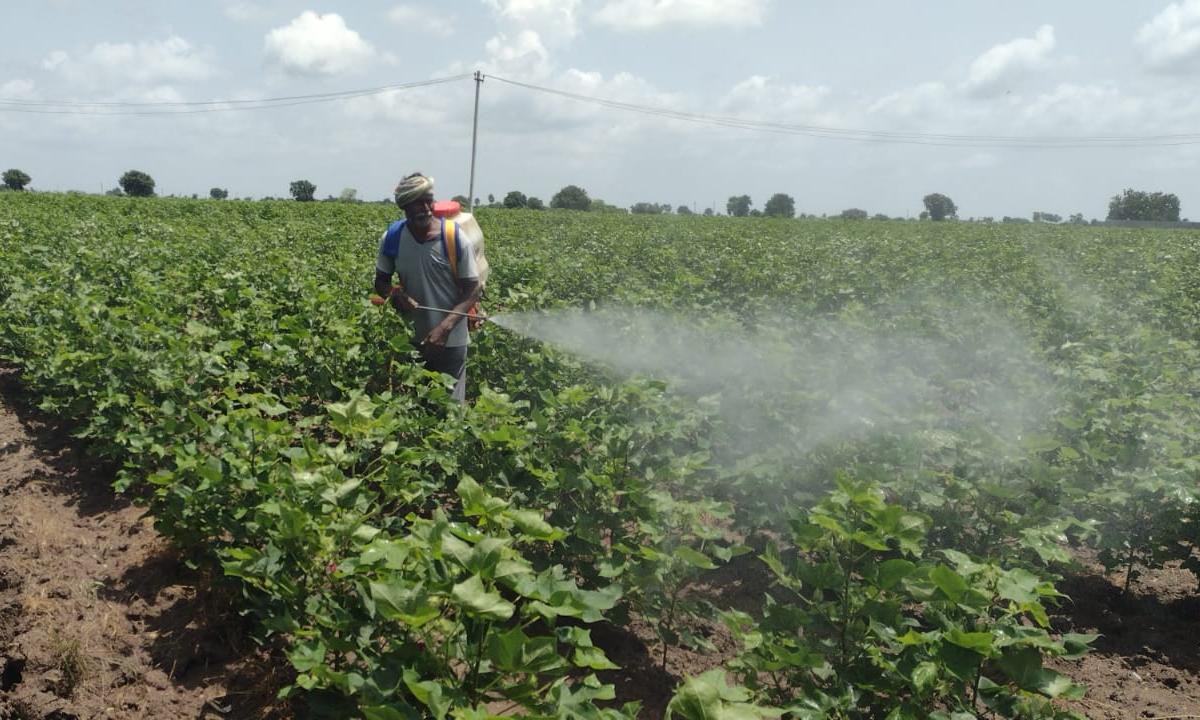
Dry Spell Threatens Cotton Yields Across Karimnagar District

El Nino Raises Drought Risk in Andhra Pradesh, Minister Warns

Indonesian Fires Trigger Regional Haze Alerts, School Closures
Grand Canyon Flash Flood Kills Two, Leaves More Missing