2 days ago
Below-normal September rains threaten crops, inflation and rural demand

India’s weather department expects less rain than usual in September.
This is worrying because farmers need rain to grow crops.
June and August were already much drier than normal, although July had slightly more rain than usual.
Crops such as rice, pulses and oilseeds may be especially affected.
Less rain could also make vegetables and cooking oils more expensive.
Farmers may earn less money, which could reduce spending in villages.
The country’s rice and maize planting areas were already smaller than last year by August 28.
A weather pattern called El Niño is making dry conditions more likely, so officials are asking people to save water and prepare for farming problems.

The India Meteorological Department forecasts September rainfall below 91% of its 1971-2020 long-period average of 167.9 mm.
India’s cumulative rainfall from June 1 to August 31 was 13.8% below normal, after deficient June and August rainfall.
Weak September rains could hurt rainfed kharif crops, delay rabi preparations, raise food inflation and weaken rural demand.
Kharif crop coverage reached 107.1 million hectares by August 28, down from 109 million hectares a year earlier, with rice and maize sowing declining.
The IMD linked the outlook to strengthening El Niño conditions and urged water conservation, resource management and agricultural contingency planning.
- Who
- The India Meteorological Department, farmers, agricultural experts, the Reserve Bank of India and government agencies are involved.
- What
- The IMD forecast below-normal September rainfall, increasing risks to kharif crops, food prices, water availability and rural demand.
- Where
- The forecast covers India, with normal to above-normal rain expected in parts of northwest, northeast, east, east-central and southeast peninsular India.
- When
- The forecast was issued on Monday for September; crop acreage data cited was recorded as of August 28.
- Why
- Strong El Niño conditions and earlier rainfall deficits are raising concerns about soil moisture, crop yields, food inflation and farm incomes.
Key facts
- September rainfall forecast
- Below 91% of the long-period average, whose September benchmark is 167.9 mm.
- Rainfall through August
- Cumulative rainfall from June 1 to August 31 was 603.7 mm, or 13.8% below normal.
- Monthly rainfall pattern
- June was 35.4% below normal, July was 1% above normal and August was 16.3% below normal.
- Kharif crop coverage
- Major kharif crops covered 107.1 million hectares by August 28, compared with 109 million hectares a year earlier.
- Rice acreage
- Rice sowing stood at 41.4 million hectares, down from 42.8 million hectares a year earlier.
- Maize acreage
- Maize acreage was 8.99 million hectares, down from 9.38 million hectares a year earlier.
- July retail inflation
- Retail inflation was 4.45%, while food inflation was 5.52%, according to provisional data.
Quotes
Mrutyunjay Mohapatra
Director general of meteorology at the India Meteorological Department
“Currently, strong El Niño conditions are prevailing over the equatorial Pacific Ocean, with sea surface temperature (SST) anomalies remaining above normal across the central and eastern equatorial Pacific. These conditions are expected to strengthen further in the coming months.”
 livemint.com
“If September rainfall stays weak, the stress will be felt most in rainfed agriculture, particularly paddy, pulses, and oilseeds, where moisture availability is critical for the grain-filling stage.”
livemint.com
Sources
Related news

IMD Warns of Dry September as India’s Monsoon Weakens

IMD Warns September Rainfall Will Remain Below Normal
El Niño Threatens India’s September Rainfall After Hottest August
India’s Monsoon Faces 15% Deficit as El Niño Strengthens
IMD Forecasts Below-Normal September Rainfall for Andhra Pradesh

India’s Hottest August Since 1901, September Rainfall Forecast Below Normal
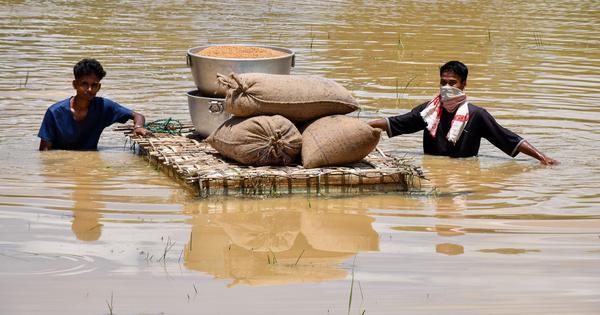
Super El Niño May Bring India Drier, More Dangerous Monsoons
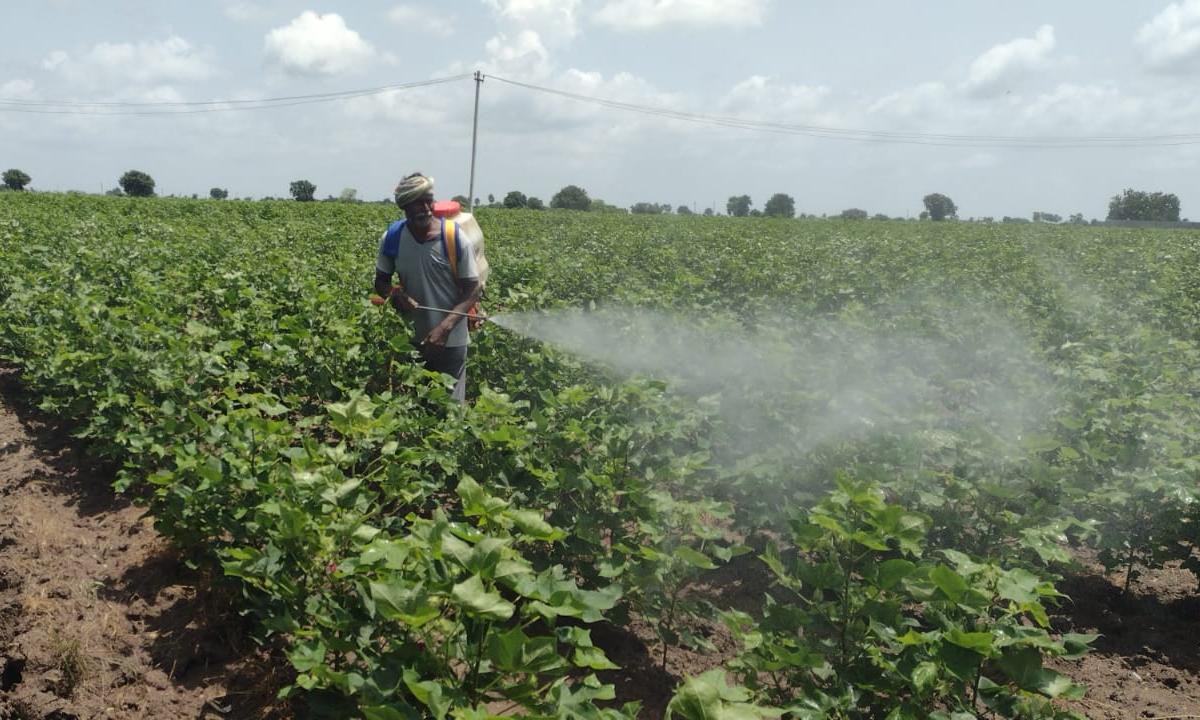
Dry Spell Threatens Cotton Yields Across Karimnagar District

El Nino Raises Drought Risk in Andhra Pradesh, Minister Warns

Indonesian Fires Trigger Regional Haze Alerts, School Closures
Grand Canyon Flash Flood Kills Two, Leaves More Missing