

1 hr ago
Europe’s Earlier Harvests Expose Rising Climate Risks for Crops
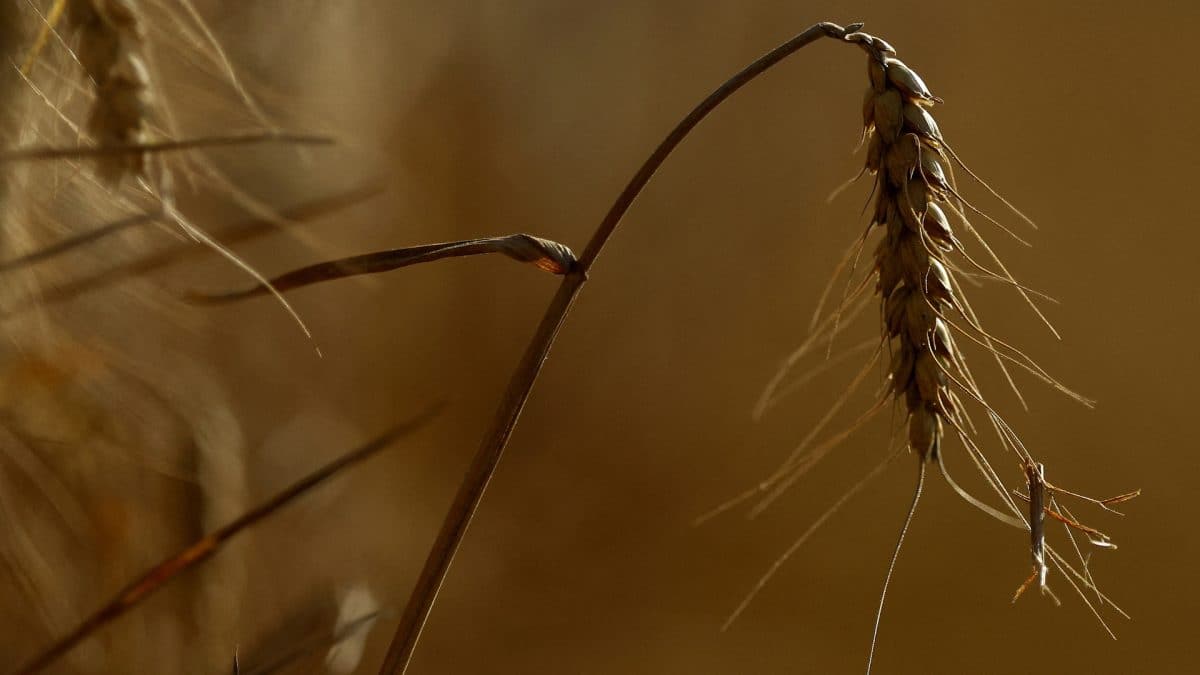
Crops in Europe are becoming ready to harvest earlier than they were years ago.
In some places, wheat is ready in July instead of August, and maize harvesting is moving toward early September.
Warmer weather makes plants grow through their stages faster.
But plants also need enough water and suitable temperatures to produce a large harvest.
Heatwaves and drought can make crops finish growing before they have produced as much grain.
France’s maize crop was especially badly affected this year.
The government expects French grain maize production to fall by 35%, while some analysts expect an even bigger drop.
Earlier harvesting can sometimes help farmers, but it does not always mean more food.
The changing calendar makes farming less predictable and could affect food supplies and prices.

Winter wheat matured up to 20 days earlier in parts of the European Union in 2026 than in 2000.
Rising temperatures accelerate crop development by helping plants accumulate heat units faster.
Earlier maturity can reduce yields when heat and drought strike during critical growth stages.
Only 27% of France’s grain maize was rated good or excellent on August 31, the lowest comparable level since 2011.
France’s agriculture ministry forecasts a 35% annual drop in grain maize production, while analysts expect a decline of around half.
- Who
- European farmers and producers of wheat, maize, rapeseed and other crops, with effects on European agricultural markets.
- What
- Crops are reaching maturity and harvest earlier, while heat and drought are threatening yields.
- Where
- Across Europe, including parts of the European Union, Bavaria’s Upper Franconia region and France.
- When
- The change was measured in 2026 compared with 2000; France’s maize condition was assessed on August 31.
- Why
- Rising temperatures make crops accumulate heat units faster, while heatwaves and drought can restrict water and reduce yields.
Potential Benefits
Climate Risks
Earlier crop development
Potential Benefits
Warmer conditions can speed plant development and, for some crops and regions, extend the period in which crops can be grown.
Climate Risks
Faster development can shorten the time plants have to build yields, particularly when heat and drought occur during critical stages.
Earlier harvests
Potential Benefits
Harvesting wheat or maize earlier may help farmers complete fieldwork sooner and adapt to shifting seasonal conditions.
Climate Risks
An earlier harvest is not necessarily beneficial if crops mature with less grain because of water shortages or extreme heat.
Agricultural supply
Potential Benefits
Some regions may benefit from warmer conditions and maintain production despite the changing calendar.
Climate Risks
Lower output in major producing regions can reduce exports, affect livestock feed and biofuels, and increase concerns about food supplies and prices.
Key facts
- Winter wheat shift
- Maturity occurred up to 20 days earlier in some parts of the European Union in 2026 than in 2000.
- Harvest timing
- Some farmers now harvest wheat in late July rather than August and maize near the beginning of September rather than mid-September.
- French maize condition
- FranceAgriMer estimated that 27% of France’s grain maize was in good or excellent condition on August 31.
- Condition record
- The 27% figure was the lowest comparable level recorded by FranceAgriMer since 2011.
- Government production forecast
- France’s agriculture ministry forecast a 35% fall in grain maize production from the previous year.
- Analyst estimate
- Analysts cited by Reuters expected a decline of around half, potentially producing France’s lowest output since 1976.
- Global food prices
- The UN Food and Agriculture Organization said global food prices reached their highest level since late 2022 in August.
Quotes
Sebastien Poncelet
Senior analyst at Argus
“Some crops that are harvested later and whose critical growth stages coincide with spring and summer droughts face significant difficulties.”
 firstpost.com
“plant development is largely driven by the accumulation of heat units needed to move from one physiological stage to another.”
firstpost.com
Sources
Related news

Punishing European Drought Shrivels Crops, Hits Farmers Across Continent

Europe’s Scorching Summer Damages Farms and Raises Food Prices
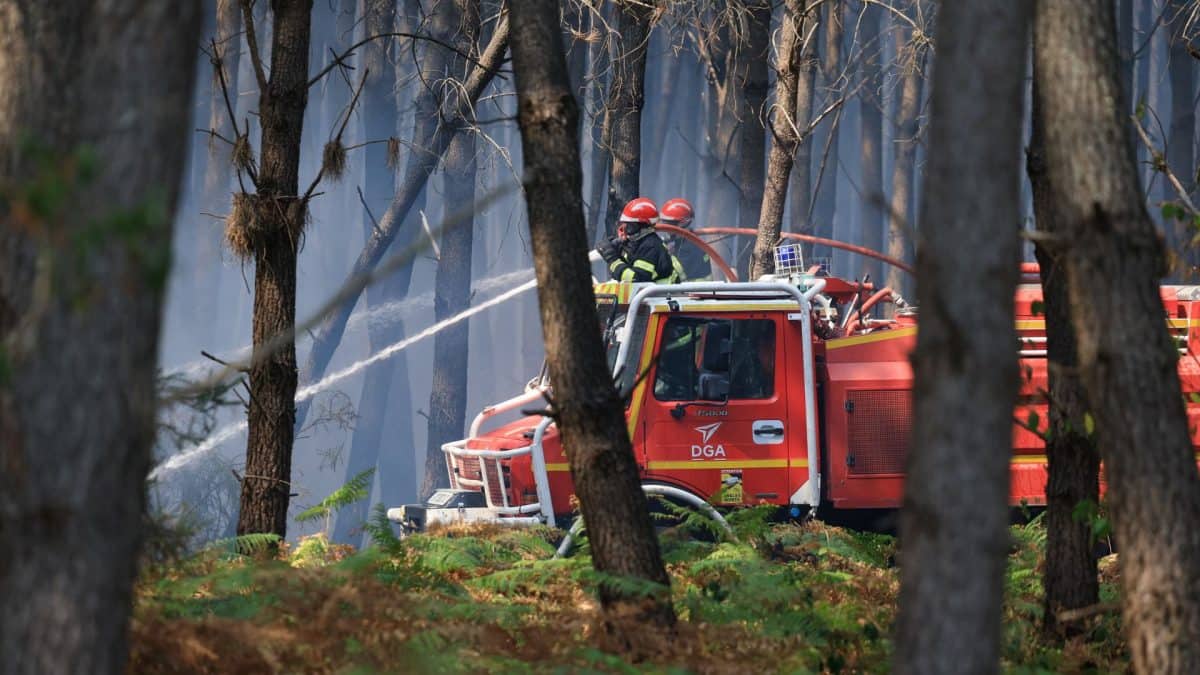
Europe's 2026 summer: burning, drying out, struggling to adapt
War and Weather Push Up Global Food Prices
World Food Prices Hit Highest Since 2022 Amid Supply Risks

Corn Futures Jump After USDA Cuts Yield More Than Expected

Lavrov Says Russia-Ukraine War Must End Without Nazism

Jaipur Robotics Raises €4.3 Million, Plans India Expansion
India Fills Europe’s Diesel Gap as Russian Supplies Falter

Super El Niño Raises UK Food Security Concerns
