3 days ago
India Faces Double Squeeze on Food Prices
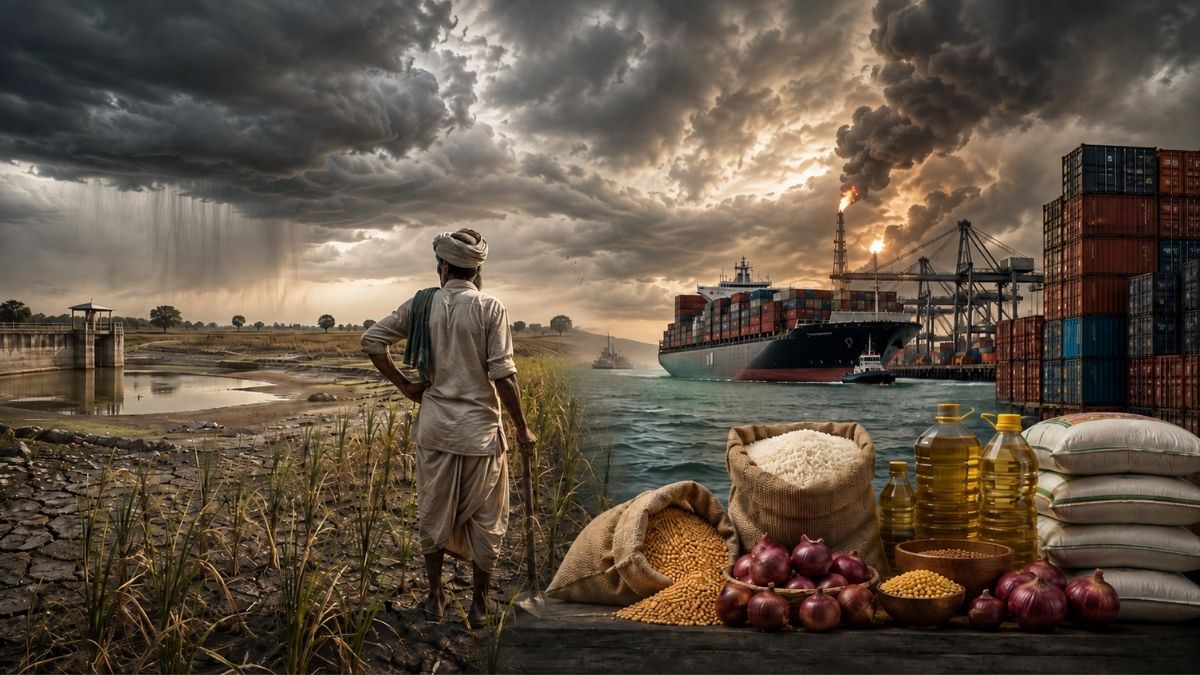
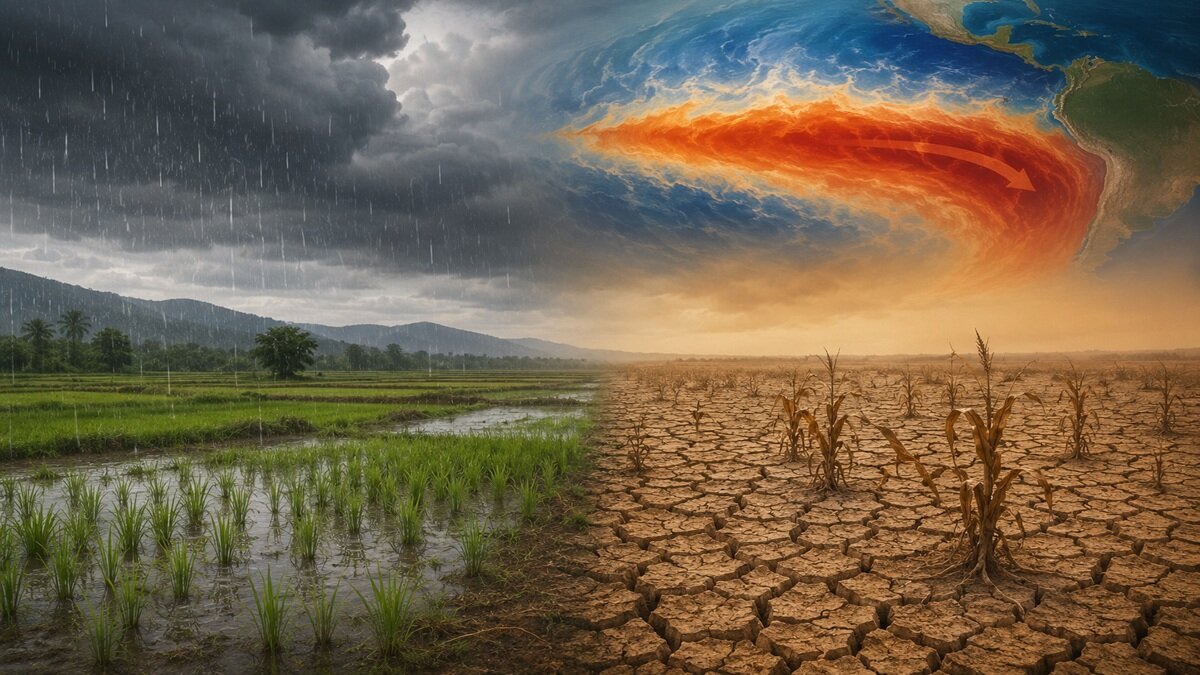
India needs enough rain to grow food for its people.
This year, the monsoon has been weaker than usual in many places.
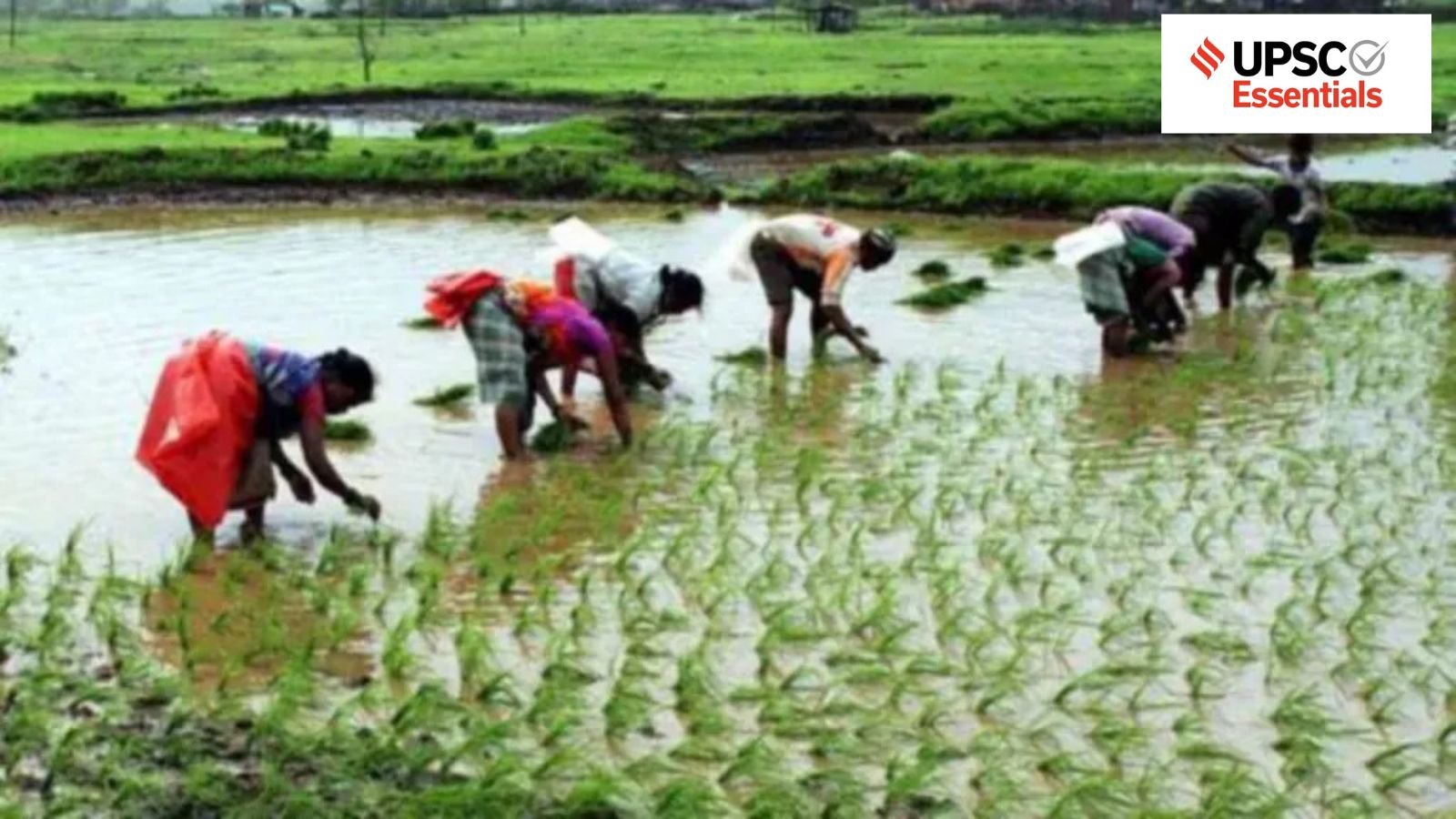
Farmers planted slightly less rice and coarse cereals, while pulse planting increased.
Low reservoir levels could also make it harder to grow winter crops later.
Some farms have irrigation to provide extra water, but others depend mostly on rain.
At the same time, conflict and shipping problems in West Asia have made fertilizer and some imported food products more expensive.
The government says India has enough fertilizer, but protecting farmers from higher costs may require more subsidies.
Food prices have risen, but the articles say there is not yet a full inflation crisis.

Food and beverages inflation was estimated to rise to 5.7% in August from 5.2% in July.
Southwest monsoon rainfall was 13% below average by August 28, with 42% of India’s area receiving deficient rainfall.
Kharif sowing was down 1.8% year-on-year, including declines in rice and coarse-cereal acreage.
Reservoir storage stood at 67.8% of usable capacity, 12% below last year and about 4% below the 10-year average.
West Asia-related disruptions have raised fertilizer, shipping and import costs, though the government says fertilizer inventories remain adequate.
- Who
- Indian farmers, consumers, the government, and food and agricultural markets are affected.
- What
- Weak monsoon rainfall, low reservoir levels and costlier global inputs are increasing risks to India’s food prices.
- Where
- India, especially rainfall-affected and less-irrigated farming regions; global supply disruptions are linked to West Asia.
- When
- The assessment covers conditions reported through August 27-29, 2026, with the coming weeks considered important.
- Why
- Reduced rainfall may lower crop yields, while geopolitical disruptions have increased the cost of fertilizers, freight and some imports.
Supply and inflation concerns
Government and market cushions
Impact of weak rainfall
Supply and inflation concerns
A 13% monsoon deficit, deficient rainfall across 42% of India’s area and weaker reservoirs could reduce kharif yields and constrain winter-crop production.
Government and market cushions
Lower acreage does not automatically mean an equivalent production decline; adequate rainfall during critical crop stages could limit the damage.
Fertilizer availability and costs
Supply and inflation concerns
West Asia-related supply-chain disruptions have increased freight, insurance, raw-material and landed fertilizer costs, potentially raising farm or government subsidy costs.
Government and market cushions
The government says fertilizer inventories are adequate and is diversifying suppliers, increasing domestic production and arranging additional imports.
Current inflation outlook
Supply and inflation concerns
Higher protein, edible-oil, prepared-food and sugar prices, combined with weather and import risks, are narrowing the margin for comfort.
Government and market cushions
IDFC FIRST Bank expects headline inflation at 4.9% and vegetable inflation to moderate, indicating that the situation is not yet a food-price spiral.
Key facts
- August food inflation
- Estimated at 5.7%, up from 5.2% in July.
- Headline retail inflation
- Estimated at 4.9%.
- Monsoon rainfall
- 13% below the long-period average as of August 28; August rainfall was 15% below average.
- Kharif sowing
- 1.8% below the previous year as of August 28; rice acreage was down 3.3% and coarse cereals 2.3%.
- Reservoir storage
- 67.8% of usable capacity as of August 27, 12% below the same time last year.
- Fertilizer exposure
- Gulf countries account for roughly 20-30% of India’s urea imports and around 30% of its DAP imports.
- Oilseed irrigation
- Only 32% of oilseed acreage is irrigated, leaving production sensitive to rainfall.
Sources
Related news
India's weak monsoon may add to global food inflation

Below-normal September rains threaten crops, inflation and rural demand

Delayed Monsoon Unlikely to Impact Economy Broadly
India’s Monsoon Faces 15% Deficit as El Niño Strengthens

India's FY27 Outlook: Food Inflation, FCNR Inflows and AI Risks

Scientists Discover New Deep-Sea Skate in Arabian Sea

India Opens Deep-Sea Fishing With New Scientific Safeguards
Historic El Niño to develop by year-end, US agency says
India operationalises three AI-based weather models for accurate forecasts