1 hr ago
Study Finds 11.3 Trillion Tons of Polar Ice Lost
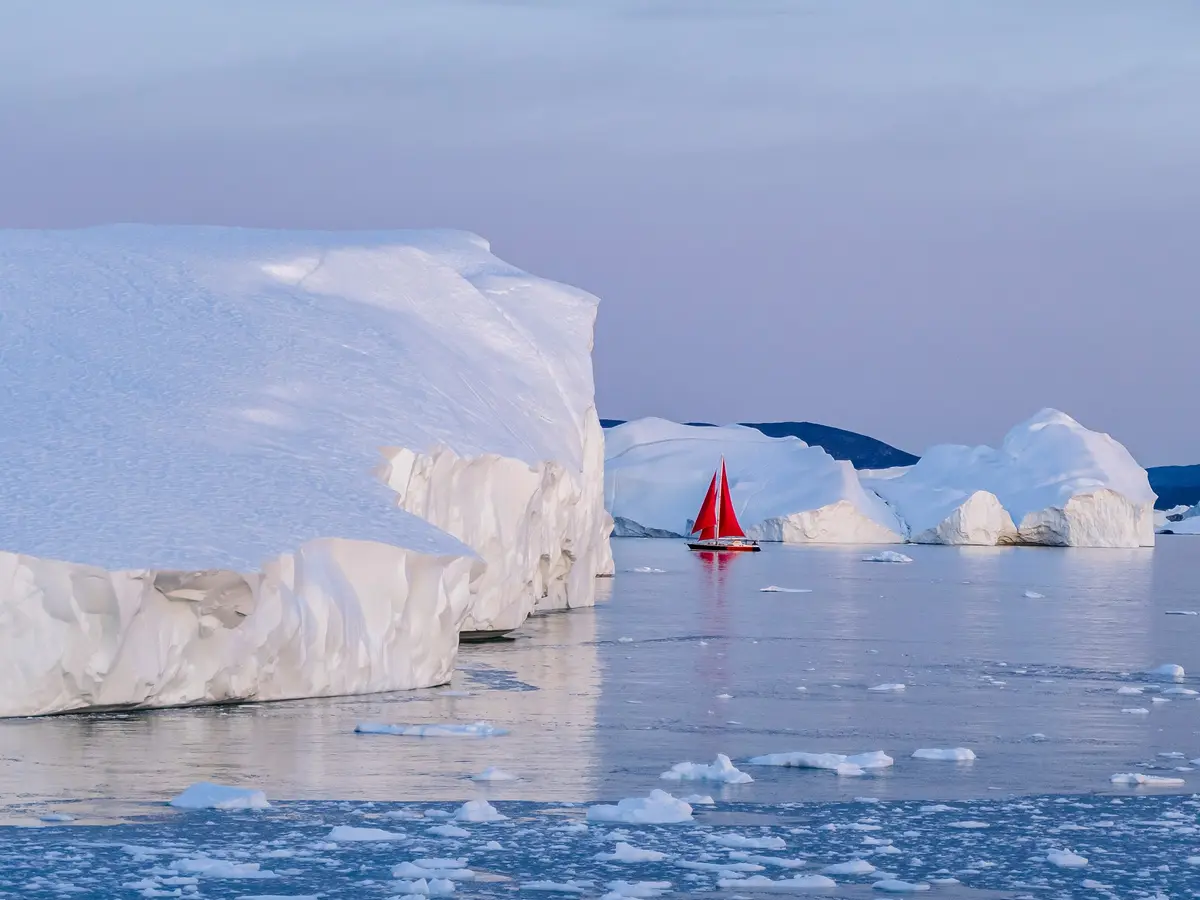
Scientists used information from satellites to measure how much ice Greenland and Antarctica lost.
They combined 42 different scientific estimates into one large assessment.
The study found that the two ice sheets lost 11.3 trillion tons of ice from 1979 to 2023.
That is enough ice to make a cube about 23 kilometers tall.
The melted and discharged ice helped raise average sea levels by about one inch.
Much of the loss came from glaciers sending water into the ocean.
This was more important than water melting on the surface of the ice.
The findings show that Greenland and Antarctica are now major contributors to rising sea levels.

Greenland and Antarctica lost a combined 11.3 trillion tons of ice between 1979 and 2023.
Researchers combined 42 independent estimates based on satellite observations of ice flow, volume, and gravity.
The ice loss contributed about one inch to the global average sea-level rise.
Most of the loss came from glaciers discharging water into the ocean rather than surface melting.
The study was published in Scientific Data and reviewed ice-sheet changes across five decades.
- Who
- Researchers led by Inès Otosaka, with estimates concerning Greenland and Antarctica.
- What
- A study found that the ice sheets lost 11.3 trillion tons of ice between 1979 and 2023.
- Where
- Greenland and Antarctica.
- When
- The study was published on Wednesday, September 16; the year is not specified. The analysis covers 1979 to 2023.
- Why
- The loss was primarily linked to glaciers rapidly discharging water into the sea, rather than surface melting.
Key facts
- Total ice loss
- 11.3 trillion tons
- Study period
- 1979-2023
- Regions studied
- Greenland and Antarctica
- Independent estimates
- 42
- Sea-level rise
- About 1 inch in global average sea levels
- Data sources
- Satellite observations of ice flow, volume, and gravitational attraction
- Publication
- Scientific Data
Quotes
Inès Otosaka
Lead author and assistant professor at Northumbria University
“If you put that into context, it’s about enough ice to fill a cube that would be 23 kilometres (14 miles) in height.”
 wionews.com
Sources
Related news

Himalayan Glacier Loss Raised Nepal Flood Disaster Risks
NASA Satellite Captures 76-Square-Kilometre Iceberg Leaving Greenland Glacier
Himalayan Melt and Monitoring Gaps Threaten Northern India

Himalayan glacial lakes face urgent risk as melting accelerates
Glacier Collapse May Have Triggered Deadly Nepal Flood

Satellite Images Reveal Glacier-Linked Collapse Behind Nepal-China Floods

Denmark Sees Hope For Peaceful Greenland Talks With United States

Iceland Plans Permanent Whaling Ban, Isolating Norway and Japan

Mercator’s World Map Endures Despite Distorting Africa’s Size