8 hrs ago
Himalayan glacial lakes face urgent risk as melting accelerates

Scientists studied about 2,000 glacial lakes in the Himalayas.
They found that nine to twelve lakes may be especially dangerous.
These lakes are growing as glaciers melt.
Tourism can add pollution and dust to the ice.
Dark dust absorbs energy from the sun and can make melting happen faster.
Warmer conditions can also melt permafrost, which is frozen ground.
When the frozen ground melts, the land above it can become unstable.
One research group found more lakes needing urgent attention than the national disaster agency did.

IIT Mandi studied about 2,000 glacial lakes and classified nine to twelve as critical.
The National Disaster Management Authority has identified four lakes needing immediate attention.
Lakes in Himachal Pradesh have expanded by 30% to 60% over the past decade.
IIT Mandi’s Dericks P Shukla linked melting to climate change, tourism, pollution and dust deposits.
Shukla said permafrost melting can destabilize terrain and may have contributed to instability before Nepal’s August 26 flash flood.
- Who
- The study was conducted by IIT Mandi, with findings discussed by Dericks P Shukla.
- What
- Researchers assessed about 2,000 glacial lakes and identified nine to twelve as critical because of their expansion and associated risks.
- Where
- The study concerns the Himalayan region, including lakes in Himachal Pradesh; Shukla also referred to Nepal.
- When
- The lakes in Himachal Pradesh expanded by 30% to 60% over the last 10 years; the study’s exact date was not stated.
- Why
- Glaciers and permafrost are melting due to climate change, while tourism-related pollution and dust deposits can intensify glacial melting and terrain instability.
IIT Mandi assessment
National disaster assessment
Number of lakes needing urgent attention
IIT Mandi assessment
IIT Mandi identified at least nine critical lakes, with the report also describing the number as nine to twelve.
National disaster assessment
The National Disaster Management Authority identified four lakes requiring immediate attention.
Tourism and connectivity
IIT Mandi assessment
Dericks P Shukla said rising tourism, tunnels and year-round visitor access have increased pollution and dust deposits on glaciers, accelerating melting.
National disaster assessment
The article does not provide a contrary assessment from the National Disaster Management Authority on tourism or connectivity.
Key facts
- Lakes studied
- About 2,000 glacial lakes
- IIT Mandi assessment
- Nine to twelve lakes classified as critical
- National assessment
- The National Disaster Management Authority identified four lakes needing immediate attention
- Himachal Pradesh expansion
- Glacial lakes expanded by 30% to 60% over the last 10 years
- Reported causes
- Glacial melting, climate change, tourism, pollution and dust deposits
- Terrain risk
- Permafrost melting can cause the layer above it to move and destabilize terrain
- Nepal flash flood
- Shukla referred to an August 26 flash flood that reportedly caused 1,127 deaths
Quotes
Dericks P Shukla
Founding chairperson and associate professor at IIT Mandi’s School of Civil and Environmental Engineering
“There are many aspects to it. The glaciers are melting, and with a rise in tourism, there is carbon and dust deposition. This deposition is enhancing glacial melting. There is permafrost in the areas where the average temperature for two years is below zero degrees. There is permafrost in the Himalayan region, and when it melts, the layer above moves and causes instability in the terrain.”
 m.rediff.com
“In the disaster in Nepal, it is being said that permafrost also occurred. The connectivity is good, but it should have been done in a controlled way. The tunnels have allowed a round-the-year influx of tourists. This is causing pollution and dust to deposit on glaciers. It deposits a black layer which absorbs energy and causes melting.”
m.rediff.com
Sources
Related news
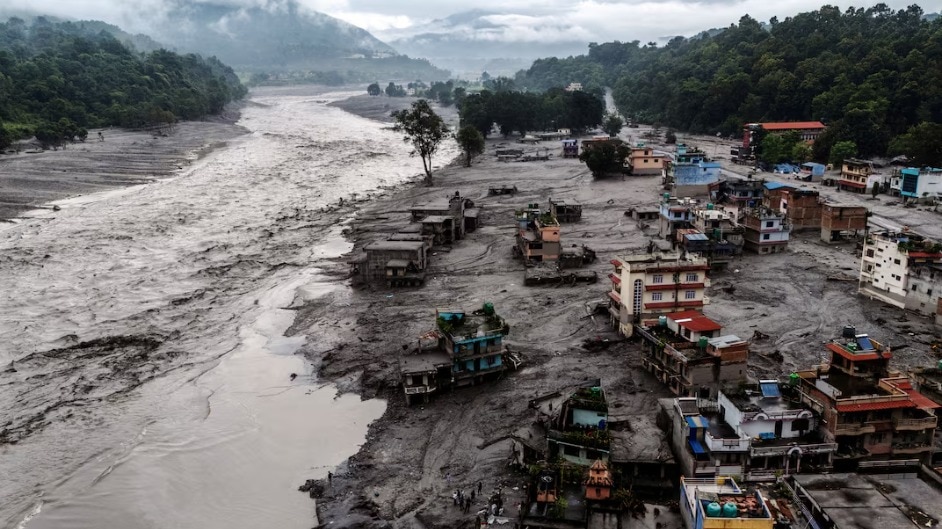
Expert Warns Himalayan Flash-Flood Risks Grow Amid Nepal Catastrophe

Nepal Floods Spur Calls for Glacier Assessments and Land-Use Reform
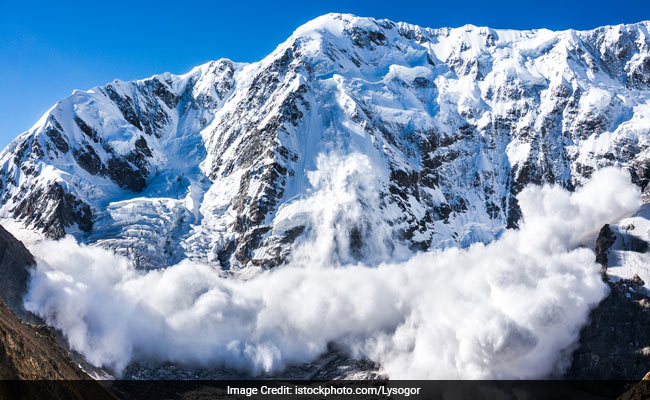
Study Finds 219 Hanging Glaciers in Uttarakhand, Many Unstable

Himalayan Glacier Loss Raised Nepal Flood Disaster Risks
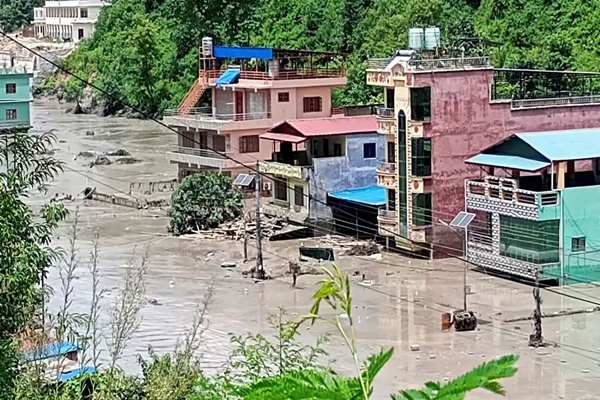
Nepal Floods Raise Alarms Over Himalayan Disaster Risks

Nepal Families Perform Last Rites as Flood Bodies Remain Unidentified
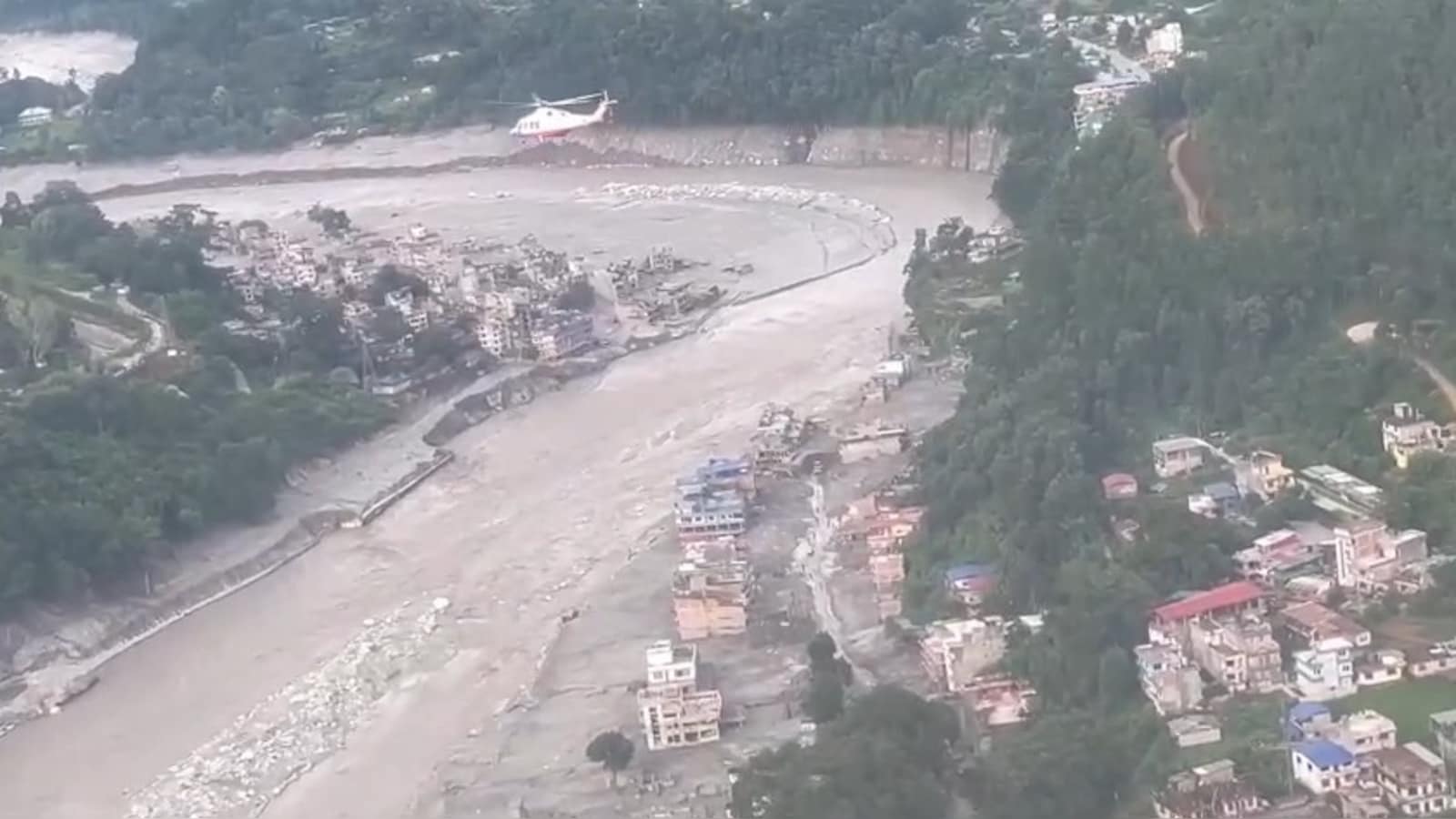
Helicopter Journey Reveals Nepal's Valley of Flood Devastation
Nepal Tunnel Survivor Alleges Chinese Supervisor Abandoned Workers During Flood
Hope Rises for Workers Trapped in Nepal Hydropower Tunnel

Bhotekoshi Flood Crisis: Nepal PM Shah Calls for Courage