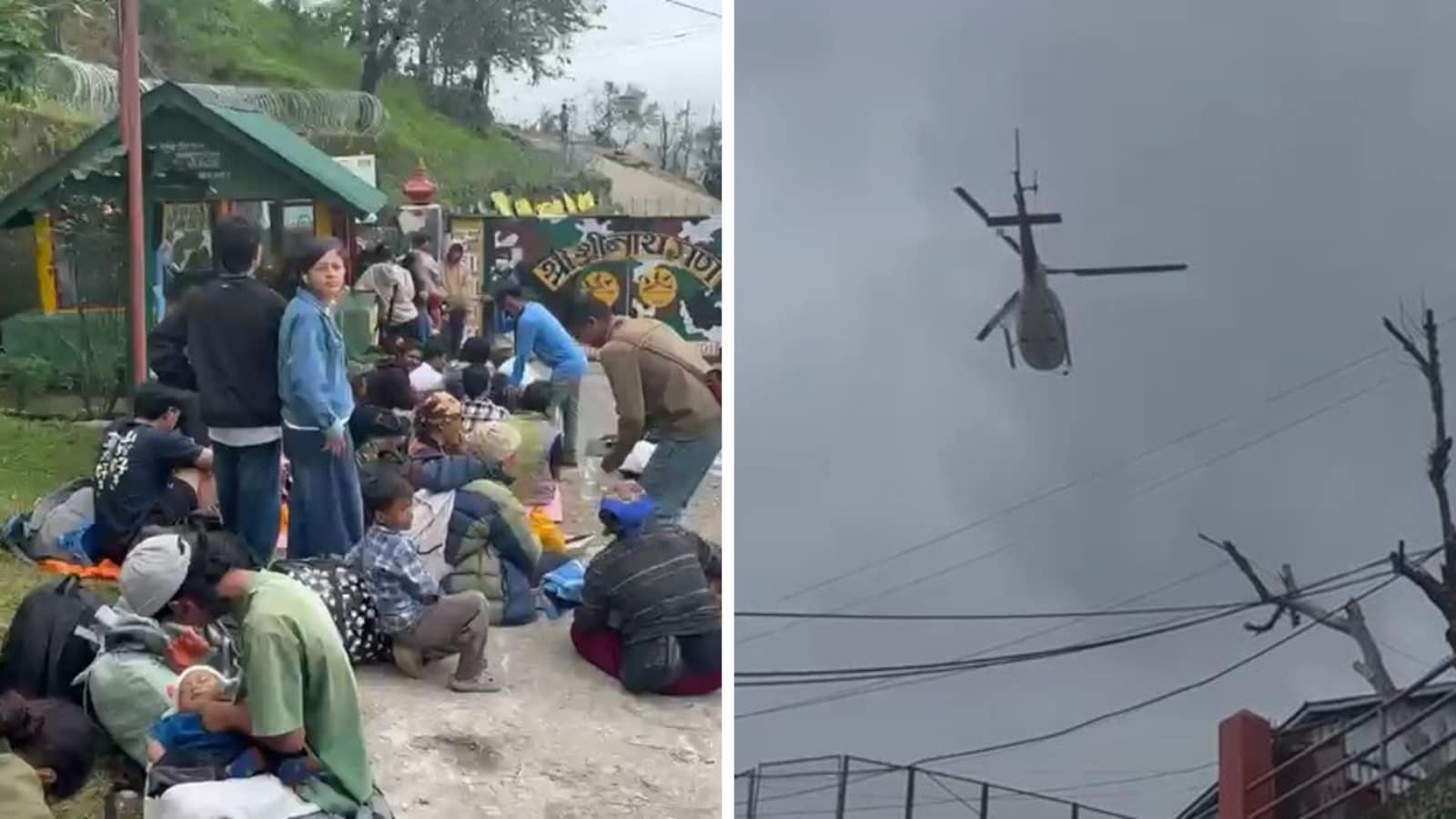
5 days ago
Himalayan Glacier Loss Raised Nepal Flood Disaster Risks

Scientists had warned that Himalayan glaciers were melting faster before the recent floods in Nepal.
Reports released in March 2026 said the rate of ice loss had doubled since 2000.
The glaciers lost about 12% of their area between 1990 and 2020.
They also lost about 9% of their estimated ice reserves.
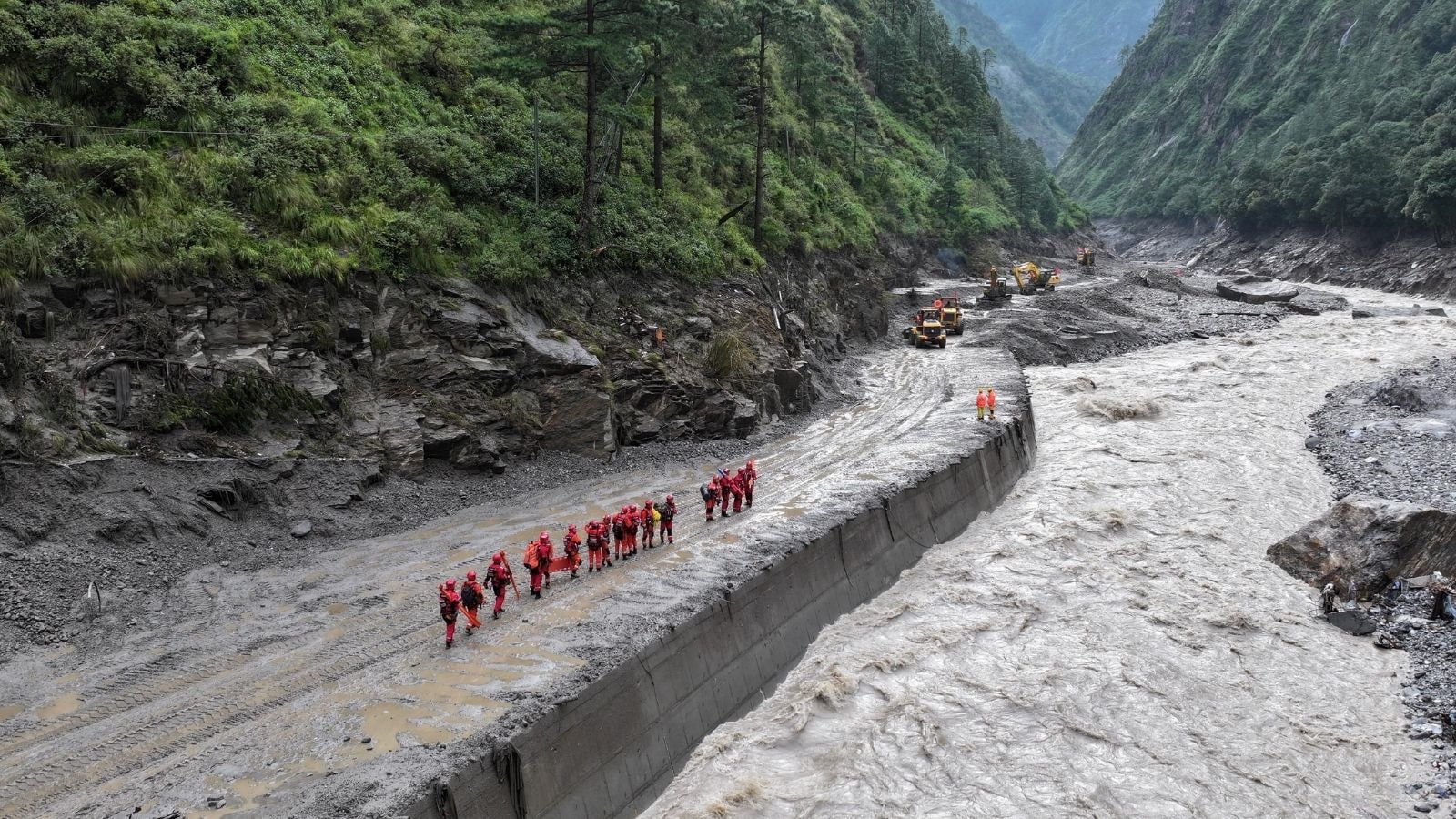
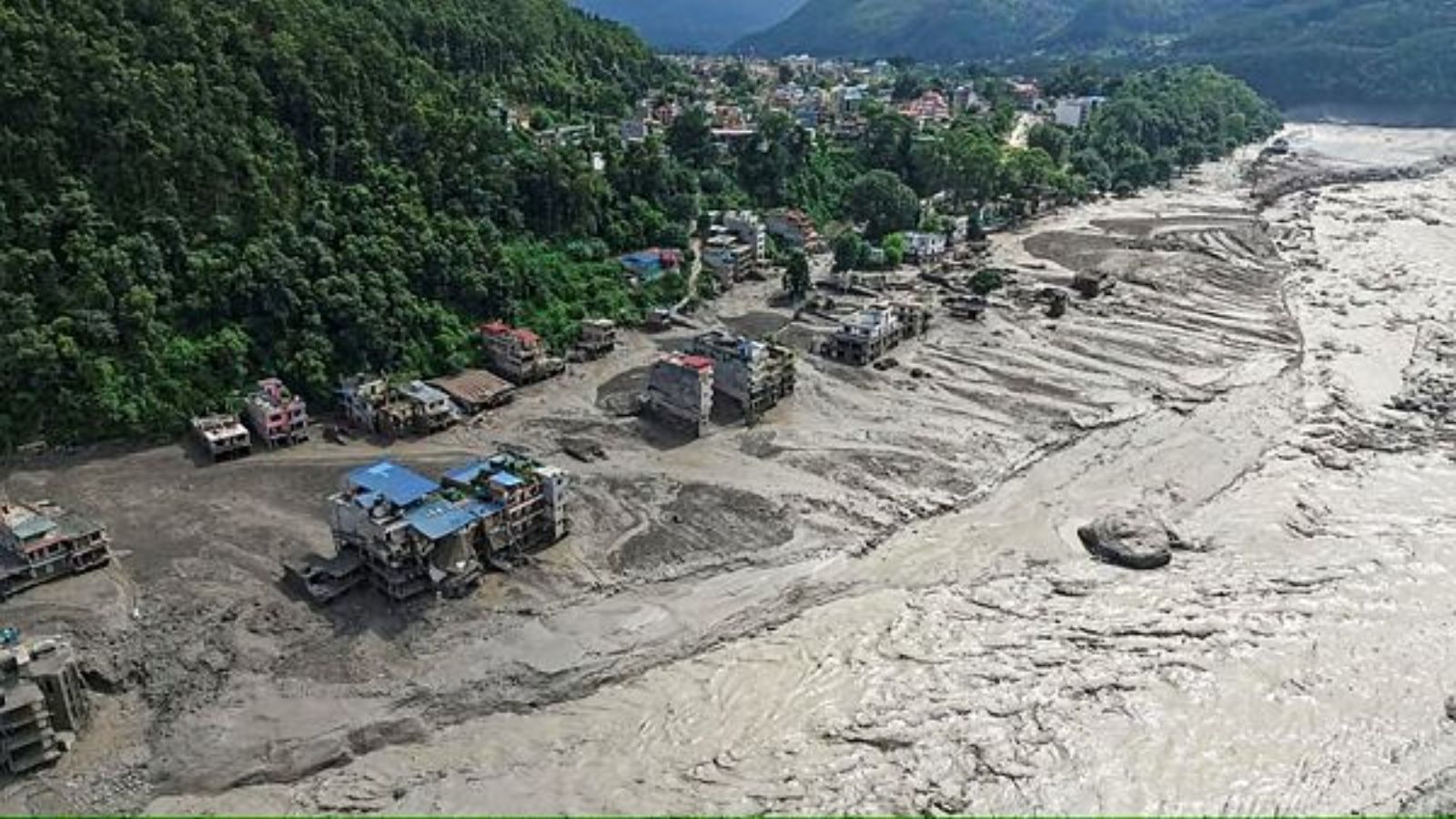
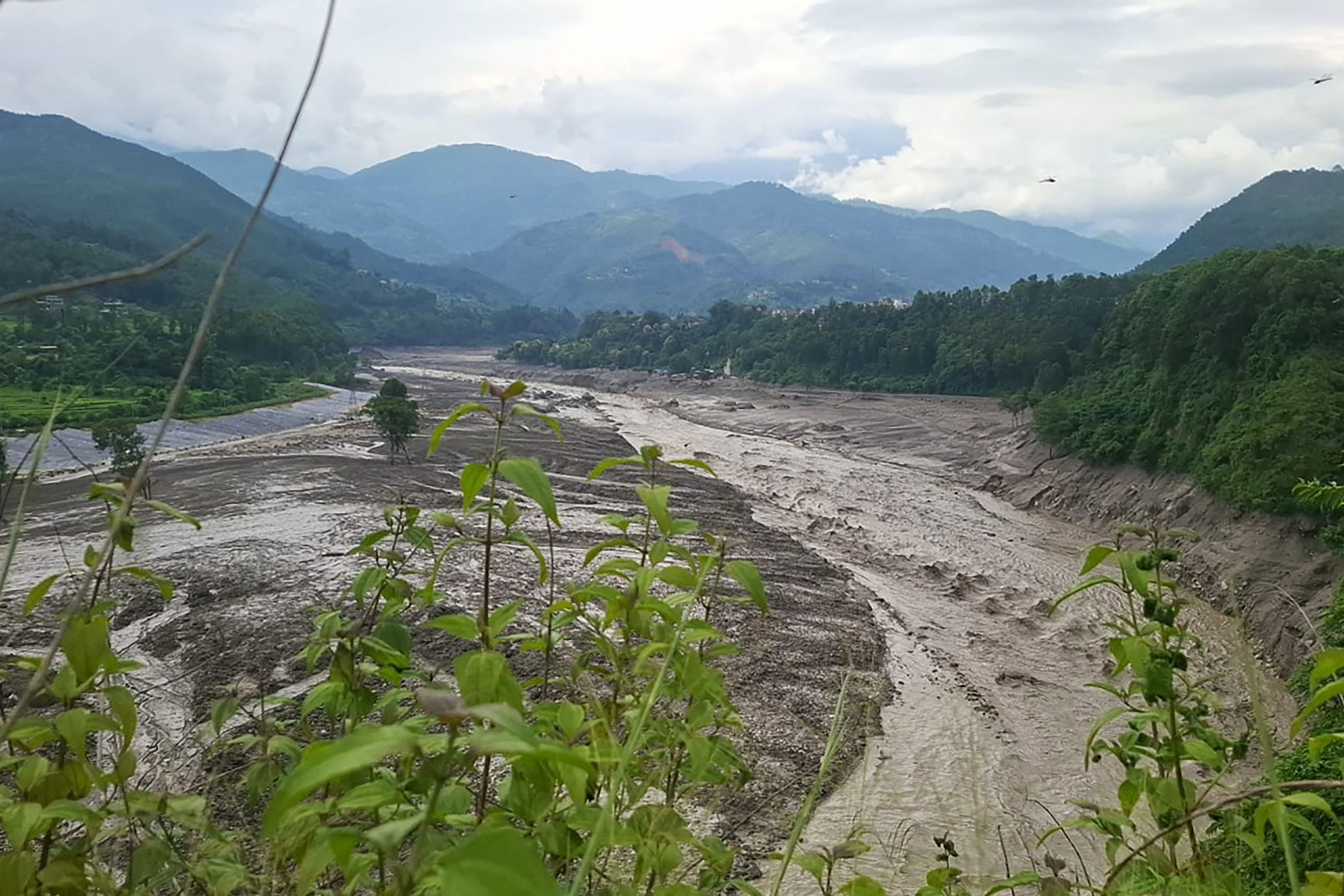
Researchers are still trying to find the exact cause of the floods, which killed more than 270 people.
One possibility is that falling ice and rocks caused a sudden rush of water, mud and boulders.
Warmer temperatures can reduce snow and expose more rocky ground, making mountain slopes less stable.
The glaciers provide water for millions and billions of people across Asia, so scientists say countries need to share information and prepare together.

ICIMOD reports released in March 2026 found that Hindu Kush Himalaya glacier ice loss has doubled since 2000.
Glaciers lost about 12% of their total area and 9% of their estimated ice reserves between 1990 and 2020.
Scientists are investigating whether an ice-rock avalanche triggered the floods that killed more than 270 people in Nepal.
Researchers say warming, reduced snow cover, glacier retreat and permafrost degradation may be destabilising mountain slopes.
The region’s glaciers support 10 major Asian river systems and billions of people’s food, water, energy and livelihoods.
- Who
- The International Centre for Integrated Mountain Development, regional scientists and researchers, and communities affected by flooding in Nepal and Tibet.
- What
- Scientists are investigating deadly floods while assessing warnings that accelerating Himalayan glacier loss is increasing disaster risks.
- Where
- The disaster began in the Nepal Himalaya, affected Tibet, and involved the Lende Khola and Bhote Koshi River area in the Hindu Kush Himalaya.
- When
- The relevant ICIMOD reports were released in March 2026; the floods occurred several months later, and killed more than 270 people according to one report.
- Why
- Researchers link the growing risk to warming, reduced snow cover, glacier retreat and possible ice-rock avalanches, although the floods’ exact cause remains under investigation.
Climate-linked disaster risk
Cause still unconfirmed
What caused the floods?
Climate-linked disaster risk
Researchers and Mohd Farooq Azam say warming, reduced snow cover, glacier retreat and permafrost degradation may have weakened slopes and contributed to an ice-rock avalanche or sudden flood surge.
Cause still unconfirmed
Scientists have not established the exact cause. The possible ice-rock avalanche and its role in the floods remain under investigation.
Regional preparedness
Climate-linked disaster risk
The cross-border movement of floodwaters highlights the need for cooperation and data sharing among Himalayan countries, according to Azam.
Cause still unconfirmed
The reports identify important monitoring gaps: only seven of 38 monitored glaciers met World Glacier Monitoring Service standards, while several glacier-rich areas remain largely unmonitored.
Key facts
- Reporting organisation
- International Centre for Integrated Mountain Development (ICIMOD), based in Kathmandu
- Glacier area loss
- About 12% of total glacier area was lost across the Hindu Kush Himalaya between 1990 and 2020.
- Ice reserve loss
- About 9% of estimated ice reserves were lost between 1990 and 2020.
- Ice thickness loss
- Up to 27 metres of glacial ice thickness was lost since 1975.
- Regional glacier count
- The Hindu Kush Himalaya has more than 63,700 glaciers covering over 55,000 square kilometres.
- Climate exposure
- At least 78% of glacier area between 4,500 and 6,000 metres is highly exposed to elevation-dependent warming.
- Potential flood trigger
- Researchers are examining whether an ice-rock avalanche entered Lende Khola and caused a surge of water, sediment and boulders.
Quotes
Mohd Farooq Azam
Senior cryosphere specialist at ICIMOD and associate professor at the Indian Institute of Technology Indore
“It is related to climate change because the snow covers are reducing, the glaciers are receding, more rocky or barren areas are exposed - they absorb more heat which makes the slopes more vulnerable”
 NDTV
NDTV
ICIMOD reports
Findings from ICIMOD’s March reports on Hindu Kush Himalaya glaciers
“between 1990 and 2020, HKH glaciers lost about 12 per cent of their total area and 9 per cent of their estimated ice reserves.”
NDTV
Sources
Related news

Bhotekoshi Flood Revives Nepal’s Rising Himalayan Disaster Fears
Bhote Koshi Flood Exposes Growing Himalayan Climate Risks
Nepal Flood Highlights Rising Glacier Risks in Warming Himalayas

Nepal Flash Floods Expose Glacier Risks Amid Climate Concerns

Nepal Thanks India as Glacial Disaster Rescue Efforts Continue
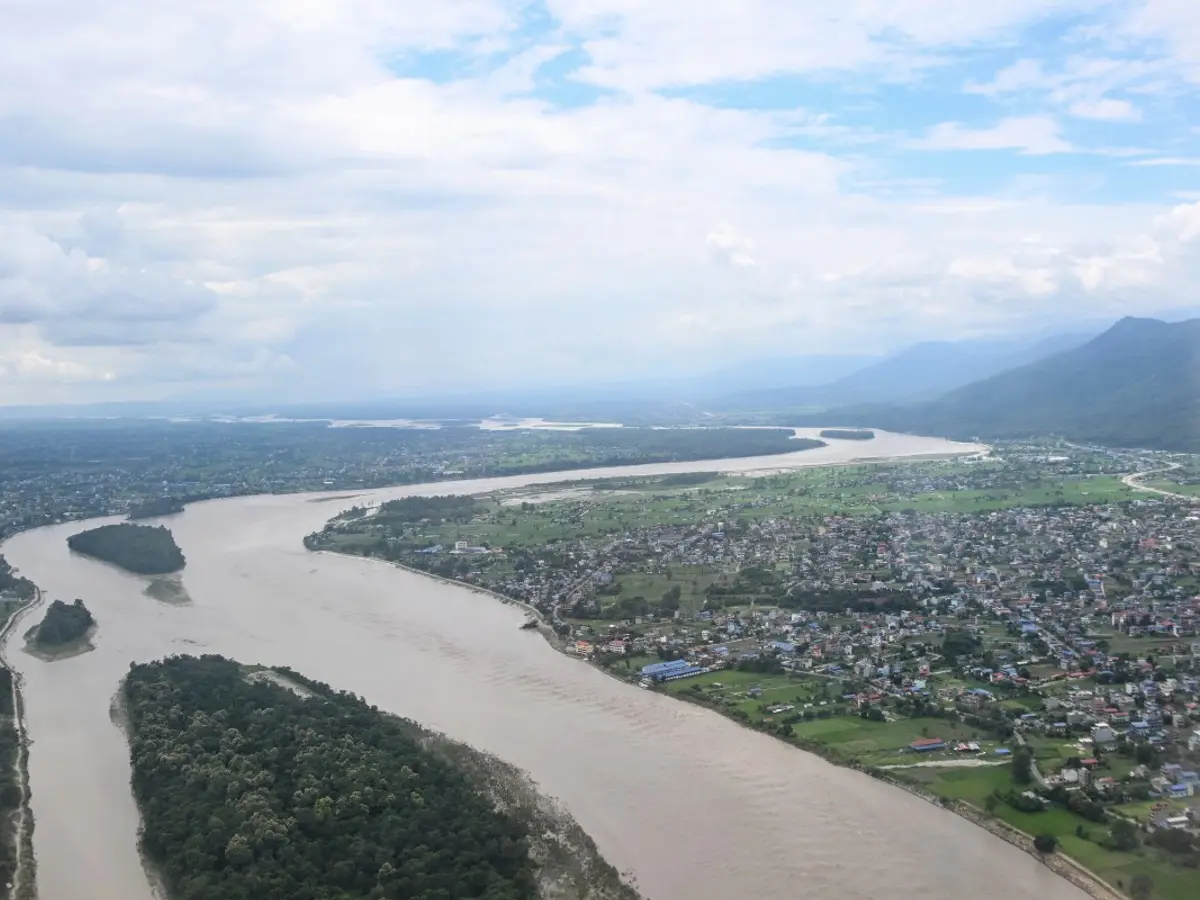
Nepal Warns of Heavy Rain After Deadly Floods
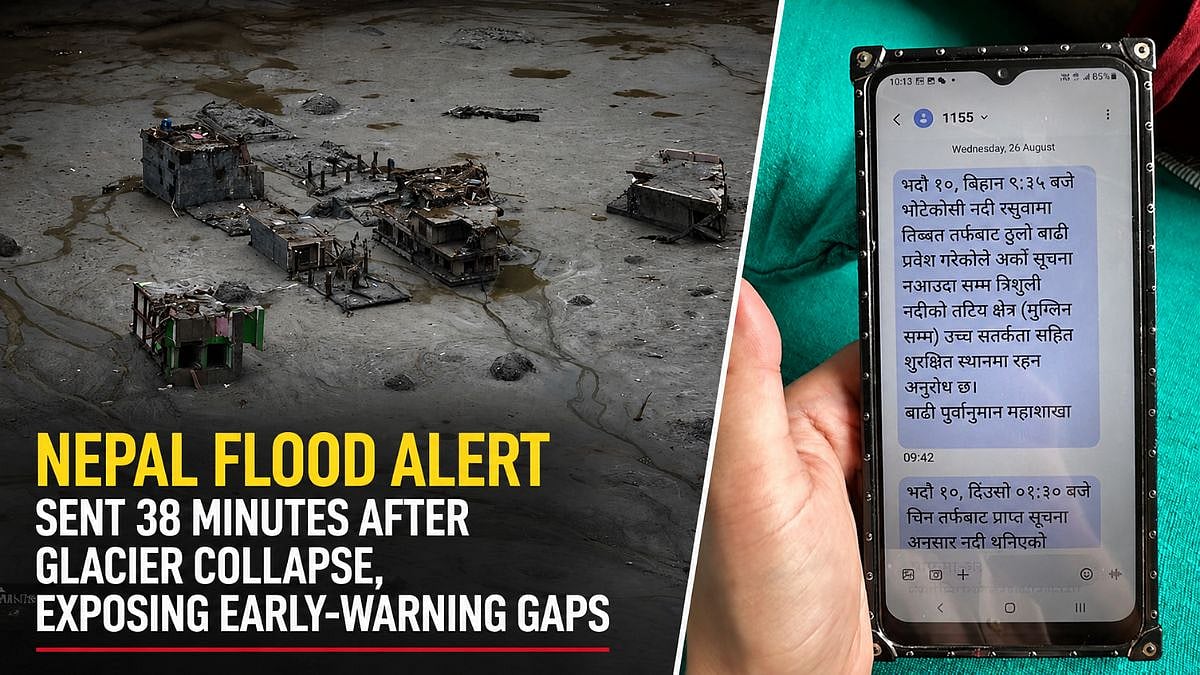
Nepal Flood Exposes Delayed Alerts and Cross-Border Warning Gaps

Bhotekoshi Flood Crisis: Nepal PM Shah Calls for Courage

Nepal PM Thanks India, China Amid Climate Compensation Demand