5 days ago
Nepal Floods Spur Calls for Glacier Assessments and Land-Use Reform

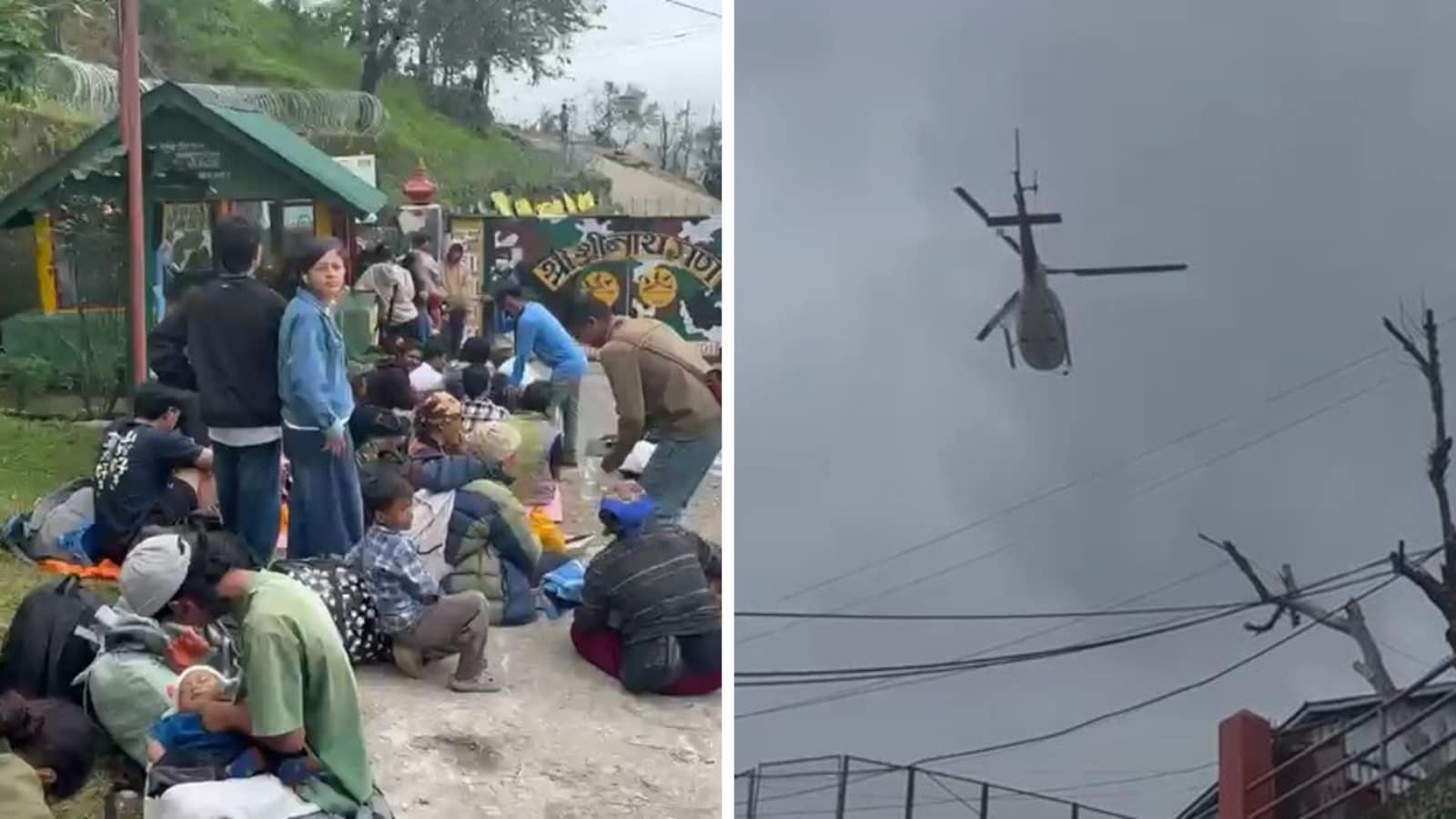
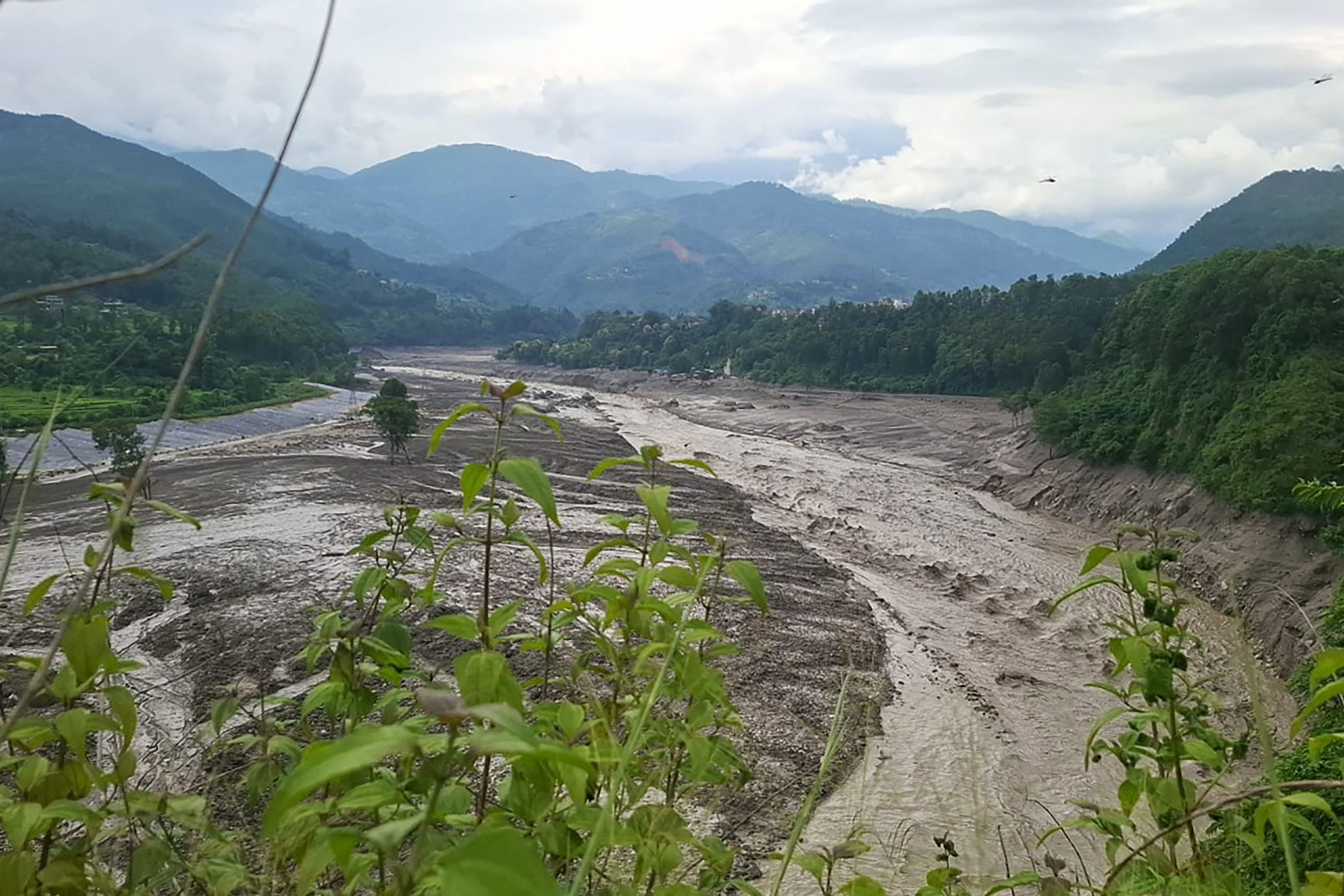
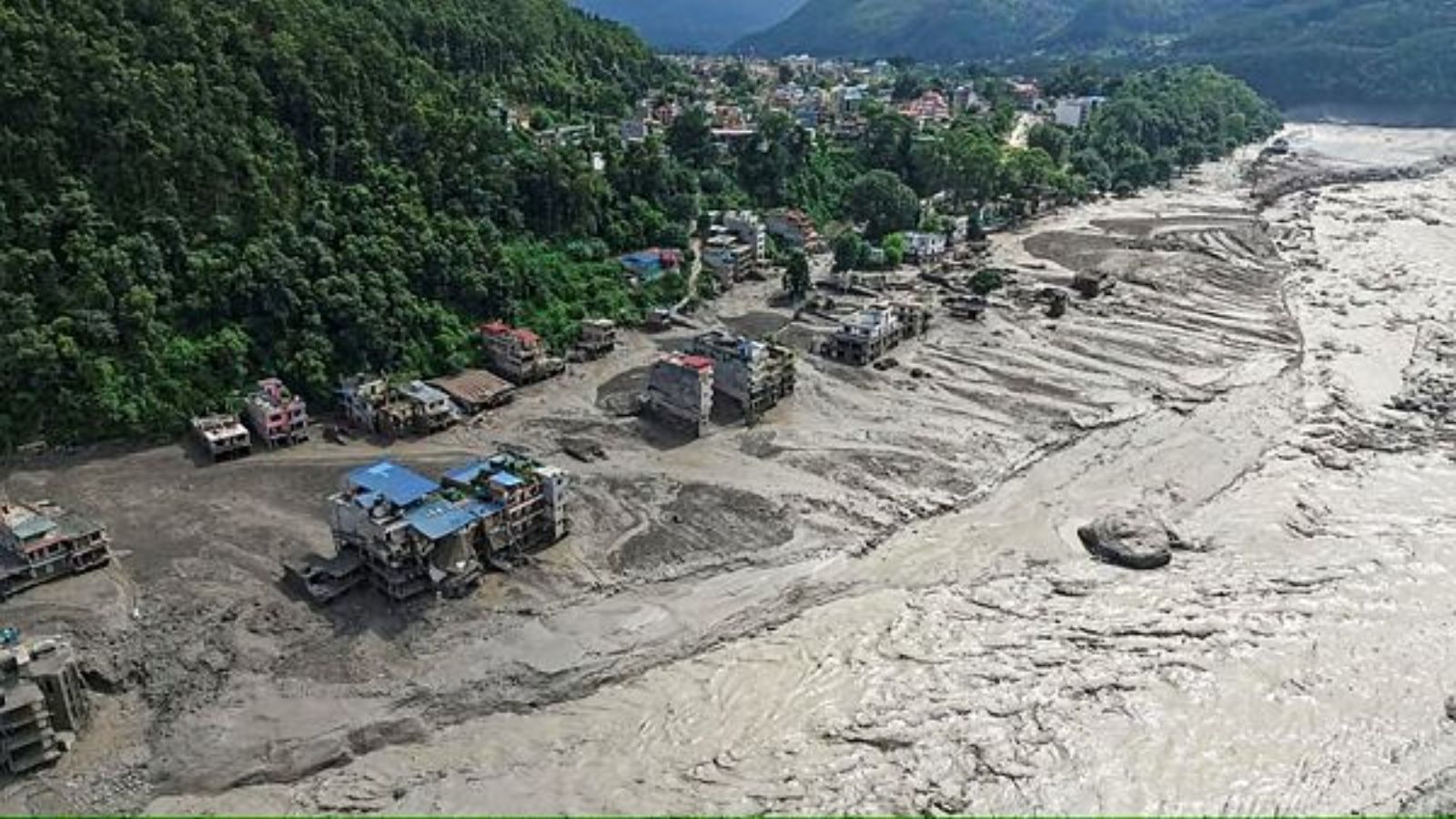
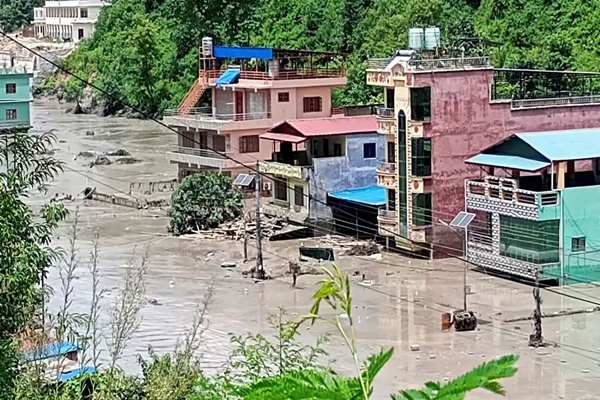
A very large flood hit parts of Nepal and nearby areas on August 26.
More than 460 people were killed, and thousands were still missing.
Scientists are studying whether falling ice and rocks caused a sudden rush of water.
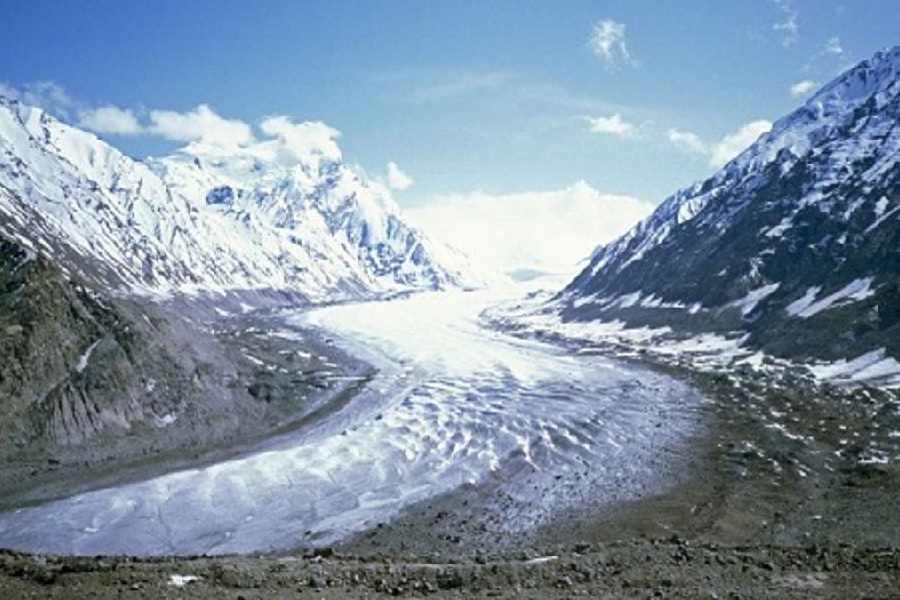
They are also examining how melting glaciers, less snow, and weaker frozen ground may make slopes less stable.
The number of glacial lakes in Himachal Pradesh has grown greatly in recent decades.
These lakes can sometimes release water suddenly when triggered by landslides, heavy rain, avalanches, or falling rocks.
Experts say warning systems should detect more than just rainfall.
They also want homes, roads, and power projects kept away from places where floods could be especially dangerous.

More than 460 people in Nepal and Tibet were killed, while thousands remained missing after flash floods on August 26.
Researchers are investigating whether an ice-rock avalanche near the Nepal-Tibet border triggered the sudden flood surge.
A study found a 525% increase in glacial lakes in Himachal Pradesh between 1990 and 2024, with smaller lakes rising from nine to 487.
Experts called for better Himalayan data, region-specific models, and low-cost warning systems for non-rain-related hazards.
Scientists urged land-use policies to keep settlements and infrastructure away from vulnerable river corridors and assess environmental risks to projects.
- Who
- More than 460 people in Nepal and Tibet were killed, thousands were missing, and researchers from the International Centre for Integrated Mountain Development investigated the event.
- What
- A devastating flash flood caused deaths, missing persons, destruction of bridges, and damage to hydropower projects; its precise trigger remains under investigation.
- Where
- Parts of Nepal and Tibet, including the area near the Rasuwagadhi Nepal-Tibet border crossing and the Lende Khola tributary of the Bhote Koshi River.
- When
- August 26, Wednesday.
- Why
- Experts linked the potential hazard to an ice-rock avalanche and climate-related changes such as receding glaciers, reduced snow cover, and possible permafrost degradation, while also citing vulnerable settlements and limited warning systems.
Key facts
- Reported deaths
- More than 460 people from Nepal and Tibet were killed.
- Missing people
- Thousands, including Indian tourists, were reported missing.
- Glacial lake increase
- Himachal Pradesh recorded a 525% increase in glacial lakes between 1990 and 2024.
- Small-lake count
- Smaller glacial lakes increased from nine to 487.
- Potential flood trigger
- Researchers are investigating whether an ice-rock avalanche entered the Lende Khola and generated a sudden surge.
- Infrastructure damage
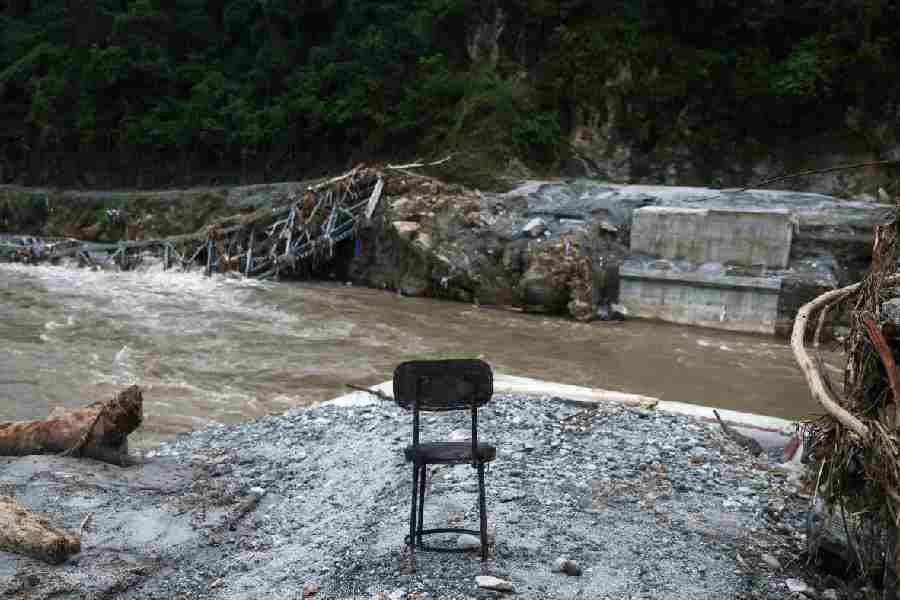
- The floods washed away critical bridges and crippled a dozen hydropower projects.
- Recommended measures
- Experts called for scientific lake assessments, Himalayan-specific models, low-cost early warnings, and stronger land-use planning.
Quotes
Reet Kamal Tiwari
Associate professor and civil engineering department head at IIT Ropar
“It is related to climate change because the snow covers are reducing, the glaciers are receding, more rocky or barren areas are exposed -- they absorb more heat, which makes the slopes more vulnerable.”
 rediff.com
“The concern is not simply the increasing number of glacial lakes; it is the combination of increasing hazard potential and increasing downstream exposure.”
rediff.com
Sources
Related news

Nepal Flash Floods Expose Glacier Risks Amid Climate Concerns
Nepal Flood Highlights Rising Glacier Risks in Warming Himalayas
Nepal’s Sudden Ice Collapse Exposes Gaps in Flood Warnings
Bhote Koshi Flood Exposes Growing Himalayan Climate Risks
Glacial Floods Expose the Growing Himalayan Disaster Threat
Nepal Floods Raise Alarms Over Himalayan Disaster Risks

Nepal Thanks India as Glacial Disaster Rescue Efforts Continue
Nepal Warns of Heavy Rain After Deadly Floods
Nepal Flood Exposes Delayed Alerts and Cross-Border Warning Gaps

Bhotekoshi Flood Crisis: Nepal PM Shah Calls for Courage

Nepal PM Thanks India, China Amid Climate Compensation Demand