4 days ago
Nepal’s Sudden Ice Collapse Exposes Gaps in Flood Warnings
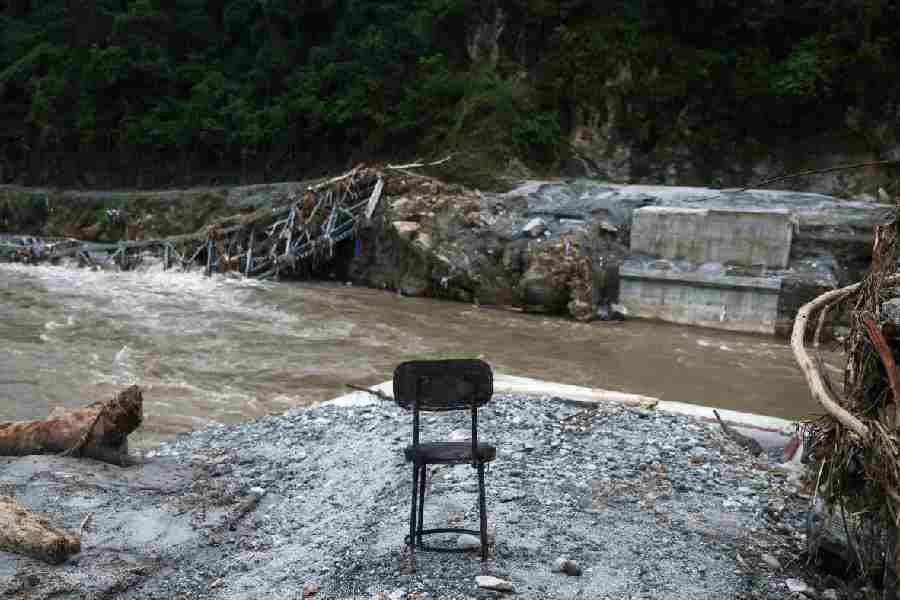
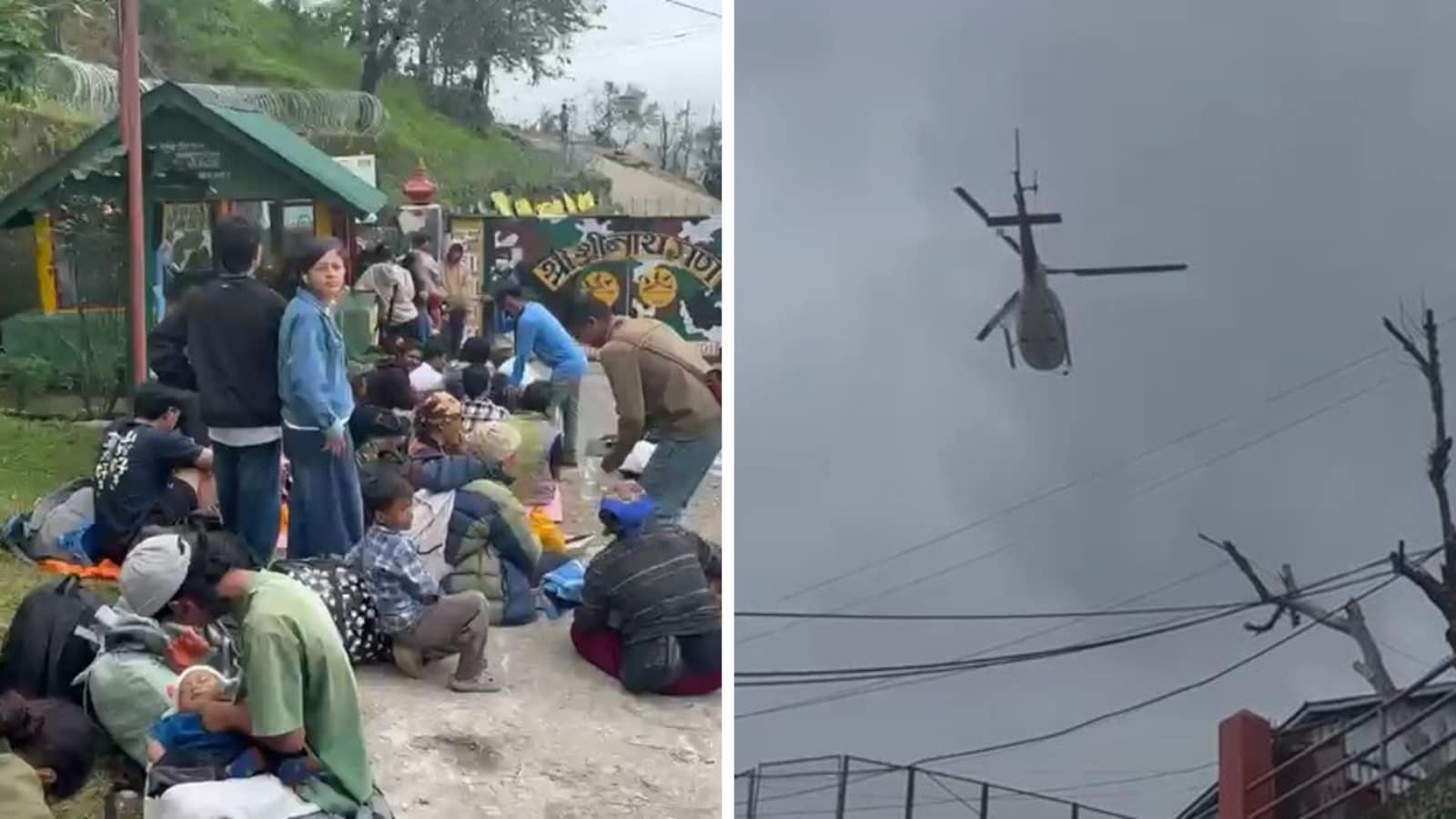
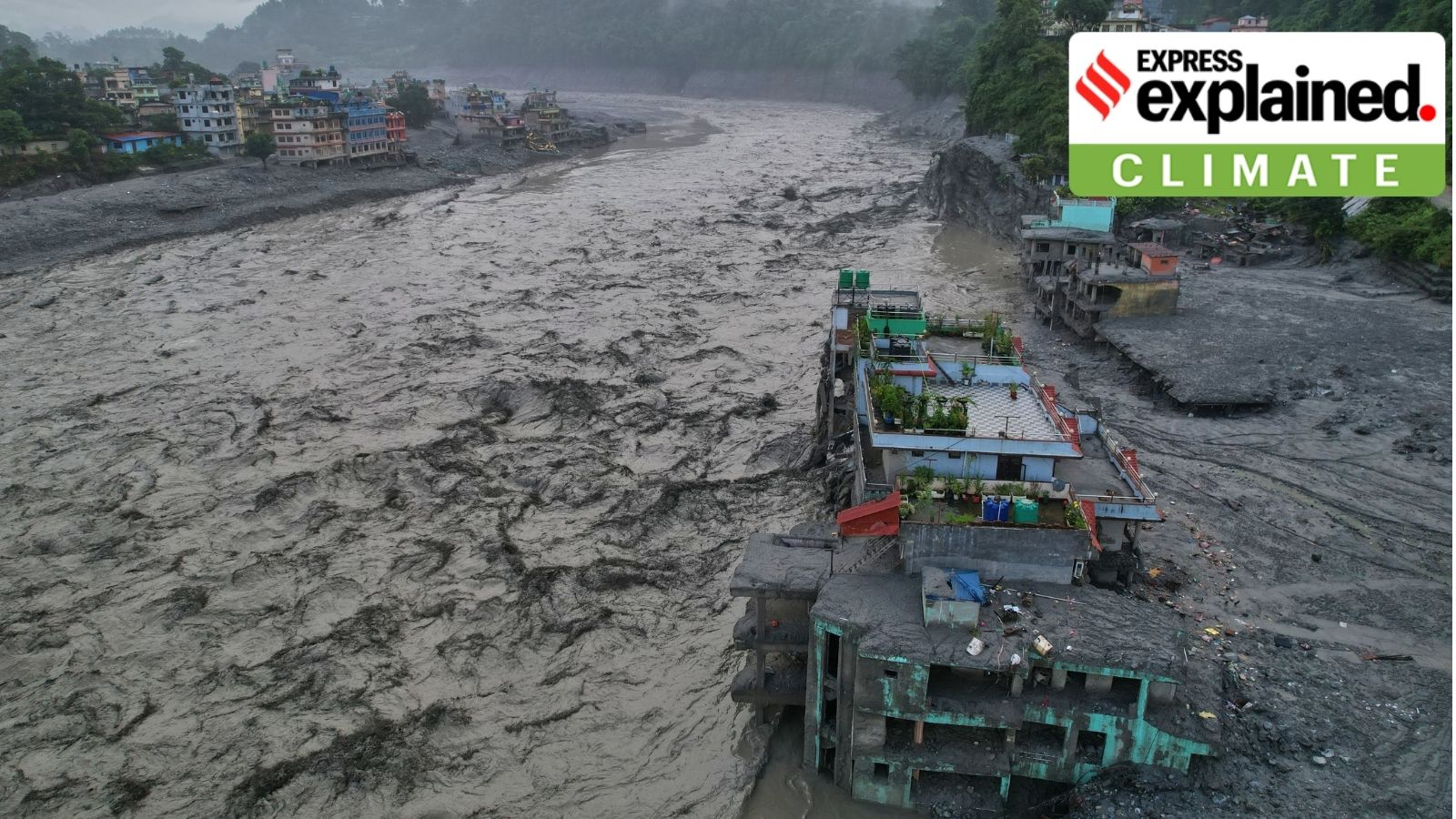
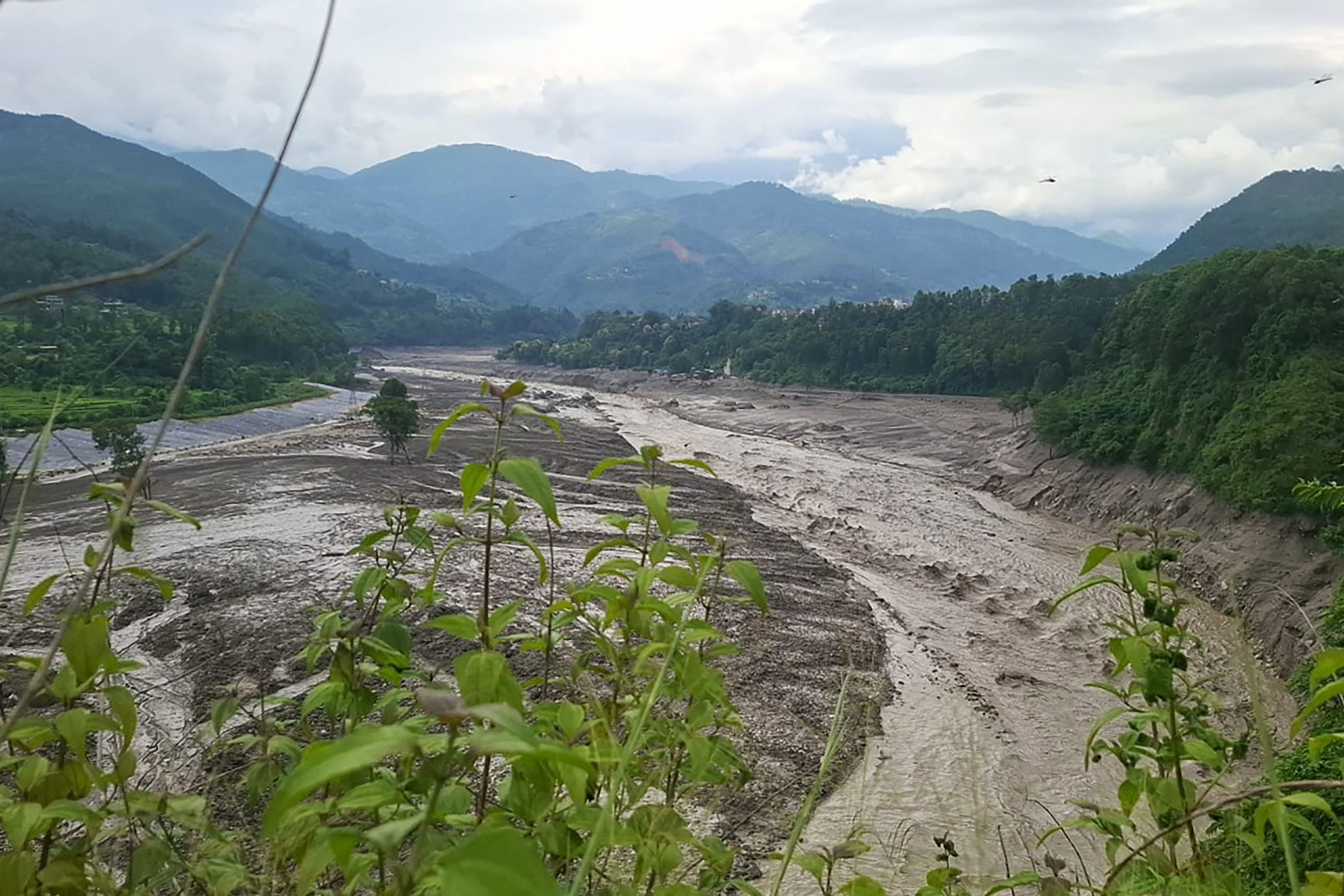
A huge amount of water and mud suddenly rushed through parts of Nepal and Tibet.
Experts think a landslide and an avalanche of ice helped cause the flood.
The event happened so quickly that people had very little time to escape.
Nepal has warning equipment, but it mostly watches rivers and lakes that rise more slowly.
It is not designed to quickly detect a mountain suddenly collapsing.
Scientists say monitoring such dangers would require equipment across large, remote areas.
They suggest using cameras, seismic sensors and satellite-like remote sensing to watch for changes.
Experts also say people should avoid building in floodplains and should know evacuation routes.
They warn that communities need clear instructions about what to do when an alert sounds.

Experts say a high-altitude landslide and glacial avalanche likely triggered the Nepal and Tibet floods.
The collapse released water and mud so rapidly that buildings were engulfed within seconds.
Nepal’s river and lake gauges are designed mainly for slower-rising monsoon and glacial-lake floods.
Officials said the warning system was functioning, but the flood developed too quickly for evacuation.
Experts recommend seismic and remote-sensing monitoring, safer construction, marked evacuation routes and public drills.
- Who
- Downstream communities, Nepali authorities, geologists and disaster-response experts were involved in the warning and safety concerns.
- What
- A sudden flood of water and mud followed what experts believe was a high-altitude landslide and glacial avalanche.
- Where
- Nepal and Tibet, in the remote Himalayan region.
- When
- The flood occurred on Wednesday; the article does not specify a date.
- Why
- The torrent developed too rapidly for Nepal’s conventional river and lake gauges to provide enough evacuation time.
Experts urging broader preparedness
Authorities citing the event’s speed
How to reduce future risk
Experts urging broader preparedness
Experts called for monitoring beyond river gauges, including seismic and remote-sensing tools, as well as safer construction, evacuation routes and public instructions.
Authorities citing the event’s speed
Nepal’s disaster-management authority said its regional warning system was functioning, but the flood developed so rapidly that people did not have enough time to reach safety.
Limits of prediction
Experts urging broader preparedness
Researchers said wider monitoring and long-term measurements of ground deformation might help assess the risk of future collapses.
Authorities citing the event’s speed
Disaster experts said forecasting this kind of sudden collapse would require intensive, resource-heavy monitoring across vast and remote Himalayan areas.
Public readiness
Experts urging broader preparedness
Alton Byers said warning systems are more useful when residents know what alerts sound like and what actions to take, pointing to Japan’s system as an example.
Authorities citing the event’s speed
The article reports that some locals in Nepal said they did not know what the warning system sounded like or what to do if it activated.
Key facts
- Likely trigger
- A dual high-altitude landslide and glacial avalanche, according to geologists quoted in the article.
- Warning-system limitation
- Nepal’s conventional gauges monitor river and lake levels but are not designed to detect the sudden collapse of part of a mountain.
- Nepalese glacial lakes
- Nepal has 2,070 glacial lakes, including 21 classified as high risk, according to a 2020 intergovernmental report.
- Flood speed
- The water-and-mud torrent engulfed buildings within seconds, according to the report.
- Suggested monitoring
- Experts proposed seismic measurements, remote sensing and three-dimensional imaging to identify possible deformation.
- Other safety measures
- Experts recommended avoiding floodplain construction, clearly marking evacuation paths and improving public understanding of alerts.
Quotes
Shushil Kumar Shrestha
Senior divisional engineer at Nepal’s National Disaster Risk Reduction and Management Authority
“the flood developed so rapidly that people simply did not have enough time to get to safety, even though the system was functioning”
 telegraphindia.com
“It is no longer a question of if these floods are going to happen, but when the next flood will happen”
telegraphindia.com
Sources
Related news
Nepal Flood Exposes Gaps in Himalayan Early Warnings

Nepal Floods Spur Calls for Glacier Assessments and Land-Use Reform

Nepal Flood Tragedy Highlights Need for Himalayan Early Warnings
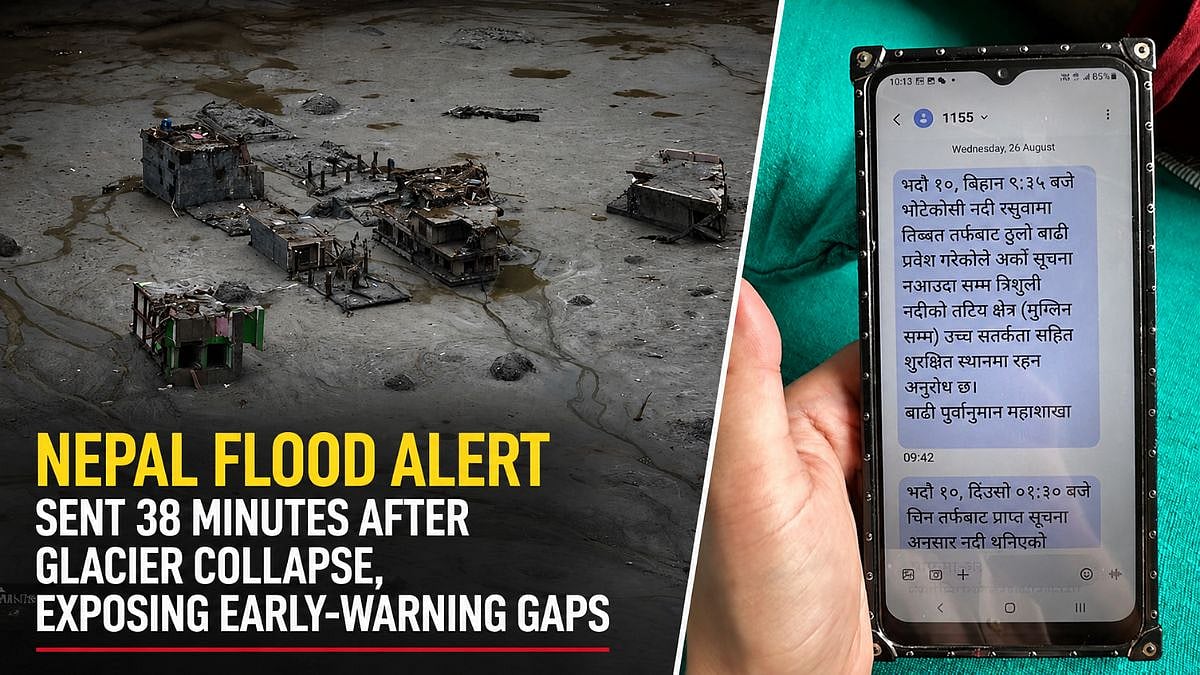
Nepal Flood Exposes Delayed Alerts and Cross-Border Warning Gaps

Nepal Flood Warns of Rising Himalayan Glacier Disaster Risks
Nepal Flood Highlights Rising Glacier Risks in Warming Himalayas

Nepal Thanks India as Glacial Disaster Rescue Efforts Continue
Nepal Warns of Heavy Rain After Deadly Floods

Bhotekoshi Flood Crisis: Nepal PM Shah Calls for Courage

Nepal PM Thanks India, China Amid Climate Compensation Demand