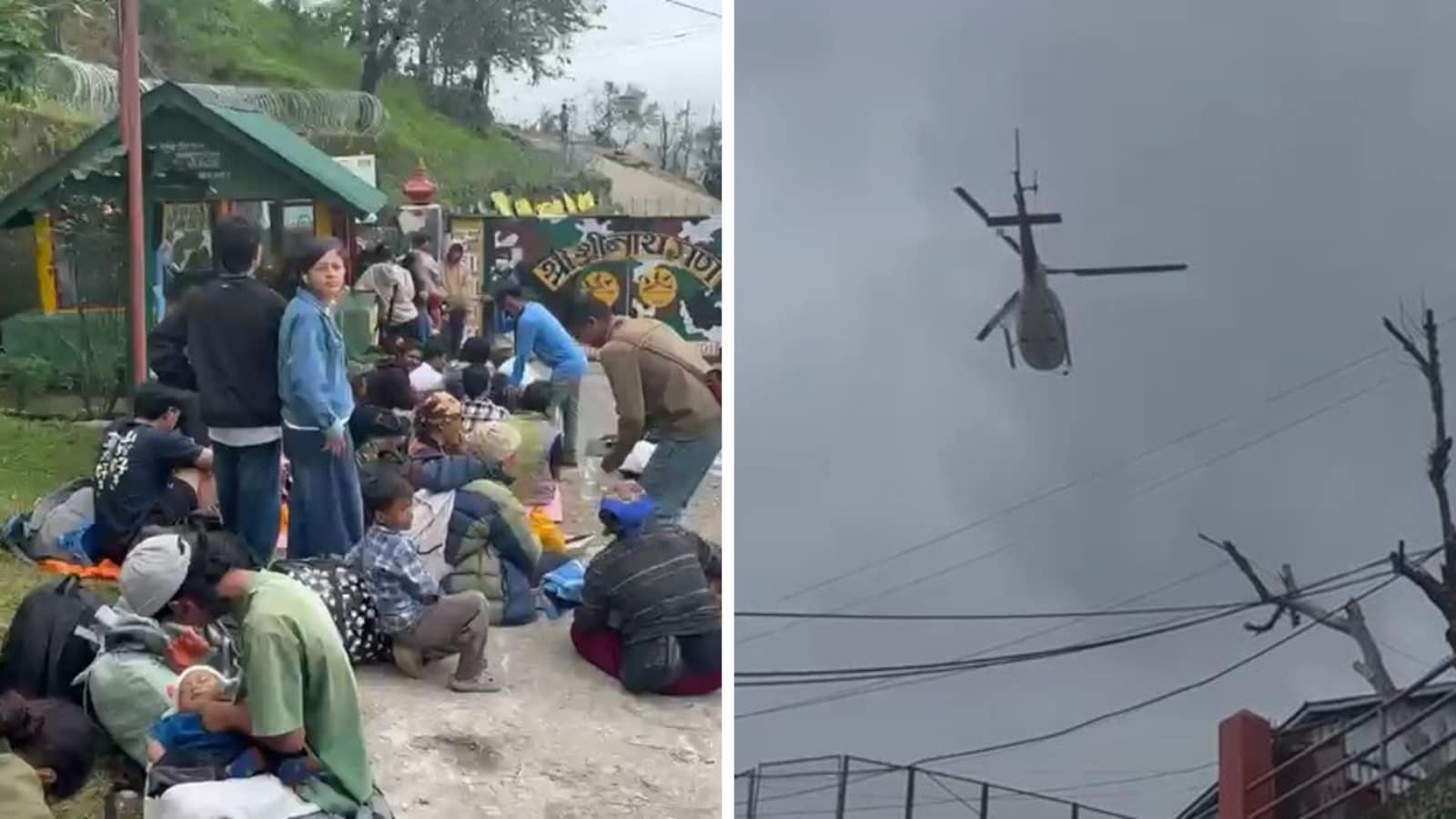
5 days ago
Nepal Floods Raise Alarms Over Himalayan Disaster Risks
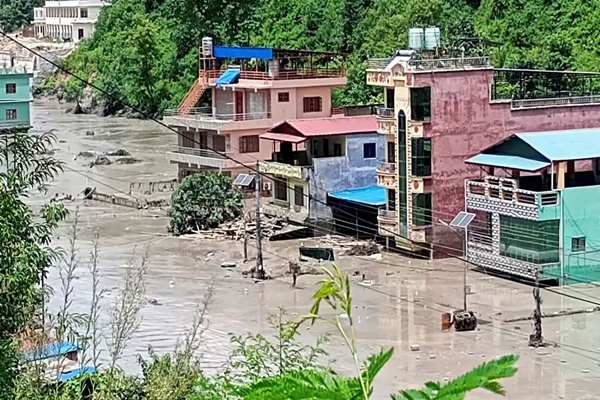
A huge flood recently hit Nepal after ice and water suddenly broke loose in the mountains.
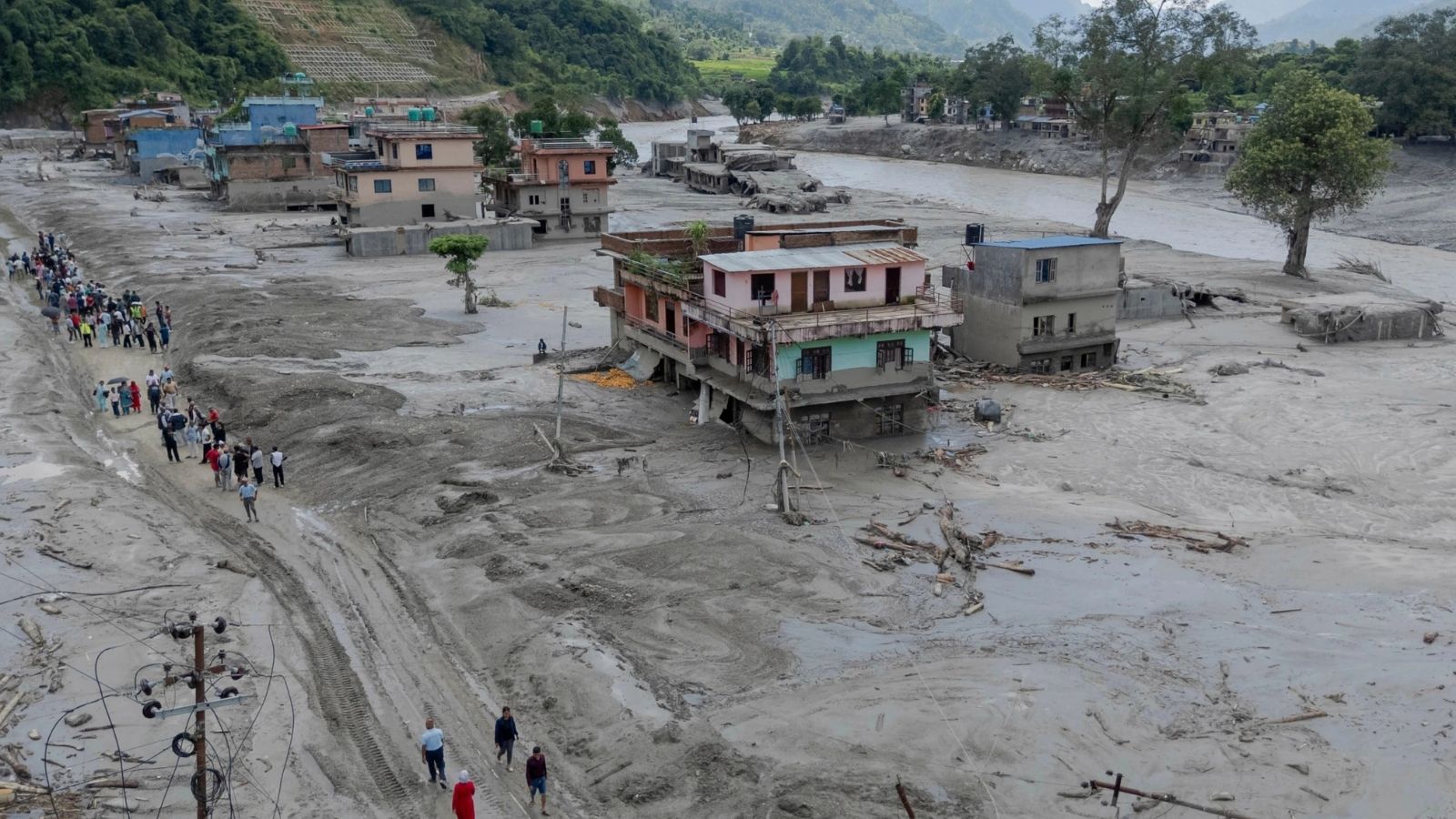
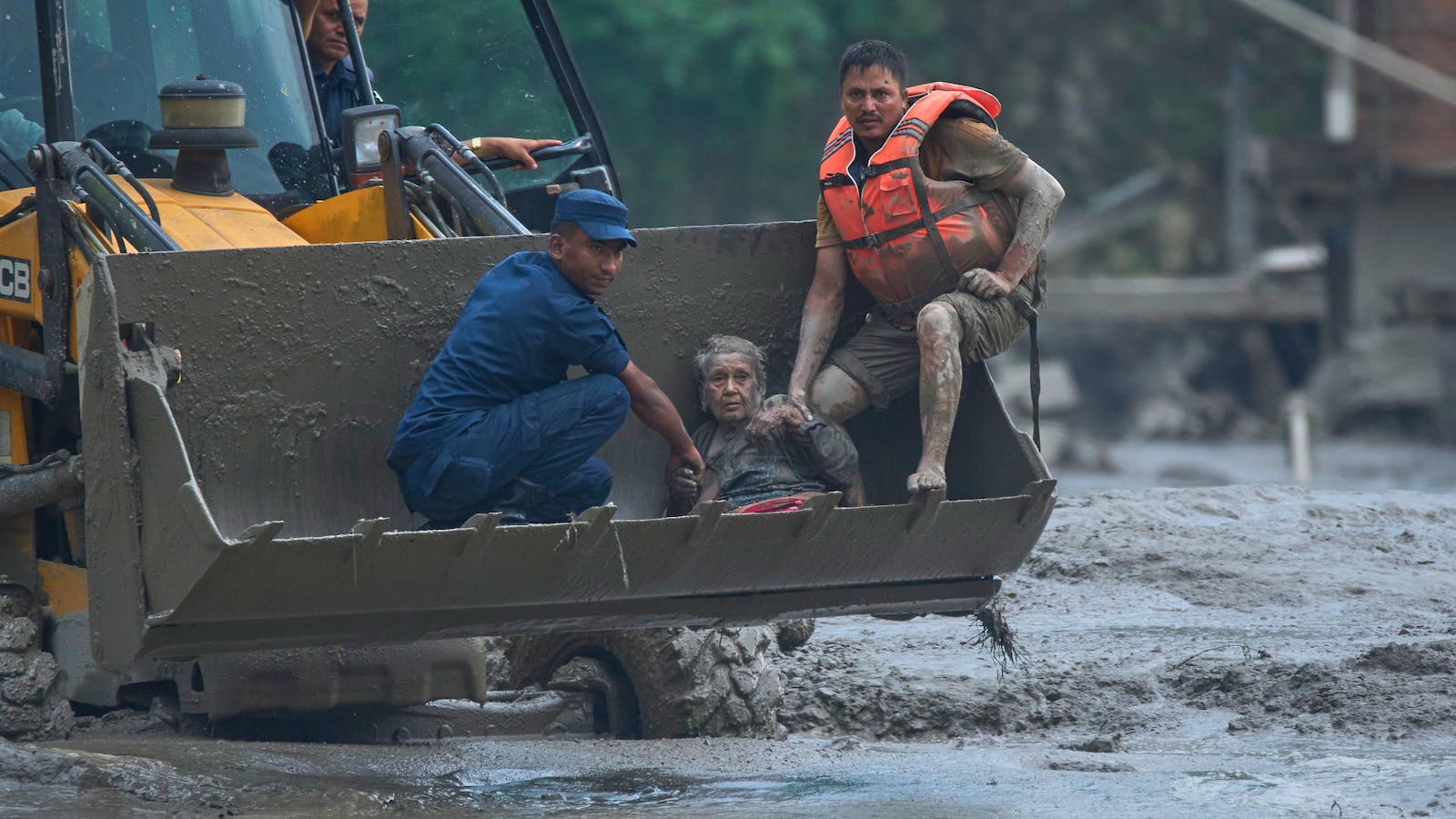
The flood carried rocks and debris through towns, destroying homes, roads and bridges.
Hundreds of people died, and many others are still missing.
Experts say similar floods could happen in parts of the Himalayas, including Jammu and Kashmir and Ladakh.
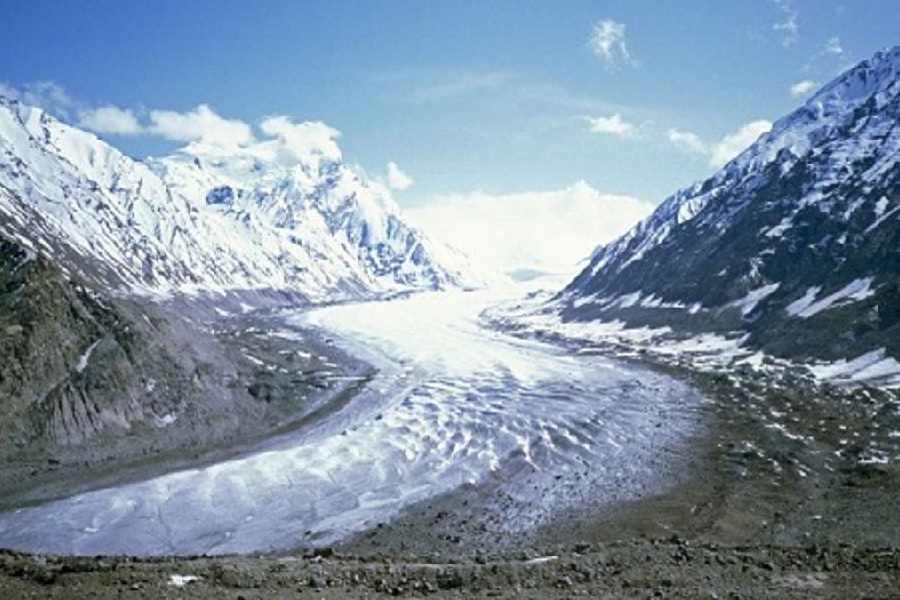
Five lakes in the Kashmir Valley are considered especially vulnerable to sudden glacial floods.
Climate change is making glaciers and mountain weather less predictable.
People also worry that cutting mountains, removing trees and building in unsafe places make floods more dangerous.
Wetlands and natural waterways can help absorb extra water, but many have been damaged or occupied.
Experts and community leaders say the Nepal disaster should encourage stronger warnings and safer development.

Flash floods in Nepal destroyed homes, roads, bridges and other infrastructure, leaving hundreds dead and many missing.
Experts say glacial collapse, climate change and unstable mountain conditions heighten similar risks across Jammu and Kashmir, Ladakh and neighboring Himalayan states.
India’s National Disaster Management Authority has identified high-risk glacial lakes and begun early-warning efforts for potential glacial lake outburst floods.
Five glacial lakes in the Kashmir Valley are classified as having “very high susceptibility” to such outbursts.
Scientists and religious leaders blame unregulated construction, deforestation, mining, wetland encroachment and damaged drainage systems for worsening flood vulnerability.
- Who
- People in Nepal were affected, while experts, the National Disaster Management Authority, Professor Shakil Ahmad Romshoo and Mirwaiz Muhammad Umar Farooq warned about risks in the Himalayas.
- What
- A catastrophic Nepal flood has prompted warnings about glacial lake outburst floods and environmental vulnerability across Jammu and Kashmir, Ladakh and nearby Himalayan regions.
- Where
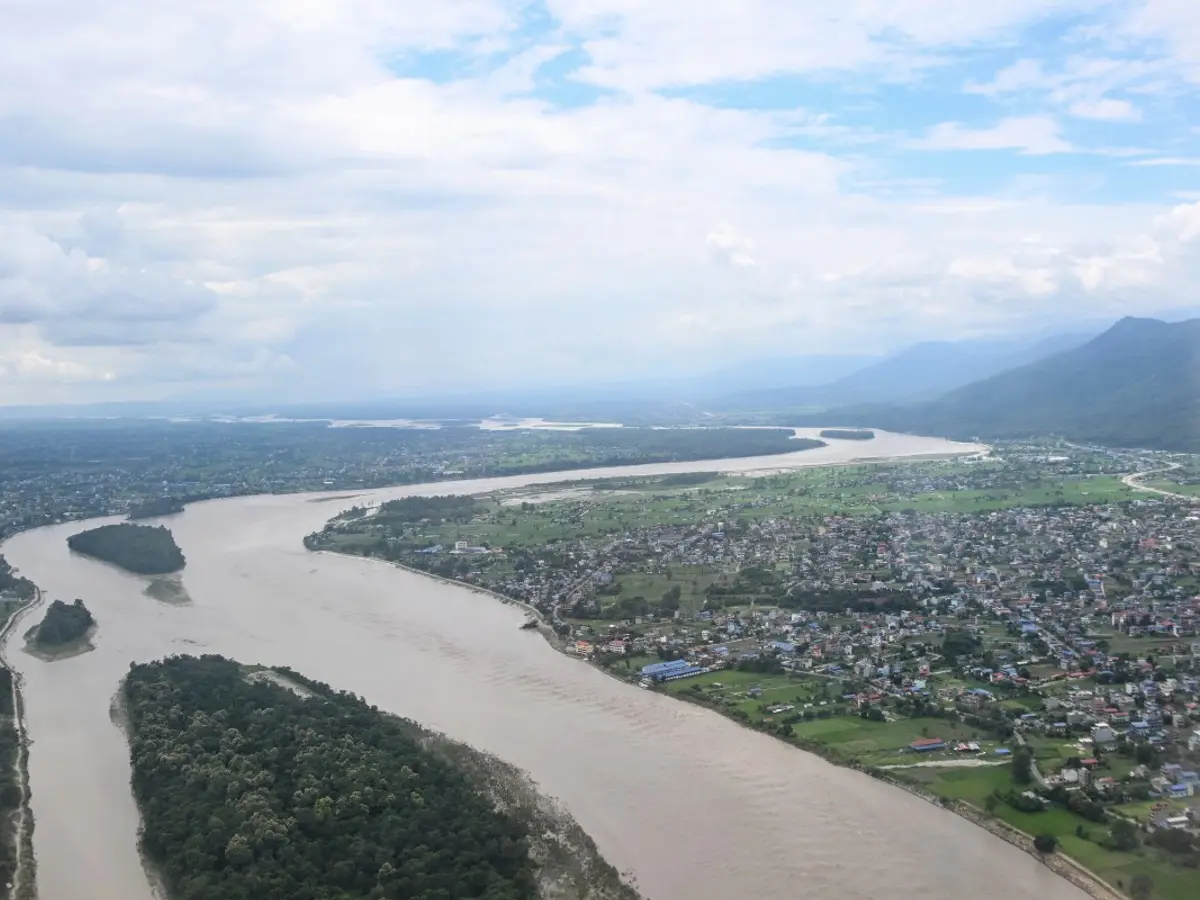
- The disaster struck towns along Nepal’s Bhotekoshi and Trishuli rivers, while the warnings concern Jammu and Kashmir, Ladakh, Himachal Pradesh, Uttarakhand and Sikkim.
- When
- The Nepal floods occurred recently; Mirwaiz Muhammad Umar Farooq addressed the issue in a Friday sermon.
- Why
- Experts say glacial instability, climate change and environmentally damaging development are increasing the risk and potential impact of floods.
Key facts
- Nepal casualties
- Hundreds were reported dead, with many more missing.
- Flood trigger
- A sudden glacial collapse near the Tibet border released water, ice and debris.
- At-risk lakes
- Five glacial lakes in the Kashmir Valley have very high susceptibility to glacial lake outburst floods.
- Early warnings
- India’s National Disaster Management Authority has initiated warning systems for high-risk glacial lakes.
- Past Indian disasters cited
- Kedarnath in 2013, Chamoli in 2021, Sikkim in 2023 and Dharali in 2025 were identified as comparable disasters.
- Population in danger zones
- More than 50 million people across Jammu and Kashmir, Ladakh, Himachal Pradesh, Uttarakhand and Sikkim reportedly live in danger zones.
- Development concerns
- Experts cited mining, infrastructure expansion, deforestation, wetland encroachment and construction near flood channels as risk amplifiers.
Quotes
Mirwaiz Muhammad Umar Farooq
Kashmir’s chief Muslim cleric who delivered a sermon at Srinagar’s Grand Mosque
“Climate change is undoubtedly a major factor, but we must also ask whether our own pattern of development is making the situation more dangerous.”
 deccanchronicle.com
“We are already seeing more intense rainfall, cloudbursts, flash floods and landslides.”
deccanchronicle.com
Sources
Related news

Nepal Floods Spur Calls for Glacier Assessments and Land-Use Reform

Nepal Flash Floods Expose Glacier Risks Amid Climate Concerns
Glacial Floods Expose the Growing Himalayan Disaster Threat
Nepal Floods Expose Himalayan Risks From Warming and Development

Nepal Flash Floods Highlight Himalayan Climate and Dam Risks
Why Nepal Remains Vulnerable to Glacial Floods and Earthquakes

Nepal Thanks India as Glacial Disaster Rescue Efforts Continue
Nepal Warns of Heavy Rain After Deadly Floods
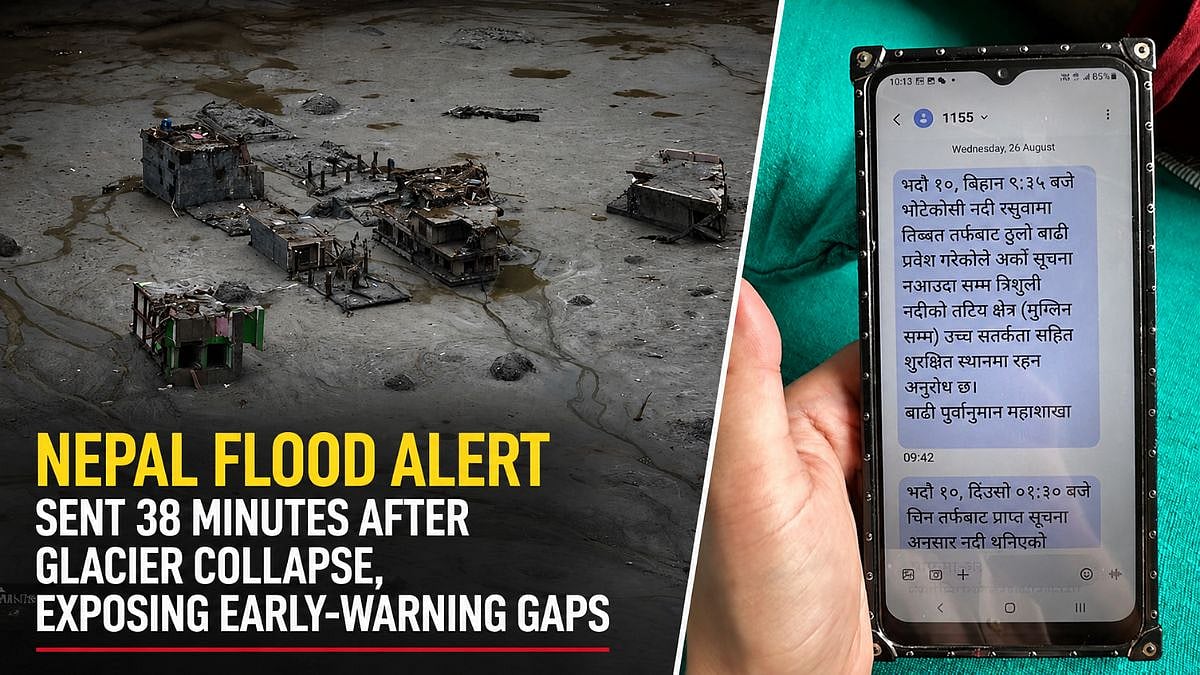
Nepal Flood Exposes Delayed Alerts and Cross-Border Warning Gaps

Bhotekoshi Flood Crisis: Nepal PM Shah Calls for Courage
Nepal PM Thanks India, China Amid Climate Compensation Demand