2 hrs ago
How the Valsalva Manoeuvre May Help Heavy Squats
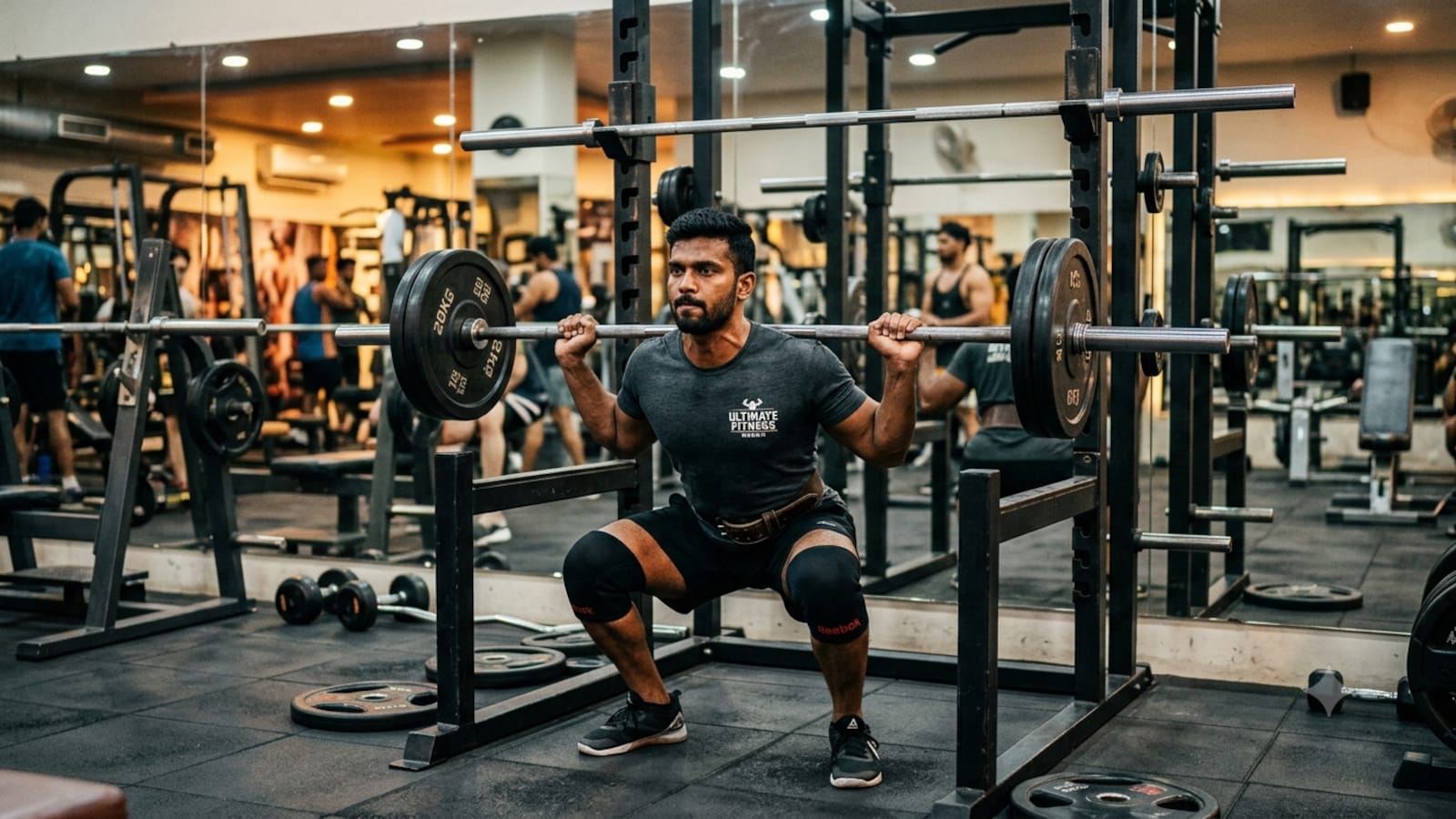
When someone lifts a very heavy weight, their middle body needs to stay firm and steady.
The Valsalva manoeuvre means taking a breath, tightening the belly and briefly holding the breath while lifting.
This can help experienced lifters keep their body stable during a difficult squat.
It does not make muscles stronger by itself; training and recovery are still needed.
Holding the breath can also make blood pressure rise for a short time.
Beginners should learn good squatting and breathing first.
People with certain health problems should ask a doctor before trying this technique.
If squats remain difficult, other things like form, strength, fatigue or mobility may also be involved.

The Valsalva manoeuvre combines a deep breath, abdominal bracing and briefly trying to exhale against a closed airway.
It can increase pressure and stiffness in the trunk, helping experienced lifters maintain stability under heavy squat loads.
The technique may support force transfer and positioning, but it does not directly build muscle strength.
Studies cited in the article report greater temporary cardiovascular responses, including higher blood pressure, with breath-holding than controlled breathing.
Beginners should first learn basic breathing and squat technique; people with cardiovascular conditions or uncontrolled hypertension should consult a doctor before using prolonged breath-holding.
- Who
- The article discusses experienced strength athletes, beginners, and people with cardiovascular conditions or uncontrolled hypertension.
- What
- The article explains how the Valsalva manoeuvre may support trunk stability during heavy squats and describes its blood-pressure risks.
- Where
- During heavy resistance exercises, especially squats and deadlifts.
- When
- The technique is used briefly during the demanding part of a heavy lift.
- Why
- Bracing may make the torso more rigid and help lifters maintain position under heavy loads.
Potential Benefits
Risks and Cautions
Use during heavy squats
Potential Benefits
For experienced lifters, the manoeuvre may improve trunk stiffness, stability and control under heavy loads.
Risks and Cautions
It is not needed for every light or moderate set, and beginners should establish basic technique before using it with very heavy loads.
Breath-holding and health
Potential Benefits
The article says it is not inherently dangerous for a healthy, experienced lifter when used appropriately.
Risks and Cautions
Studies cited report higher temporary blood pressure and other cardiovascular responses; people with relevant medical conditions should seek medical advice.
Key facts
- Technique
- Take a deep breath, brace the abdomen and briefly attempt to exhale against a closed airway.
- Potential benefit
- Greater trunk stiffness and stability while handling a heavy load.
- Strength effect
- The manoeuvre does not directly increase muscle strength.
- Blood pressure
- Breath-holding during lifting can produce greater temporary cardiovascular responses than controlled breathing.
- Beginners
- Should learn basic breathing, bracing and squat technique before using prolonged breath-holding with maximal or near-maximal loads.
- Medical caution
- People with cardiovascular disease, uncontrolled hypertension or other medical conditions should consult a doctor before using prolonged breath-holding during heavy lifting.
- Other performance factors
- Mobility, strength, load selection, fatigue and technique can also affect squat performance.
Sources
Related news
Seven Bench Press Mistakes That May Increase Injury Risk

Z Press Builds Shoulder Strength Through Controlled Seated Pressing
Deadlift Mistakes That Can Ruin Form and Increase Injury Risk

Kriti Sanon's Stability-Ball Gym Move Tests Core Strength And Control

PV Sindhu’s Single-Leg Workout Builds Athletic Strength and Control
Running or Squats: Which Better Supports Heart Health?
Calisthenics Offers Effective Training and Complements Weightlifting

Why Combining Yoga With Exercise Creates a Balanced Routine

Yo Yo Honey Singh Shares Body Recomposition Fitness Preparation

Doctor Explains 80% Hydration Rule for Safer Running