2 hrs ago
Seven Bench Press Mistakes That May Increase Injury Risk
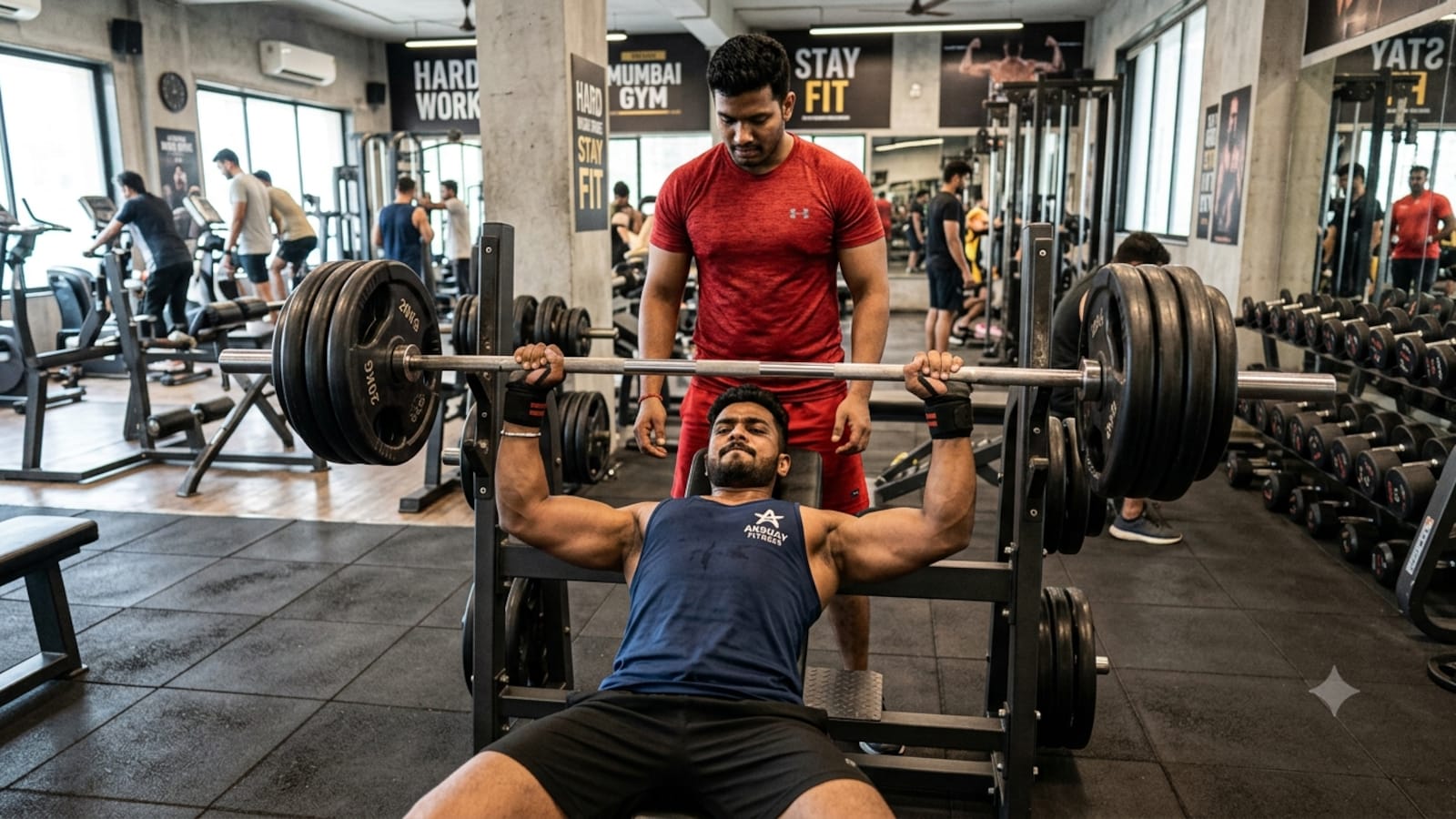
The bench press can help make your upper body stronger.
But using poor technique can increase the chance of getting hurt.
Do not lift more weight than you can control.
Lower the bar slowly instead of bouncing it off your chest.
Keep your elbows, wrists and shoulders in stable positions.
Plant your feet firmly and avoid moving them during the lift.
Use a spotter or safety arms when lifting heavy weights.
Warm up, increase weight gradually and stop if you have ongoing pain.

Using more weight than you can control may compromise technique and increase joint stress.
Excessive elbow flaring, bouncing the bar and bent-back wrists can reduce control and add unnecessary strain.
Stable shoulders, wrists and feet help maintain a consistent bench-press position.
Heavy sets performed without a spotter or properly positioned safety arms can become dangerous.
Warm up, progress gradually and stop training through persistent pain; seek professional advice when needed.
- Who
- People performing the bench press, including new and experienced strength trainees.
- What
- Guidance on seven common bench-press mistakes and ways to perform the exercise more safely.
- Where
- When
- During bench-press workouts, particularly when lifting heavy or training close to maximum capacity.
- Why
- To reduce unnecessary stress on the shoulders, elbows, wrists and chest and to support safer strength progression.
Key facts
- Main risk
- Poor technique, excessive weight and a lack of control may increase injury risk.
- Weight selection
- Use a load that allows controlled repetitions and consistent form.
- Bar movement
- Lower the bar steadily and avoid bouncing it off the chest.
- Body position
- Keep the wrists, shoulders, shoulder blades and feet stable throughout the set.
- Heavy lifting safety
- Use an appropriately positioned spotter or properly positioned rack safety arms when needed.
- Progression
- Warm up and increase weight gradually as strength improves.
- Pain response
- Stop the exercise and seek advice from a qualified healthcare professional or physiotherapist for persistent pain.
Sources
Related news
Deadlift Mistakes That Can Ruin Form and Increase Injury Risk
Z Press Builds Shoulder Strength Through Controlled Seated Pressing

Arnold Schwarzenegger Demonstrates T-Bar Rows at 79
Seven Arm Exercises For Building Biceps And Triceps
How 5/3/1’s Four-Week Strength Programme Builds Power Gradually