1 hr ago
Deadlift Mistakes That Can Ruin Form and Increase Injury Risk
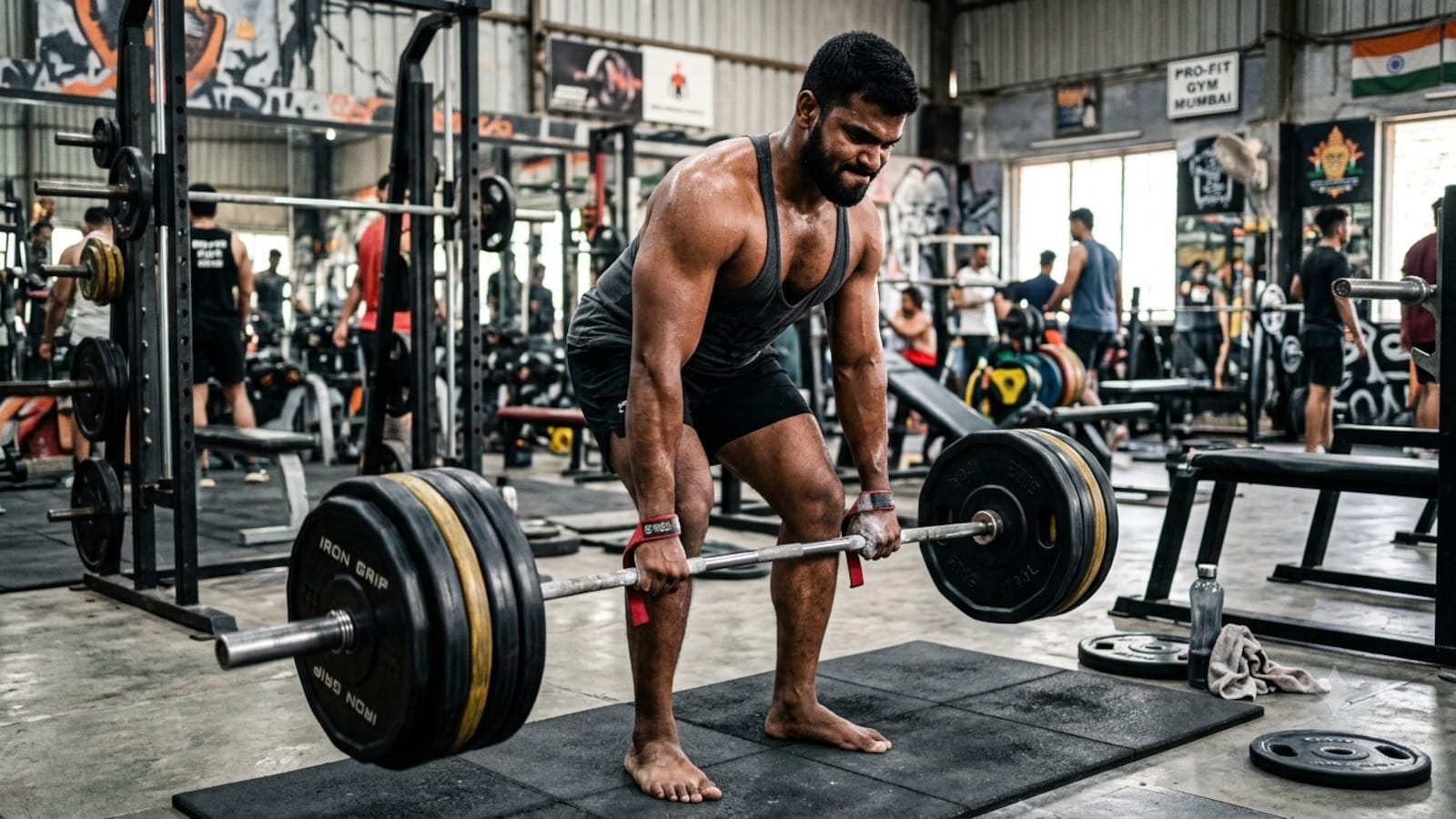
A deadlift is an exercise where you lift a weight from the floor.
It works your legs, hips, back, core, and grip.
Good form helps you control the weight and reduce injury risk.
Keep your back controlled and the bar close to your body.
Tighten your stomach before lifting and pull smoothly instead of jerking the bar.
Let your hips and legs do most of the work, while keeping your arms straight.
Do not lean backward or look far upward at the top.
Use a weight you can control and increase it slowly.
Stop if you feel sharp pain, numbness, weakness, or pain traveling into your leg.

Rounding the back, losing core tension, or using excessive weight can increase injury risk.
The bar should begin over the mid-foot and stay close to the body throughout the lift.
Deadlifters should use their hips and legs rather than bending their arms to lift the weight.
A controlled setup, smooth pull, neutral head position, and stable lockout support better technique.
Stop lifting for sharp pain, radiating leg pain, numbness, or weakness, and seek professional assessment for persistent symptoms.
- Who
- Beginners and experienced gym-goers performing deadlifts, with guidance from fitness experts and qualified coaches.
- What
- Advice on avoiding 10 common deadlift technique errors and recognizing when to stop exercising.
- Where
- In strength-training or gym settings while lifting a barbell from the floor.
- When
- During deadlift setup, lifting, lockout, and progression to heavier weights.
- Why
- To improve control and effectiveness while reducing the risk of strains and other injuries.
Key facts
- Exercise
- Deadlift
- Primary muscles
- Glutes, hamstrings, back, and core
- Key technique
- Brace the trunk and keep the bar close to the body
- Common problem
- Using more weight than can be controlled
- Progression advice
- Increase the load gradually while maintaining consistent technique
- Stop signs
- Sharp pain, sudden back pain, radiating leg pain, numbness, or weakness
- Professional guidance
- Beginners may benefit from technique assessment by a qualified strength and conditioning professional or experienced coach