

1 hr ago
PV Sindhu’s Single-Leg Workout Builds Athletic Strength and Control
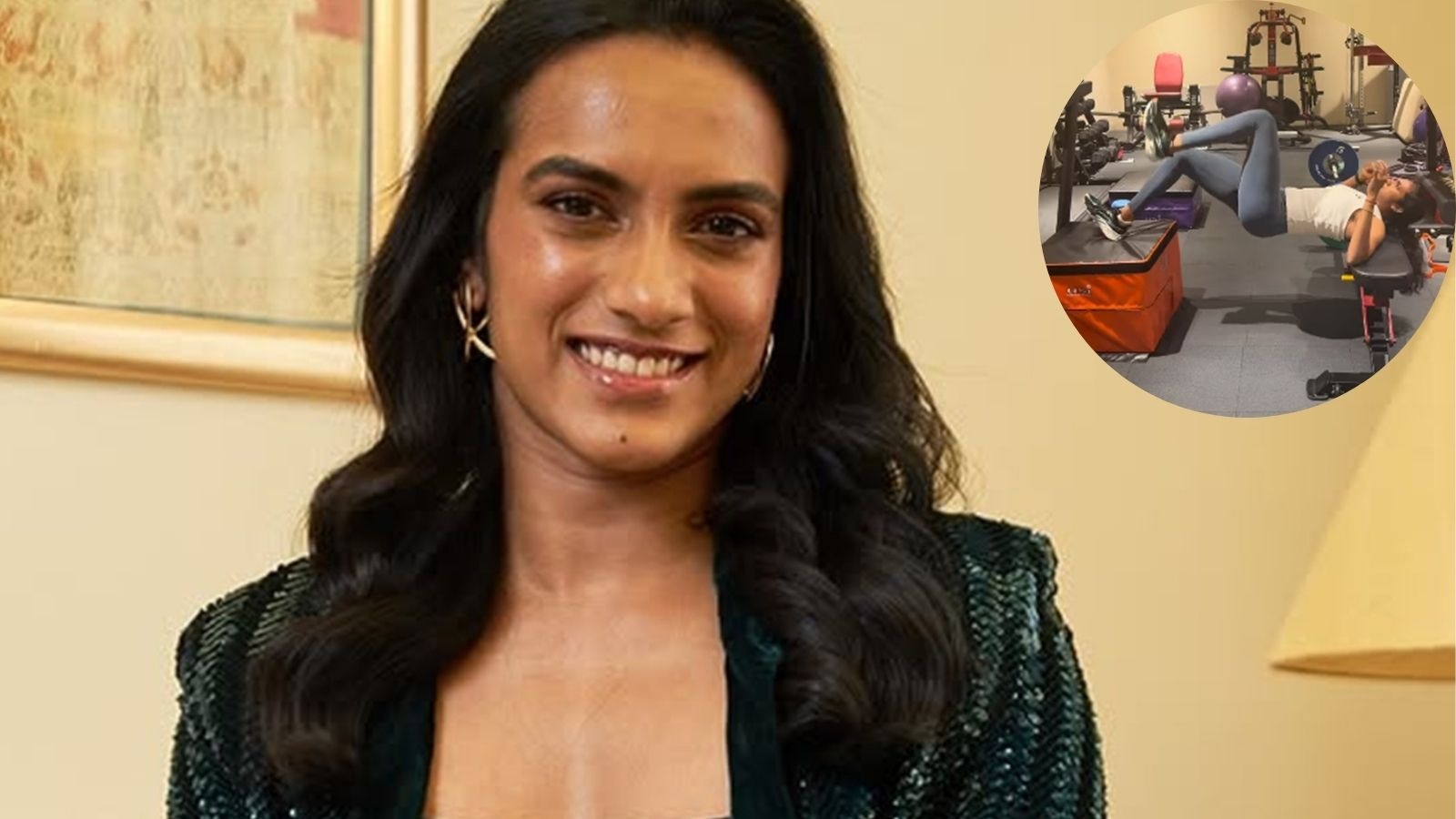
PV Sindhu shared a workout where one leg does most of the work.
The exercise is called a single-leg hip thrust or single-leg glute bridge variation.
It strengthens the muscles in the hips, legs, and middle of the body.
These muscles help badminton players jump, lunge, stop, and change direction.
The exercise is difficult because the body must stay balanced and straight.
The hips should remain level, and the knee should not move inward.
The movement should be performed slowly instead of using speed or heavy weight.
Beginners should first practice regular glute bridges and gradually build up to this version.

PV Sindhu demonstrated a single-leg hip thrust or single-leg glute bridge variation in an Instagram workout post.
The unilateral exercise targets the glutes, hamstrings, hip stabilisers, and core while challenging balance and coordination.
Fitness expert Garima Goyal said the movement can support badminton actions such as lunges, jumps, stops, and single-leg landings.
Proper form requires a stable pelvis, aligned knee, engaged core, controlled spine, and pressure through the heel or mid-foot.
Beginners are advised to progress from regular glute bridges to two-leg hip thrusts, then single-leg variations before trying the elevated version.
- Who
- Badminton champion PV Sindhu and fitness expert Garima Goyal.
- What
- Sindhu demonstrated a controlled single-leg hip thrust or single-leg glute bridge variation.
- Where
- In a workout post shared on Instagram; the exercise uses a bench and an elevated platform.
- When
- In Sindhu’s latest workout post; the article does not provide a specific date.
- Why
- The exercise develops lower-body strength, balance, stability, and control relevant to athletic movement, especially badminton.
Key facts
- Exercise
- Single-leg hip thrust or single-leg glute bridge variation
- Primary muscles
- Gluteus maximus, hamstrings, hip stabilisers, and core
- Athletic relevance
- Supports lunges, jumps, sudden stops, directional changes, and single-leg landings
- Key form cues
- Keep the pelvis level, knee aligned, core engaged, and spine controlled
- Recommended progression
- Regular glute bridge, two-leg hip thrust, single-leg glute bridge, then elevated single-leg hip thrust
- Workout message
- Strength training is about power, control, balance, alignment, and precision rather than appearance alone
Quotes
Garima Goyal
Consultant dietitian and fitness expert quoted in the article
“A regular glute bridge on the floor is a better starting point. Once that becomes easy, the next step can be a hip thrust with both feet on the floor, followed by a single-leg glute bridge, and only then an elevated single-leg hip thrust like the one Sindhu is performing.”
 indianexpress.com
“The exercise works by placing most of the load on one leg while the other leg stays lifted. From this position, Sindhu drives through the working foot and lifts her hips upward, then lowers them with control.”
indianexpress.com
Sources
Related news
Janhvi Kapoor Shares Leg Workout Routine
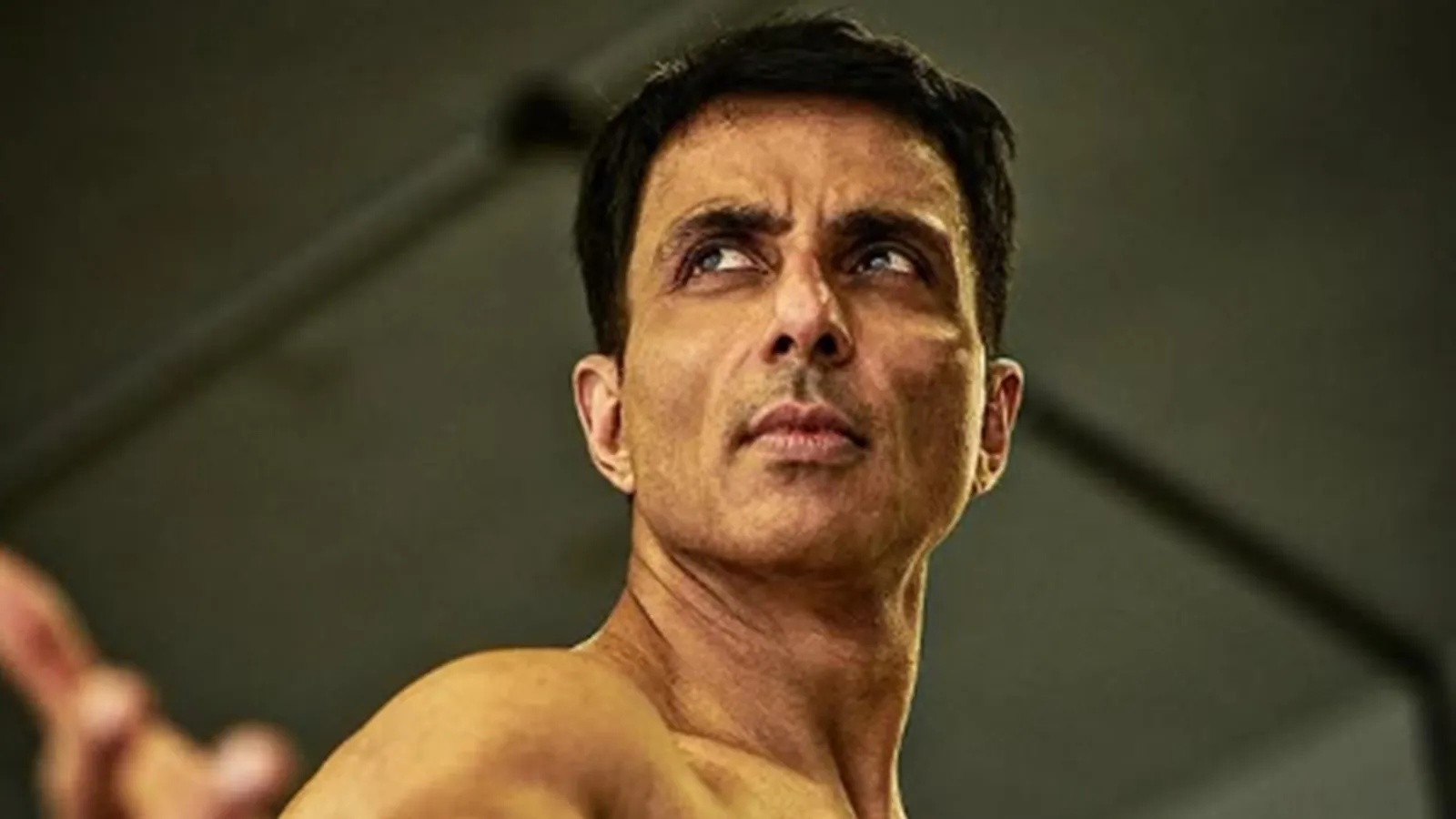
Sonu Sood Demonstrates Tricep Dips for Stronger Arms

Janhvi Kapoor’s Leg-Day Workout Targets Thighs, Hips and Calves

Jyotika Shares Core Workout After Viral Dumbbell Balance Moment
Jyotika Shares Demanding Full-Body Workout Focused on Strength
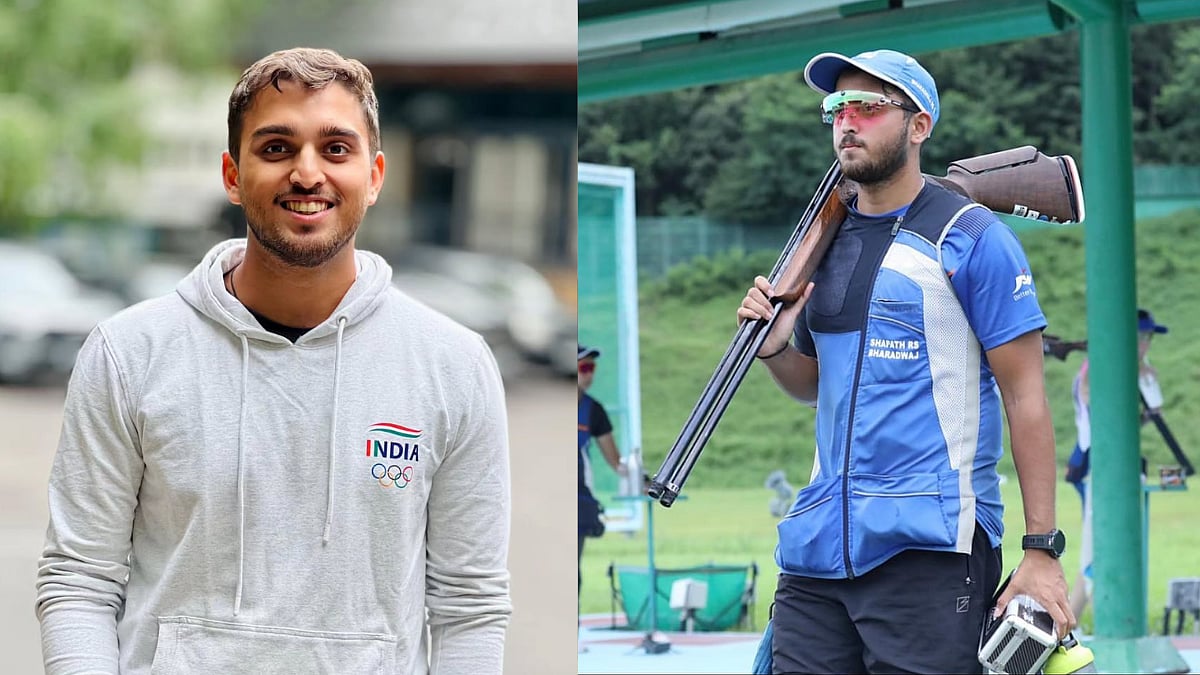
Shapath Bharadwaj Targets Asian Games Glory After Career Reset
Elavenil, Suchika Lead India’s Strong Asian Games Opening Day
India Crushes Kazakhstan, Reaches Asian Games Badminton Quarterfinals

PV Sindhu Discusses Passion, Criticism Ahead of Asian Games
Asian Games Invite Viewers to Appreciate Elite Sporting Skill
