40 mins ago
Why Combining Yoga With Exercise Creates a Balanced Routine

People often combine yoga with other exercises to train their bodies in different ways.
Running, cycling, swimming, and weightlifting can make some muscles tight.
Yoga stretches those muscles and helps joints move more easily.
Gentle yoga can also be used on rest days to help sore muscles recover.
Moving lightly may improve blood flow to tired muscles.
Yoga breathing can help slow the heart rate after hard exercise.
Yoga poses also strengthen the core, which supports the spine.
Better posture and alignment may make lifting and running safer.

Combining yoga with running, swimming, cycling, or weightlifting can create a more balanced fitness routine.
Yoga stretches muscles tightened by repetitive activities and helps preserve joint mobility.
Low-intensity yoga can support recovery by increasing circulation and reducing next-day muscle fatigue.
Breathing techniques used in yoga may lower heart rate and aid the recovery process.
Yoga poses strengthen deep core muscles, improving posture, alignment, and movement during other exercises.
- Who
- Fitness enthusiasts and people who participate in running, cycling, swimming, weightlifting, or other regular exercise.
- What
- They are combining yoga with other forms of exercise to improve flexibility, recovery, core strength, posture, and movement.
- Where
- When
- The article discusses using yoga during regular training and on rest days, including 20-minute low-intensity sessions.
- Why
- To support joint mobility, reduce stiffness and muscle fatigue, aid recovery, and improve alignment during physical activity.
Key facts
- Common combinations
- Yoga may be combined with weightlifting, running, swimming, or cycling.
- Flexibility benefit
- Yoga can stretch muscles tightened by repetitive activities, including the hamstrings and hip flexors.
- Recovery approach
- A low-intensity 20-minute yoga session may be used as active recovery on rest days.
- Reported recovery effects
- Active recovery is described as reducing next-day muscle fatigue and supporting blood circulation.
- Core training
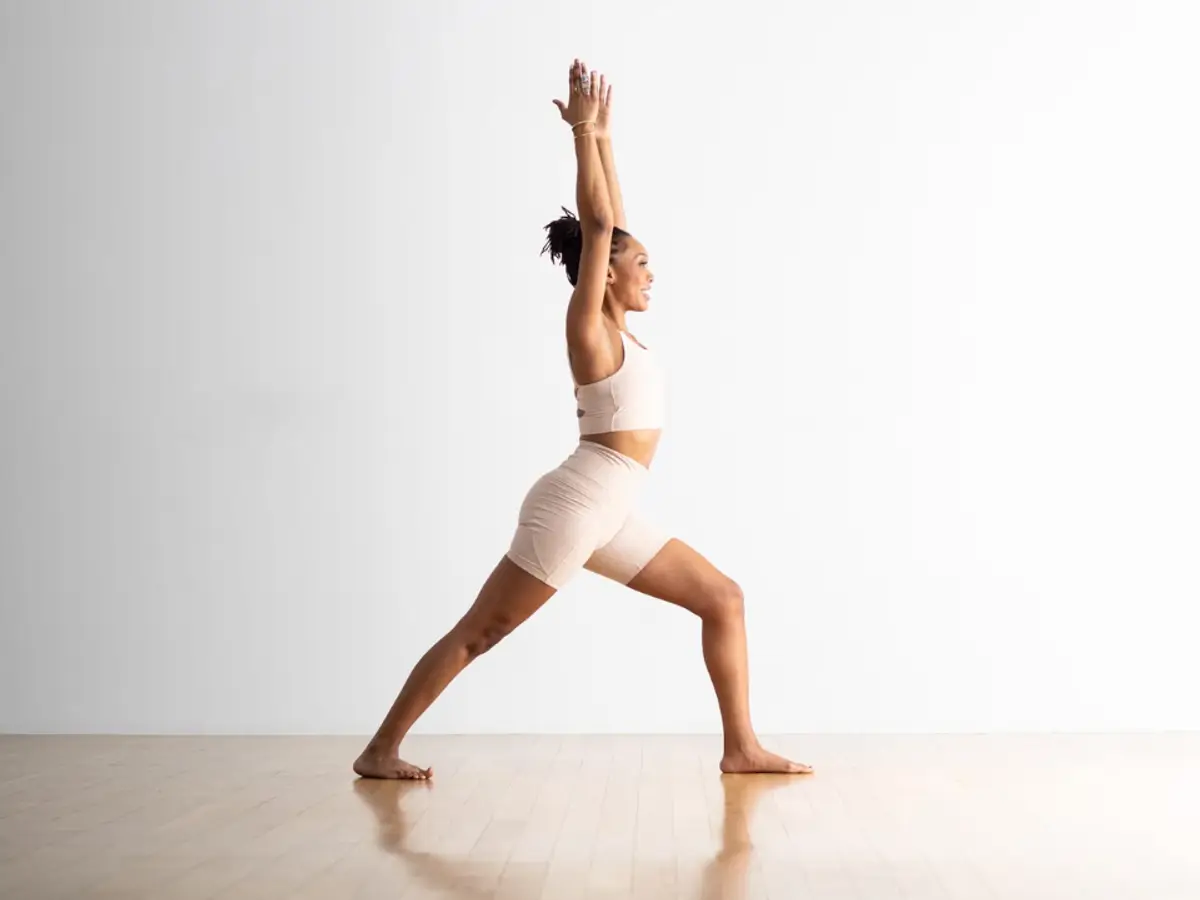
- Plank and warrior poses engage deep core muscles that support the spine.
- Professional guidance
- The American College of Sports Medicine is cited as recommending a regular flexibility program to preserve joint range of motion and reduce musculotendinous injury risk.
Sources
Related news

Walking and Yoga Offer Complementary Paths to Daily Fitness
Daily Yoga May Improve Flexibility, Posture, Stress, and Digestion
Why Yoga Becomes More Important for Healthy Ageing
Yoga safety tips for beginners: avoid injury, use props

Randeep Hooda’s Fitness Routine Combines Powerlifting With Walking

Avoid These Common Mistakes Before Your Next Yoga Session

Yo Yo Honey Singh Shares Body Recomposition Fitness Preparation

Doctor Explains 80% Hydration Rule for Safer Running

Does training to failure build better muscle strength?