3 hrs ago
Oil Falls as Hormuz Flows and US-Iran Diplomacy Ease Fears

Oil prices went down for four days in a row in the latest report.
Traders were watching whether countries could keep moving oil through the Strait of Hormuz.
A US military commander said oil and gas shipments through the waterway were at their highest level in six months.
This made some traders think the worst supply problems might be ending.
However, Saudi Arabia still faced security threats and was repairing a damaged pipeline.
President Donald Trump said he might meet Iran’s president at the United Nations.
Qatar said it was passing messages between the United States and Iran.
Attacks on energy facilities in the Middle East and Russia have made fuel more expensive and added to inflation.

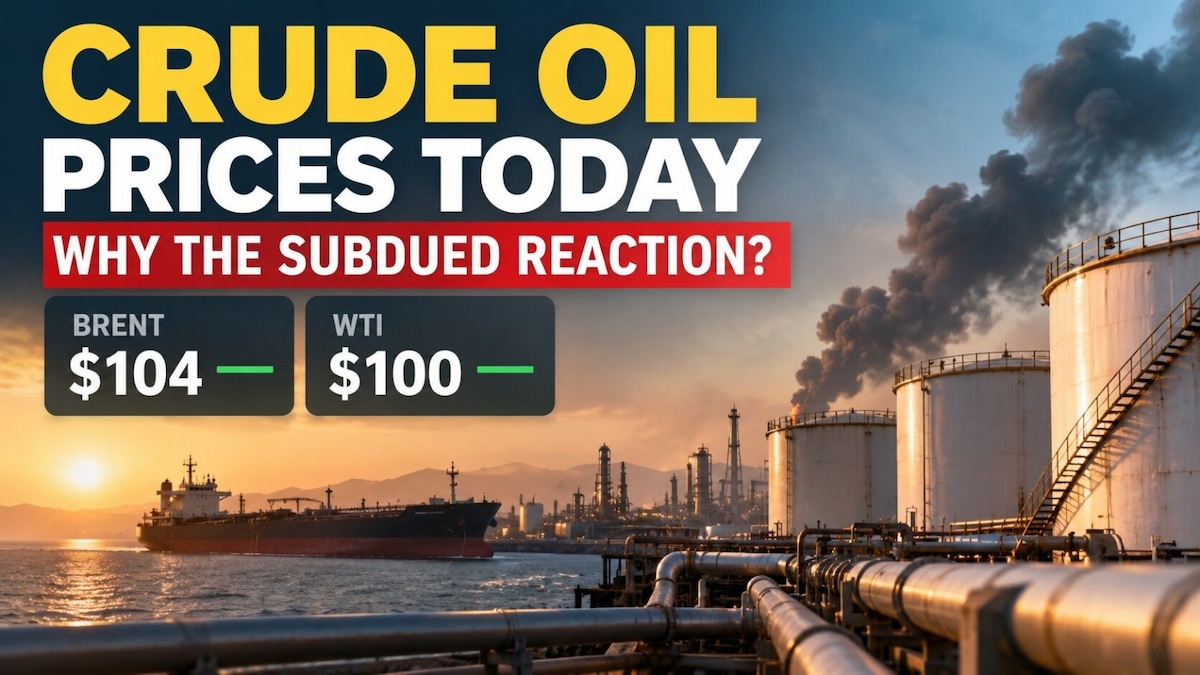
Oil prices fell for a fourth day, with Brent near $101 and West Texas Intermediate below $98 in the latest report.
Traders cited diplomatic efforts involving the United States and Iran and continued shipments through the Strait of Hormuz.
Admiral Brad Cooper said crude and liquefied natural gas flows through Hormuz reached a six-month high, though supply risks remained.
Saudi Arabia issued air-raid alerts and continued working to restore its damaged East-West pipeline.
Attacks on energy infrastructure in the Middle East and Russia have tightened fuel markets and increased global inflationary pressures.
- Who
- Oil traders, the United States, Iran, Saudi Arabia, Qatar, and parties involved in attacks on energy infrastructure.
- What
- Oil prices declined as traders assessed supply risks, Hormuz shipments, and diplomatic efforts to end the US-Iran war.
- Where
- The Strait of Hormuz, Saudi Arabia, the Red Sea, Iran, and the Moscow Oil Refinery.
- When
- The latest report describes a fourth consecutive day of declines and events occurring ahead of the United Nations General Assembly this week.
- Why
- Diplomatic efforts and stronger Hormuz flows eased some supply concerns, while attacks and infrastructure damage continued to threaten fuel markets.
Supply Risks Persist
Conditions Are Improving
Oil-market outlook
Supply Risks Persist
Saudi security alerts, the damaged East-West pipeline, and attacks on energy infrastructure show that supply risks remain.
Conditions Are Improving
Higher shipments through the Strait of Hormuz suggest that the worst of the supply crunch may have passed.
Diplomacy and prices
Supply Risks Persist
Diplomatic contacts have not yet removed the risks created by the US-Iran war and regional attacks.
Conditions Are Improving
Possible talks between Donald Trump and Masoud Pezeshkian, along with Qatar’s mediation, could reduce supply concerns.
Market direction
Supply Risks Persist
Analysts said conditions for a sustained decline were not yet in place, and Brent could remain around $100.
Conditions Are Improving
Oil’s fourth consecutive daily decline reflected traders’ belief that supply conditions were transitioning away from deterioration.
Key facts
- Brent crude
- Dropped toward $101 a barrel in the latest report; an earlier report placed it near $104.
- West Texas Intermediate
- Traded below $98 in the latest report and below $100 in the earlier report.
- Hormuz shipments
- Crude and liquefied natural gas flows were reported at a six-month high.
- Saudi security
- Air-raid alerts were issued for Riyadh and warnings were issued in Red Sea hubs including Yanbu.
- Saudi East-West pipeline
- Operations were being restored after the pipeline was damaged in attacks earlier in the month.
- Diplomatic efforts
- Donald Trump said he would probably consider meeting Masoud Pezeshkian at the United Nations, while Qatar said messages were being exchanged.
- Russian energy infrastructure
- The Moscow Oil Refinery was hit during a large Ukrainian drone barrage, tightening fuel markets, especially diesel.
Quotes
Xuyi Zhao
Senior oil analyst at Guotai Junan Futures
“The market is transitioning from deteriorating supply conditions to a stage where the worst of the crunch may have passed”
 livemint.com
Sources
Related news

Oil Prices Extend Losses as Hormuz Talks Raise Supply Hopes

Oil prices edge lower amid United States-Iran war uncertainty

Oil Falls as Iran War Diplomacy Eases Hormuz Fears
Oil Prices Rise as US-Iran Ceasefire Hopes Fade

Oil Steadies as Trump Signals Iran Strikes May Be Brief
Brent Surges Above $100 as US-Iran Fighting Threatens Oil Supplies
Iran Threatens Painful Regional Attacks If US Resumes Action
Qatar Says US Seeks Iran Deal Amid Talks Effort

US Warns Americans to Leave Iran as Tehran Threatens Retaliation
Oil prices slip as Saudi exports show signs of recovery
Trump Weighs Deal, Pressure or Escalation as Iran Sets Terms