1 hr ago
US Warns Americans to Leave Iran as Tehran Threatens Retaliation
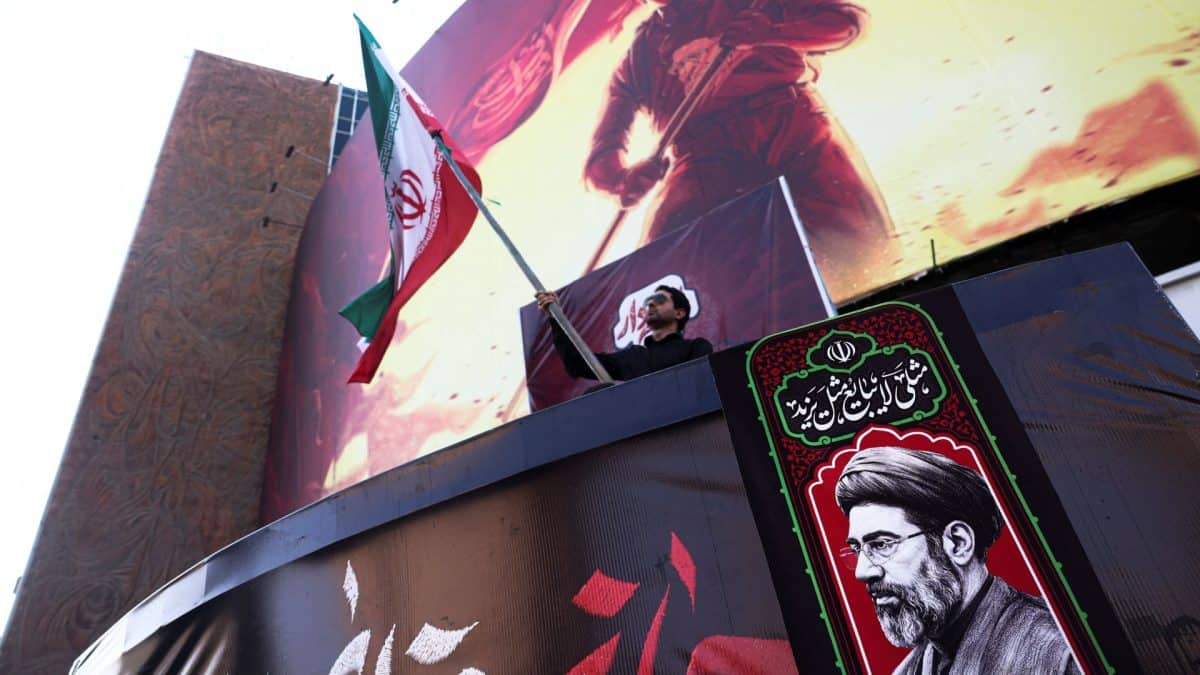
The United States warned its citizens not to travel to Iran.
Americans already there were told to leave.
Officials fear fighting in the region could grow quickly.
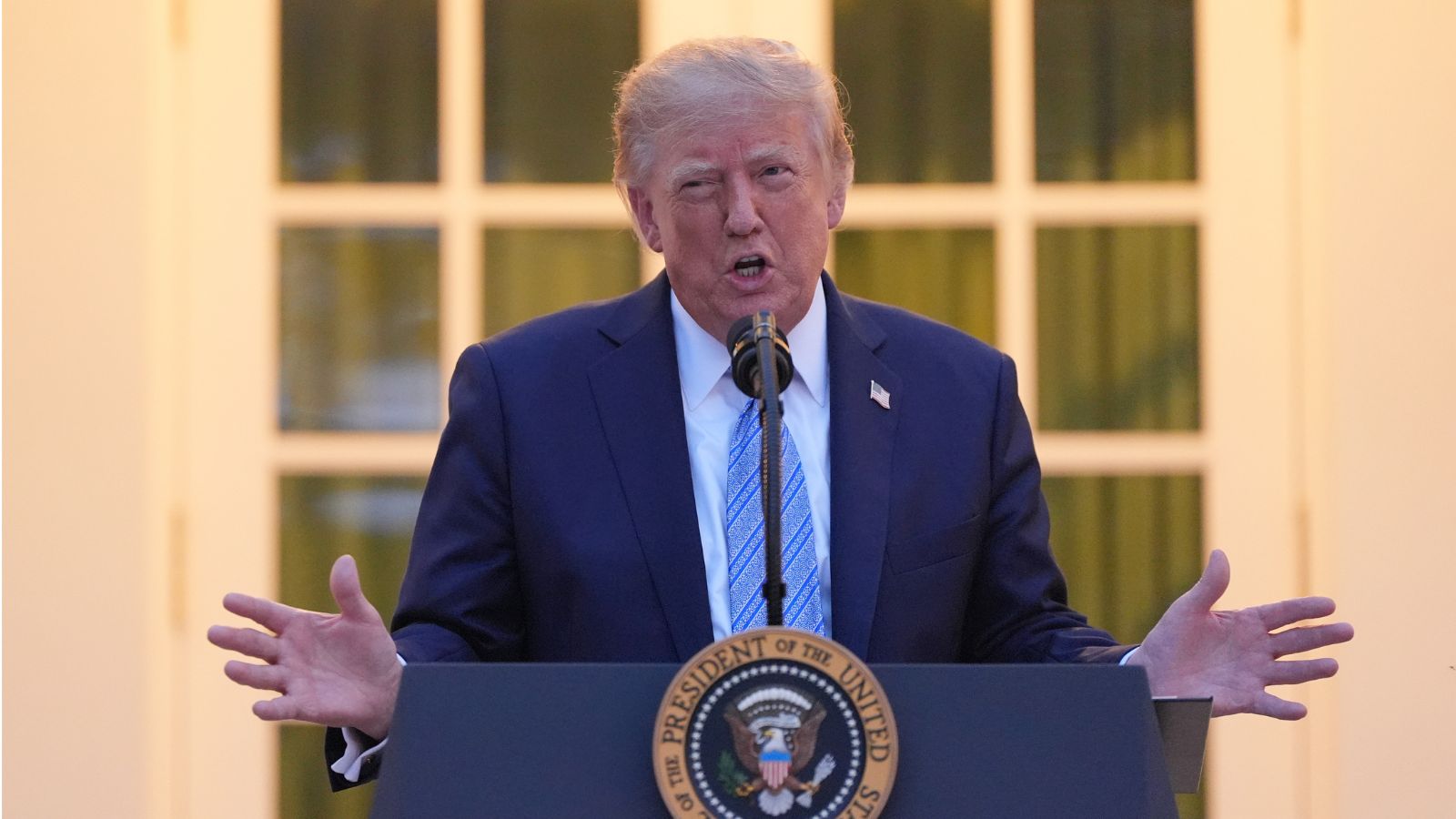
President Donald Trump said he was considering several choices involving Iran.
Iran warned that it would attack US bases and interests if the US attacked first.
Qatar has been trying to help restart talks between Iran and the United States.
Yemen’s Houthi movement also threatened stronger action against Saudi Arabia.
The Houthis said they wanted an end to what they called a Saudi blockade.
These warnings have increased concerns about travel, shipping and energy supplies in the region.

The US Virtual Embassy in Iran urged Americans not to travel there and advised those already in the country to leave immediately.
US alerts warned of possible flight cancellations, airspace closures, changing land-border procedures and rapid regional escalation.
President Donald Trump said the United States was considering military action, economic pressure or a deal with Iran.
Iranian officials threatened sustained attacks on US bases and interests if Washington resumed military action.
Houthi leader Mahdi al-Mashat threatened escalation against Saudi Arabia while claiming non-Saudi shipping in the Red Sea would remain safe.
- Who
- The United States, Iran, Yemen’s Houthi movement, Saudi Arabia and Qatar are central to the developments.
- What
- The US issued a travel warning for Iran, while Iran and the Houthis threatened retaliation or escalation amid regional tensions.
- Where
- The tensions involve Iran, Saudi Arabia, Yemen, the Red Sea, the Bab el-Mandeb Strait, the Strait of Hormuz and wider West Asia.
- When
- The alerts and statements were issued on Sunday and Monday, with the developments occurring ahead of that week’s United Nations General Assembly.
- Why
- The warnings followed heightened tensions, reported Houthi attacks on Saudi Arabia and uncertainty over whether the United States might resume military action against Iran.
US and Saudi perspectives
Iranian and Houthi perspectives
Responsibility for regional attacks
US and Saudi perspectives
The United States considers the Houthis an Iranian proxy force and maintains that attacks on Riyadh could not occur without approval from Tehran. Saudi Arabia said missiles targeting the country were intercepted.
Iranian and Houthi perspectives
Iran rejected the claim that it directs the Houthi attacks. The Houthis described their actions as a response to what they called a Saudi blockade and framed them as escalation for escalation.
Possible US military action
US and Saudi perspectives
Donald Trump said the United States was considering military action, economic pressure or a negotiated deal, while the reports said Washington was uncertain about expanding the conflict.
Iranian and Houthi perspectives
Iranian officials warned that any US attack would trigger sustained retaliation against American bases and interests, potentially including US naval forces in the Indian Ocean.
Negotiation versus confrontation
US and Saudi perspectives
Qatar's mediators have been working with Tehran and Washington to restart negotiations, while the United States maintains pressure and evaluates its options.
Iranian and Houthi perspectives
Iranian Parliament Speaker Mohammad Baqer Qalibaf said Tehran would pursue both military action and diplomacy, fighting adversaries while negotiating when appropriate.
Key facts
- US travel guidance
- Americans were told not to travel to Iran for any reason and those already there were advised to leave.
- Possible disruptions
- US alerts cited possible flight cancellations, airspace closures, travel disruptions and sudden changes at land borders.
- Trump's options
- Donald Trump said the United States was weighing military action, continued economic pressure or a deal.
- Iranian warning
- Iranian military officials said US bases and interests in the region could face continuous, effective and painful attacks after any US attack.
- Qatar's role
- Qatar said it had spent about two weeks exchanging ideas and working to restart Iran-US negotiations.
- Houthi position
- Mahdi al-Mashat demanded an end to what he called a Saudi blockade, reopening of airports and ports, restoration of Yemen's resources and compensation.
- Maritime claims
- The Houthi government said 318 ships passed through the Bab el-Mandeb Strait between September 10 and 18, while claiming non-Saudi shipping would remain safe.
Quotes
Khatam al-Anbiya Central Headquarters
Iranian military headquarters quoted by state-run IRNA
“Due to tensions in the Middle East, the security environment remains complex with the potential for unforeseen escalation. Americans currently in the Middle East should exercise heightened vigilance and be aware of potential flight cancellations, airspace closures, and travel disruptions.”
 firstpost.com
“Should the United States make any mistake against the Islamic Republic of Iran, all its bases and interests in the region will be targeted in continuous, effective and painful attacks without any limitation or consideration.”
 livemint.com

Mahdi al-Mashat
Head of Yemen’s Houthi-run Supreme Political Council
“Our options will escalate, God willing, and take more painful forms, and we will not retreat from our rights even if we pay with our lives”
livemint.com
Sources

Related news
US Warns Citizens to Leave Iran Amid Rising Regional Tensions
US Issues Middle East Travel Warning After Houthi Attacks
US Warns Saudi-Houthi Fighting Could Escalate Rapidly After Riyadh Attack
Iran Warns of Fresh US Attack, Vows Sustained Retaliation
Iran Warns of US Strikes as Middle East Alerts Spread
Trump Signals Decisive Iran Action Amid Regional Escalation
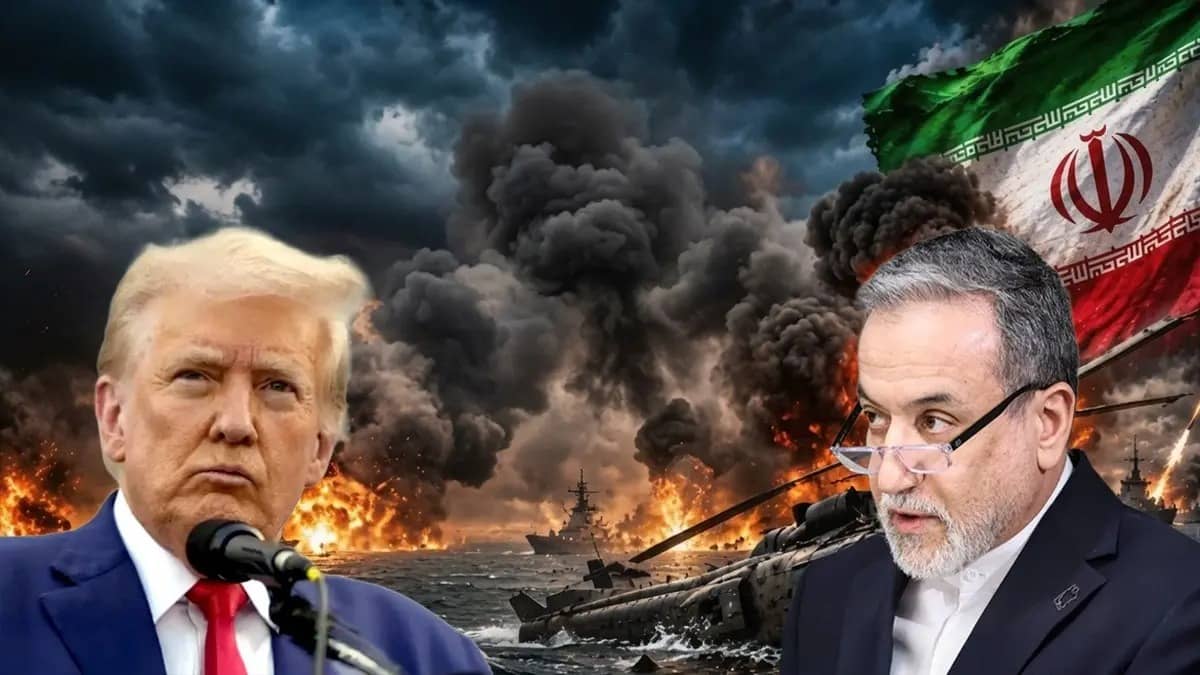
Iran Threatens Painful Regional Attacks If US Resumes Action
Qatar Says US Seeks Iran Deal Amid Talks Effort

Oil prices slip as Saudi exports show signs of recovery
Trump Weighs Deal, Pressure or Escalation as Iran Sets Terms