1 hr ago
Oil prices edge lower amid United States-Iran war uncertainty

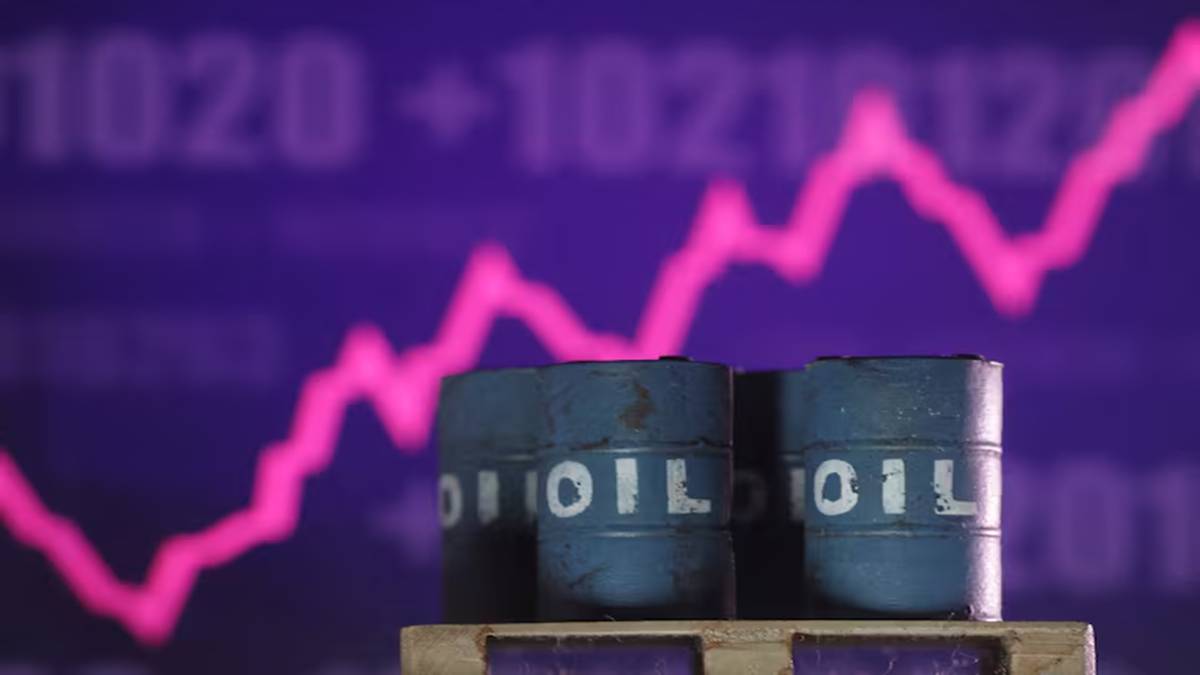
Oil prices dipped slightly as traders watched new fighting between the United States and Iran.
People are worried that the conflict could interrupt oil shipments from the Middle East.
Brent oil fell to $95.20 per barrel, and WTI fell to $90.77.
Prices had moved up and down sharply the day before.
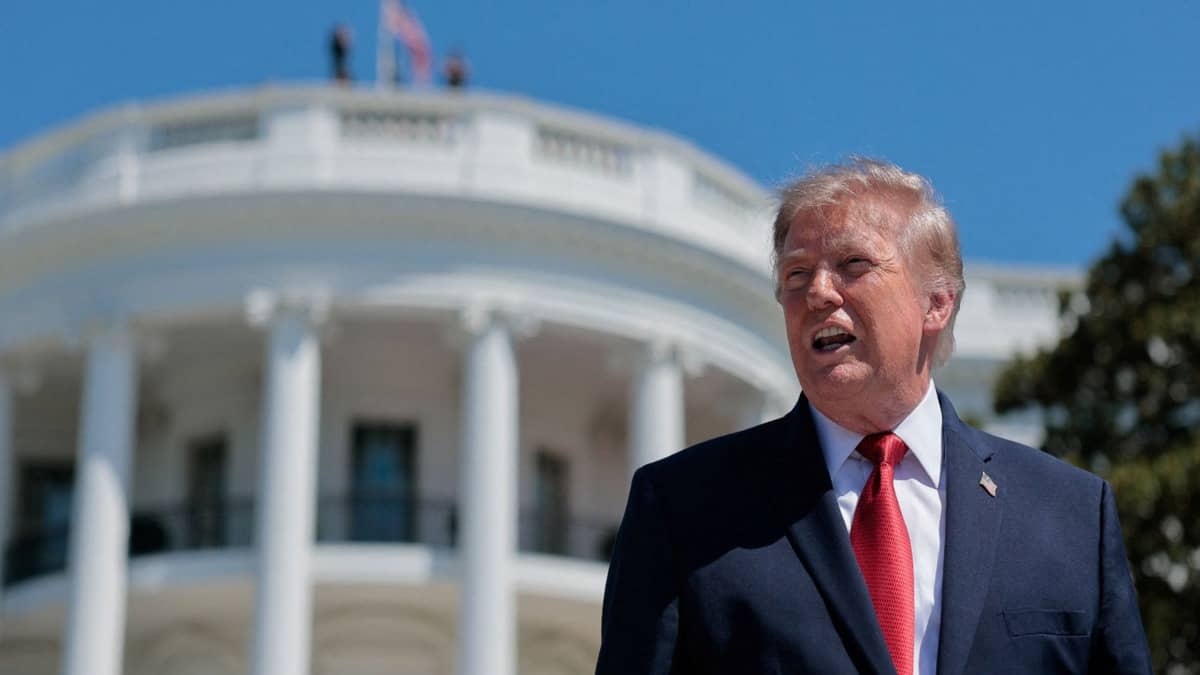
President Donald Trump said the United States had attacked Iranian radar and missile systems.
He also said the military campaign would not last too long.
Fewer ships than usual passed through the Strait of Hormuz.
Iran warned that some ships could be fined, seized, or detained.
At the same time, United States oil supplies fell last week, which can support prices.

Brent crude fell 43 cents to $95.20 a barrel, while WTI declined 24 cents to $90.77.
Prices fluctuated sharply in the previous session, reaching their highest levels since July 24.
Renewed United States-Iran strikes raised concerns about possible Middle East crude-supply disruptions.
Only four commodity vessels crossed the Strait of Hormuz, below the 10-day average of about 13.
United States crude inventories fell by 4.5 million barrels last week, their first decline since late July.
- Who
- The United States, Iran, oil traders, President Donald Trump, and shipping operators are involved.
- What
- Oil prices edged lower as investors assessed renewed United States-Iran military strikes and possible threats to crude shipments.
- Where
- The military activity and shipping concerns center on Iran and the Strait of Hormuz, while inventory data came from the United States.
- When
- Prices were reported on Thursday; the conflict was described as entering its seventh month.
- Why
- Investors were weighing possible Middle East supply disruptions against market data showing lower United States crude inventories.
Supply-risk concerns
Current-flow and campaign-limit signals
Risk to oil shipments
Supply-risk concerns
Reduced vessel traffic and Iran's warnings of fines, confiscation, or detention raised concerns about disruptions through the Strait of Hormuz.
Current-flow and campaign-limit signals
The United States said about 17 million barrels of oil crossed the strait on Monday, indicating that substantial crude volumes were still moving.
Military escalation
Supply-risk concerns
The renewed strikes were described as the most significant exchange of fire between the United States and Iran since July, increasing uncertainty for energy markets.
Current-flow and campaign-limit signals
Donald Trump said the renewed United States military campaign would not last too long and said United States forces had struck Iranian radar and missile systems.
Key facts
- Brent price
- $95.20 a barrel after falling 43 cents, or 0.45%.
- WTI price
- $90.77 a barrel after falling 24 cents, or 0.26%.
- Hormuz traffic
- Four commodity vessels crossed the strait, compared with a 10-day average of about 13.
- Oil transit
- About 17 million barrels crossed the Strait of Hormuz on Monday, according to the United States.
- United States inventories
- Crude stocks fell by 4.5 million barrels last week.
- Cushing stocks
- Inventories at Cushing, Oklahoma, rose slightly to 22.5 million barrels.
Quotes

Donald Trump
President of the United States
“We took out all of the new equipment that they tried to build along the Strait of Hormuz - some defensive, some offensive ... It was a very heavy attack last night, and we're prepared to do another one any time we want”
 livemint.com
Sources
Related news
Oil Prices Rise as US-Iran Strikes Threaten Hormuz Supplies

Oil Rises as US Strikes Iranian Launchers Near Hormuz

Oil Prices Surge Above $90 as US-Iran Tensions Escalate

Brent crude crosses $90 as US-Iran conflict prolongs

Oil Prices Rise Fourth Day as Hormuz Fears Grow
Trump Predicts Iran War Will End Soon After US Strikes

Oil Steadies as Trump Signals Iran Strikes May Be Brief

Fuel Prices Hold Steady as Crude Prices Ease

Iran Reports Dead and Injured as Trump Predicts Short War