5 days ago
Oil Prices Rise as US-Iran Ceasefire Hopes Fade

Oil became more expensive because investors are less hopeful that the United States and Iran will reach a lasting agreement.
A report said President Donald Trump does not want to return to the terms of an earlier ceasefire deal.
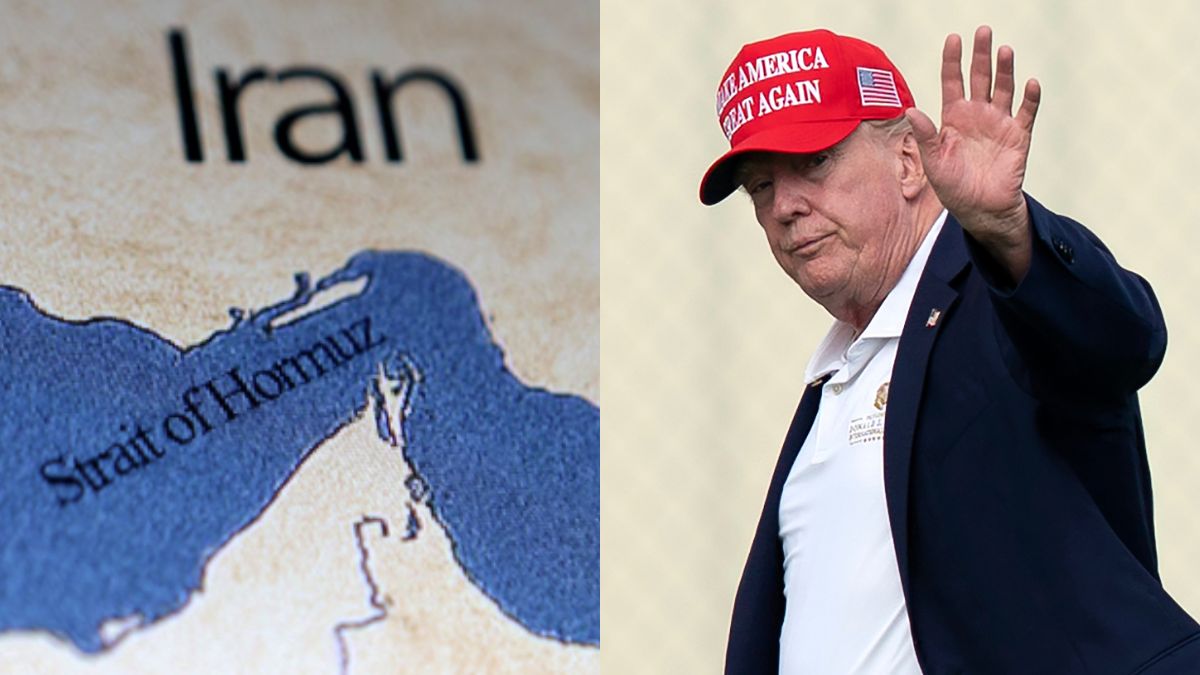
Qatar and Iran are discussing a temporary way for ships to travel through the Strait of Hormuz.
Iran says such an agreement would not necessarily reopen the waterway right away.
The strait is important because many oil shipments pass through it.
Some oil is still moving through the area, which has limited price increases.
A tanker was hit by an unknown object, adding to safety concerns.
Fighting and attacks affecting Russian oil facilities could also reduce global supplies.

West Texas Intermediate rose about 1.7% near $84 a barrel, while Brent gained about 2.1%.
Reports that Donald Trump rejected returning to June ceasefire terms weakened hopes for a broader US-Iran agreement.
Qatar and Iran discussed a temporary navigation framework for the Strait of Hormuz, but Tehran said this would not guarantee an immediate reopening.
An estimated 6 million to 8 million barrels of crude are currently moving through the strait each day.
A tanker was struck by an unknown projectile in Hormuz, while attacks on Russian energy infrastructure also threaten supplies.
- Who
- The United States, Iran, Qatar, Oman, oil traders, Saudi Arabia, Yemen’s Houthi militants, and Russia are involved in the developments described.
- What
- Oil prices rose as doubts grew over US-Iran diplomacy and the future of oil shipments through the Strait of Hormuz.
- Where
- The main events concern the Strait of Hormuz and the Persian Gulf, with related supply risks involving the Red Sea and Russia.
- When
- The developments were reported Thursday; the conflict began in late February and has lasted six months, according to the article.
- Why
- Markets became less confident that diplomacy would restore stable energy flows, while attacks and military tensions continue to threaten supplies.
Diplomatic and Supply Optimism
Diplomatic and Security Caution
Prospects for an agreement
Diplomatic and Supply Optimism
Talks involving Iran, Oman, and Qatar, along with the proposed temporary route through Hormuz, could support a broader arrangement and more stable energy flows.
Diplomatic and Security Caution
A report said Donald Trump is uninterested in returning to the June ceasefire terms, while the White House said it is not negotiating with Iran.
Impact on oil shipments
Diplomatic and Supply Optimism
Crude is reportedly still moving through the strait, with 6 million to 8 million barrels a day shipped through the chokepoint, helping keep prices in check.
Diplomatic and Security Caution
Iran has said that a navigation agreement would not necessarily mean an immediate reopening of the strait, which carries about a fifth of the world’s oil supplies.
Security risks
Diplomatic and Supply Optimism
Saudi Arabia appears to be increasing oil loadings inside the Persian Gulf, potentially redirecting shipments amid threats to its Red Sea exports.
Diplomatic and Security Caution
A tanker was struck in Hormuz, and attacks on Russian oil and refining infrastructure are also reducing supply and increasing uncertainty.
Key facts
- WTI price move
- West Texas Intermediate rose about 1.7% to trade near $84 a barrel.
- Brent price move
- Brent crude was up about 2.1%.
- Hormuz shipments
- An estimated 6 million to 8 million barrels of crude are moving through the Strait of Hormuz daily.
- Oil performance
- Oil is up more than 40% this year, according to the article.
- Diplomatic framework
- Qatar and Iran discussed a proposed interim framework that includes a temporary route through the strait.
- US position
- White House Press Secretary Karoline Leavitt said the United States is not negotiating with Iran and that its naval blockade will remain in effect.
- Maritime incident
- A tanker was hit by an unknown projectile in the Strait of Hormuz, according to the UK Maritime Trade Operations.
Quotes
Saul Kavonic
Senior energy analyst at MST Marquee
“Frequent attacks on Russian oil and refining infrastructure are starting to make a dent in overall Russian oil supply by up to around 10%, with an even larger impact on refined products.”
 livemint.com
“There have been many false starts to ceasefires already, so the market is hesitant to move prematurely.”
livemint.com
Sources
Related news
Brent tops $91 as Trump rules out extending Iran ceasefire
Oil prices rise as US-Iran talks stall over Hormuz

Oil Prices Rise Fourth Day as Hormuz Fears Grow

Oil Surges Above $90 as Hormuz Risks Intensify

Brent crude crosses $90 as US-Iran conflict prolongs

Saudi Arabia Says Iranian Tanker Attack Killed Two Sailors
U.S.-Iran Exchange Escalates Across Middle East, Markets Slide
Trump Aides Seek Quiet Iran War Before Midterm Elections
US Warns Middle East Travelers Amid Escalating Iran-Linked Tensions

Indian Stocks Slide as Oil, Conflict and Yields Rise