

1 hr ago
Trump Weighs Deal, Pressure or Escalation as Iran Sets Terms
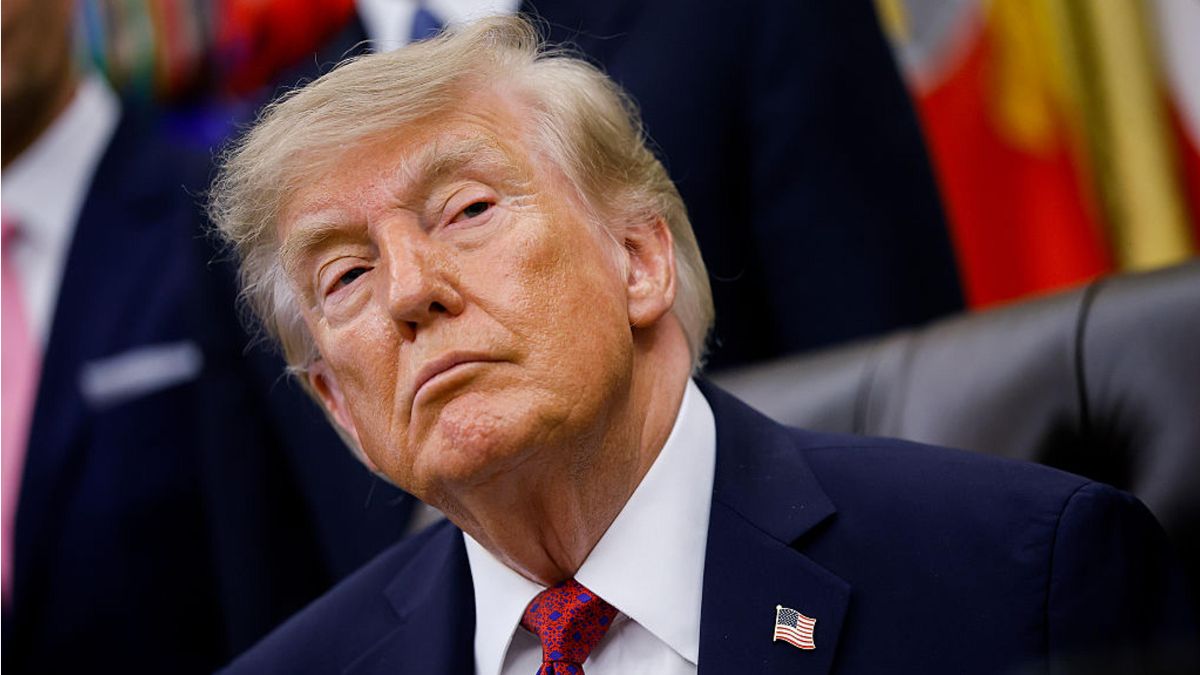
The United States and Iran are arguing during a serious war.
Donald Trump said the United States could increase attacks, keep pressuring Iran’s economy, or make a deal.
Iran sent seven conditions to Washington through Qatar to restart talks.
Iran wants the conflict to end, frozen money to be released, and the US naval blockade to stop.
Iran also says it will keep the Strait of Hormuz closed until earlier ceasefire conditions are met.
The United States has redirected many commercial ships near Iranian ports.
Fewer ships are now passing through the Strait of Hormuz, an important route for energy shipments.
Iran warned that it would retaliate against US bases and countries helping Washington if the US attacks again.
Fighting and shipping risks have also spread toward Yemen and nearby waterways.
Trump said he might meet Iran’s president during the United Nations gathering in New York.

Donald Trump said he is deciding among escalation, economic pressure or a deal with Iran.
Iran sent Washington seven conditions through Qatar for restarting negotiations, including ending the conflict and releasing frozen funds.
Tehran said it will not reopen the Strait of Hormuz until conditions from a collapsed June ceasefire are met.
Iran’s military warned of sustained retaliation against US forces and countries supporting Washington if attacks resume.
The US blockade and Iranian restrictions sharply reduced shipping through Hormuz and disrupted Gulf energy shipments.
- Who
- The United States, Donald Trump, Iran, Iranian President Masoud Pezeshkian, Qatar and Iran-backed Houthis are involved or mentioned.
- What
- Trump is weighing escalation, continued economic pressure or negotiations as Iran sets conditions for restarting talks and reopening the Strait of Hormuz.
- Where
- The dispute centers on Iran, the Strait of Hormuz and surrounding Gulf waters, with related fighting in Yemen and threats to Saudi Arabia.
- When
- The latest statements were made on Sunday; the conflict began with US and Israeli strikes on February 28, and blockade enforcement resumed July 14.
- Why
- Iran wants the conflict and blockade to end, frozen funds released and earlier ceasefire conditions met, while the United States is demanding that Tehran change course.
Iran’s Conditions and Retaliation Warning
US Pressure and Possible Escalation
Path to negotiations
Iran’s Conditions and Retaliation Warning
Iran says talks can restart if the conflict ends, frozen Iranian funds are released and the US naval blockade stops.
US Pressure and Possible Escalation
Trump has not ruled out talks but says Iran must change course and has threatened significant action if it does not.
Strait of Hormuz
Iran’s Conditions and Retaliation Warning
Iran says it will not reopen the strait until conditions from the June interim ceasefire are fulfilled, while its officials say fighting and negotiations must continue together.
US Pressure and Possible Escalation
The United States is enforcing a blockade and redirecting vessels in an effort to achieve what it calls total compliance with restrictions on Iranian ports.
Further military action
Iran’s Conditions and Retaliation Warning
Iran’s military says a fresh US attack would trigger sustained retaliation against American bases and interests, and warns that countries supporting Washington could be treated as parties to the conflict.
US Pressure and Possible Escalation
Trump has said “very big things” or significant action could happen if Tehran does not behave, including the possibility of much greater escalation.
Key facts
- Iranian conditions
- Iran sent seven conditions to Washington through Qatar as a basis for restarting negotiations.
- Trump’s options
- Trump described three possible paths: major escalation, continued economic pressure or a deal.
- Strait of Hormuz
- Iran said it will not reopen the waterway until conditions from its interpretation of a June interim ceasefire are met.
- US blockade
- The United States resumed enforcing a blockade of Iranian ports and coastal areas on July 14.
- Redirected vessels
- US Central Command said 109 commercial vessels had been redirected by September 20.
- Shipping decline
- Four commodity vessels passed through Hormuz on September 17, compared with a 10-day average of 16.
- Possible talks
- Pezeshkian is expected to travel to New York for the United Nations General Assembly and may meet Trump.
Sources
Related news
Trump Weighs Iran War Options as Tehran Sets Conditions
Iran Gives US Seven Terms, Warns Of Decisive War
Iran Ties Strait of Hormuz Reopening to US Commitments
Trump Signals Decisive Iran Action Amid Regional Escalation

Iran Sets Conditions for Renewing Talks With United States
Iran Sends Seven Conditions as US Signals Readiness for Negotiations

Oil prices slip as Saudi exports show signs of recovery
Oil markets shrug off Saudi and Moscow attacks amid diplomacy

Oil Steadies as Middle East Supply Risks Meet Diplomacy
Iran Warns US Ships in Indian Ocean Could Be Attacked
