1 hr ago
Oil Steadies as Trump Signals Iran Strikes May Be Brief

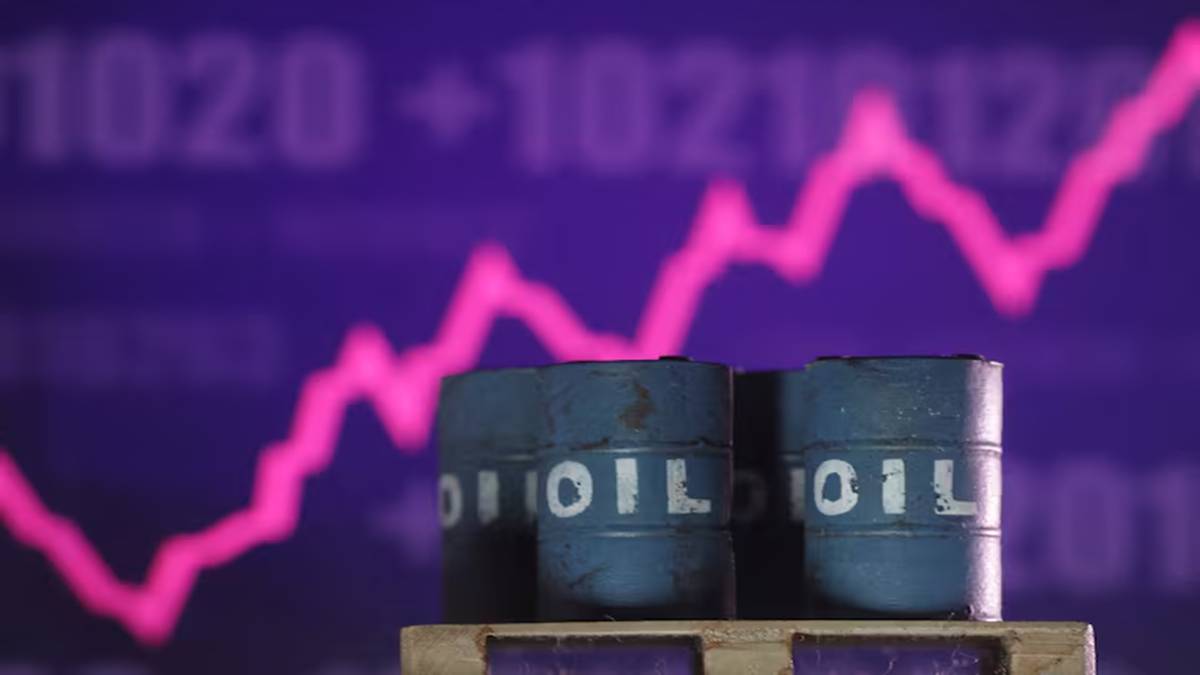
Oil prices stopped rising after climbing sharply for three days.
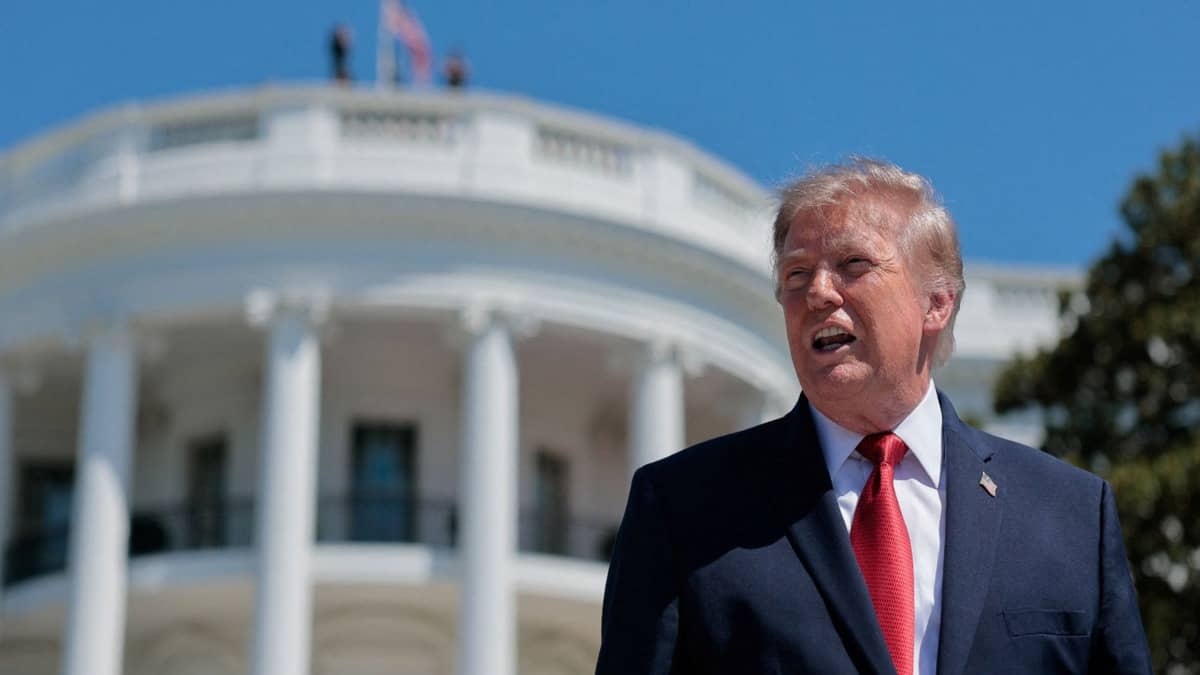
President Donald Trump said the latest attacks on Iran might not continue for long.
He also said the United States was ready to carry out another attack.
Iran responded by launching drones and missiles at American bases.
The fighting has raised concerns that oil shipments could be disrupted.
However, US officials said large amounts of oil were still moving through the Strait of Hormuz.
Experts said prices could rise if the conflict worsens.
They also said prices could fall quickly if the United States and Iran restart peace talks.

Brent crude traded near $95 a barrel after rising more than 8% in three sessions.
West Texas Intermediate traded below $91 as President Donald Trump said renewed US attacks on Iran may not last long.
US officials said oil continued moving through the Strait of Hormuz, including 18 million barrels escorted through Tuesday.
Iran retaliated against American bases with drones and missiles after the renewed US strikes.
US crude inventories fell by 4.5 million barrels last week, while gasoline holdings also declined.
- Who
- The United States, Iran, President Donald Trump, US officials, and oil-market participants.
- What
- Oil prices steadied after a three-day rally as renewed US-Iran hostilities raised supply concerns but oil continued flowing through the Strait of Hormuz.
- Where
- The conflict and shipping activity involve Iran, American bases across the Middle East, the Persian Gulf, and the Strait of Hormuz.
- When
- The developments occurred this week, including Tuesday's escorted vessel passage and the latest weekly inventory report.
- Why
- Prices were supported by fears of escalation and possible shipping disruptions, while continued oil flows and the prospect of renewed peace talks limited further gains.
Price-Supporting Risks
Price-Deflating Factors
Conflict escalation
Price-Supporting Risks
Renewed US-Iran attacks and threats to shipping could keep support under oil prices by increasing fears of supply disruptions.
Price-Deflating Factors
Oil shipments continued exiting the Persian Gulf, reducing immediate evidence of a major supply interruption.
Prospects for peace talks
Price-Supporting Risks
Neither the United States nor Iran has shown willingness to return to negotiations since the interim peace accord collapsed in June.
Price-Deflating Factors
Analysts said renewed peace talks or other off-ramps could deflate oil prices quickly.
Market balance
Price-Supporting Risks
Chevron Corporation CEO Mike Wirth said the escalation was a concern and that risks remained.
Price-Deflating Factors
Wirth also said the global oil market was moving closer to balance as supplies continued to leave the Persian Gulf.
Key facts
- Brent price
- Near $95 a barrel.
- West Texas Intermediate
- Below $91 a barrel.
- Recent price increase
- Brent rose more than 8% over three sessions.
- Escorted shipments
- The US military escorted 40 vessels through the Strait of Hormuz on Tuesday carrying 18 million barrels of oil.
- Persian Gulf flows
- Energy Secretary Chris Wright said 17 million barrels exited the waterway Monday, with flows averaging about 8 million barrels a day.
- US crude inventories
- Inventories fell by 4.5 million barrels last week, the first decline since late July.
- Cushing inventories
- Stockpiles at Cushing, Oklahoma, rose marginally to 22.5 million barrels.
Quotes
Dennis Kissler
Senior vice president for trading at BOK Financial Securities Inc.
“The latest escalation should keep support under the market, however, keep in mind both the US and Iran are looking for off-ramps here. More peace talks could deflate prices quickly.”
 livemint.com
“we’re prepared to do another one”
livemint.com
Sources
Related news
Oil Prices Rise as US-Iran Strikes Threaten Hormuz Supplies

Oil Surges Above $90 as Hormuz Risks Intensify

Oil Rises as US Strikes Iranian Launchers Near Hormuz

Oil Prices Surge Above $90 as US-Iran Tensions Escalate

Oil prices edge lower amid United States-Iran war uncertainty

Brent crude crosses $90 as US-Iran conflict prolongs
Trump Predicts Iran War Will End Soon After US Strikes

Fuel Prices Hold Steady as Crude Prices Ease

Iran Reports Dead and Injured as Trump Predicts Short War