

1 hr ago
Brent Surges Above $100 as US-Iran Fighting Threatens Oil Supplies
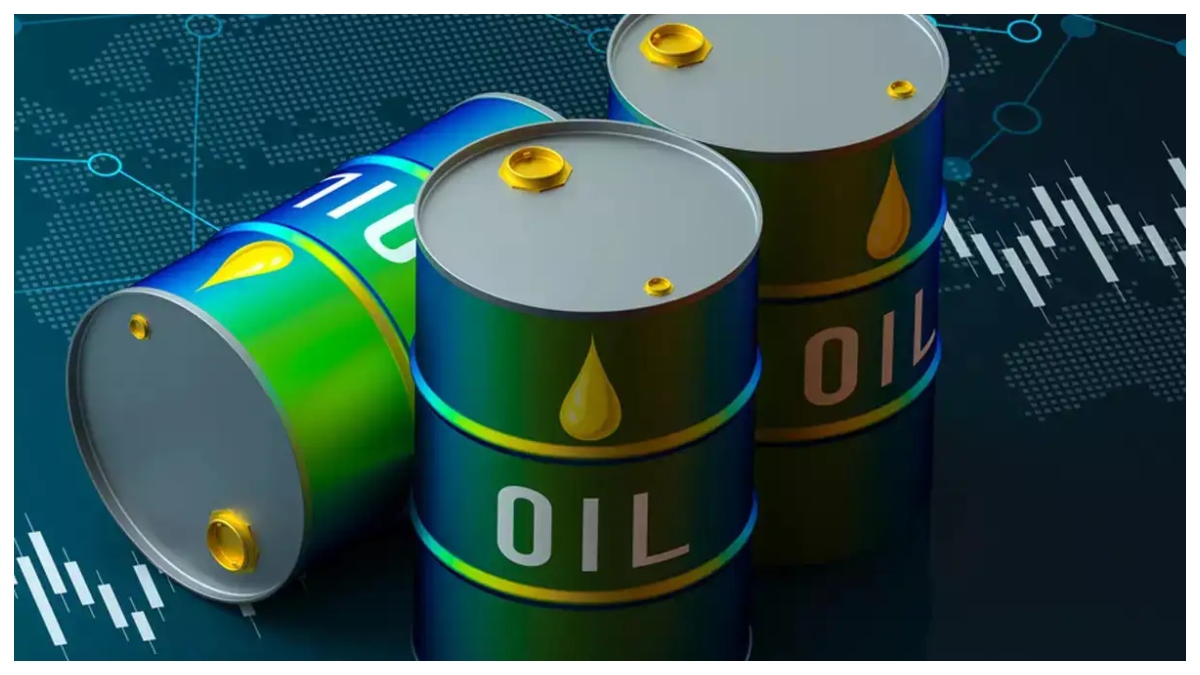
Oil became more expensive after fighting between the United States and Iran intensified.
Brent crude, an important global oil price, rose above $100 per barrel.
The fighting has affected ships near the Strait of Hormuz, a major route for transporting oil.
Reports say much less oil is now moving through the strait.
The United States said it destroyed five Iranian oil tankers, while Iran said it attacked 10 ships.
Some countries can use pipelines that avoid the strait, which may reduce the shortage.
However, global oil supplies are also being affected by falling inventories and offline production.
Experts say prices could stay high if the conflict continues.
They also expect oil demand to increase later in the year.

Brent crude rose to $101.90 a barrel as US-Iran hostilities intensified around key shipping routes.
The United States said it destroyed five Iranian oil tankers, while Iran said it attacked 10 ships near the Strait of Hormuz.
Oil flows through the strait reportedly fell below 2 million barrels a day, or roughly a quarter of pre-war levels.
Alternative export pipelines operated by the UAE, Iraq and Saudi Arabia are helping limit the disruption’s impact.
Declining inventories, offline Middle Eastern production and expected fourth-quarter demand could keep oil prices elevated.
- Who
- The United States and Iran, along with oil producers and traders, are involved in the developments.
- What
- Escalating US-Iran attacks have disrupted shipping near the Strait of Hormuz and pushed crude prices above $100 a barrel.
- Where
- The main disruption is near the Strait of Hormuz and the Persian Gulf, with effects on global and Indian oil markets.
- When
- The latest price surge and reported attacks occurred on Thursday; the articles also reference reduced flows in August and an expected demand increase in the final quarter.
- Why
- Traders fear that prolonged fighting will further restrict Middle Eastern oil supplies and deplete global inventories.
Supply-risk outlook
Supply-mitigation outlook
Effect of the conflict
Supply-risk outlook
Continued US-Iran attacks could further reduce oil shipments through the Strait of Hormuz, keeping prices high or pushing them higher.
Supply-mitigation outlook
Some Middle Eastern producers can use pipelines that bypass the strait, limiting the scale of the disruption.
Oil market direction
Supply-risk outlook
Falling inventories, offline Middle Eastern production and rising fourth-quarter demand support a continued crude rally.
Supply-mitigation outlook
Additional supply availability could limit price increases, while elevated technical readings suggest a possible near-term pullback or consolidation.
Key facts
- Brent crude
- Rose 0.68% to $101.90 a barrel and breached the $100 level.
- West Texas Intermediate
- Gained 1.81% to $97.79 a barrel and traded above $96.
- Strait of Hormuz flows
- Reportedly fell below 2 million barrels a day, roughly a quarter of pre-war levels.
- Reported US action
- The United States said it destroyed five Iranian oil tankers.
- Reported Iranian response
- Iran said it attacked 10 ships near the Strait of Hormuz.
- Indian market
- MCX crude traded around Rs 9,140, with analysts identifying resistance at Rs 9,200.
- Alternative routes
- The UAE, Iraq and Saudi Arabia have pipelines that bypass the Strait of Hormuz.
Quotes
Market experts
Analysts commenting on the impact of the shipping disruption on crude prices
“Crude remains supported by the Strait of Hormuz disruption”
 thehansindia.com
Sources
Related news
Oil Prices Rise as US-Iran Strikes Threaten Hormuz Supplies

Oil Prices Surge Above $90 as US-Iran Tensions Escalate
Oil Prices Near USD 100 as Iran-US Tensions Disrupt Supply

Oil prices edge lower amid United States-Iran war uncertainty

Oil Prices Rise Fourth Day as Hormuz Fears Grow
Oil Nears $100 as Fresh US-Iran Strikes Revive Hormuz Fears

India Faces BRICS Test Amid US-Iran War Divisions

Trump Proposes “Trump Strait,” Warns Iran Over Pickaxe Mountain Activity
Trump Proposes Renaming Lake Ontario, New Mexico, Hormuz
Trump Proposes Renaming Strait Amid US-Iran War
