1 week ago
Oil Falls as Iran War Diplomacy Eases Hormuz Fears

Oil prices went down because investors saw signs that countries might be able to reduce fighting involving Iran.
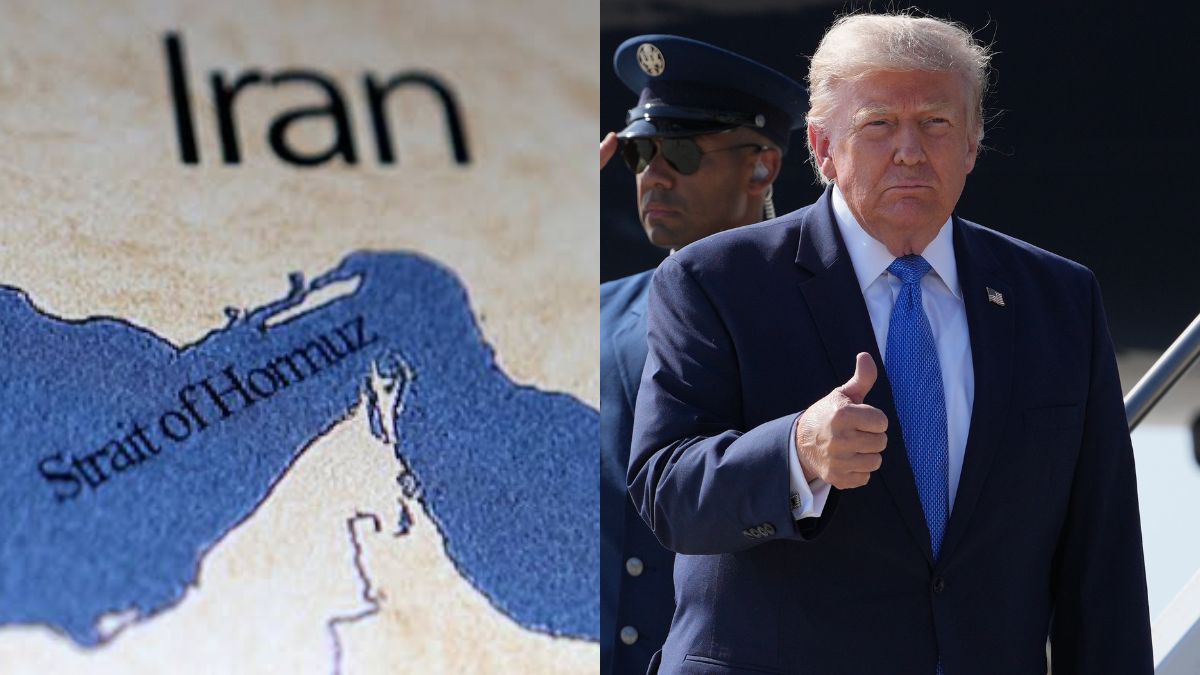
Pakistan’s army chief visited Iran, and Iran and Oman discussed a plan for improving shipping through the Strait of Hormuz.
The United States announced new economic restrictions on Iran.
However, it did not immediately punish countries such as China for buying Iranian oil.
Because the measures were less severe than expected, traders did not think oil supplies would suddenly fall.
Diplomacy also made a wider military escalation seem less likely.
Oil is still much more expensive than it was at the beginning of the year.
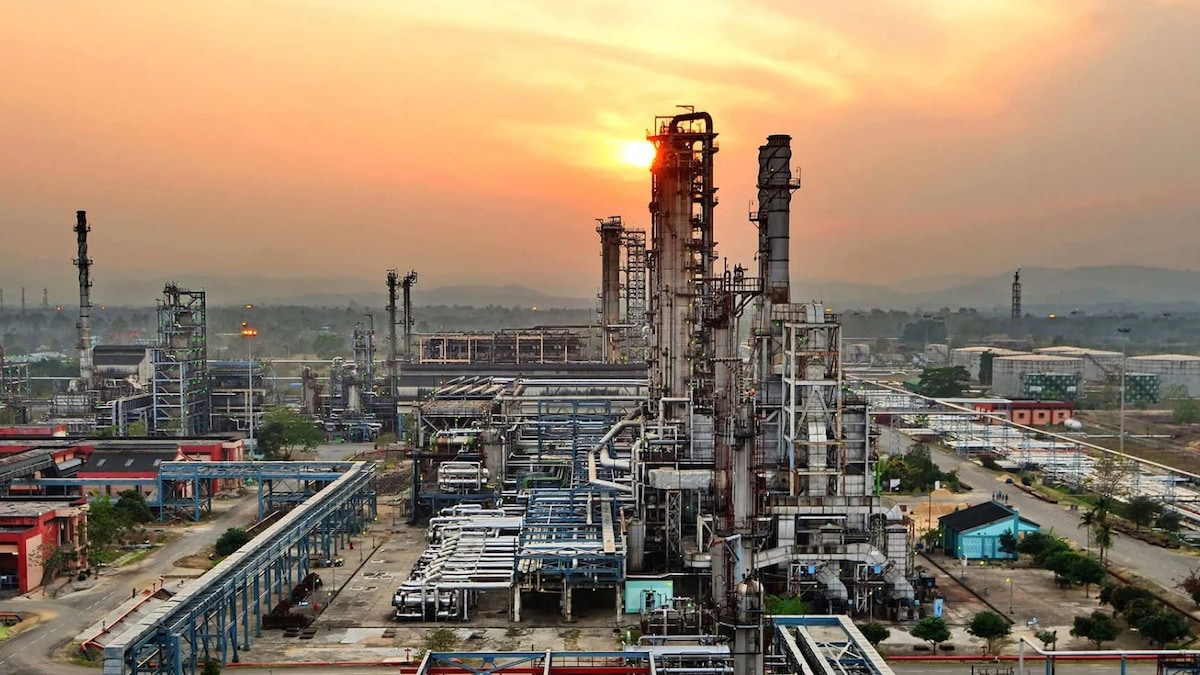
This is because the war has disrupted energy shipping and attacks have damaged some Russian refineries.

Brent crude fell nearly 4% to settle below $89 a barrel, while West Texas Intermediate settled just above $82.
Diplomatic efforts involving Pakistan, Iran and Oman raised hopes that shipping through the Strait of Hormuz could resume more smoothly.
The United States added restrictions on about 60 entities but did not impose secondary sanctions on countries buying Iranian crude.
Traders viewed the US measures as less severe than expected, limiting concerns about an immediate supply shock.
Oil remains about 45% higher this year as Middle East shipping disruptions and attacks on Russian refineries affect energy markets.
- Who
- Iran, Oman, Pakistan, the United States, oil traders and countries buying Iranian crude, including China.
- What
- Oil prices declined as diplomatic efforts concerning the Iran war and shipping through the Strait of Hormuz reduced fears of further escalation.
- Where
- The Middle East, especially Iran and the Strait of Hormuz; the market reaction was reported internationally.
- When
- Tuesday, after diplomatic developments and US measures announced Monday; the war is described as being in its sixth month.
- Why
- Investors saw fewer signs of immediate military escalation, possible progress on Hormuz shipping, and US sanctions that were less severe than expected.
Key facts
- Brent crude
- Settled below $89 a barrel after falling nearly 4%.
- West Texas Intermediate
- Settled just above $82 a barrel.
- US measures
- Restrictions were added on around 60 entities, including Iranian oil-revenue networks and shadow-fleet vessels.
- Secondary sanctions
- The United States did not immediately impose them on countries dealing with Iran, including China.
- Strait of Hormuz
- Iran and Oman discussed an interim framework aimed at resuming shipping through the strategic waterway.
- Year-to-date oil prices
- Crude remains about 45% higher this year.
- Russian diesel exports
- Russia is discussing extending its diesel-export ban for another month, according to a person familiar with the matter.
Quotes
Haris Khurshid
Chief investment officer at Chicago-based Karobaar Capital LP
“There was a lot of buildup around the announcement but what we got was more a warning about where policy is heading than an immediate shock to physical supply. Until secondary sanctions start changing who can buy, ship or even finance Iranian crude, I don’t think traders have much reason to add another geopolitical premium.”
 livemint.com
Rebecca Babin
Senior energy trader at CIBC Private Wealth Group
“Positioning has moved from heavily short to more long, leaving the market vulnerable to profit-taking, while sanctions came in softer than feared and the diplomatic track appears to be gaining momentum. For now, more diplomacy, fewer signs of military escalation and improving flows are taking some of the geopolitical premium out of crude.”
livemint.com
Sources
Related news
Oil Prices Fall as Iran-Oman Talks Ease Hormuz Fears

Oil Rises as US Threatens Unprecedented Economic Pressure on Iran

Oil Prices Slip as Iran-Oman Talks Raise US-Iran Peace Hopes
Oil Prices Slide as Iran-Oman Talks Ease Hormuz Disruption Fears
Oil Prices Fall as U.S. Expands Iran Sanctions Near Hormuz
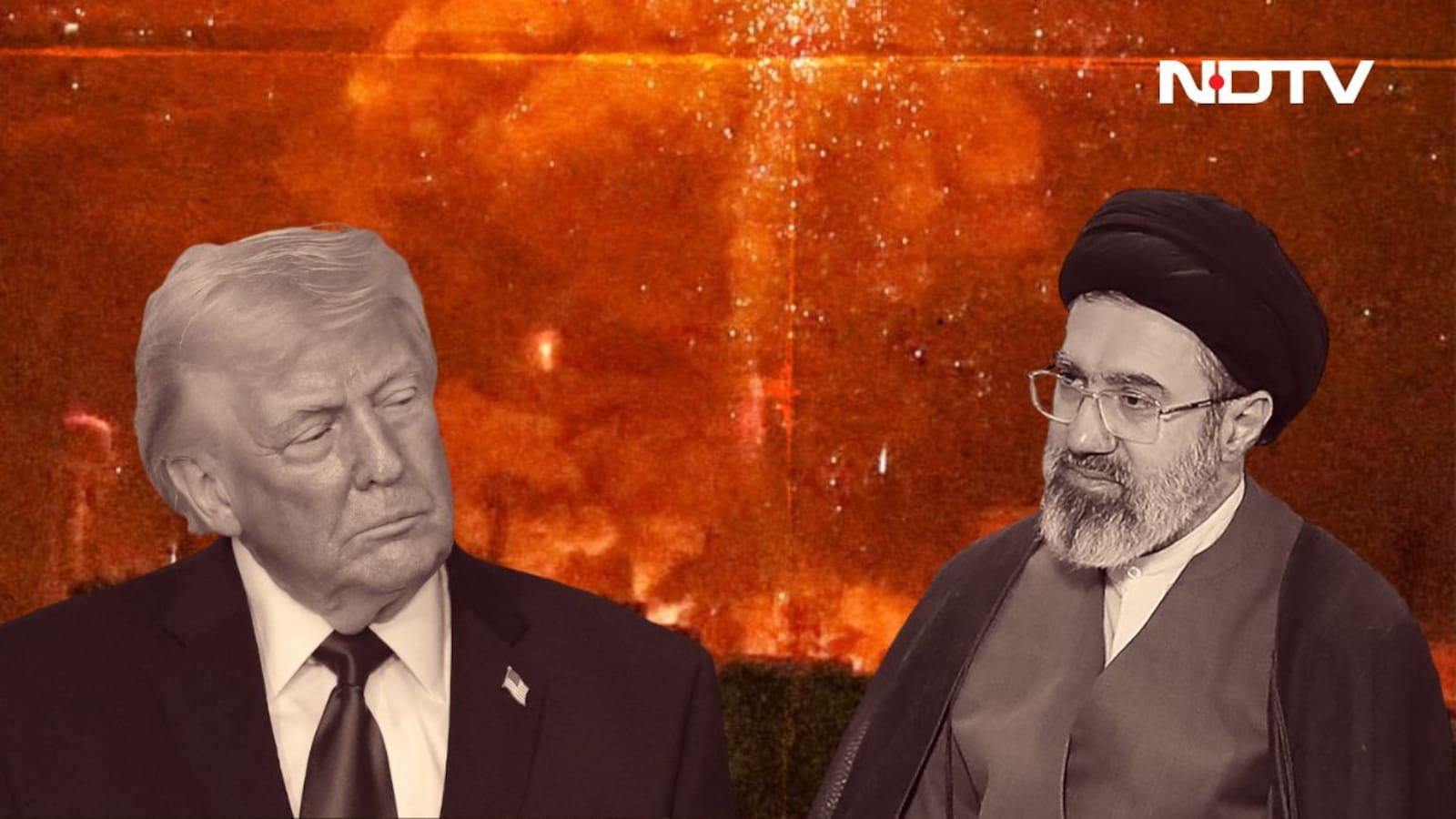
US-Iran Strikes Escalate as Tehran Warns of New Strategy
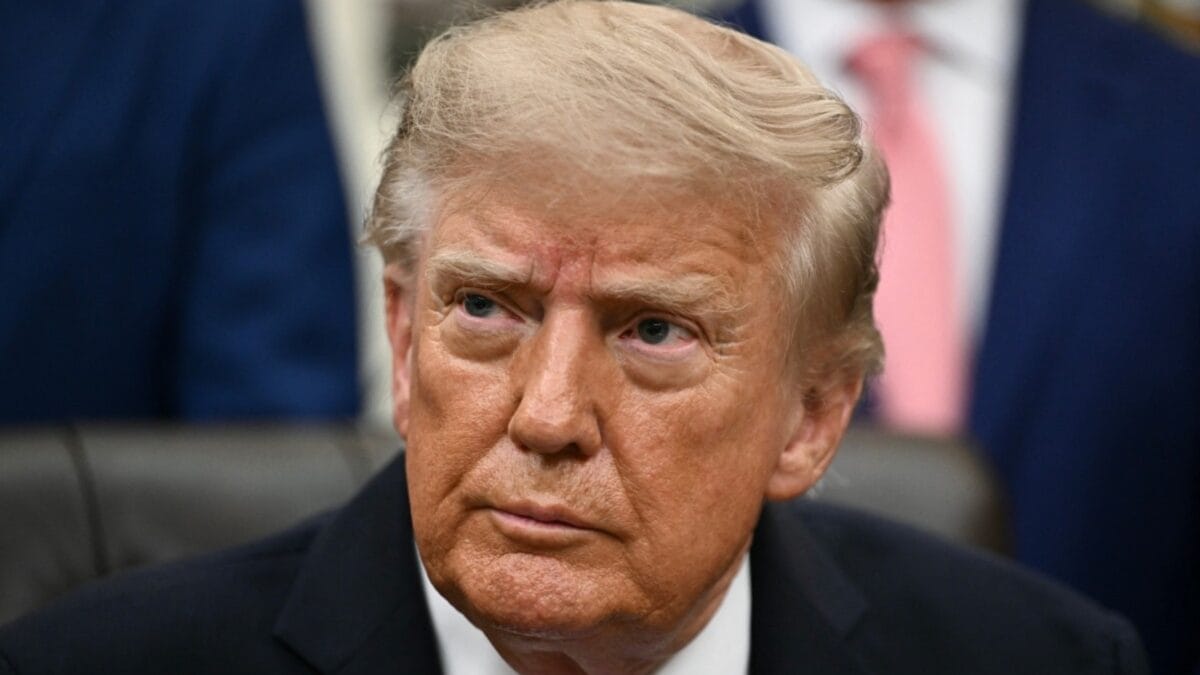
Trump Warns of Fresh Iran Strike After Heavy Attack

Trump Says US Could Attack Iran Again at Will

U.S. Treasury Yields Ease as Jobs Data Misses Expectations

Iran Seizes Fuel-Smuggling Vessel in Gulf, Arrests 11 Crew