

1 hr ago
Oil markets shrug off Saudi and Moscow attacks amid diplomacy
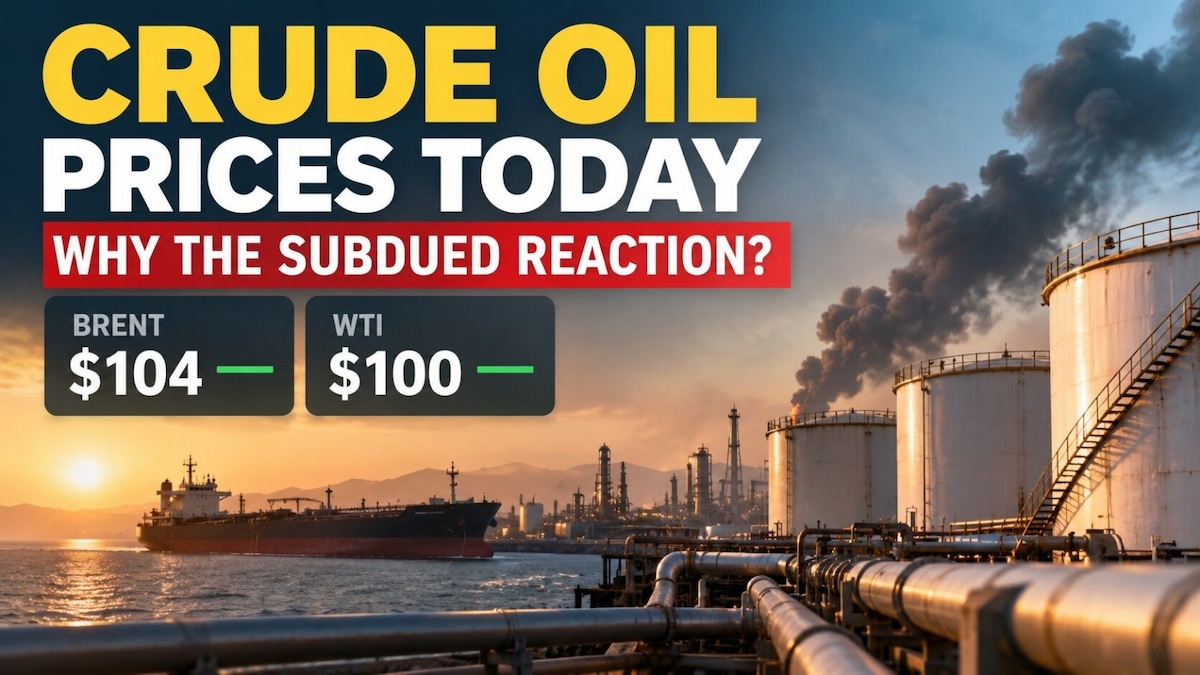
Oil prices did not rise sharply after attacks in Saudi Arabia and Russia.
Brent oil stayed near $103 to $104 per barrel.
U.S. oil stayed below $100 per barrel.
Saudi Arabia reported warnings and explosions near Riyadh and other areas.
Ukraine also attacked the Moscow Oil Refinery with drones.
These events could reduce the amount of oil available.
However, investors saw signs that the United States and Iran might talk.
Oil shipments through the Strait of Hormuz and loading activity at Saudi terminals also remained strong.

Brent crude remained between $103 and $104 per barrel in early Asian trading on September 21.
West Texas Intermediate futures traded below $100 per barrel despite the weekend attacks.
Saudi Arabia reported air-raid alerts near Riyadh and Red Sea hubs, while explosions were heard near King Khaled Airport.
Ukraine’s drone attacks struck the Moscow Oil Refinery, which has capacity of 245,000 barrels per day.
Possible U.S.-Iran talks, continued diplomatic messages, and strong Strait of Hormuz shipments helped limit the market reaction.
- Who
- Saudi Arabia, Ukraine, Russia, the United States, Iran, and oil-market participants are involved.
- What
- Oil prices remained broadly stable despite attacks near Saudi Arabia and a drone strike on the Moscow Oil Refinery.
- Where
- The reported incidents occurred near Riyadh and Red Sea hubs in Saudi Arabia, and at the Moscow Oil Refinery in Russia.
- When
- The developments occurred over the weekend before early Asian trading on Monday, September 21.
- Why
- Markets were supported by possible U.S.-Iran diplomacy, continued messages between Iran and Qatar, and strong oil shipments through the Strait of Hormuz.
Reasons for Higher Prices
Reasons for Stable Prices
Supply disruption risk
Reasons for Higher Prices
Attacks in Saudi Arabia and the strike on the Moscow Oil Refinery threatened additional pressure on oil and refined-product supplies.
Reasons for Stable Prices
The reported attacks had not yet produced a clearly visible disruption to overall shipments or Saudi export loading.
Geopolitical outlook
Reasons for Higher Prices
Continued attacks by the Houthis and Ukraine’s campaign against Russian energy infrastructure could tighten markets, particularly diesel supplies.
Reasons for Stable Prices
Possible talks between United States President Donald Trump and Iranian President Masoud Pezeshkian, along with continued messages involving Qatar and Iran, reduced some immediate escalation concerns.
Key facts
- Brent price
- Between $103 and $104 per barrel in early Asian trading.
- WTI price
- Below $100 per barrel.
- Saudi alerts
- Air-raid alerts were issued for Riyadh and warnings were reported in Red Sea hubs including Yanbu.
- Moscow refinery capacity
- 245,000 barrels per day.
- Hormuz shipments
- Oil and LNG shipments through the Strait of Hormuz reached a six-month high over the previous two weeks.
- Saudi loading activity
- At least seven supertankers, representing 14 million barrels, were reportedly loaded across Ras Tanura and Ju'aymah terminals.
Sources
Related news

Oil Steadies as Middle East Supply Risks Meet Diplomacy
Oil Prices Surge After Houthi, Gulf Ship Strikes

West Asia Conflict Pushes Oil Prices Above $100 a Barrel

Brent Crude Surges Above $105 Amid Middle East Supply Fears

Oil Prices Rise as US-Iran Strikes Threaten Hormuz Supplies

Saudi Pipeline Shutdown Sends Brent Crude Toward $109
Oil prices slip as Saudi exports show signs of recovery
Trump Weighs Deal, Pressure or Escalation as Iran Sets Terms

Iran Warns US Ships in Indian Ocean Could Be Attacked
