2 hrs ago
Nepal's Avalanches Expose Rising Risks of Himalayan Disasters
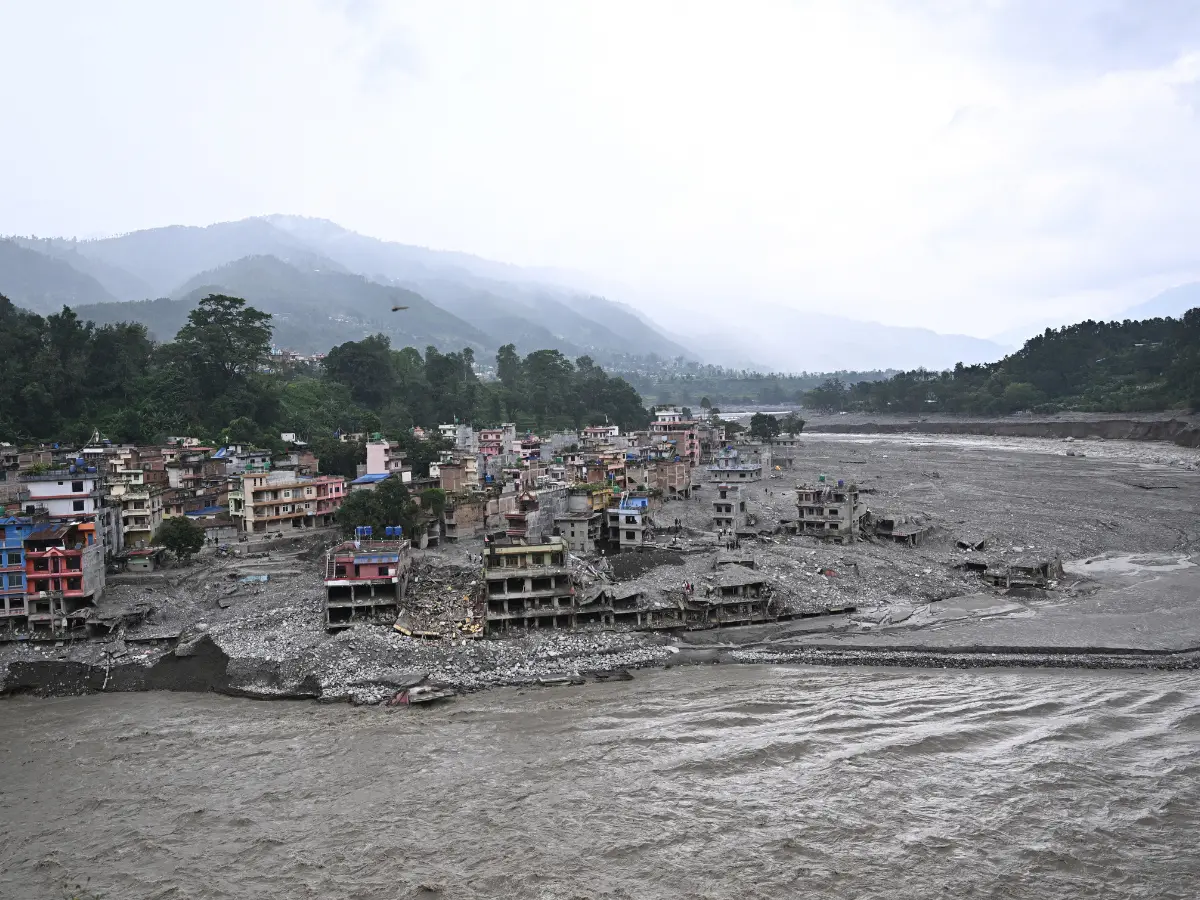
A large mass of rock and ice fell from a mountain in Nepal.
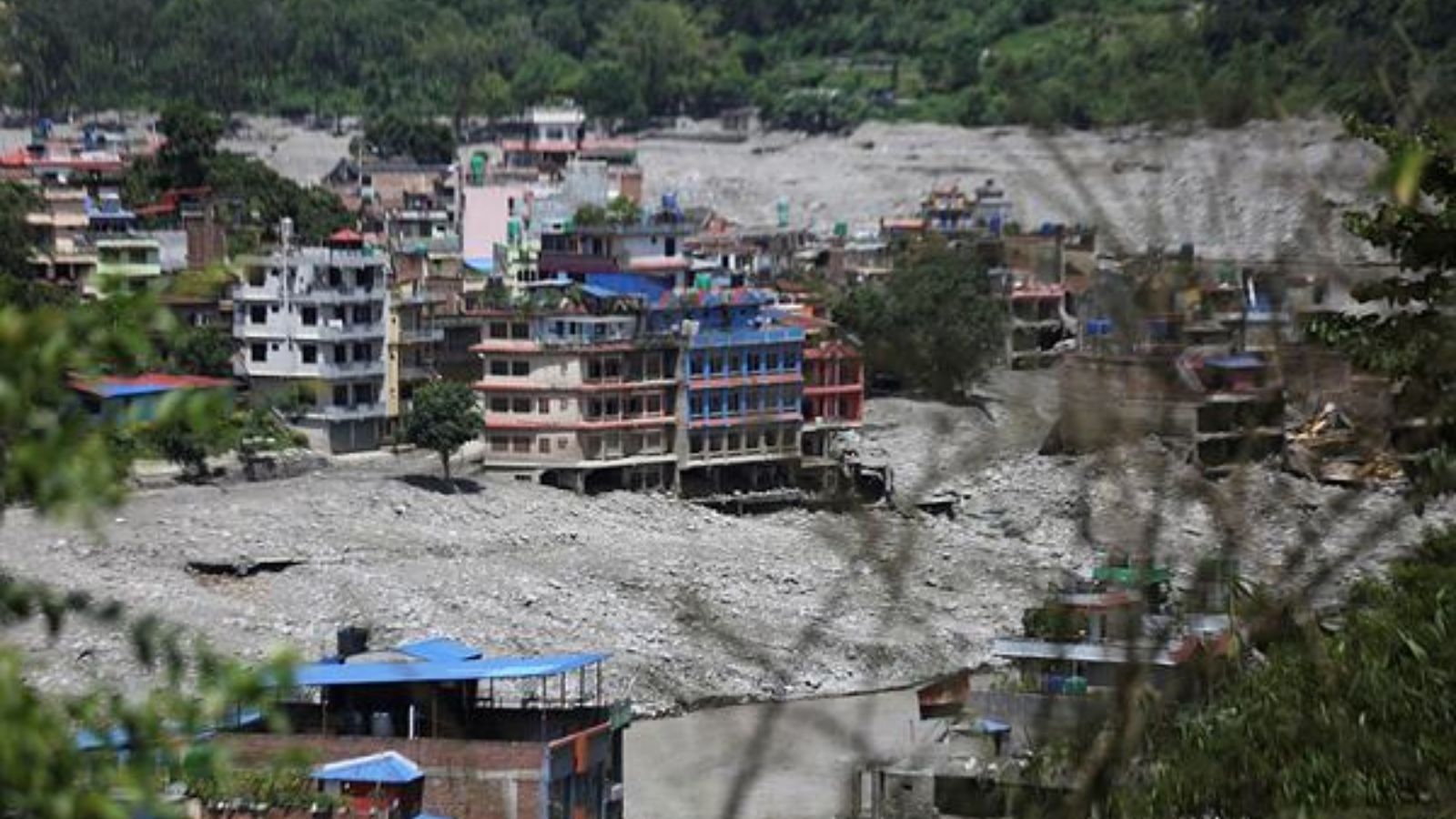
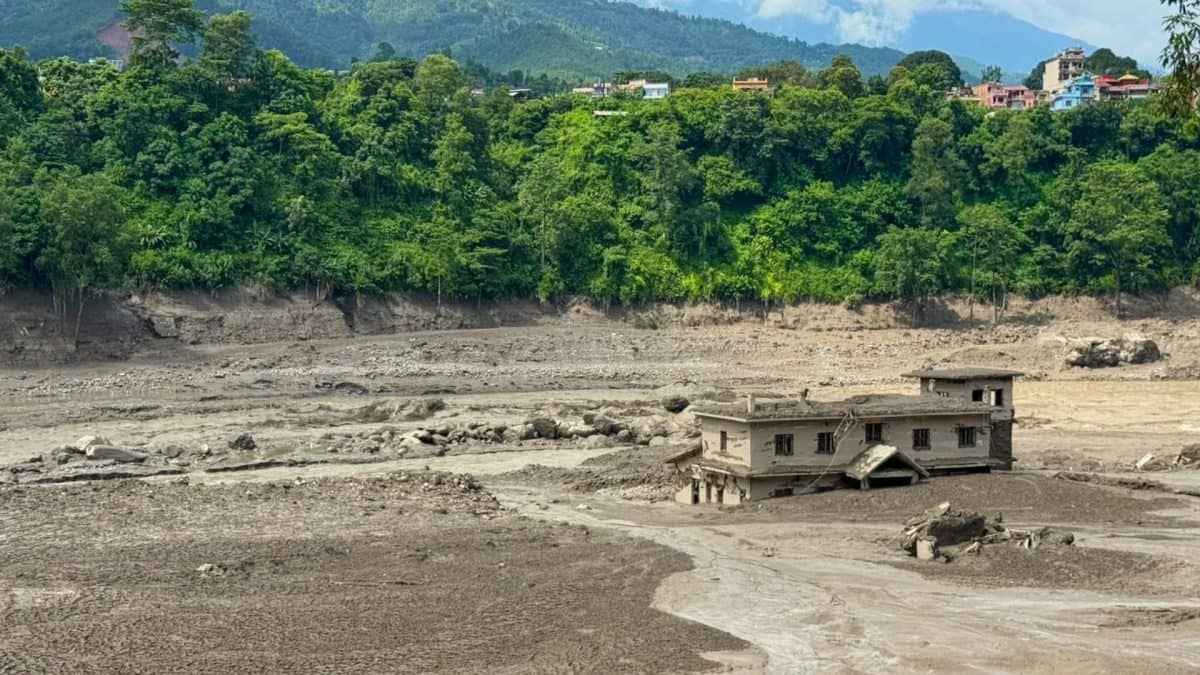
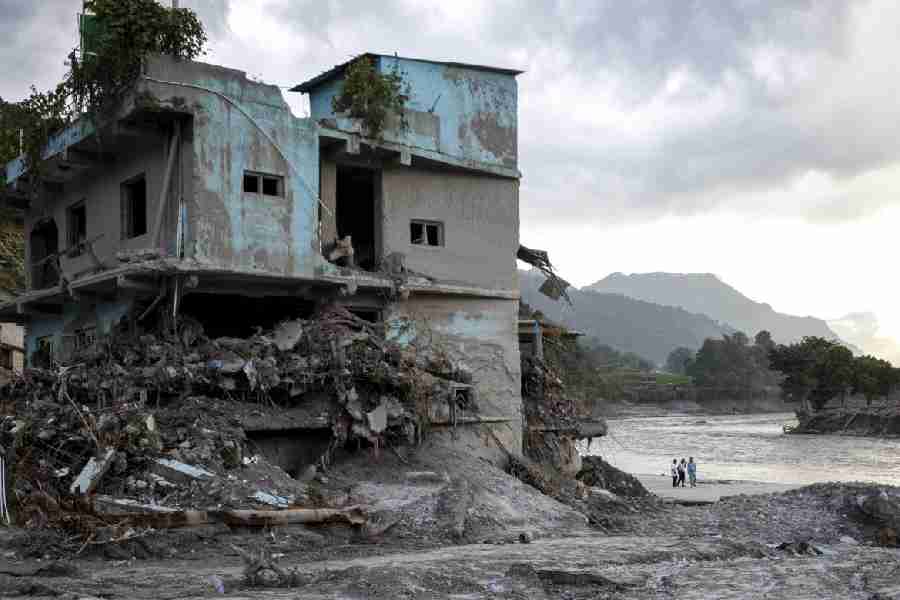
It hit the valley and turned into a fast, destructive flow of mud, rocks and water.
At first, people thought an earthquake or a glacial lake flood had caused the damage.
Scientists later said the shaking came from the avalanche hitting the ground, and there was no glacial lake in the valley.
These events are hard to predict because many mountain slopes could become unstable.
Monitoring every high mountain valley would be difficult and expensive.
Seismic stations might help detect avalanches and floods more quickly.
Warnings will only save lives if communities trust them and know how to respond.
The disasters also raise questions about where people should build homes and hydropower projects.

The Rasuwa disaster began with a rock-ice avalanche that became a destructive debris flow, not a glacial lake outburst flood.
The initial reports of an earthquake were later attributed to the avalanche striking the valley floor.
Similar hazard cascades occurred during the 2021 Chamoli disaster and the 2025 Dharali disaster.
Rock-ice avalanches are difficult to predict because they can begin on many steep, rapidly deglaciating slopes with thawing permafrost.
Scientists propose a denser seismic-monitoring network, but effective warnings would require cross-border cooperation, community trust and major funding.
- Who
- Himalayan communities, scientists, politicians and workers in hydropower infrastructure were affected or involved in the issues discussed.
- What
- A rock-ice avalanche in Nepal became a destructive debris flow, highlighting the difficulty of predicting Himalayan hazard cascades.
- Where
- The disaster occurred in Rasuwa, Nepal, in the Himalayan region; comparisons include Chamoli in India and Tibet.
- When
- The article compares the Rasuwa event with the 2021 Chamoli disaster and the 2025 Dharali disaster.
- Why
- The risks are linked to unstable, steep mountain slopes, rapid deglaciation and thawing permafrost, while development has placed infrastructure in some hazard paths.
Key facts
- Primary hazard
- Rock-ice avalanche followed by a debris flow
- Event location
- Rasuwa, Nepal
- Initial explanation
- Early reports suggested an earthquake and possibly a glacial lake outburst flood
- Later explanation
- The apparent earthquake was caused by the avalanche striking the valley floor
- Comparable disasters
- Chamoli in 2021 and Dharali in 2025
- Proposed measure
- A denser seismic station network across the Himalaya
- Main challenge
- Cross-border cooperation, funding and community trust in warnings
Sources
Related news
Nepal Flood Exposes Himalayan Cascading Hazard Risks
Nepal Avalanche Floods Echo Chamoli With Greater Downstream Impact

Nepal Disaster Prompts Call for Integrated Himalayan Hazard Assessments

Nepal Glacier Avalanche Exposes Cascading Himalayan Disaster Risks
Nepal Disaster Highlights Growing Complexity of Himalayan Hazards

China names Hu Changsheng Tibet party chief in reshuffle
Global Mountain Glaciers Lose 6.2 Percent of Mass Since 2000
Climate Scientist Urges Early Warnings Beyond Rainfall After Nepal Floods

Nepal Forms Panel to Investigate Deadly Bhotekoshi Floods