6 days ago
Nepal Glacier Avalanche Exposes Cascading Himalayan Disaster Risks

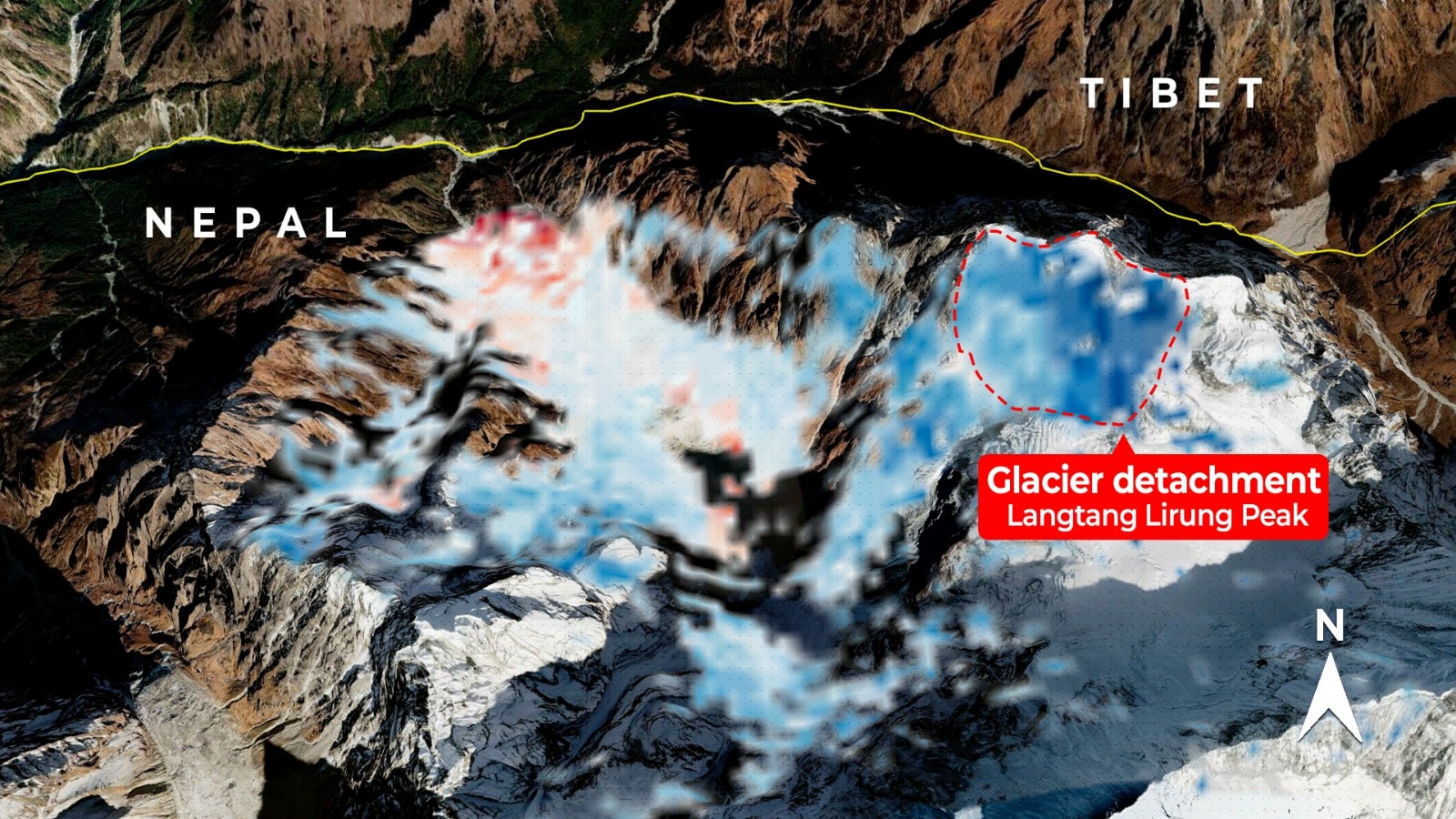
A large piece of ice and rock broke away high in the Himalayas.
It rushed downhill and blocked a river, making a temporary dam.
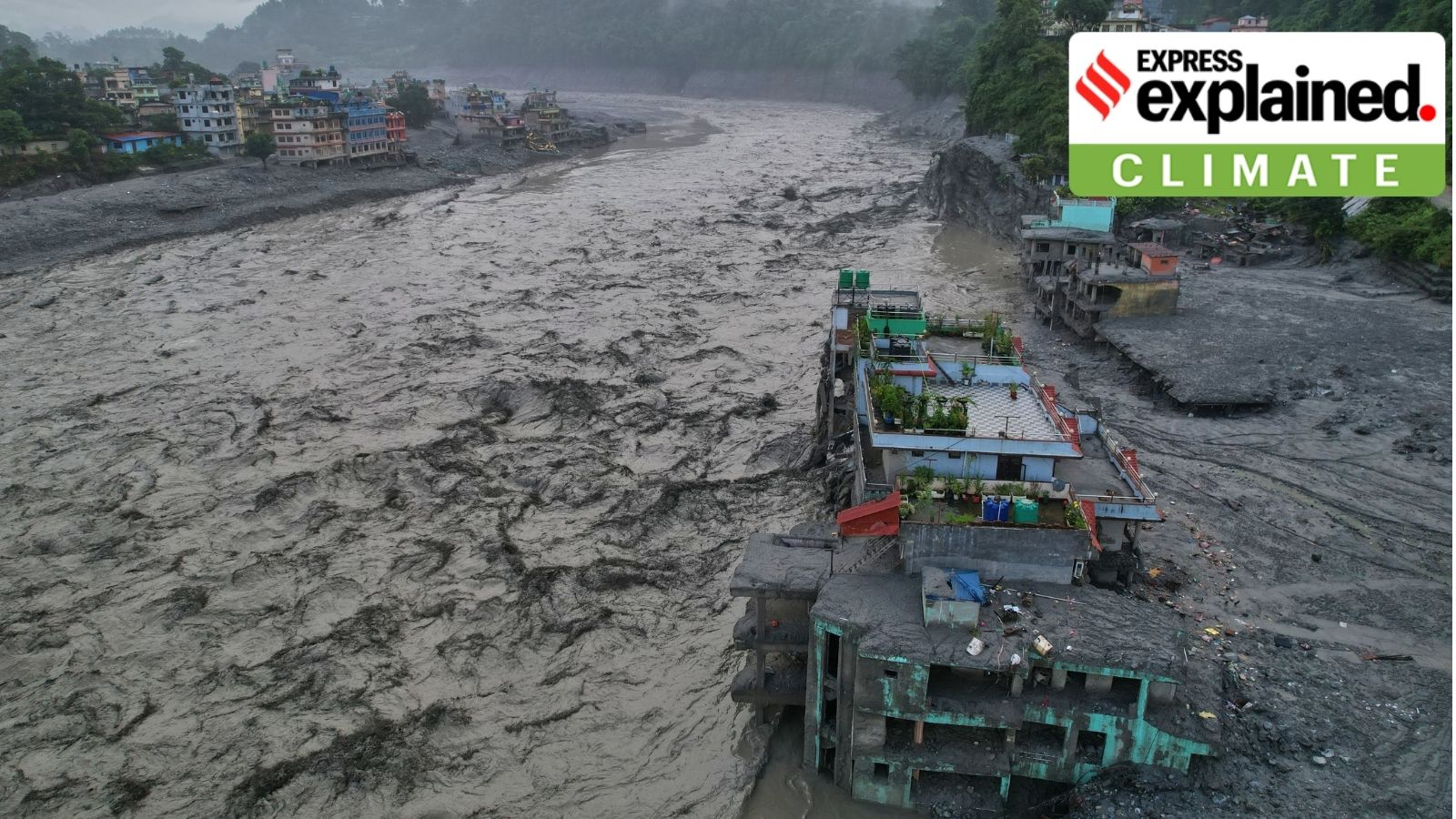
When the dam broke, a powerful flood spread through valleys in Nepal.
The event was first mistaken for an earthquake because the collapse caused ground vibrations.
More than 160 people had died, and many tourists were still missing.
Scientists say warmer temperatures are making glaciers and mountain slopes less stable.
Satellites can find some dangers after they form, but they cannot reliably predict exactly when a slope will collapse.
Experts want sensors, better warning systems and less construction along rivers.
They say disasters must be studied as connected chains rather than as separate events.

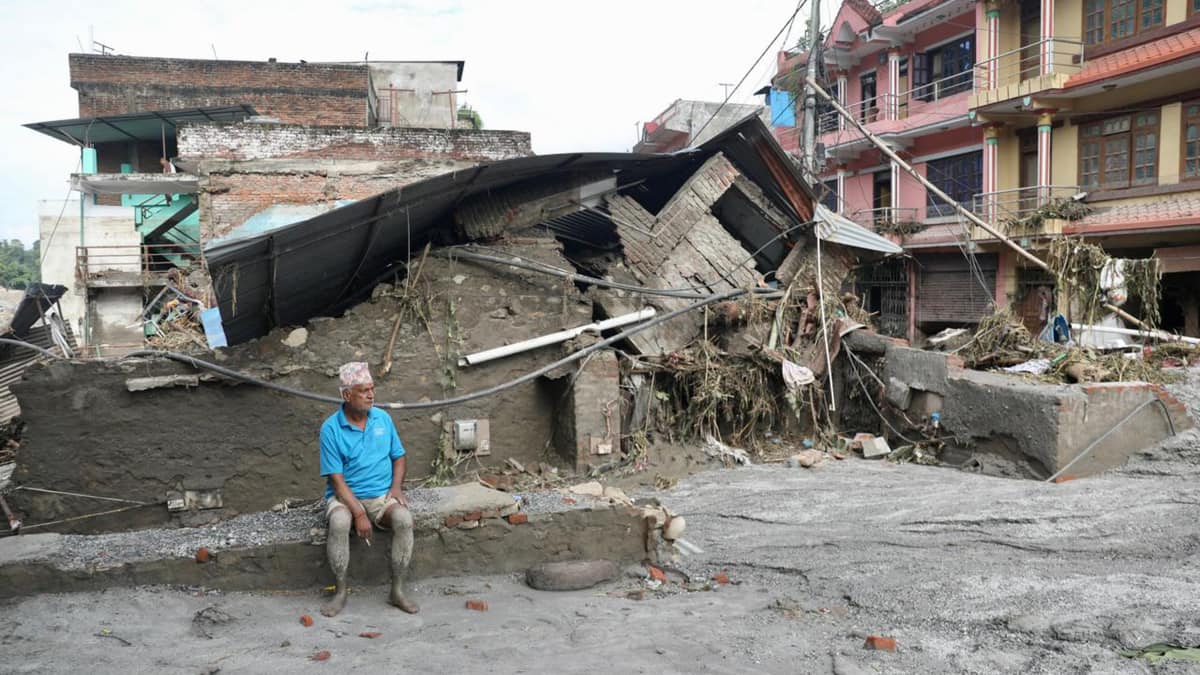
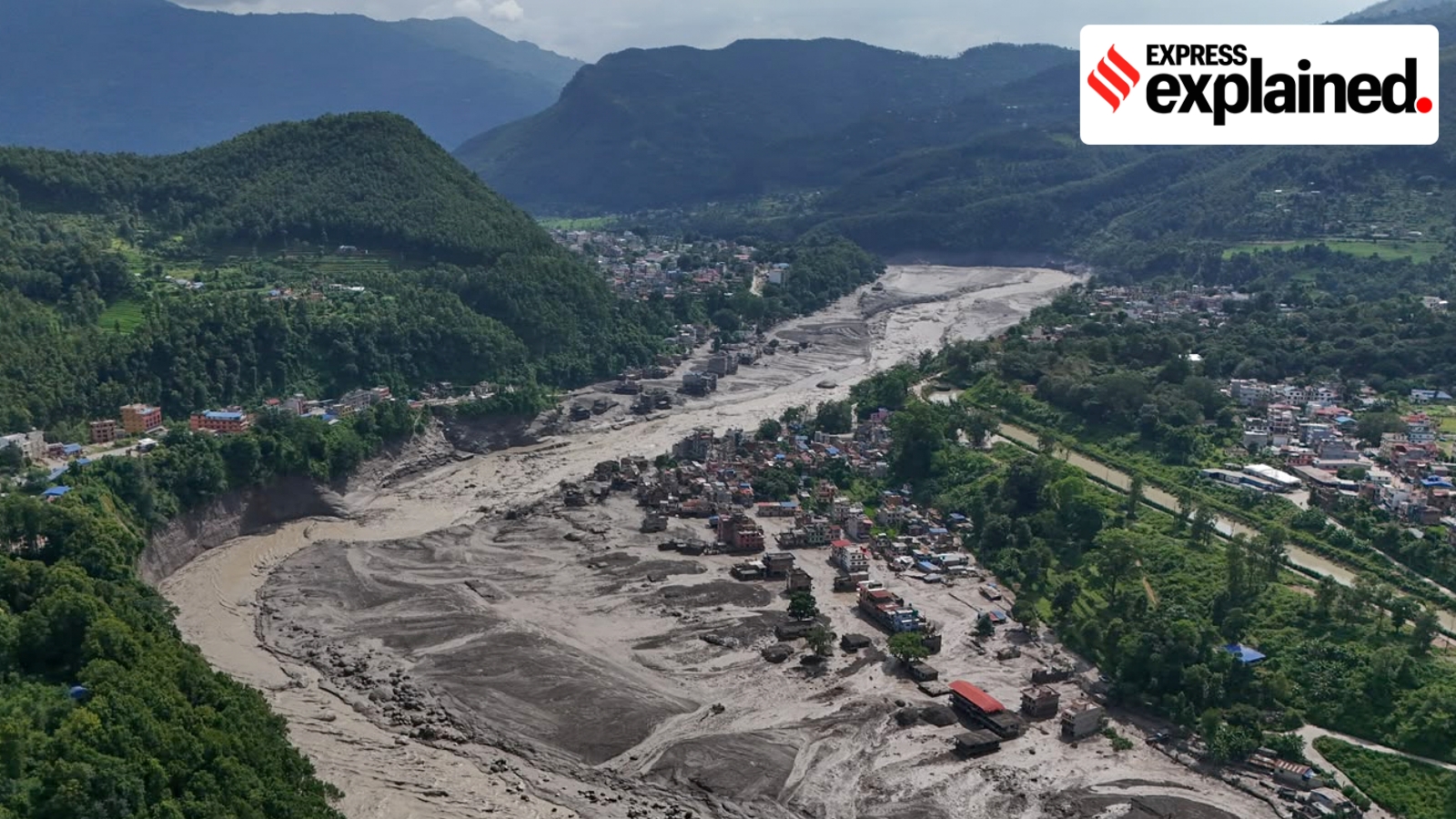
A glacier avalanche of ice, rock and mud struck Nepal’s Bhotekoshi valley near the Nepal-China border.
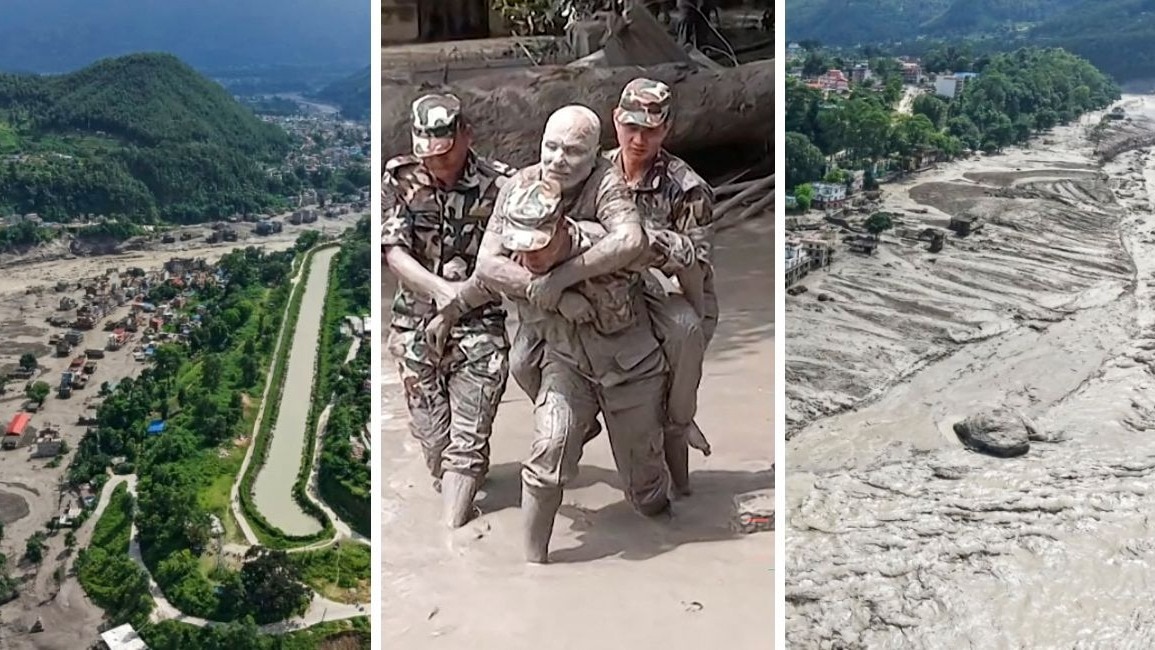
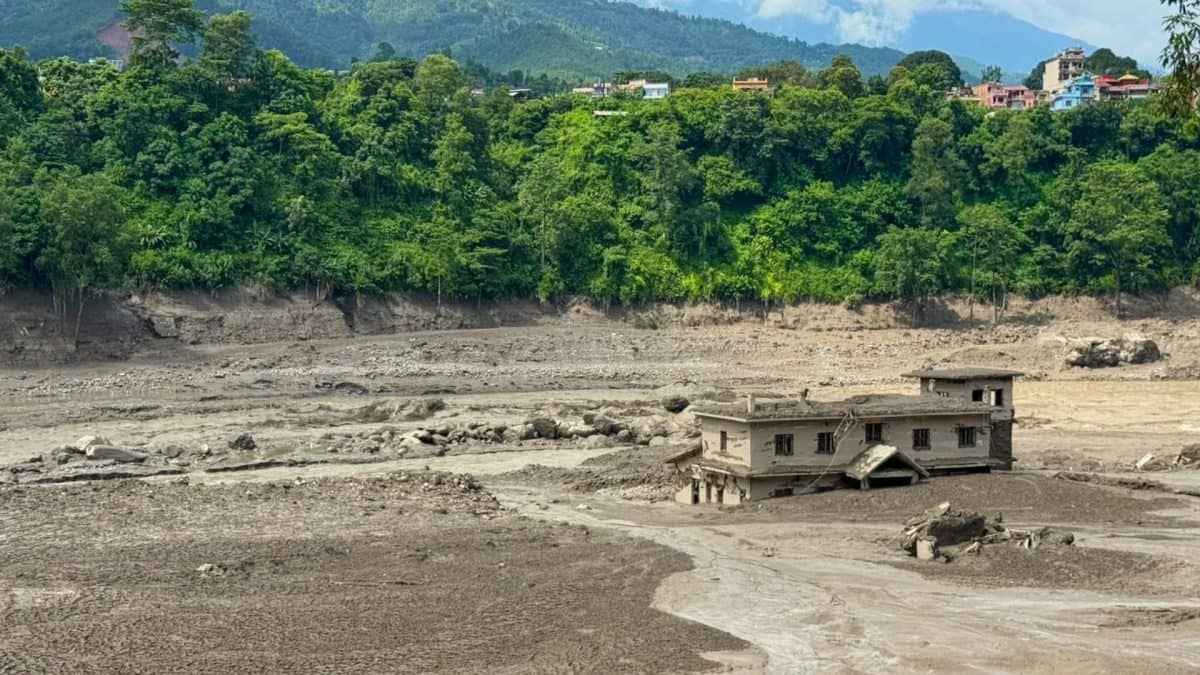
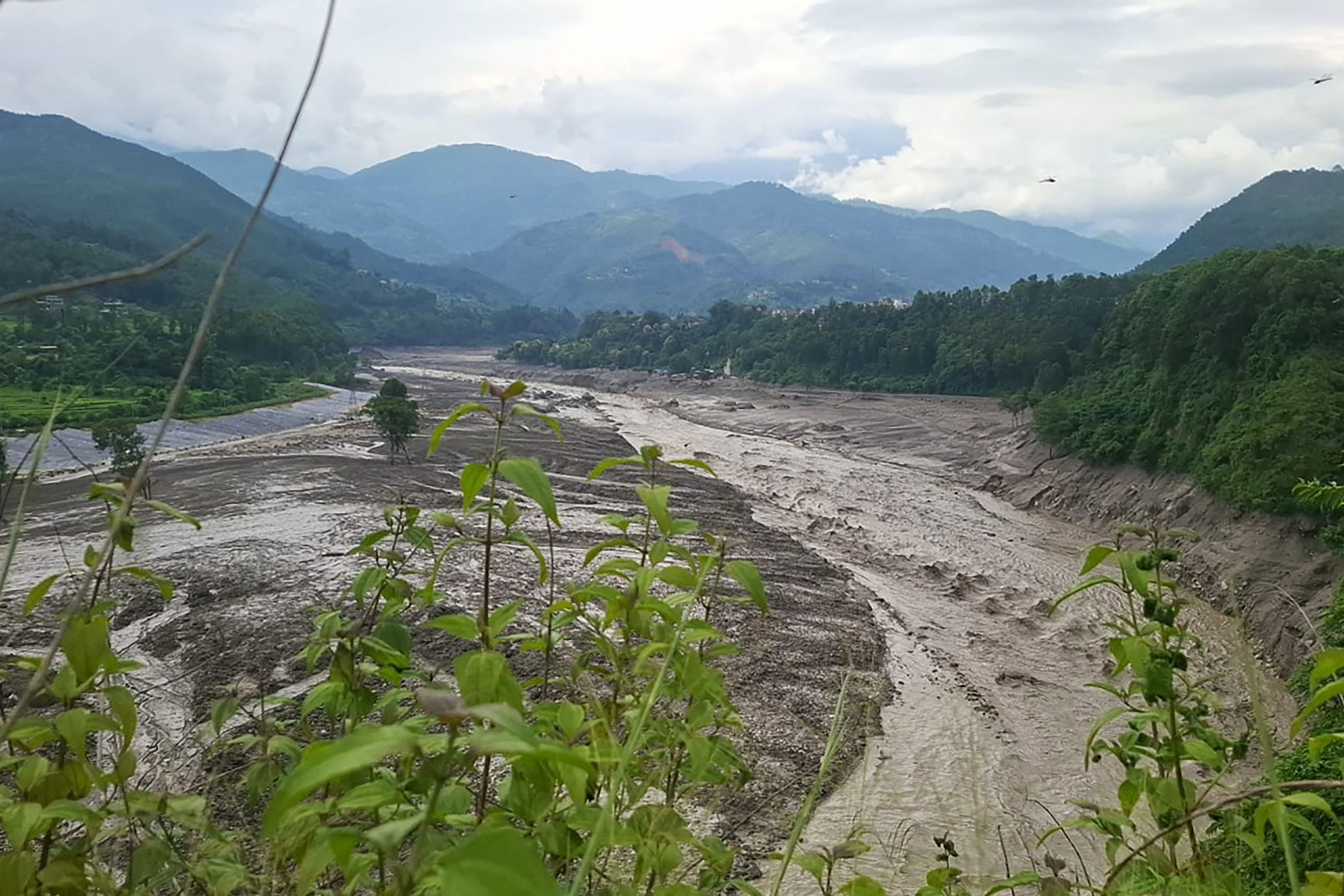
The collapse created a temporary natural dam that later breached, sending destructive floodwaters downstream.
More than 160 people were confirmed dead, while nearly 600 tourists remained unaccounted for as of Thursday morning.
Scientists said the initial seismic reading was caused by the glacier collapse, not an earthquake.
Experts say warming temperatures, unstable slopes and riverbank construction are intensifying cascading Himalayan disasters.
- Who
- Residents and tourists in Nepal’s Rasuwa and Nuwakot districts were affected; scientists, including Dr Vikram Gupta, analyzed the disaster.
- What
- A glacier avalanche triggered a temporary river blockage and subsequent flooding across the Bhotekoshi valley.
- Where
- The event began near the Nepal-China border and affected Nepal’s Rasuwa and Nuwakot districts, including the Bhotekoshi valley.
- When
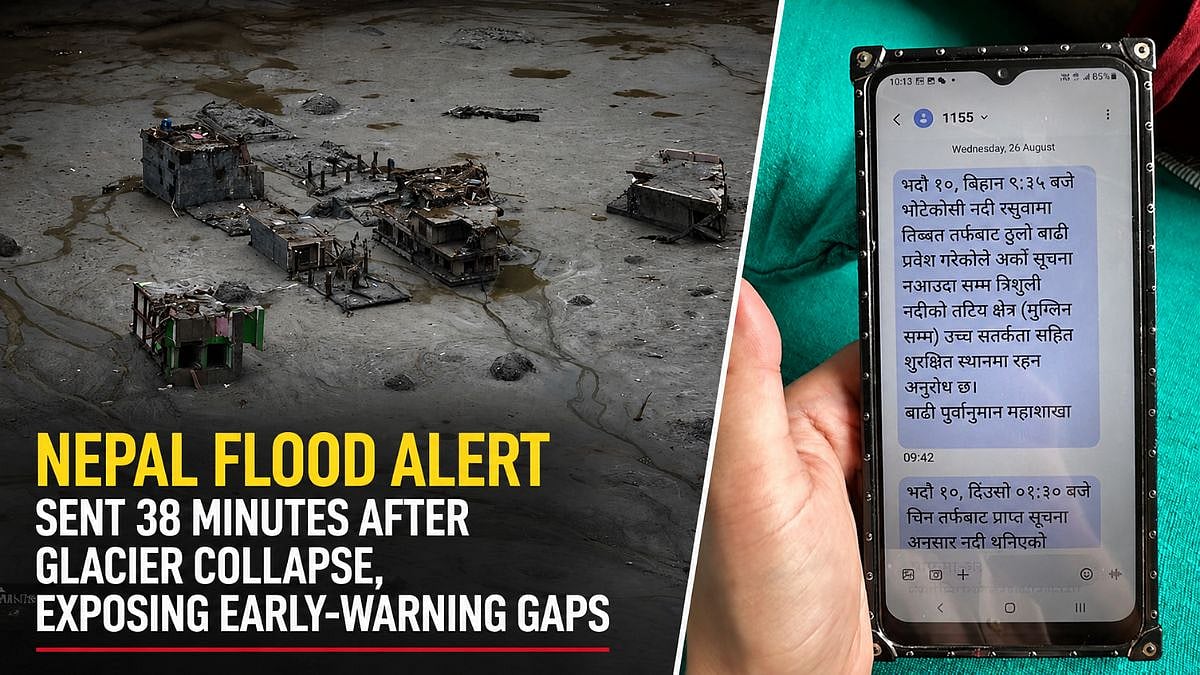
- The disaster occurred before rescue crews arrived Wednesday morning; more than 160 deaths were confirmed by Thursday morning. An image in the article is dated August 26, 2026.
- Why
- The articles attribute the disaster to unstable glaciated terrain, rising temperatures and meltwater, followed by the formation and breach of a natural dam.
Key facts
- Confirmed deaths
- More than 160 as of Thursday morning
- Missing people
- Nearly 600 tourists remained unaccounted for
- Initial seismic reading
- A seismic signal from the glacier collapse, not an earthquake
- Disaster sequence
- Glacier avalanche, temporary natural dam, dam breach and downstream flood
- Main climate factor
- Global warming and sudden temperature-driven meltwater release
- Detection limits
- Satellites can detect formed lakes and slope movement but cannot reliably predict a collapse in advance
- Recommended measures
- Avoid riverbank construction and install river sensors to monitor sudden water-level changes
Quotes
Dr Vikram Gupta
Engineering geologist at Sikkim University who studies landslide risk across the Himalaya
“We have been learning this same lesson for the last ten to fifteen years: We need to stop encroaching on our rivers and start respecting their land.”
 rediff.com
“This is no longer a single-hazard problem; it is a cascading, multi-hazard problem. A landslide never occurs in isolation.”
rediff.com
Sources
Related news
Nepal Flood Exposes Himalayan Cascading Hazard Risks
Nepal-Tibet Floods Reveal a Hidden Himalayan Chain Reaction
Nepal Flash Flood Echoes Himalayan Disasters, Signals Future Risks
Nepal Flood Exposes Gaps in Himalayan Early Warnings
Nepal Disaster Highlights Growing Complexity of Himalayan Hazards
Nepal Flood Highlights Rising Glacier Risks in Warming Himalayas

Nepal Flood Death Toll Tops 1,200 as Searches Continue
Satellite Radar May Strengthen Nepal's Flood Warning Systems
Nepal Plans New Landslide Warning System Along China Border

Nepal Thanks India as Glacial Disaster Rescue Efforts Continue
Nepal Warns of Heavy Rain After Deadly Floods