

8 hrs ago
Climate Scientist Urges Early Warnings Beyond Rainfall After Nepal Floods
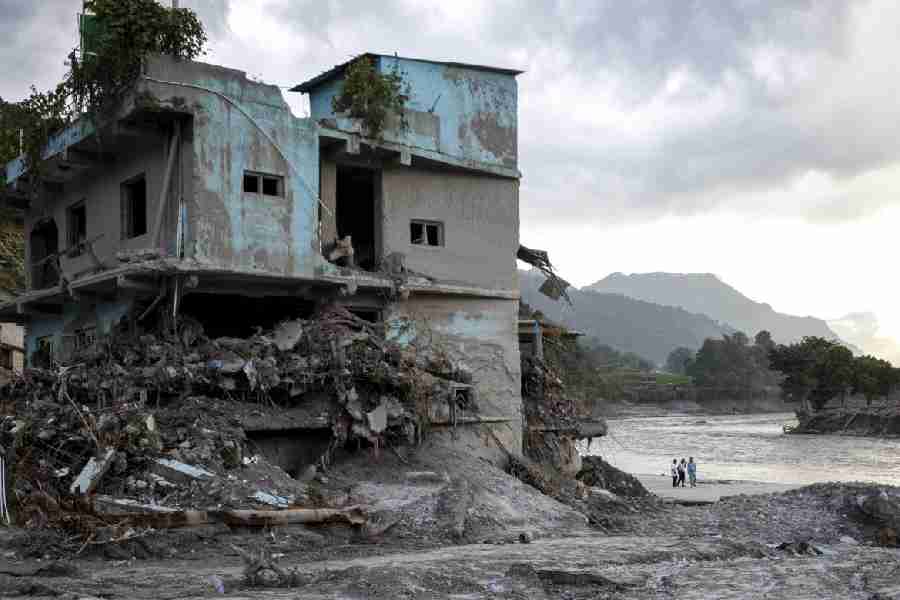
A scientist named Tapio Schneider says disaster warnings should watch for more than just heavy rain.
Some floods can begin when ice and rocks collapse high in the mountains.
Even a few minutes of warning might help people downstream get to safety.
Schneider says warmer temperatures are melting frozen ground called permafrost.
This could make some similar disasters more likely, although each event can have different causes.
He also says India could use its weather data and affordable computers to improve climate forecasts.
Artificial intelligence may help scientists, but people still need to check and explain its results.
Reports differ on whether more than 1,200 or more than 1,400 people died in the Nepal floods.

Tapio Schneider said warning systems should detect non-rainfall disaster triggers and provide downstream communities with even a few minutes of notice.
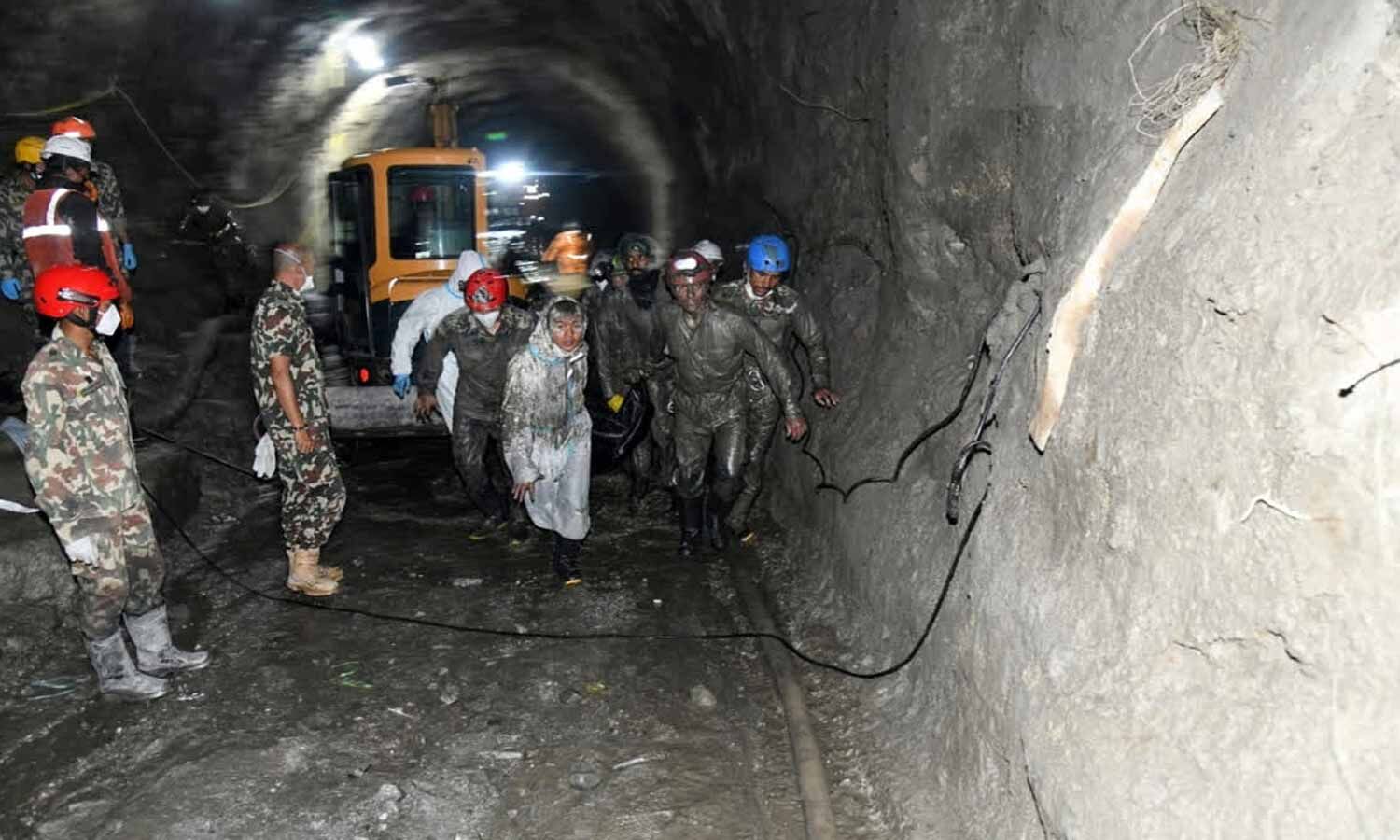
The August 26 Nepal flash floods followed a high-altitude ice and rock collapse, with reports putting the death toll at more than 1,200 or more than 1,400.
Schneider said warming temperatures are melting permafrost and could increase the likelihood of similar events, although individual disasters may have different immediate causes.
He said better data, affordable computing and artificial intelligence could help universities improve climate modeling and rainfall prediction in India.
Schneider said AI-generated mathematical work remains difficult to understand and requires human input, though improved explanations could accelerate research.
- Who
- Climate scientist Tapio Schneider, a California Institute of Technology professor, made the recommendations.
- What
- He called for early-warning systems that detect disaster triggers beyond rainfall, including high-altitude ice and rock collapses.
- Where
- The comments were made during Schneider's visit to Ashoka University, while the disaster affected central Nepal after debris flowed from Tibet.
- When
- Schneider made the comments during a visit reported on September 20; the Nepal floods occurred on August 26.
- Why
- Warming is melting permafrost and may increase the risk of similar events, while advance notice could help save downstream lives.
AI Could Accelerate Research
Human Verification Remains Essential
OpenAI's Navier-Stokes claim
AI Could Accelerate Research
If confirmed, the claimed solution could represent the second solved Millennium Prize Problem, and improved AI explanations could accelerate mathematical research.
Human Verification Remains Essential
The claim has divided mathematicians, and Schneider said AI output is currently difficult to comprehend; mathematical proofs must contribute understandable knowledge, not merely provide yes-or-no answers.
Key facts
- Speaker
- Tapio Schneider, professor of environmental science and engineering at the California Institute of Technology
- Disaster date
- August 26
- Disaster trigger
- A high-altitude ice and rock collapse
- Reported fatalities
- More than 1,200 in one report and more than 1,400 in another
- Recommended warning period
- Even a few minutes for people downstream
- Climate concern
- Melting permafrost as temperatures warm
- Indian data resource
- The India Meteorological Department's extensive monsoon rainfall record
- AI research assessment
- Current AI outputs are messy and require human work to become understandable knowledge
Quotes
Tapio Schneider
Climate scientist and professor of environmental science and engineering at Caltech
“More data (from India) will be helpful for our model, for all models. I think where one big opportunity now lies for places like Ashoka (University) is that climate modelling, weather prediction and assessing climate risk has been confined to rich countries.”
 theprint.in
 CNBC TV 18
“Early warning systems are important. We probably need to expand them beyond events triggered by rainfall to such events so that you can have at least a few minutes of warning for people downstream and save some lives that way.”
theprint.in
CNBC TV 18
 telegraphindia.com
Sources

Early warning systems need alerts for non-rainfall triggers: climate scientist Tapio Schneider
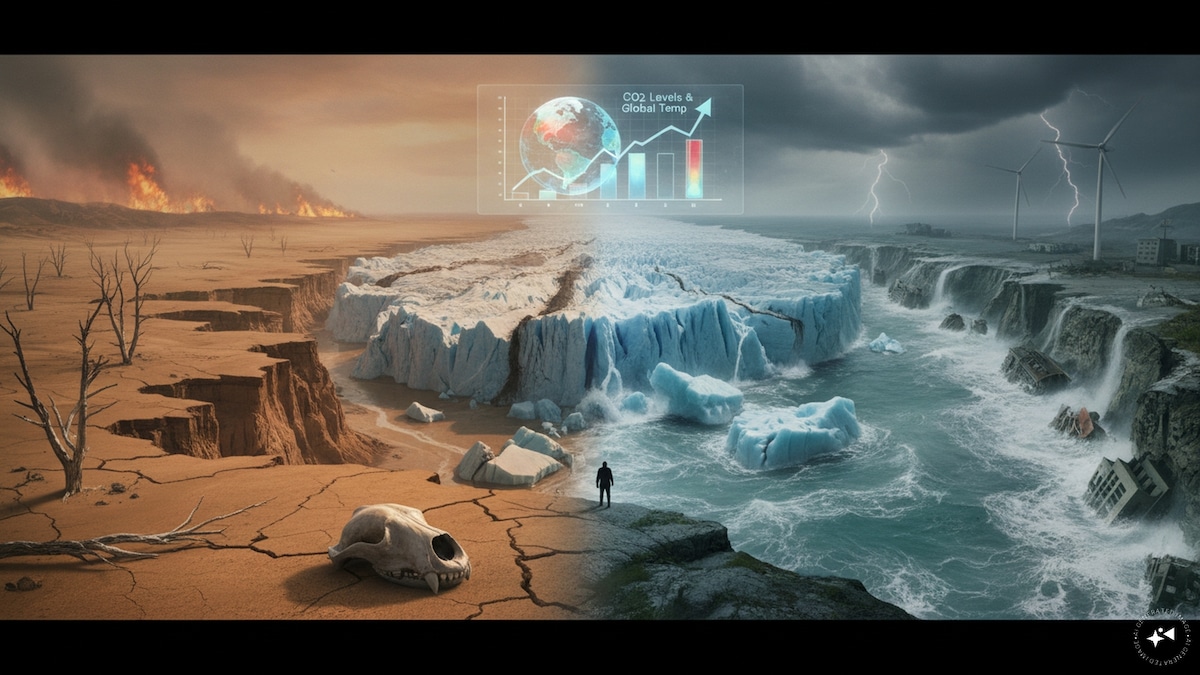
Early warning systems need alerts for non-rainfall triggers, says climate scientist Tapio Schneider
‘Few minutes can save lives’: Nepal floods underline need for early warnings beyond rain, says climate scientist
Related news
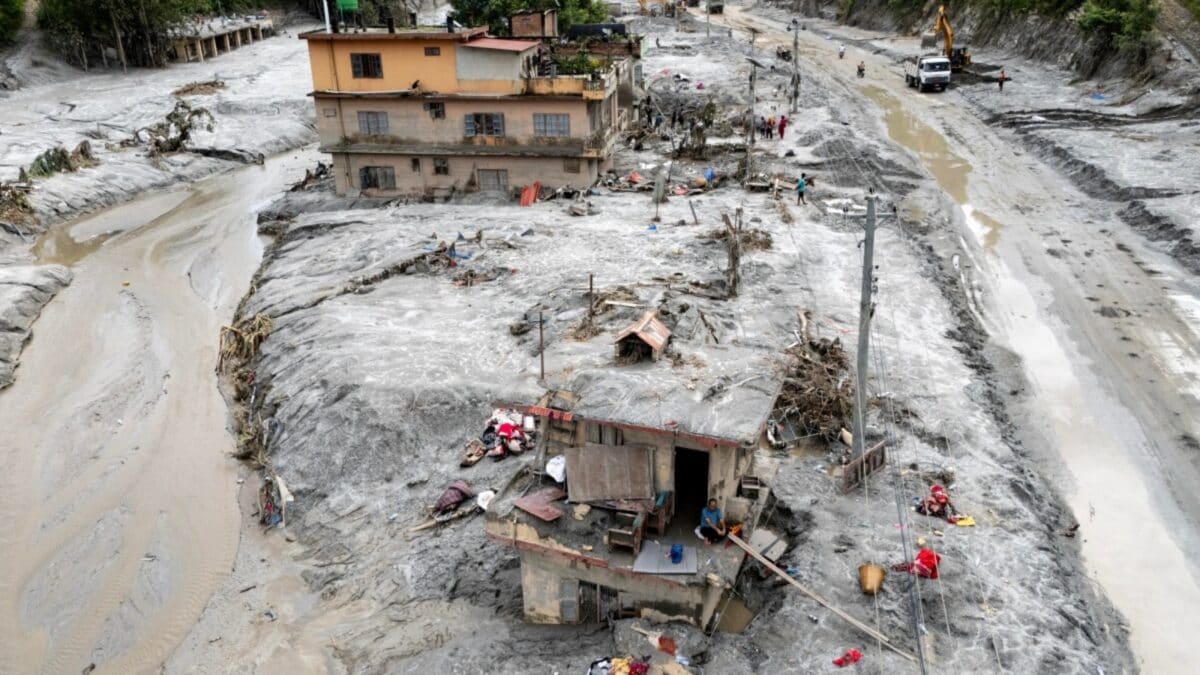
Why Nepal’s Deadly Floods Were So Difficult To Predict
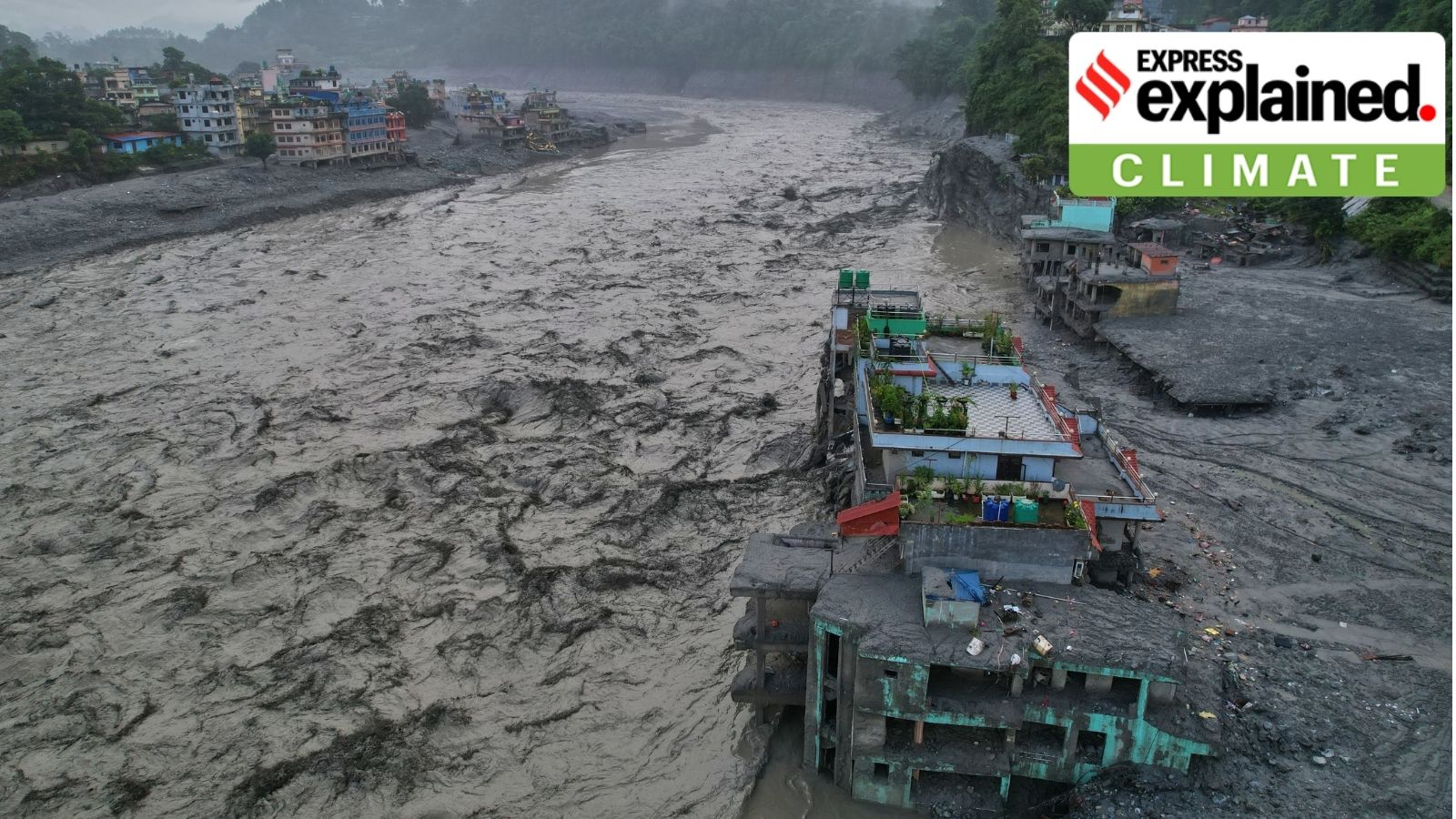
Nepal Flood Exposes Gaps in Himalayan Early Warnings
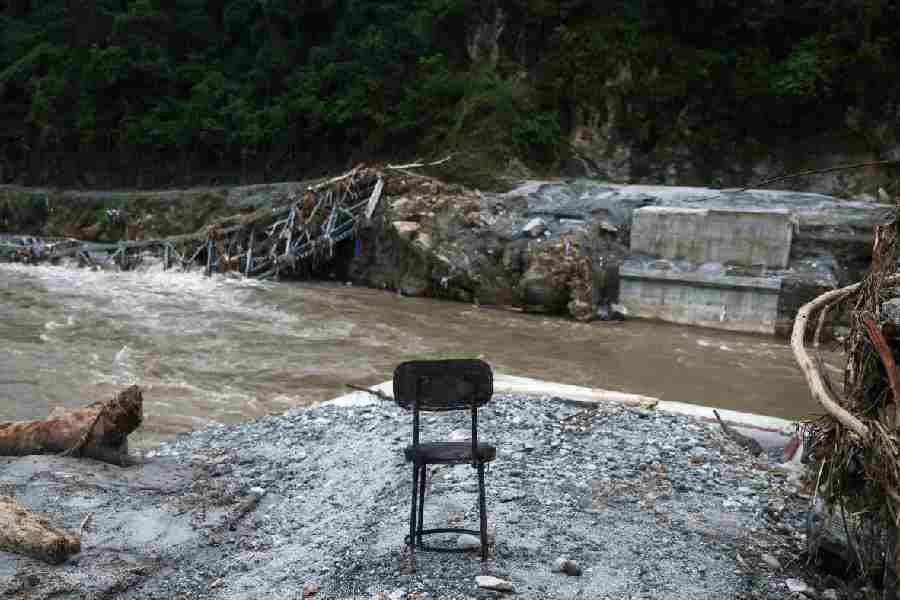
Nepal’s Sudden Ice Collapse Exposes Gaps in Flood Warnings

Satellite Warning Signs Raised Questions After Nepal-China Glacier Disaster
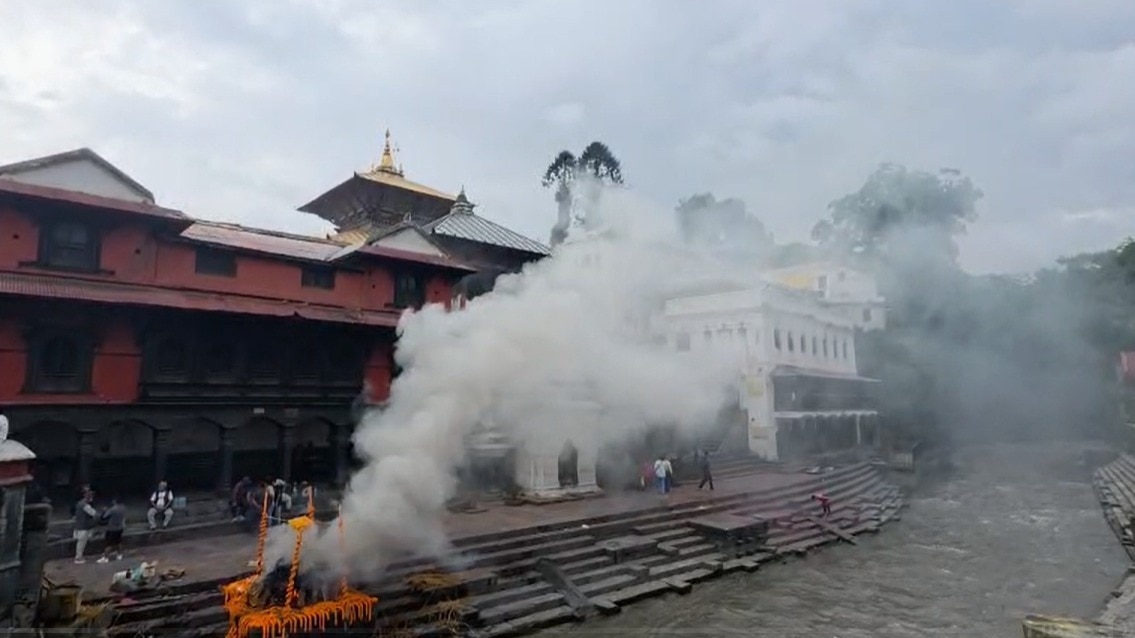
Why Himalayan Early Warning Systems Fail as Disaster Risks Rise
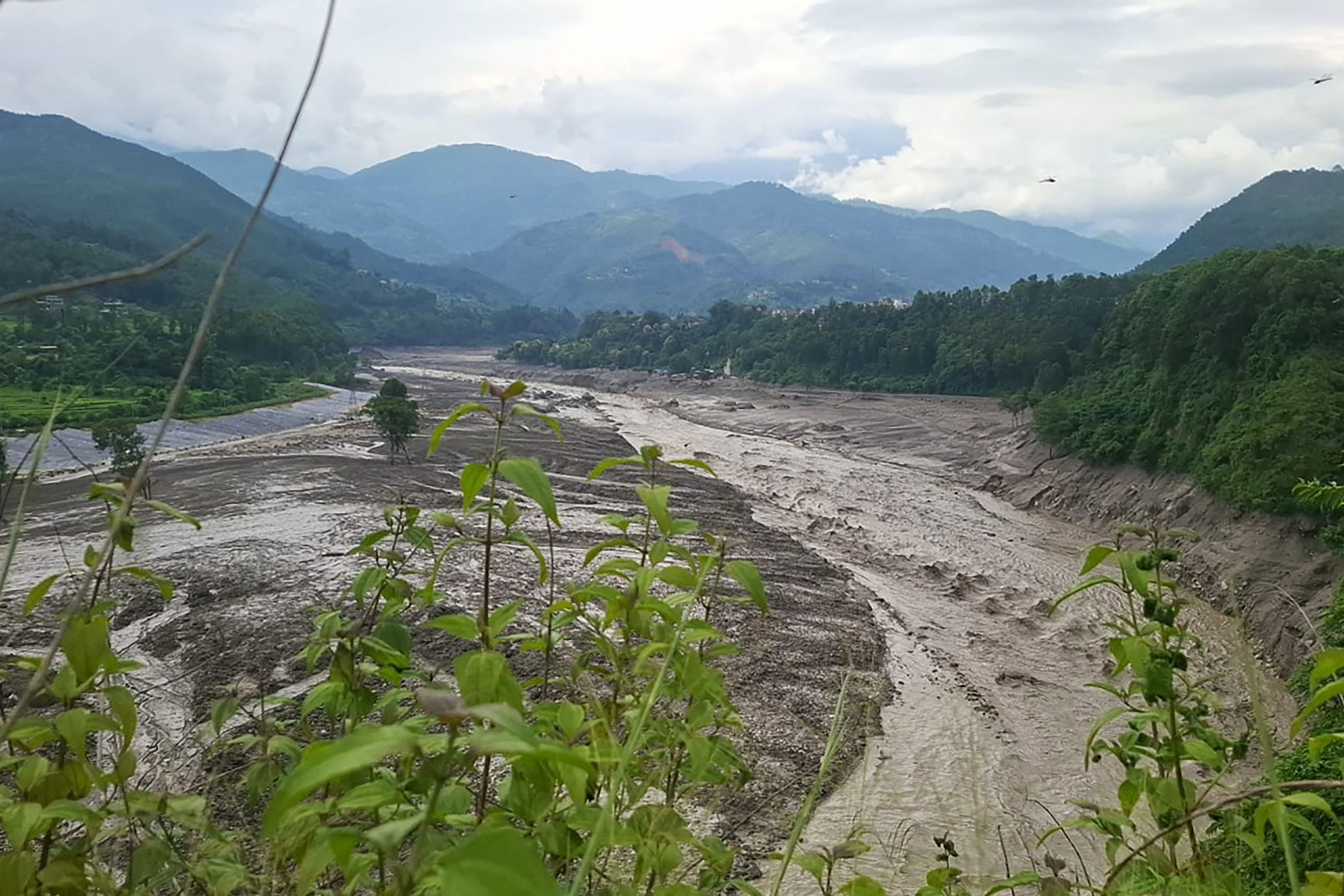
Nepal Flood Highlights Rising Glacier Risks in Warming Himalayas

Nepal Forms Panel to Investigate Deadly Bhotekoshi Floods
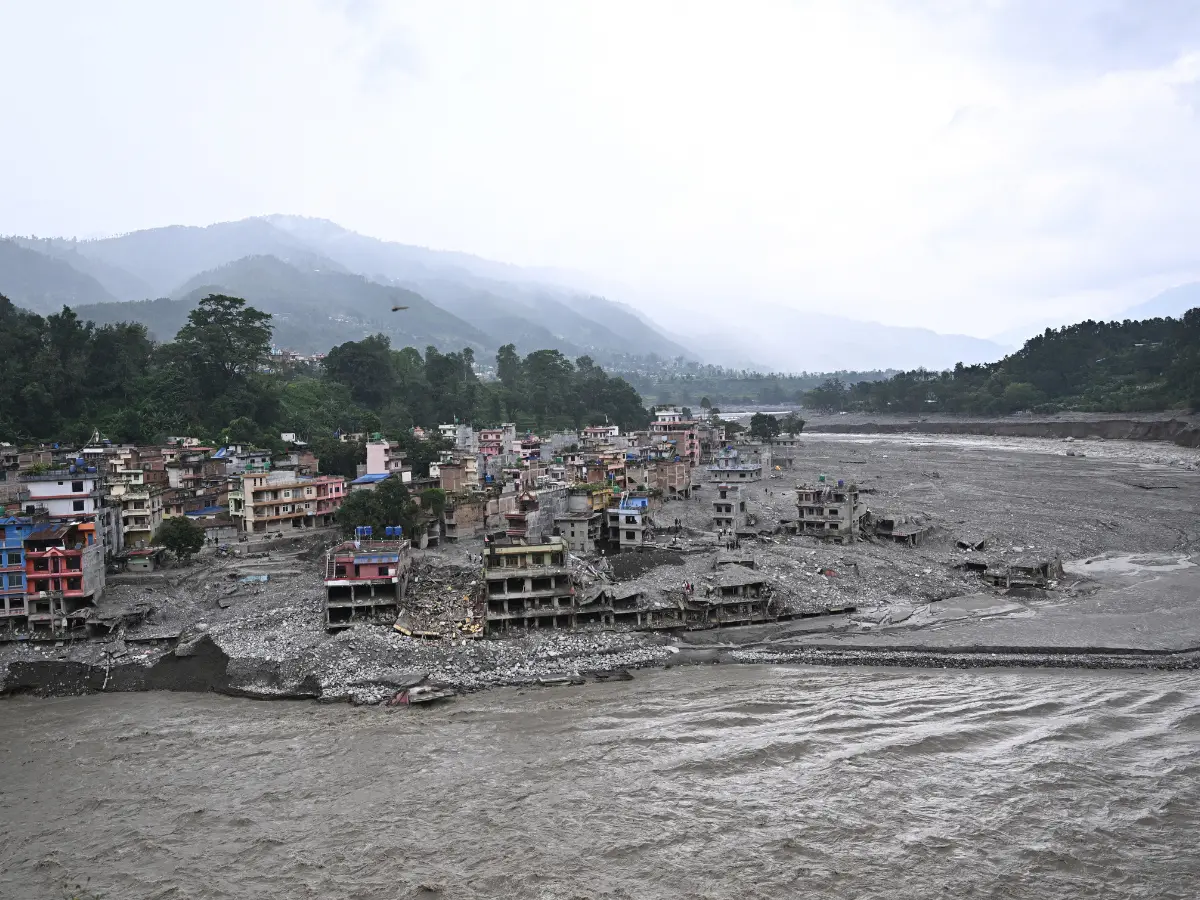
Study links Nepal floods to climate change, earthquake effects
Five Bodies Recovered From Nepal Hydropower Tunnel After Floods
Himalayan Glaciers Near Tipping Point, Threatening Millions’ Livelihoods
