1 hr ago
Study links Nepal floods to climate change, earthquake effects
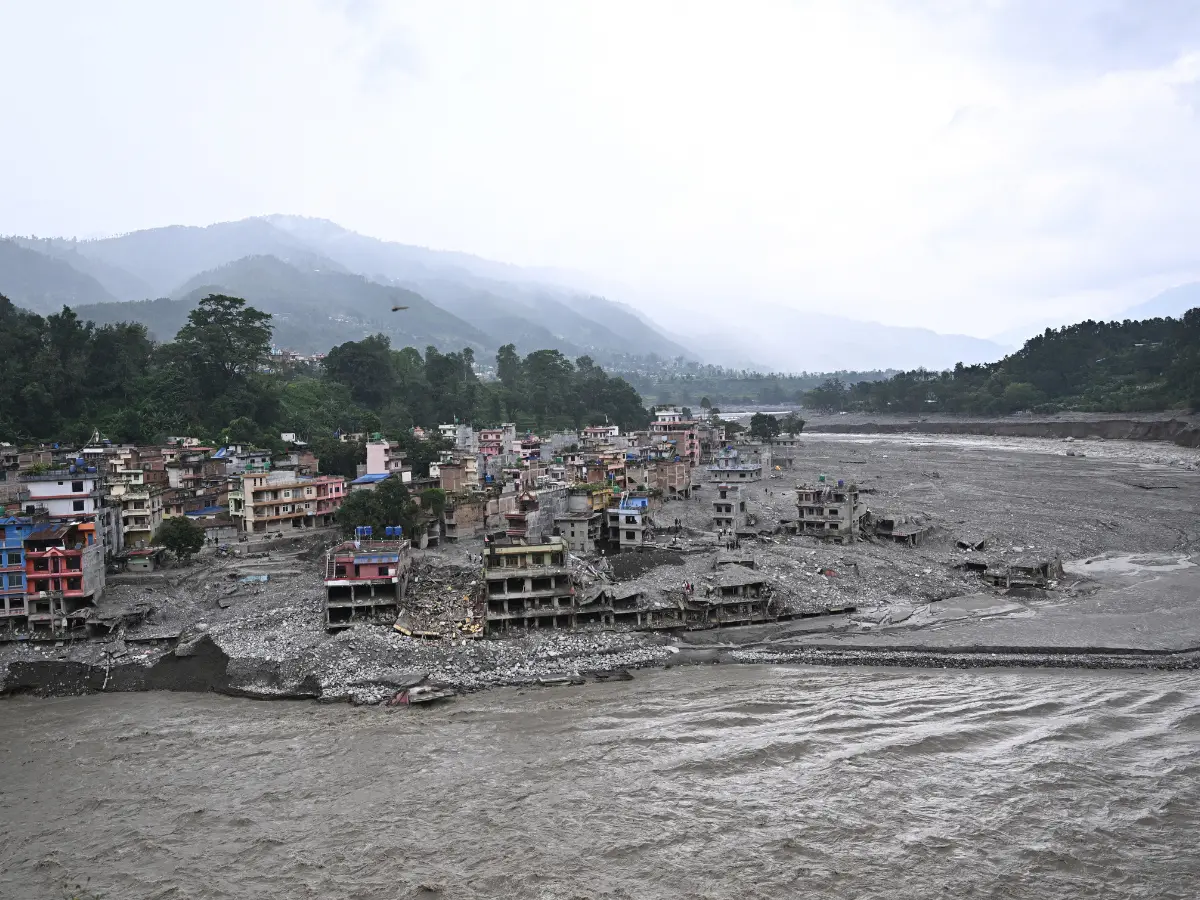
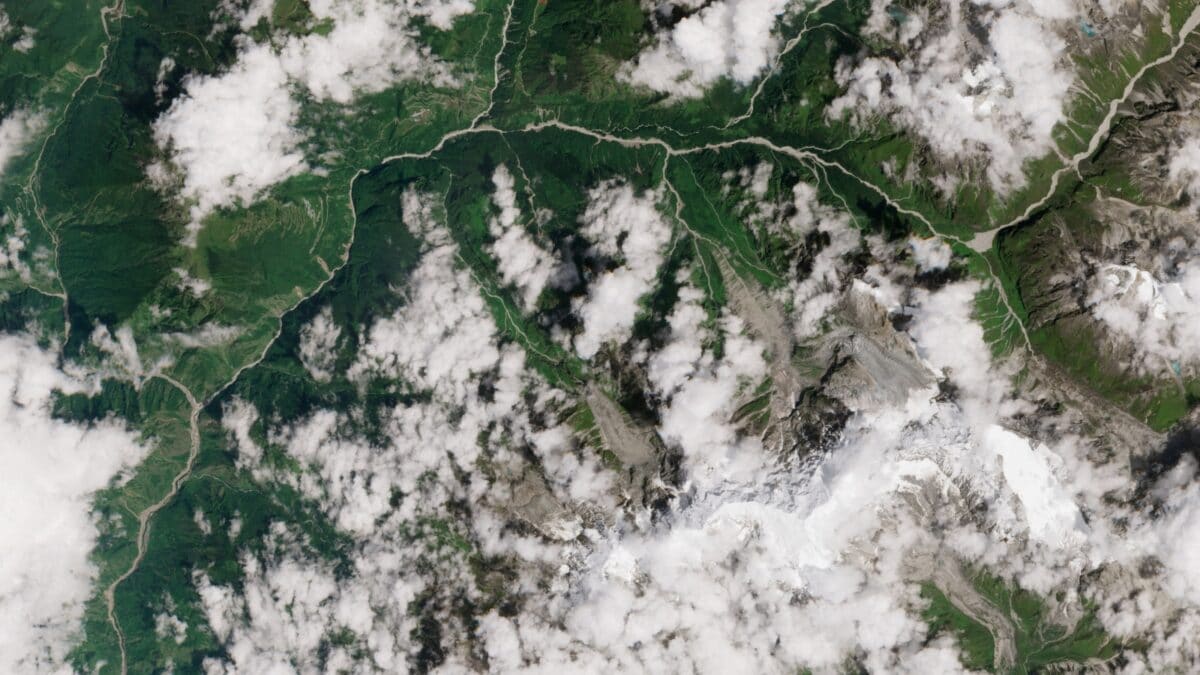
Scientists studied why severe floods struck Nepal and Tibet.
They said human-caused climate change was the main reason.
Warmer temperatures melted glacier ice and thawed permanently frozen ground.
This may have made a mountainside weaker and easier to collapse.
The collapse sent a huge amount of material and water downhill.
More than 1,300 people died.
Scientists also said an earthquake in 2015 may have created cracks in the mountain, but they cannot prove it helped cause the collapse.
They warned that similar glacier-related floods could happen again as the Himalayas warm.

A World Weather Attribution study blamed human-caused warming for destabilizing the mountainside before the floods.
Thawing permafrost and shrinking glacier ice weakened the slope that collapsed on August 26.
More than 1,300 people were killed in Nepal and Tibet by the resulting floods.
Researchers said the 2015 magnitude-7.8 earthquake may have damaged bedrock, but offered no proof.
July and August temperatures were reportedly the region’s highest recorded, with monsoon temperatures 1.5°C warmer.
- Who
- Researchers from World Weather Attribution and other institutions, including Bethan Davies and Walter Immerzeel, studied the disaster.
- What
- A mountain collapse triggered catastrophic floods that killed more than 1,300 people; researchers linked the disaster mainly to human-caused warming and possibly the 2015 earthquake.
- Where
- Nepal and Tibet, near Langtang Lirung on Nepal’s northern border.
- When
- The mountainside collapsed on August 26; the possible contributing earthquake occurred in 2015.
- Why
- Warming thawed permafrost and reduced glacier ice, weakening the mountainside; the 2015 earthquake may also have damaged the bedrock.
Climate-change explanation
Earthquake contribution
Cause of mountain destabilization
Climate-change explanation
Researchers said human-caused warming melted glacier ice, thawed permafrost and weakened the mountainside, making climate change responsible for the disaster.
Earthquake contribution
Researchers said the 2015 magnitude-7.8 earthquake may have damaged bedrock and increased fractures, potentially weakening the slope, although they emphasized that there is no proof.
Role of combined factors
Climate-change explanation
The study’s researchers said changing climate was definitely responsible for the disaster and could lead to similar floods in the future.
Earthquake contribution
Walter Immerzeel said the earthquake and climate change may have worked together, with the earthquake creating a pre-existing weakness in the mountain.
Key facts
- Deaths
- More than 1,300 people were killed in Nepal and Tibet.
- Main finding
- The World Weather Attribution study identified human-caused global warming as the main factor.
- Temperature change
- Monsoon temperatures were 1.5°C warmer, while annual temperatures increased by nearly 2°C.
- Freezing line
- The Himalayan freezing line has moved upward by 100 metres every decade.
- Earthquake
- A magnitude-7.8 earthquake struck the area in 2015.
- Comparison
- Researchers compared the event’s mechanism with India’s Chamoli disaster, but said the Nepal event was unprecedented in scale.
Quotes
Walter Immerzeel
Mountain hydrologist at Utrecht University
“Climate warming, as a result of humans burning fossil fuels, is melting ice and snow in the Himalayas, decreasing glacier coverage and thawing permafrost, which destabilises the mountainsides.”
 wionews.com
“The mechanism of the disaster is comparable to what happened in India in Uttarakhand, which is called the Chamoli disaster.”
wionews.com
Sources
Related news
Melting Glaciers Push Nepal Toward Its Adaptation Threshold

Nepal Flash Floods Expose Glacier Risks Amid Climate Concerns
Glacier Collapse May Have Triggered Deadly Nepal Flood
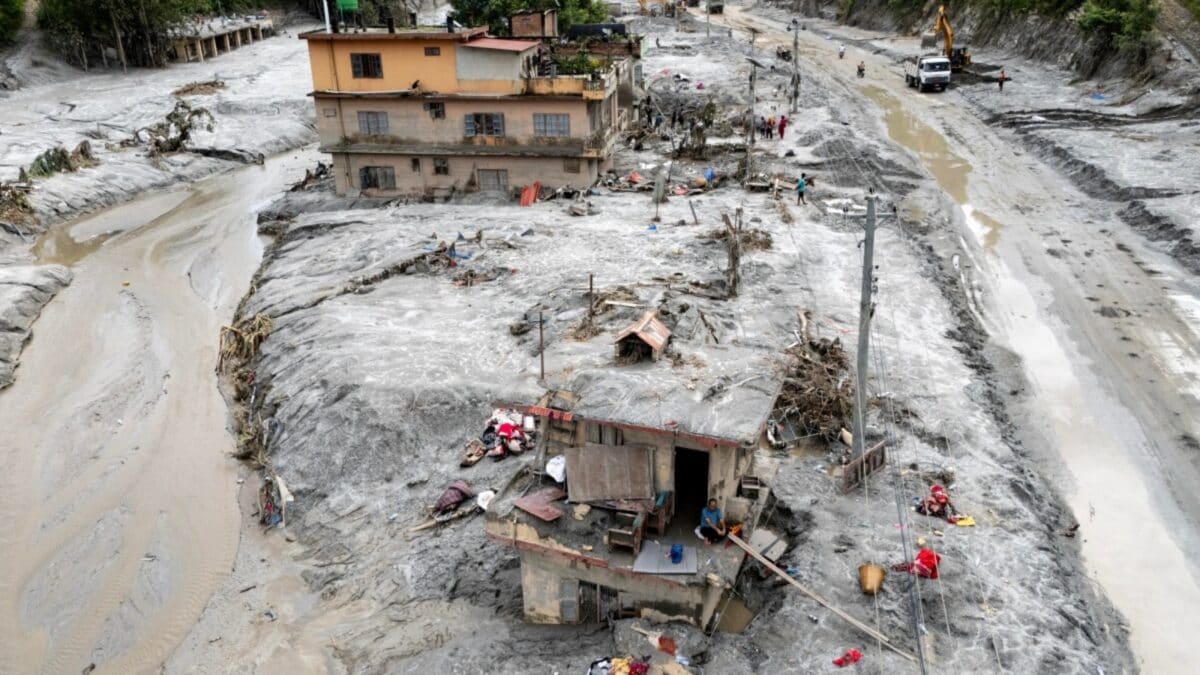
Why Nepal’s Deadly Floods Were So Difficult To Predict
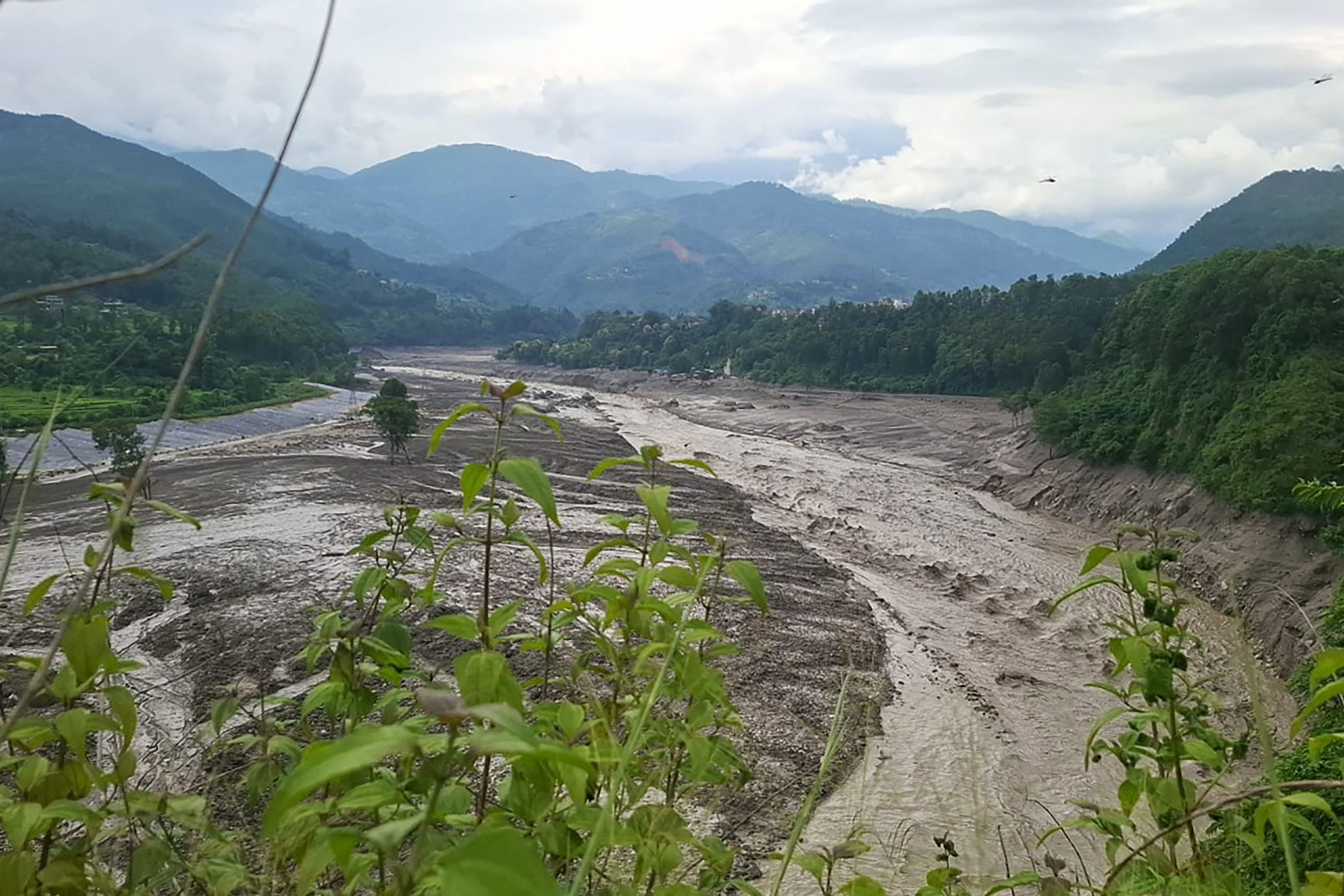
Nepal Flood Highlights Rising Glacier Risks in Warming Himalayas
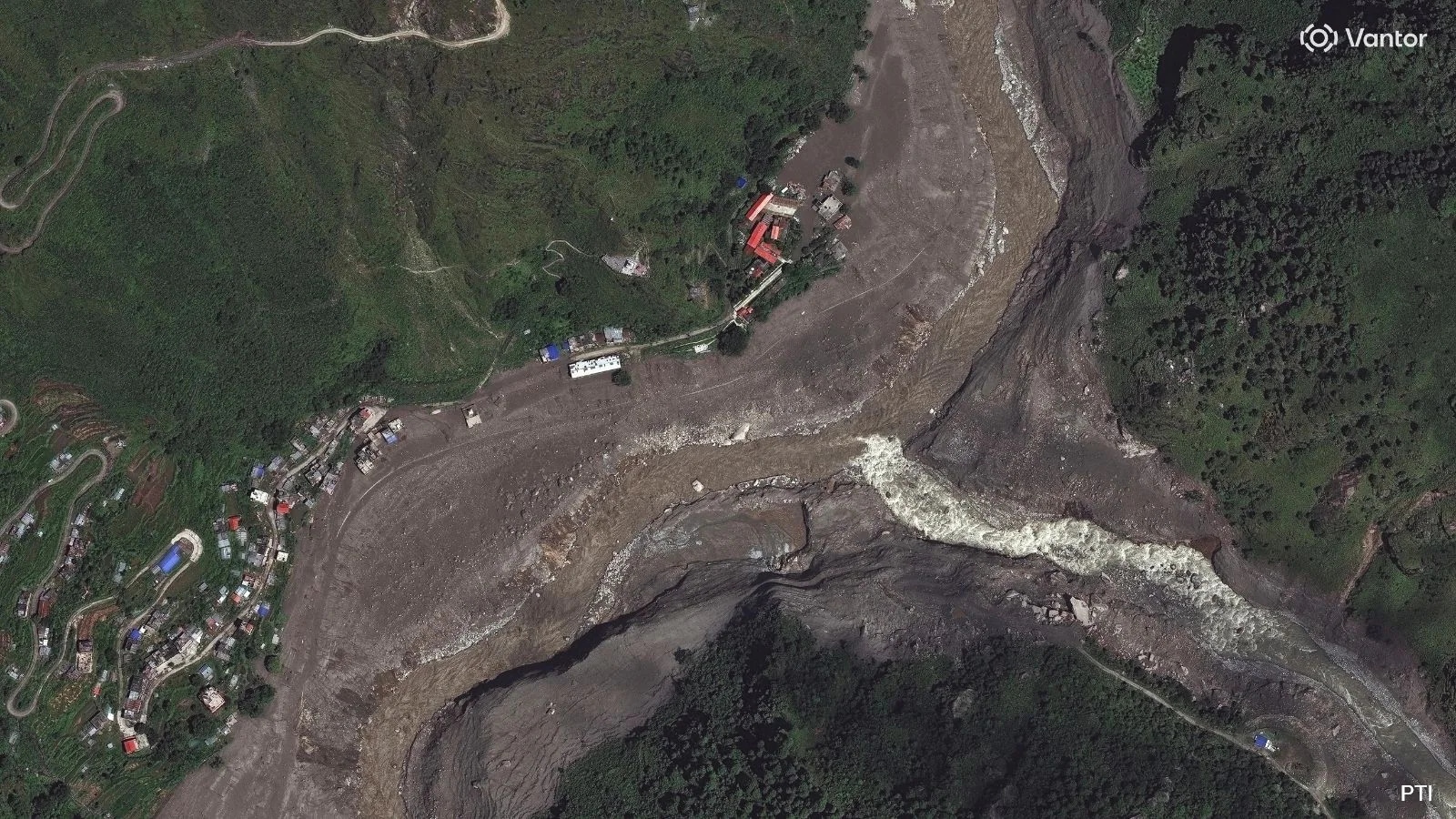
Climate Change, Landslides and Glacial Debris Behind Himalayan Floods
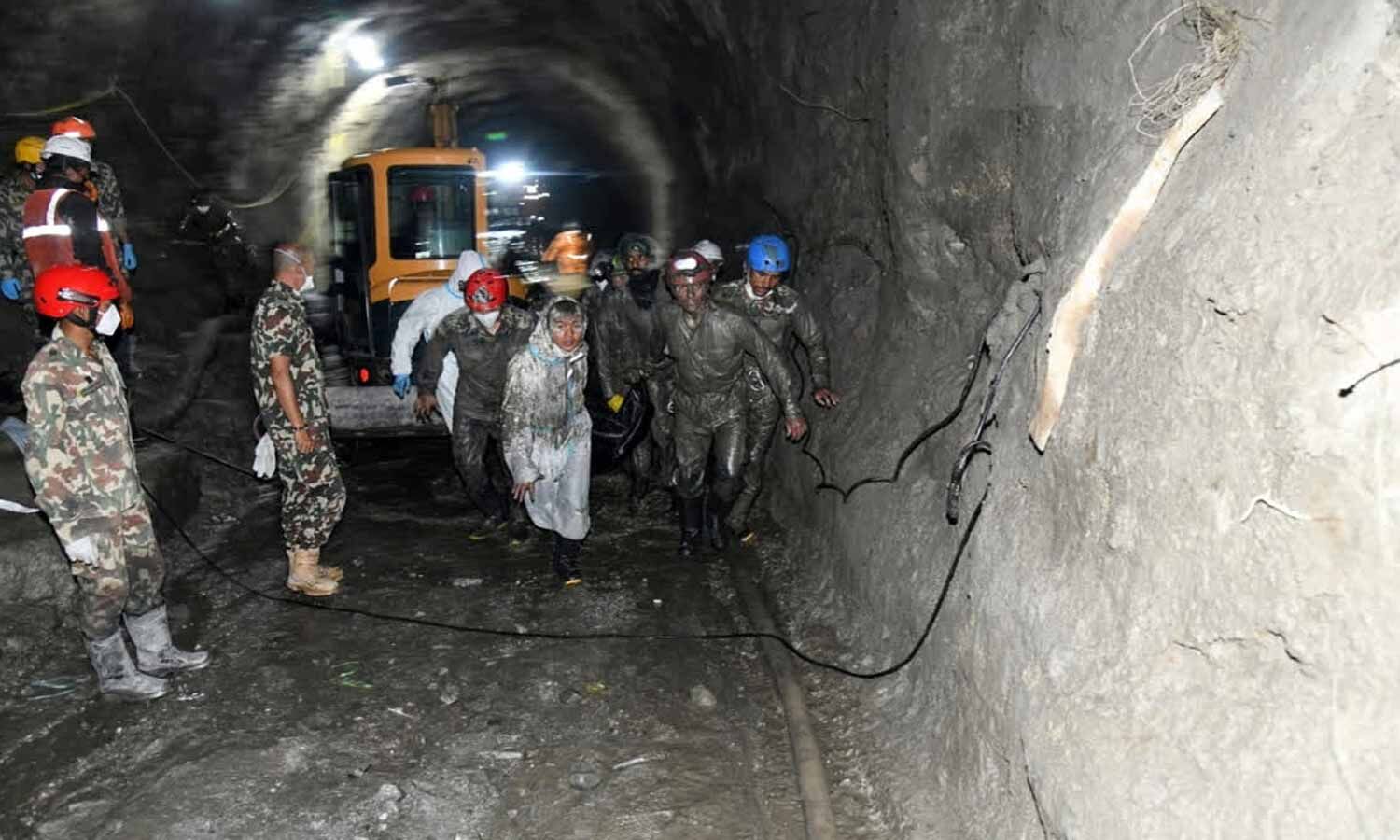
Five Bodies Recovered From Nepal Hydropower Tunnel After Floods
Himalayan Glaciers Near Tipping Point, Threatening Millions’ Livelihoods

Kolkata Puja Committee Donates to Nepal Flood Victims

Himalayan Glacier Melt Threatens Water Security and Livelihoods