

2 weeks ago
Trump, Carney Race to Avert $20 Billion Canada Tariffs
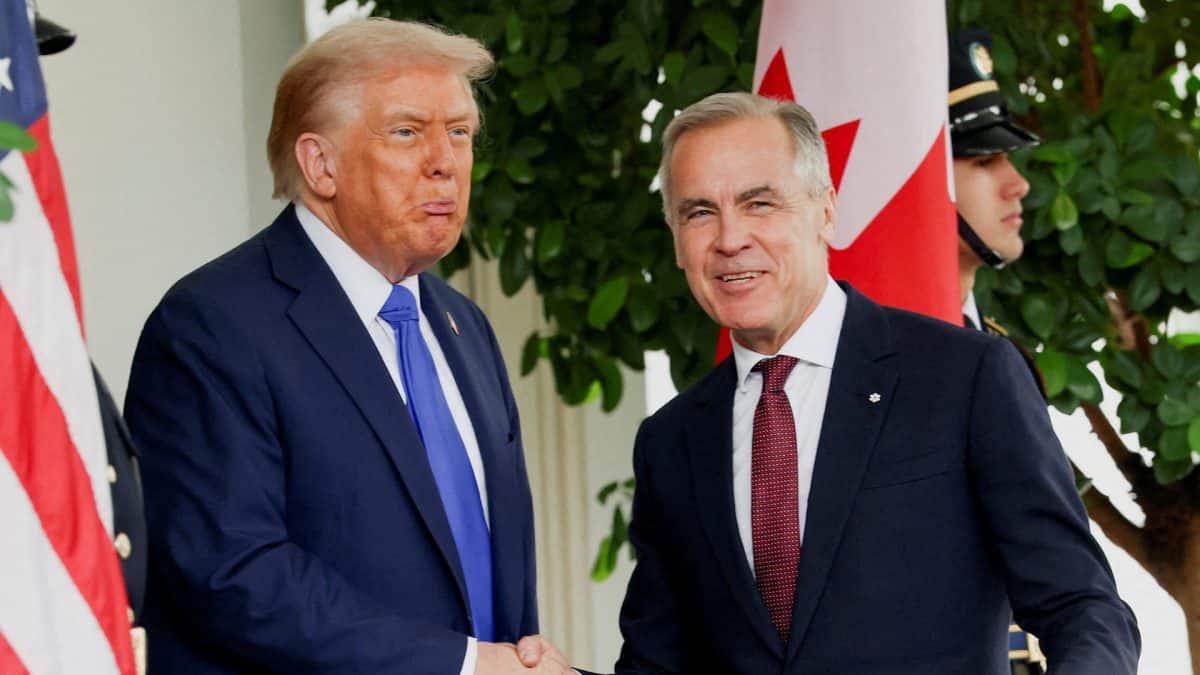
Canada and the United States are arguing about new taxes on traded goods.
President Donald Trump’s government plans to place tariffs of up to 50% on nearly $20 billion in Canadian exports.
Prime Minister Mark Carney’s government is trying to stop or reduce those tariffs.
Cars and car parts are the biggest disagreement.
The United States wants only parts made in the United States to count toward a vehicle’s US content.
Canada wants parts made across North America, including Canada and Mexico, to count.
Both countries are worried that tariffs could hurt factories and suppliers.
Canada may respond with its own measures if no deal is reached.
The talks could also affect the broader North American trade agreement.

Canada and the United States held last-minute talks over planned 50% tariffs on nearly $20 billion in Canadian exports.
Automotive tariffs are the main sticking point, with both sides discussing a possible reduction from 25% to 15%.
Washington wants only US-made components counted as domestic content, while Ottawa favors a broader North American definition.
The tariffs could affect goods covered by the United States-Mexico-Canada Agreement and threaten wider trade negotiations.
Canada says it may retaliate, support affected industries, or pause broader bilateral engagement if the tariffs proceed.
- Who
- Canadian Prime Minister Mark Carney and US President Donald Trump, along with their trade officials.
- What
- They are negotiating to avoid planned US tariffs of up to 50% on nearly $20 billion in Canadian exports.
- Where
- The leaders held a call, while Canadian and US trade officials conducted negotiations in Washington.
- When
- The latest leaders’ call occurred as a deadline approached, after weeks of negotiations and meetings on Monday.
- Why
- Washington says Canadian policies affecting autos, alcohol, and dairy discriminate against US goods; Ottawa rejects that claim and is seeking to protect trade access.
Canada and Ottawa
United States and Washington
Automotive content rules
Canada and Ottawa
Canada wants Canadian and Mexican components included in a broader North American definition of vehicle content.
United States and Washington
The United States insists that only components produced in the United States should qualify.
Justification for tariffs
Canada and Ottawa
Ottawa rejects Washington’s claim that Canadian policies discriminate against US goods and says earlier US tariffs violated the trade framework’s spirit and terms.
United States and Washington
Washington points to Canadian policies affecting automobiles, alcohol, and dairy as justification for imposing tariffs.
Response to new tariffs
Canada and Ottawa
Canada says it is prepared to retaliate and consider targeted support for affected industries or a pause in wider bilateral engagement.
United States and Washington
The United States has pursued tariffs of up to 50% under Section 338 of the Tariff Act of 1930.
Key facts
- Potentially affected exports
- Nearly $20 billion in Canadian goods
- Planned tariff level
- Up to 50%
- Automotive tariff under discussion
- A possible reduction from 25% to 15%
- Main dispute
- Whether Canadian and Mexican components should count as North American content
- Canadian vehicle supply chain
- About half the value of a vehicle assembled in Canada comes from the United States, according to a senior Canadian auto industry official
- Canadian response options
- Retaliatory tariffs, targeted industry support, and a pause in broader bilateral engagement
- Legal authority cited by Washington
- Section 338 of the Tariff Act of 1930
Sources
Related news
Canada Plans Retaliatory Tariffs as Trump Escalates Trade War
Trump Threatens 50% Tariffs on Canadian Autos, Steel
Trump threatens 50% tariffs on Canadian cars amid trade fight

Canada-US Trade Talks Collapse as Tariffs Deepen Economic Rift
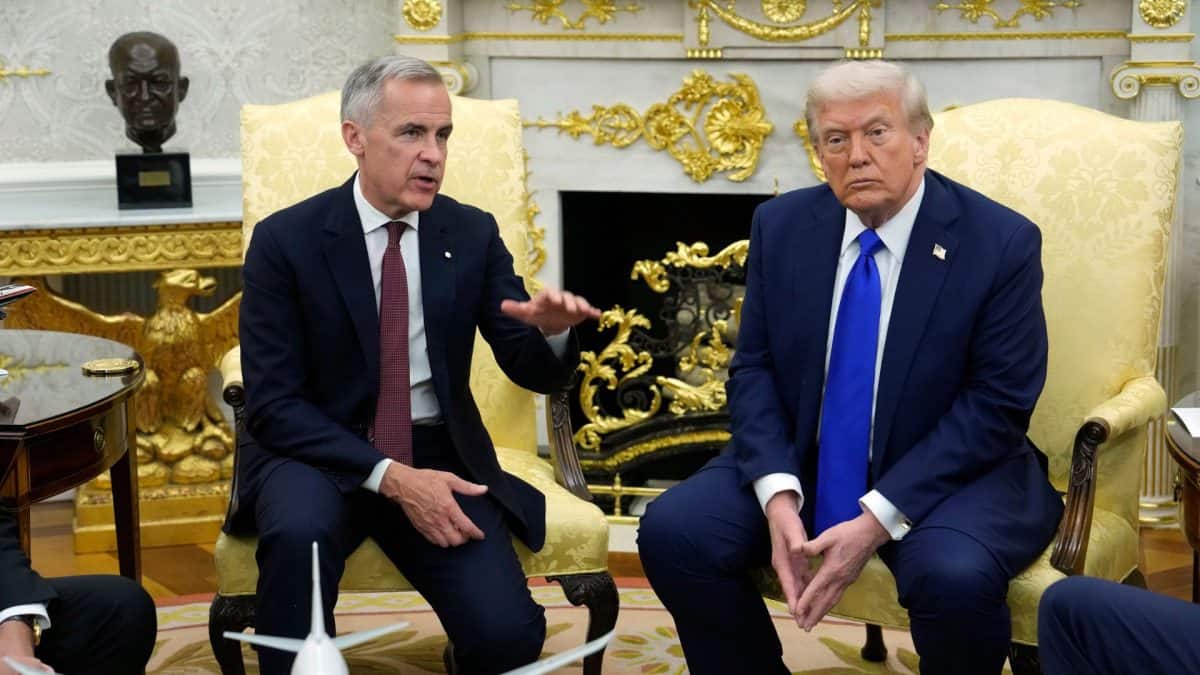
US-Canada Trade Talks Collapse as 50% Tariffs Take Effect
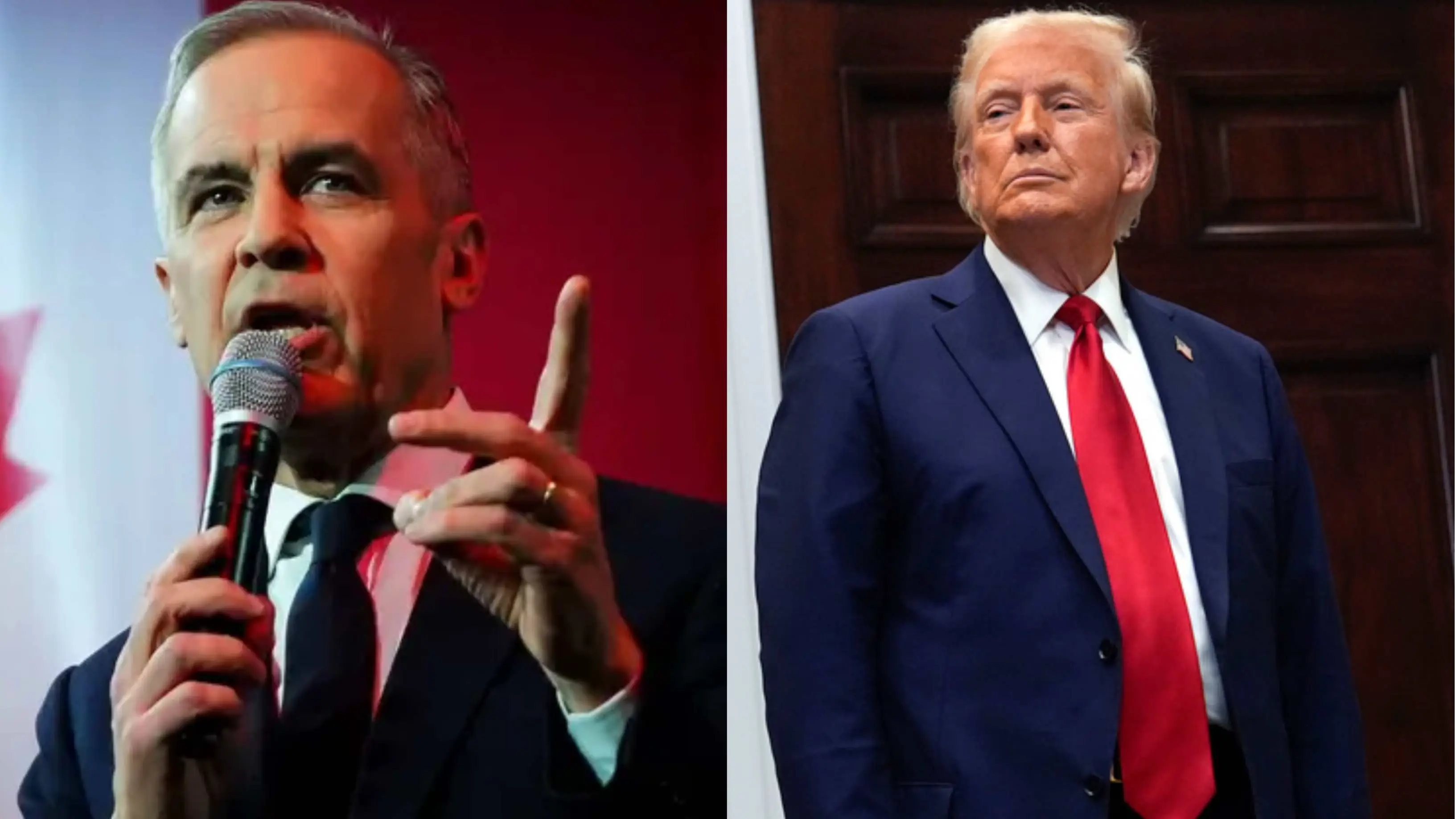
Trump Escalates US-Canada Trade War With 50% Tariffs
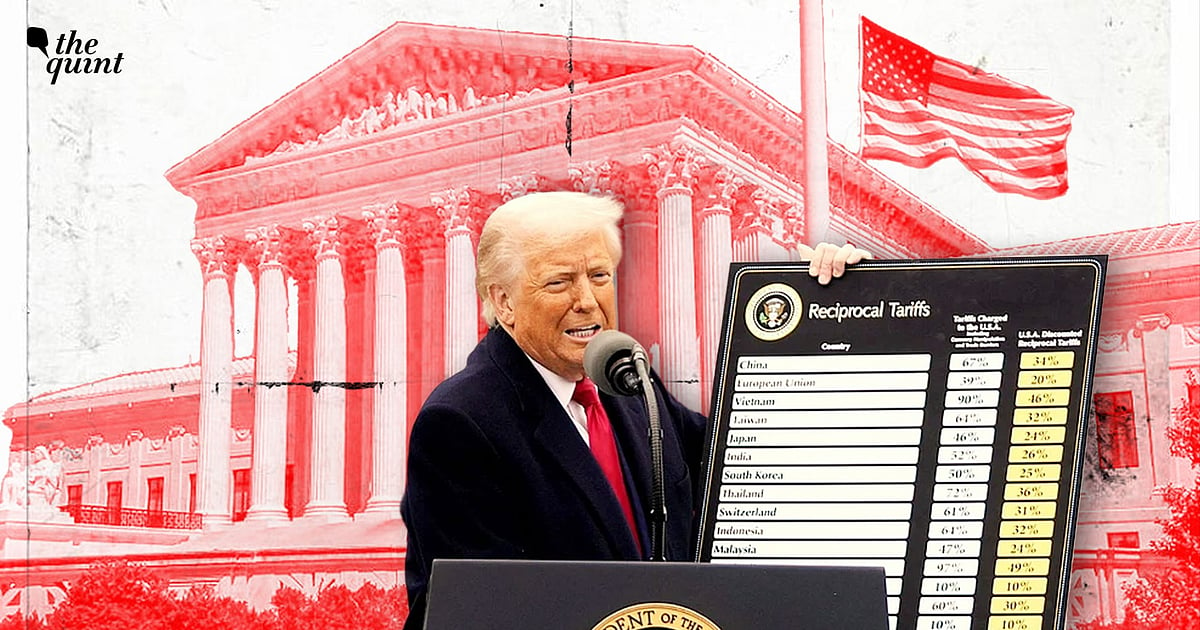
Canada Tariff Dispute Raises Wider Worry for New Delhi
Cheese Name Dispute Becomes Stumbling Block in U.S.-Mexico Talks

Canada Rejects Unequal US Trade Deal Despite Economic Risks
Trump Escalates Trade Confrontation as Canada Vows Tariff Retaliation

US-Canada Trade Collapse Offers India a Cautionary Lesson
