

1 week ago
Trump threatens 50% tariffs on Canadian cars amid trade fight

The United States and Canada were trying to make a trade deal, but the talks broke down.
President Donald Trump then threatened to charge a much higher tax on Canadian cars, trucks and auto parts entering the United States.
The proposed tax could be 50%, compared with the current 25% auto tariff.
The deal being discussed would have lowered several tariffs instead.
Canada says it will respond with its own taxes on American goods.
Car factories in both countries depend on parts that cross the border many times.
This means the new tariffs could make cars more expensive and slow down factory work.
Some auto executives doubt the threat will actually happen, while others fear a larger trade fight.

President Donald Trump warned that U.S. tariffs on Canadian cars, trucks and auto parts could rise to 50% starting January 1.
U.S.-Canada trade talks collapsed after negotiators failed to resolve disagreements, including coverage of medium- and heavy-duty trucks.
The proposed deal would have lowered auto tariffs from 25% to 15% and steel and aluminum tariffs from 50% to 25%.
Canada has promised dollar-for-dollar retaliation and plans tariffs on some U.S. goods beginning September 8.
Automakers warn that repeated border crossings by parts could raise costs, disrupt production and increase vehicle prices.
- Who
- U.S. President Donald Trump and Canadian Prime Minister Mark Carney are central figures, alongside automakers and parts suppliers.
- What
- Trump threatened to raise U.S. tariffs on Canadian cars, trucks and automotive parts to 50%.
- Where
- The dispute concerns trade between the United States and Canada, including cross-border North American auto supply chains.
- When
- The threat was reported on Monday, with implementation proposed for January 1; Canada’s stated retaliatory tariffs were due to begin September 8.
- Why
- Trade talks collapsed over several disagreements, while the United States accused Canada of discriminating against American cars, alcohol and dairy products.
Industry and Canadian concerns
Trump’s trade position
Economic impact
Industry and Canadian concerns
Automakers and suppliers warn that a 50% tariff could raise production costs, disrupt integrated supply chains and increase vehicle prices.
Trump’s trade position
Trump argues that Canada needs the United States more than the United States needs Canada and has urged companies to build in the United States to avoid tariffs.
Retaliation
Industry and Canadian concerns
Canadian Prime Minister Mark Carney said Canada would respond dollar for dollar, while auto executives warned that a tariff of this size could trigger massive Canadian retaliation.
Trump’s trade position
Trump’s tariff threat is intended to increase pressure on Canada after the trade negotiations failed.
Likelihood and negotiations
Industry and Canadian concerns
Some auto executives doubt the threat will be implemented, noting that Trump has previously announced major tariffs that did not materialize.
Trump’s trade position
The threat could be an effort to restart trade talks after the proposed agreement collapsed.
Key facts
- Proposed auto tariff
- 50% on Canadian cars, trucks and automotive parts
- Current Canadian auto tariff
- 25% on Canadian auto imports into the United States
- Trade-deal proposal
- Auto tariffs would have fallen to 15%; steel and aluminum tariffs would have fallen to 25%
- Retaliatory tariffs
- Canada said it would impose tariffs on some U.S. goods, with duties on about $20 billion in Canadian products also reported in the dispute
- U.S.-Canada trade
- U.S. goods and services trade with Canada totaled $872.3 billion last year
- Supply-chain concern
- Auto parts can cross the border multiple times before final assembly, potentially triggering repeated tariff charges
- Industry warning
- Flavio Volpe said losing Canadian parts could halt auto assembly throughout the United States
Quotes

Donald Trump
President of the United States who announced the threatened tariffs
“A threatened US tariff on Canadian auto parts will be paid by (the) US auto assembly. Without those specific parts, auto assembly throughout the U.S. would halt.”
 theprint.in
“Build in the U.S. and there are ZERO TARIFFS. Canada will be treated like a State no longer!”
theprint.in
Sources

Related news
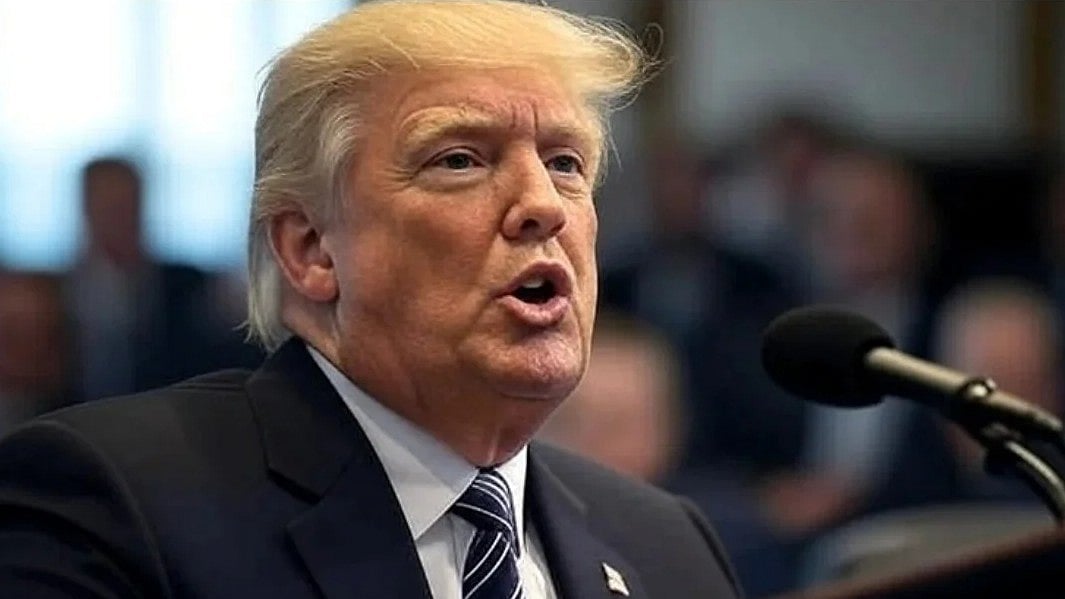
Trump Threatens 50% Tariffs on Canadian Autos, Steel
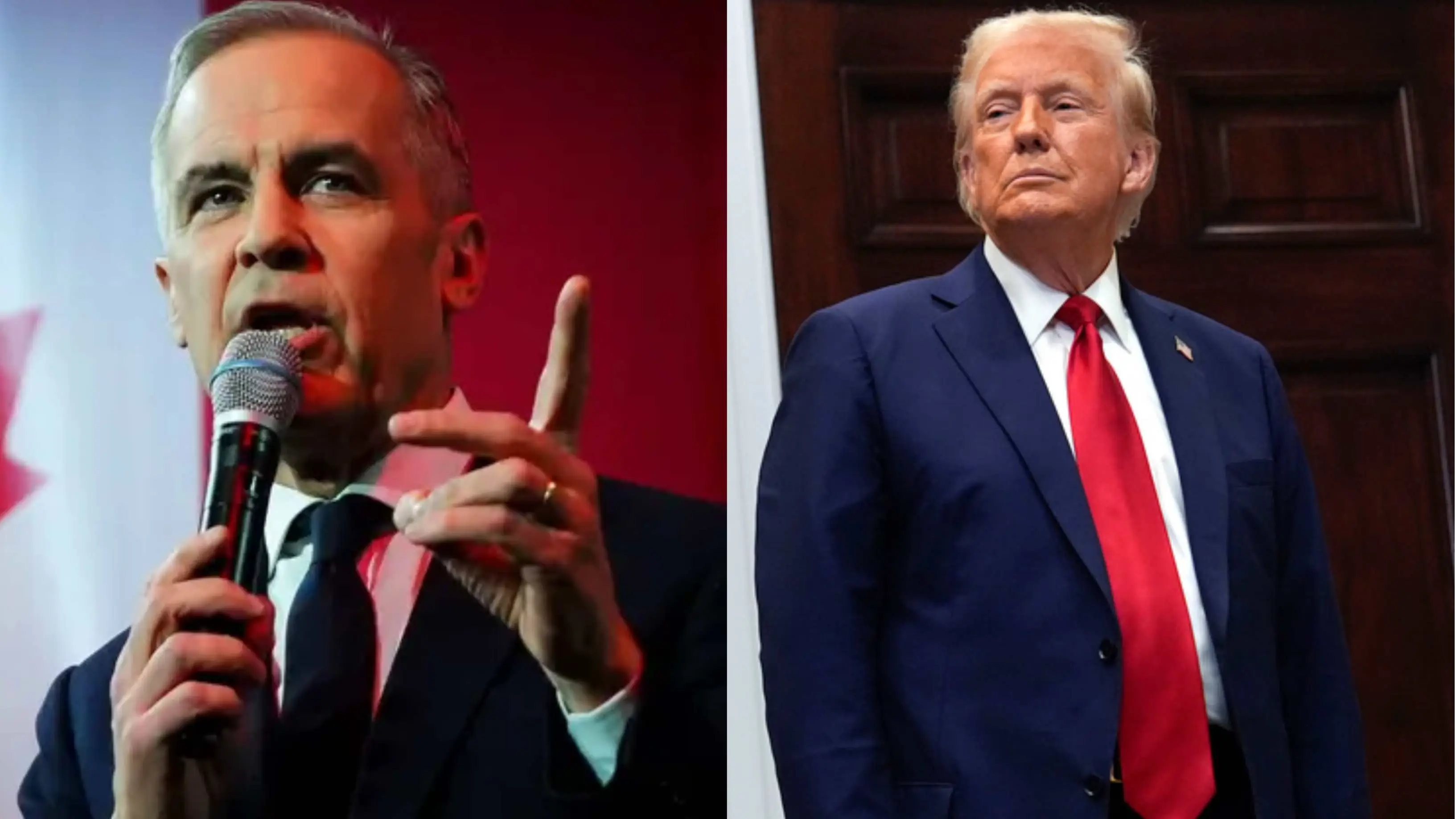
Trump Escalates US-Canada Trade War With 50% Tariffs
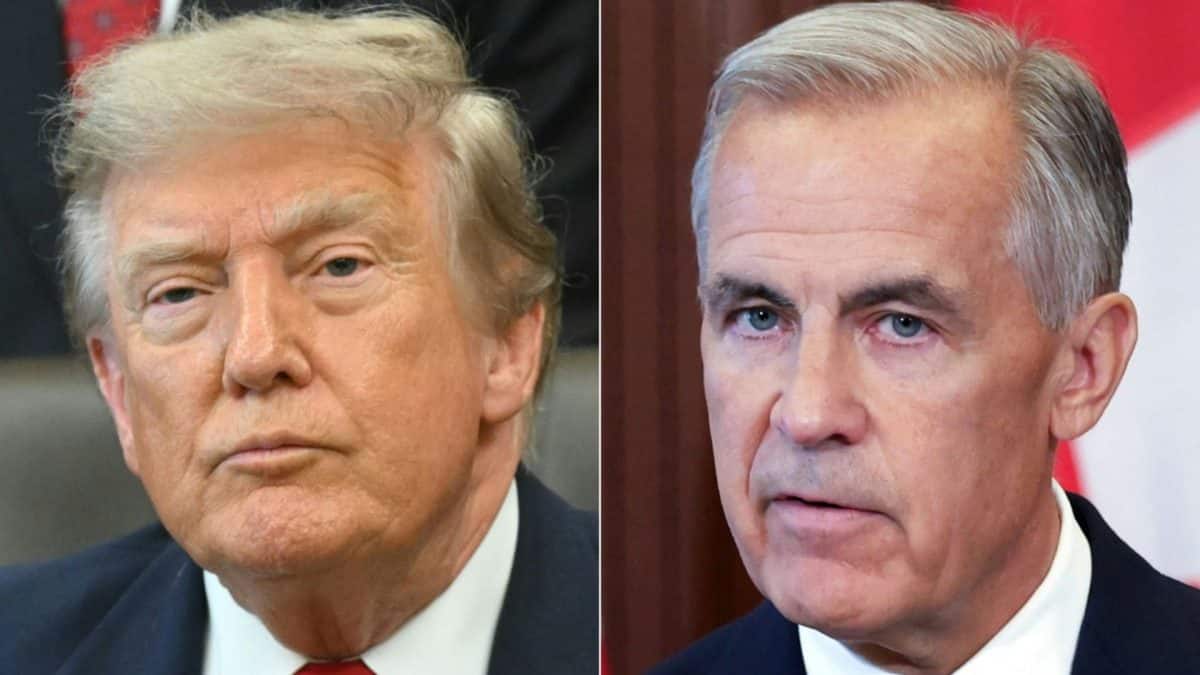
Canada Plans Retaliatory Tariffs as Trump Escalates Trade War

Canada Prepares Retaliatory Tariffs as Trump Escalates Trade War

US-Canada Trade Deal Collapses Over Trucks, Culture and Tariffs
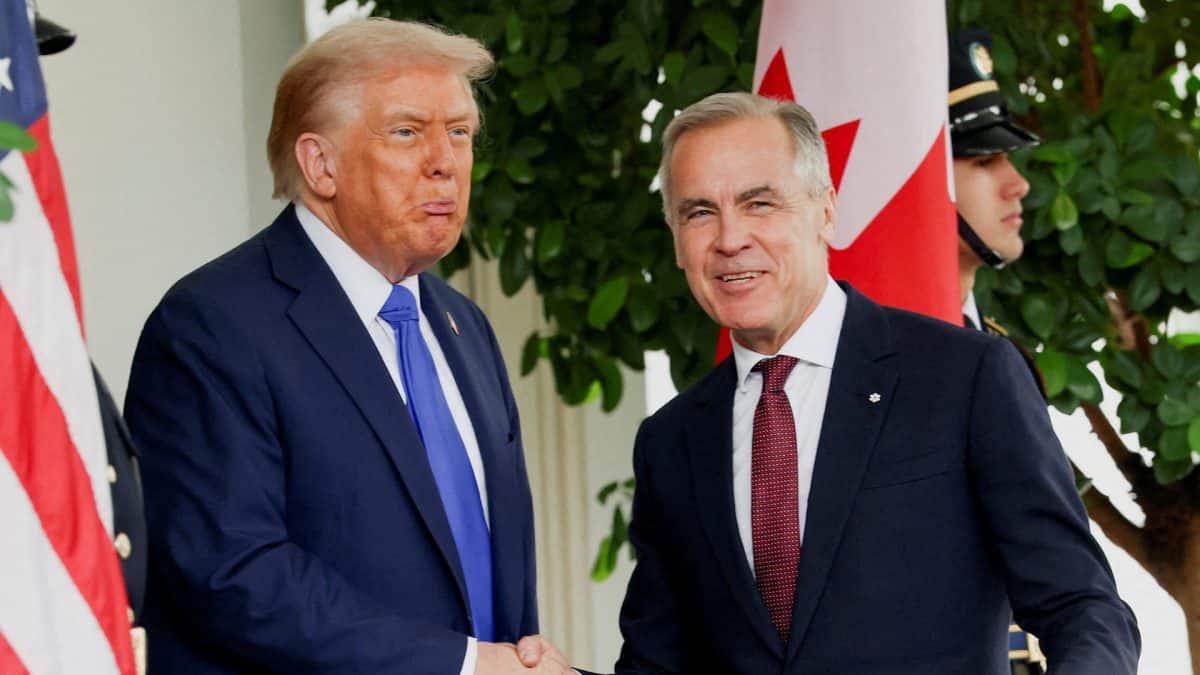
Trump, Carney Race to Avert $20 Billion Canada Tariffs

Trump Threatens 50% Tariff on Canadian Aircraft

US Intensifies Surveillance Flights Over Nigeria
