

5 days ago
Canada Rejects Unequal US Trade Deal Despite Economic Risks

Canada and the United States are arguing over a trade deal.
Trade means buying and selling goods between countries.
Canada does much more trade with the United States than the United States does with Canada.
This gives the United States greater economic power in the dispute.
Canada could face higher prices and unemployment if both countries impose more tariffs.
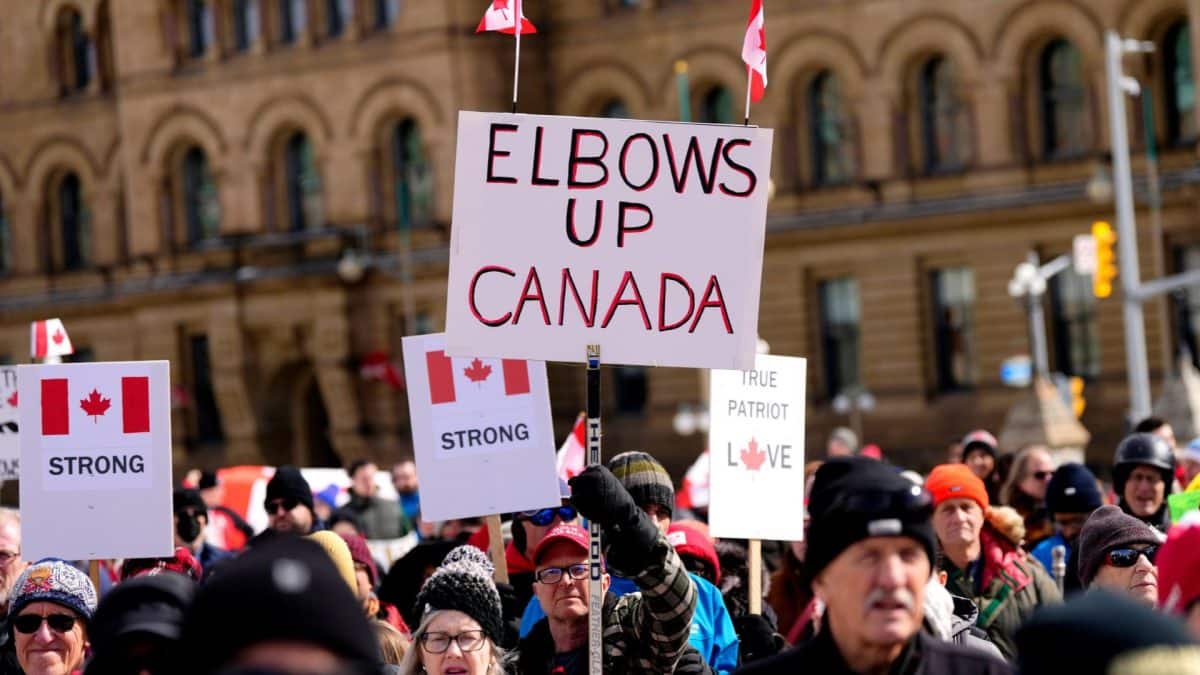
However, Canadian leaders say accepting a very unequal deal could weaken the country's independence.
Mark Carney also wants Canada to trade more with countries such as China and India.
The article says Canada may be hoping that American states, elections, or changing politics will encourage the United States to compromise.
Other countries are watching to see whether Canada can stand up to pressure from a much larger neighbor.

Mark Carney has walked away from what the article calls a lopsided trade deal with the United States.
Canada depends on the United States for more than 70 percent of its trade, while Canada represents about 15 percent of United States trade.
Canada announced $27 billion in dollar-for-dollar tariffs and faces threatened 50 percent United States tariffs on Canadian autos and steel.
Supporters of resistance say accepting an unfavorable agreement could damage Canadian sovereignty and intensify domestic political tensions.
Canada hopes to diversify trade with China, India, Europe, and Asia while building a more self-reliant economy.
- Who
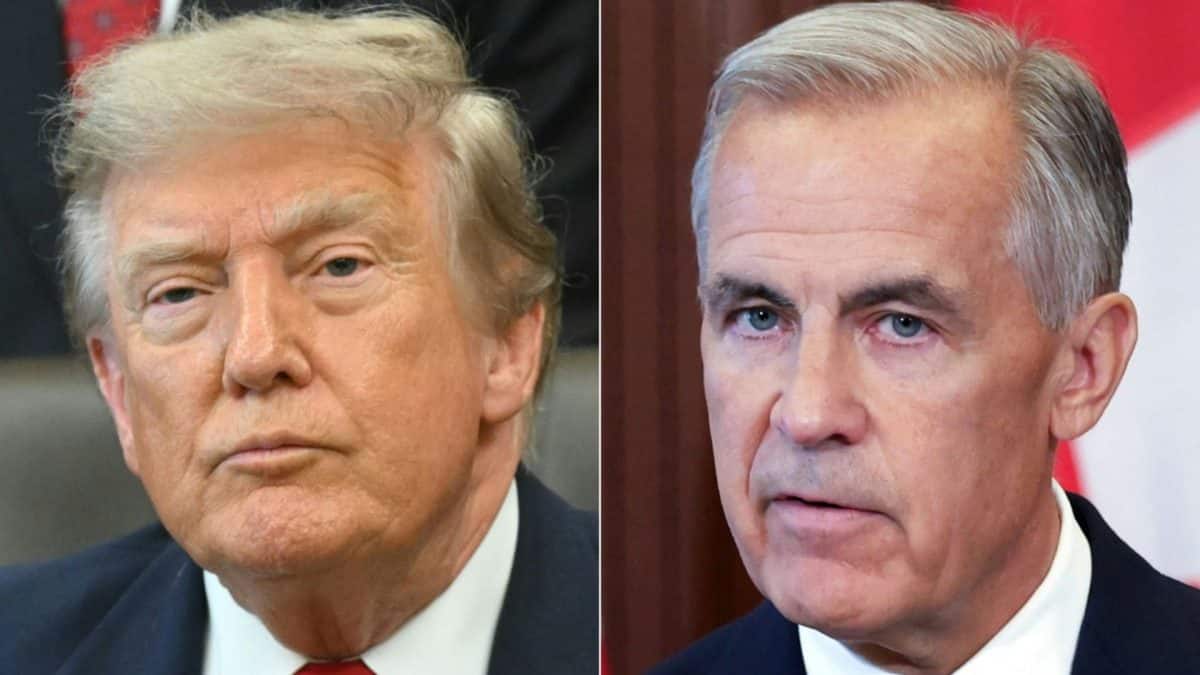
- Canadian Prime Minister Mark Carney and the government of Canada are negotiating with the administration of United States President Donald Trump.
- What
- Canada has rejected or walked away from a lopsided trade agreement while announcing retaliatory tariffs.
- Where
- The dispute concerns trade between Canada and the United States, including the broader North American market.
- When
- The dispute includes threatened tariffs beginning January 1, while possible United States congressional elections in November may affect the negotiations.
- Why
- Canada is seeking better trade terms and wants to protect its sovereignty rather than become economically or politically subordinate to the United States.
Stand Firm for Sovereignty
Compromise to Limit Economic Damage
Whether Canada should reject the deal
Stand Firm for Sovereignty
Canada should resist an unfavorable agreement because accepting it could make the country a subsidiary of the United States and damage its ability to pursue independent policies.
Compromise to Limit Economic Damage
Walking away could bring short- and medium-term economic pain, including higher prices, unemployment, and additional United States tariffs.
How much leverage Canada has
Stand Firm for Sovereignty
Canada can use its importance to American states, its previous trade-negotiating experience, and possible political changes in the United States to seek concessions.
Compromise to Limit Economic Damage
The United States has far greater economic power because Canada relies on the United States for a much larger share of its trade.
Long-term economic strategy
Stand Firm for Sovereignty
The dispute could encourage Canada to diversify trade and develop a more self-reliant manufacturing economy with partners in Europe and Asia.
Compromise to Limit Economic Damage
The article warns that retaliatory tariffs, especially on oil and electricity, could hurt Canadian regions and industries that depend heavily on exports to the United States.
Key facts
- Canada's trade dependence
- More than 70 percent of Canada's trade is with the United States.
- United States' trade dependence
- About 15 percent of United States trade is with Canada.
- Canadian tariffs
- Canada announced $27 billion in dollar-for-dollar tariffs.
- Threatened United States tariffs
- The United States has threatened 50 percent tariffs on Canadian autos and steel from January 1.
- Potential consequences
- The article says expanded tariffs could raise prices significantly on both sides of the border and lead to high unemployment.
- Canadian strategy
- Mark Carney wants to diversify Canada's trade relationships, including with China and India.
- Previous negotiations
- The article says Canada performed well in negotiations over the North American Free Trade Agreement and its successor, the Canada-United States-Mexico Agreement.
Sources
Related news

Carney Walks Away From Unacceptable U.S. Trade Terms
Canada’s Tariff Showdown Tests Carney’s Middle-Power Strategy Against Trump

Carney Rejects Trump Trade Demands, Defending Canadian Sovereignty

US-Canada Trade War Hinges on Sovereignty, Tariffs, Leverage
Canada Plans Retaliatory Tariffs as Trump Escalates Trade War

US-Canada Trade Collapse Offers India a Cautionary Lesson
Canada Tariff Dispute Raises Wider Worry for New Delhi
Cheese Name Dispute Becomes Stumbling Block in U.S.-Mexico Talks
Trump Escalates Trade Confrontation as Canada Vows Tariff Retaliation
