

1 week ago
US-Canada Trade Talks Collapse as 50% Tariffs Take Effect
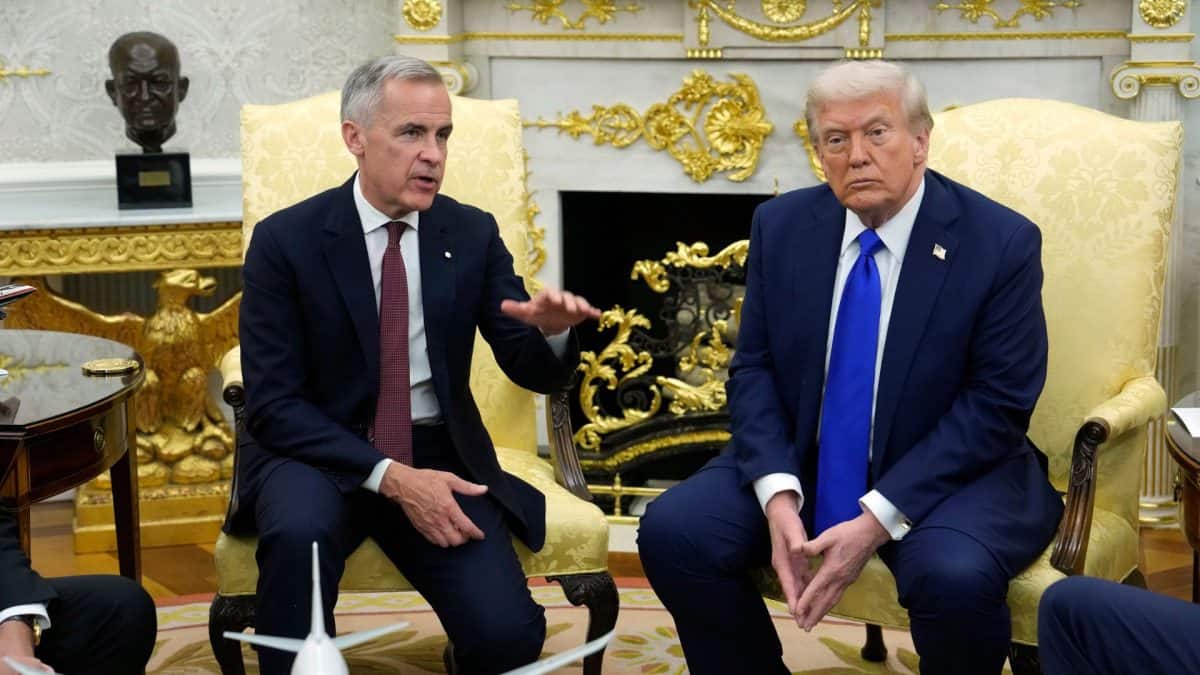
The United States and Canada tried to make a new trade agreement but could not agree.
Their officials held three days of talks in Washington.
The United States then placed a 50% tariff, or extra import charge, on about $20 billion of Canadian products.
The goods include items such as wine, dairy products, clothing and hockey equipment.
The tariffs began shortly after midnight on Saturday.
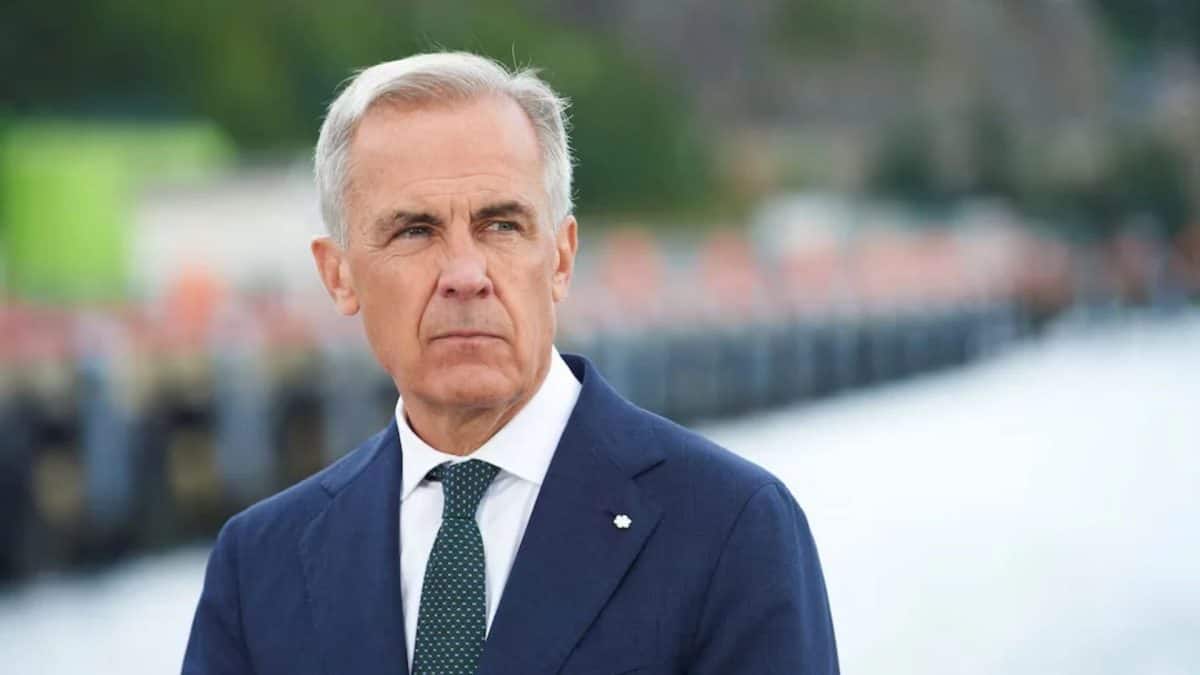
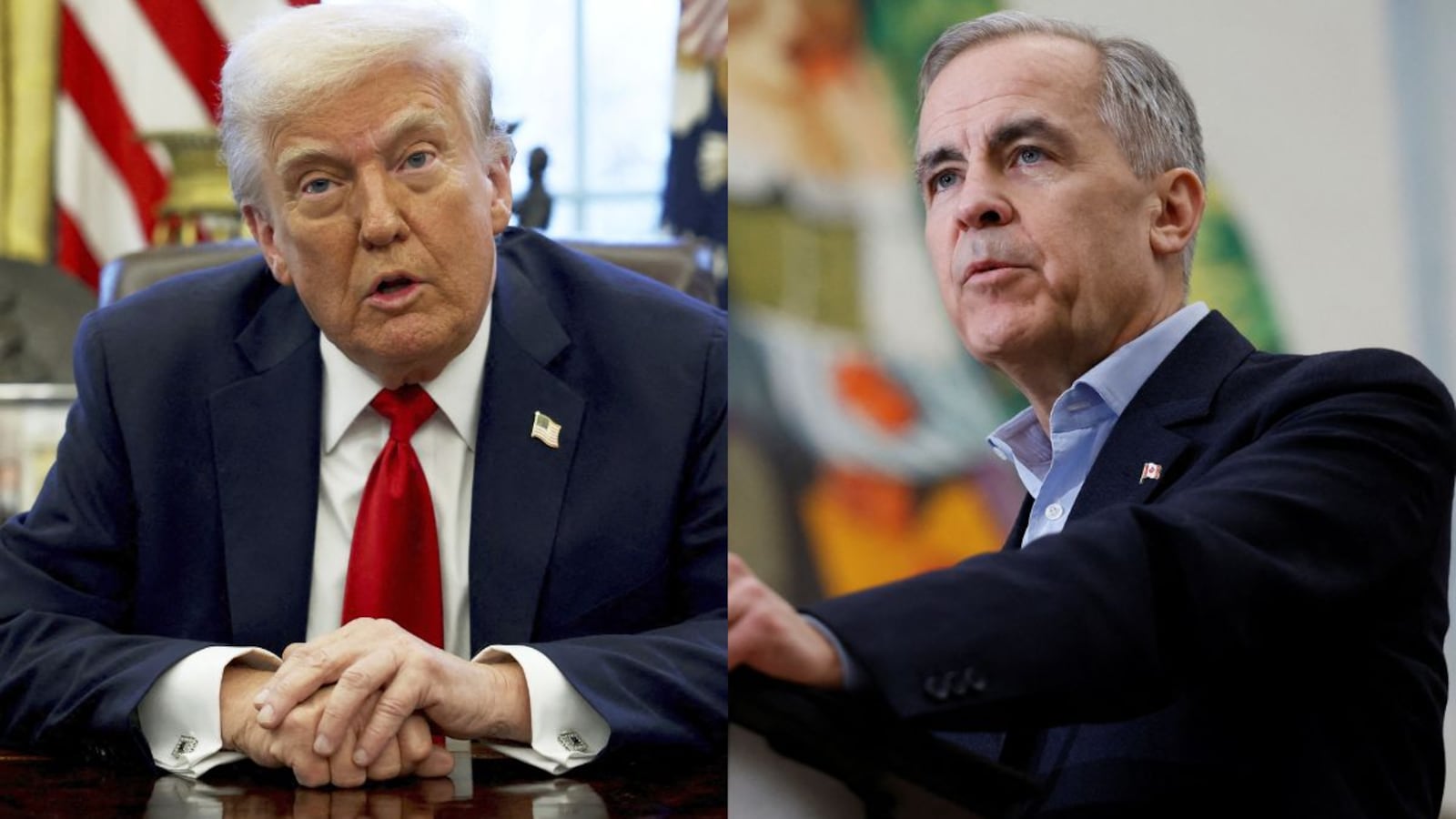
Canada’s Prime Minister Mark Carney stopped the negotiations and said Canada would answer with matching tariffs on American goods.
The United States said Canada had changed its demands and rejected an earlier proposal.
Canada said the United States changed its terms at the last minute.
Businesses and officials warned that the dispute could raise prices and disrupt cross-border supply chains.

The United States imposed 50% tariffs on about $20 billion of Canadian goods after three days of talks failed to produce a deal.
The tariffs took effect shortly after midnight Saturday and affect roughly 5% of Canada’s annual exports to the United States.
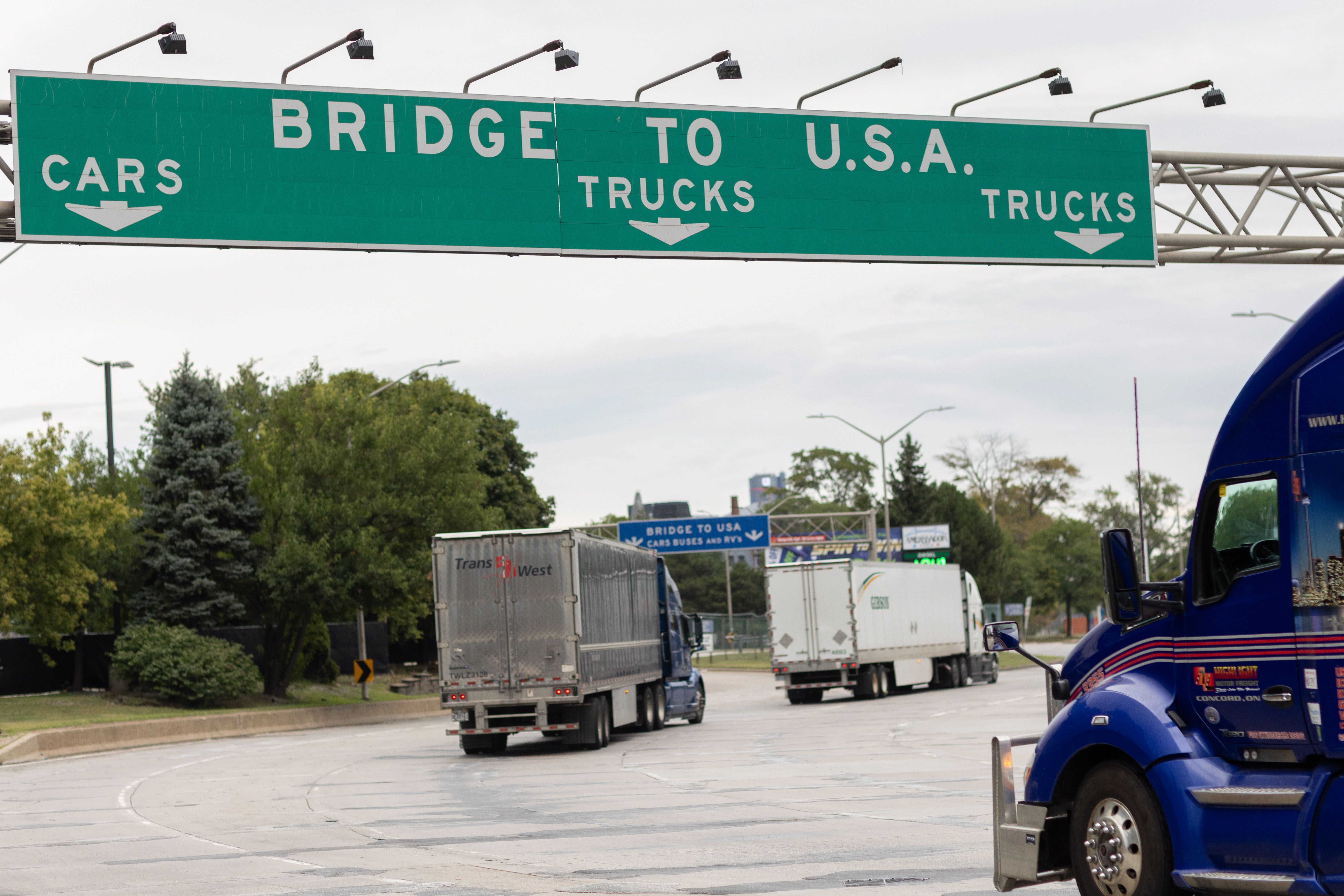
Covered products include wine, dairy, cement, clothing, hockey equipment and other goods, adding to existing duties on Canadian steel, aluminium, autos and lumber.
Prime Minister Mark Carney suspended negotiations and pledged dollar-for-dollar retaliation, saying last-minute U.S. terms were unfair and uneconomic.
U.S. Trade Representative Jamieson Greer said Canada rejected terms previously agreed during the talks, while businesses warned of higher costs and disrupted supply chains.
- Who
- The governments of the United States and Canada, including U.S. President Donald Trump, Canadian Prime Minister Mark Carney, Canadian Trade Minister Dominic LeBlanc and U.S. Trade Representative Jamieson Greer.
- What
- Failed trade talks led the United States to impose 50% tariffs on about $20 billion of Canadian goods, while Canada announced plans for dollar-for-dollar retaliation.
- Where
- The negotiations took place in Washington, and Canada’s negotiating team was ordered to return to Ottawa.
- When
- After three days of negotiations; the tariffs took effect shortly after midnight on Saturday. One report identifies the date as August 22, 2026.
- Why
- Canada said last-minute changes to U.S. terms were unfair, uneconomic and unreliable; the United States said Canada rejected previously agreed terms and withdrew commitments.
Canada’s Position
U.S. Administration’s Position
Cause of the breakdown
Canada’s Position
Mark Carney said Canada negotiated in good faith but that last-minute changes in the U.S. proposal were unfair, uneconomic and made a final deal unreliable.
U.S. Administration’s Position
Jamieson Greer said Canada declined to finalize terms agreed earlier in the week and introduced new demands or reversed commitments.
Tariff response
Canada’s Position
Canada said it would impose reciprocal tariffs on U.S. goods dollar for dollar; Ontario Premier Doug Ford endorsed that response.
U.S. Administration’s Position
The United States imposed 50% Section 338 tariffs on about $20 billion of Canadian goods and warned it would take action against Canadian counter-tariffs.
Economic impact
Canada’s Position
Canadian officials and business representatives warned that the measures could hurt Canada’s fragile economic recovery, competitiveness, investment and affected industries.
U.S. Administration’s Position
The administration characterized its offer as especially favorable to Canada, while U.S. business groups warned that higher tariffs could raise costs, disrupt supply chains and threaten jobs in both economies.
Key facts
- New U.S. tariff rate
- 50% on approximately $20 billion of Canadian goods
- Share of Canadian exports affected
- Roughly 5% of Canada’s annual exports to the United States
- Tariff start time
- Shortly after midnight on Saturday
- Products affected
- Wine, dairy, cement, clothing, hockey equipment and other goods
- Existing U.S. duties
- Tariffs already cover Canadian steel, aluminium, autos and lumber
- Canadian response
- Prime Minister Mark Carney pledged dollar-for-dollar tariffs on U.S. goods
- Bilateral trade
- The countries traded about $880 billion in goods and services last year
- Legal basis
- The new duties were imposed under Section 338 of the Tariff Act of 1930
Quotes

Jamieson Greer
US Trade Representative involved in the negotiations
“Tonight, Canada declined to finalise the trade deal under the terms agreed earlier this week. Despite the US offer to Canada to receive the best treatment of any major exporter to our market, new demands and walk-backs of other commitments by Canada have upended the careful balance reached in the past days.”
 firstpost.com
 telegraphindia.com
“However, last-minute changes in the U.S. proposed terms were unfair, uneconomic, and called into question the reliability of any deal.”
 theprint.in

Doug Ford
Premier of Ontario
“the prime minister has my full support for a strong response - tariff for tariff, dollar for dollar”
telegraphindia.com
Sources
Related news
Canada Announces Dollar-for-Dollar Tariffs After US Trade Talks Collapse
US Imposes 50% Tariffs on Canada After Talks Fail

US-Canada Trade Talks Collapse as Tariffs Trigger Retaliation

Canada-US Trade Talks Collapse as Tariffs Deepen Economic Rift
Canada Retaliates as Trade War with US Escalates
US-Canada Trade Deal Collapses Over Trucks, Culture and Tariffs
US Warns Middle East Travelers Amid Escalating Iran-Linked Tensions

Family Seeks US Intervention Over VanDyke Detention in Delhi
Trump Seeks Parental Status Proof for Children’s Passports

Debt, Not Inflation, Is Driving the Bond Selloff
US Court Ends Trump Visa Pause Affecting 75 Countries
