

1 week ago
Canada Plans Retaliatory Tariffs as Trump Escalates Trade War
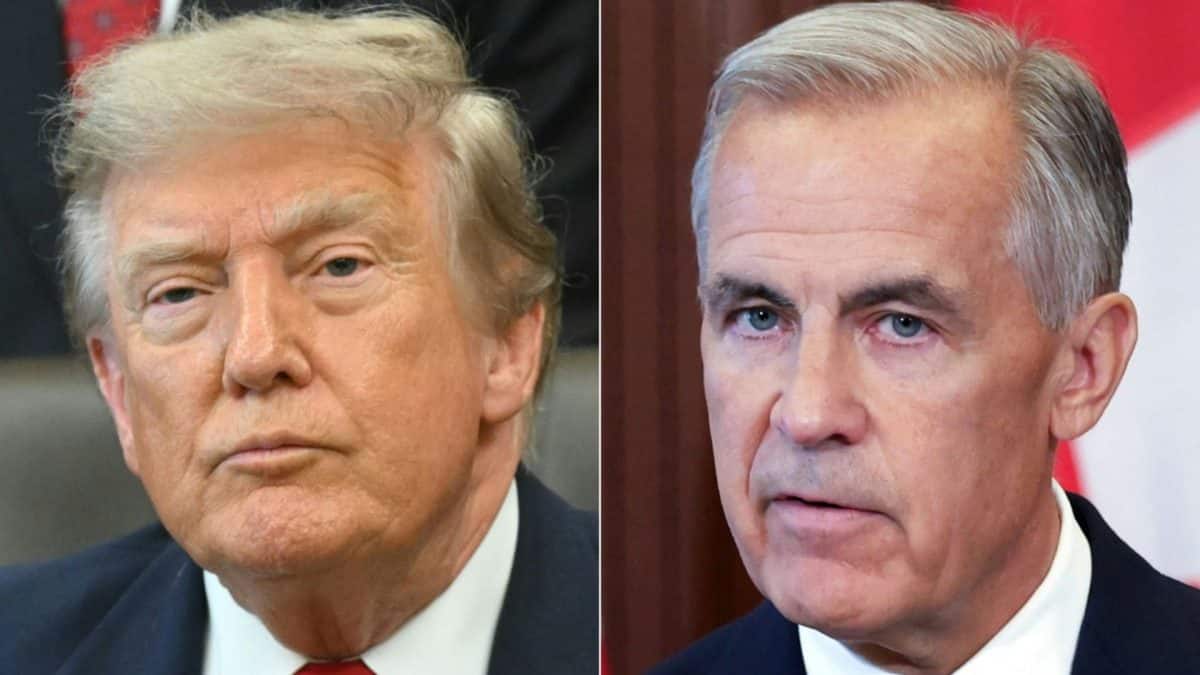
The United States and Canada are arguing about trade.
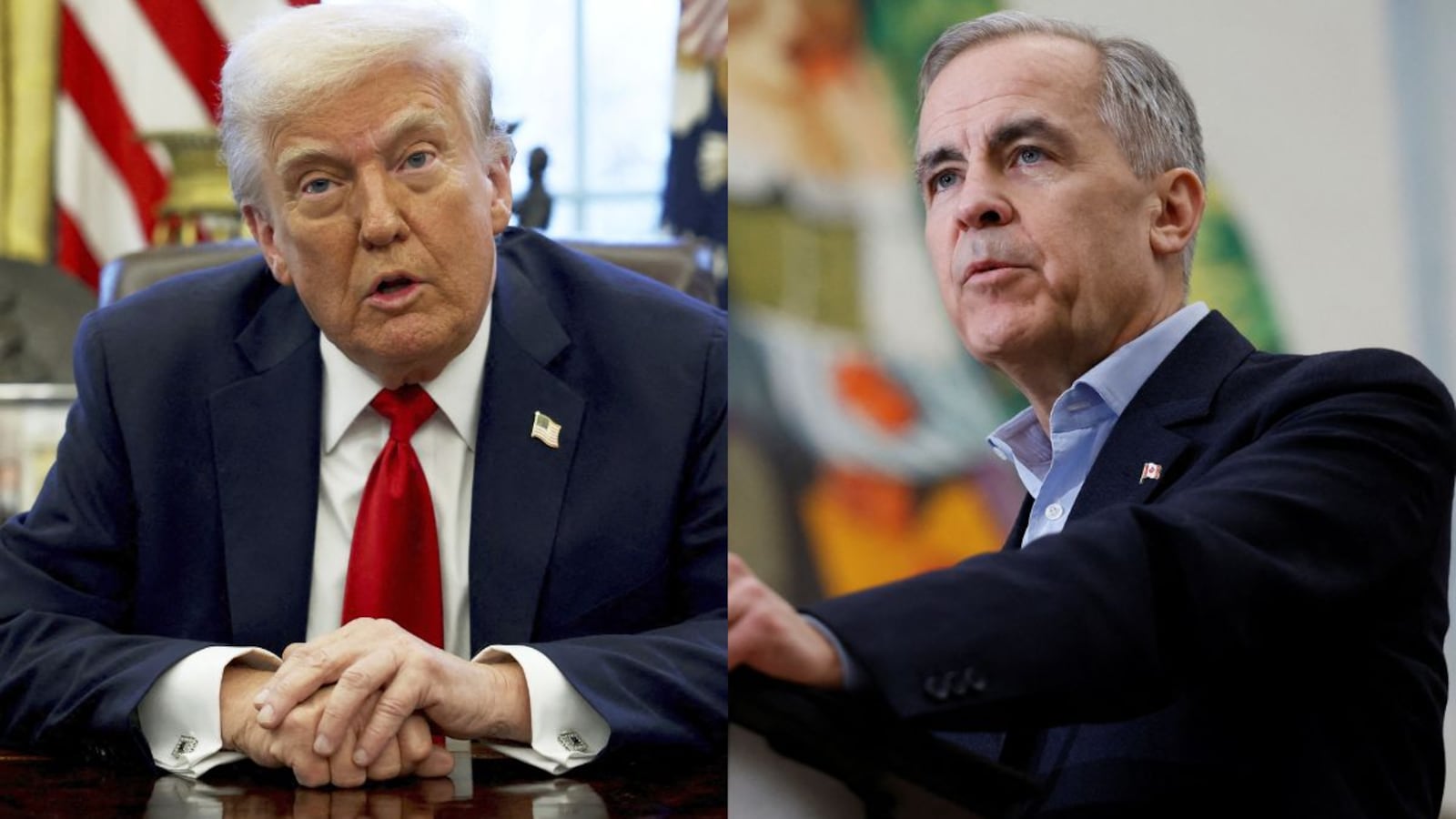
President Donald Trump says Canada’s trade rules hurt American businesses and wants Canada to change them.
He threatened large tariffs on Canadian cars, car parts and steel.
Prime Minister Mark Carney says the U.S. demands could damage important Canadian industries.
Carney also says Canada must negotiate as an independent country, not as a smaller part of the United States.
Canada planned to announce tariffs on U.S. goods after talks broke down.
Canadian officials are considering targeted actions that protect workers and businesses instead of copying every U.S. tariff.
Ontario Premier Doug Ford said Canada could also use electricity and important minerals as bargaining tools.
The dispute could affect companies and workers because the two countries’ factories and supply chains are closely connected.

President Donald Trump told Canada to “fall in line” and threatened consequences worse than existing tariffs.
Trump threatened 50% tariffs on Canadian vehicles, auto parts and steel, including additional auto tariffs next year.
Prime Minister Mark Carney said U.S. demands could dismantle Canadian industries and undermine Canada’s sovereignty.
Canada planned to announce retaliatory tariffs Tuesday, with Carney considering targeted measures instead of matching U.S. tariffs dollar for dollar.
Ontario Premier Doug Ford said electricity, critical minerals, energy and other exports could be used if Washington escalates the dispute.
- Who
- President Donald Trump, Prime Minister Mark Carney, Ontario Premier Doug Ford and U.S. Trade Representative Jamieson Greer are key figures; Canadian Finance Minister François-Philippe Champagne and three other cabinet ministers were scheduled to announce Canada’s response.
- What
- The United States and Canada are escalating a trade dispute involving threatened U.S. tariffs, planned Canadian retaliation and disagreements over industries, sovereignty, culture and trade negotiations.
- Where
- The dispute concerns trade between Canada and the United States, especially Ontario’s industries and electricity exports to Michigan, Minnesota and New York.
- When
- The latest escalation occurred Monday after negotiations collapsed late Friday; Canada planned to announce retaliatory tariffs Tuesday. One article reports that an earlier Canadian retaliation plan was scheduled to begin September 8.
- Why
- Trump says Canadian trade policies unfairly harm the United States, while Canadian leaders say U.S. demands threaten Canadian industries, sovereignty and cultural protections.
Canada’s Position
United States’ Position
Trade demands
Canada’s Position
Carney and Ford say U.S. proposals could gradually dismantle or hollow out Canadian industries, including autos, steel and aluminum.
United States’ Position
Trump says Canada has taken advantage of the United States and imposes excessively high tariffs that hurt American producers, including farmers. Greer said Canada’s auto industry was established through the 1960s Auto Pact.
Sovereignty and negotiations
Canada’s Position
Carney says Canada will negotiate only as a sovereign partner and rejects terms that could require U.S. approval for Canadian trade agreements with other countries.
United States’ Position
The United States sought changes to Canada’s trade arrangements, including language that Canadian officials said could restrict its ability to negotiate with other countries.
Response to tariffs
Canada’s Position
Canada planned retaliatory tariffs and was considering targeted measures; Ford said Ontario could use electricity, critical minerals and other exports as leverage.
United States’ Position
Trump threatened additional tariffs, including a 50% levy on Canada’s auto industry, and demanded that Canada accept U.S. trade terms.
Key facts
- U.S. tariff threat
- Trump threatened 50% tariffs on Canadian vehicles, auto parts and steel, including additional auto tariffs beginning next year.
- Canadian response
- Canada planned to announce retaliatory tariffs against U.S. goods on Tuesday after negotiations collapsed.
- Retaliation strategy
- Carney said Canada might use targeted measures to protect workers and businesses rather than match U.S. tariffs dollar for dollar; another report described an earlier dollar-for-dollar plan beginning September 8.
- Goods initially affected
- The threatened U.S. tariffs followed the breakdown of talks and involved about USD 20 billion worth of Canadian goods.
- Auto-sector exposure
- Ontario plants and suppliers are closely integrated with factories in Michigan and other U.S. states, with parts crossing the border multiple times during production.
- Possible Ontario measures
- Ford said Ontario could raise electricity prices, restrict electricity exports or limit critical-mineral shipments if the dispute worsens.
- Previous electricity action
- Ontario previously imposed a 25% surcharge on electricity exported to Michigan, Minnesota and New York during an earlier phase of the dispute.
Quotes

Donald Trump
President of the United States who threatened additional tariffs on Canada
“We learned during the negotiations that the Americans want to destroy our major industries, including autos, steel and aluminum.”
 NDTV
NDTV
 deccanchronicle.com
“An attitude at the negotiation table that Canada is a subsidiary of the United States is not something we're going to accept.”
 thehindubusinessline.com
Sources

Related news

Canada Prepares Retaliatory Tariffs as Trump Escalates Trade War
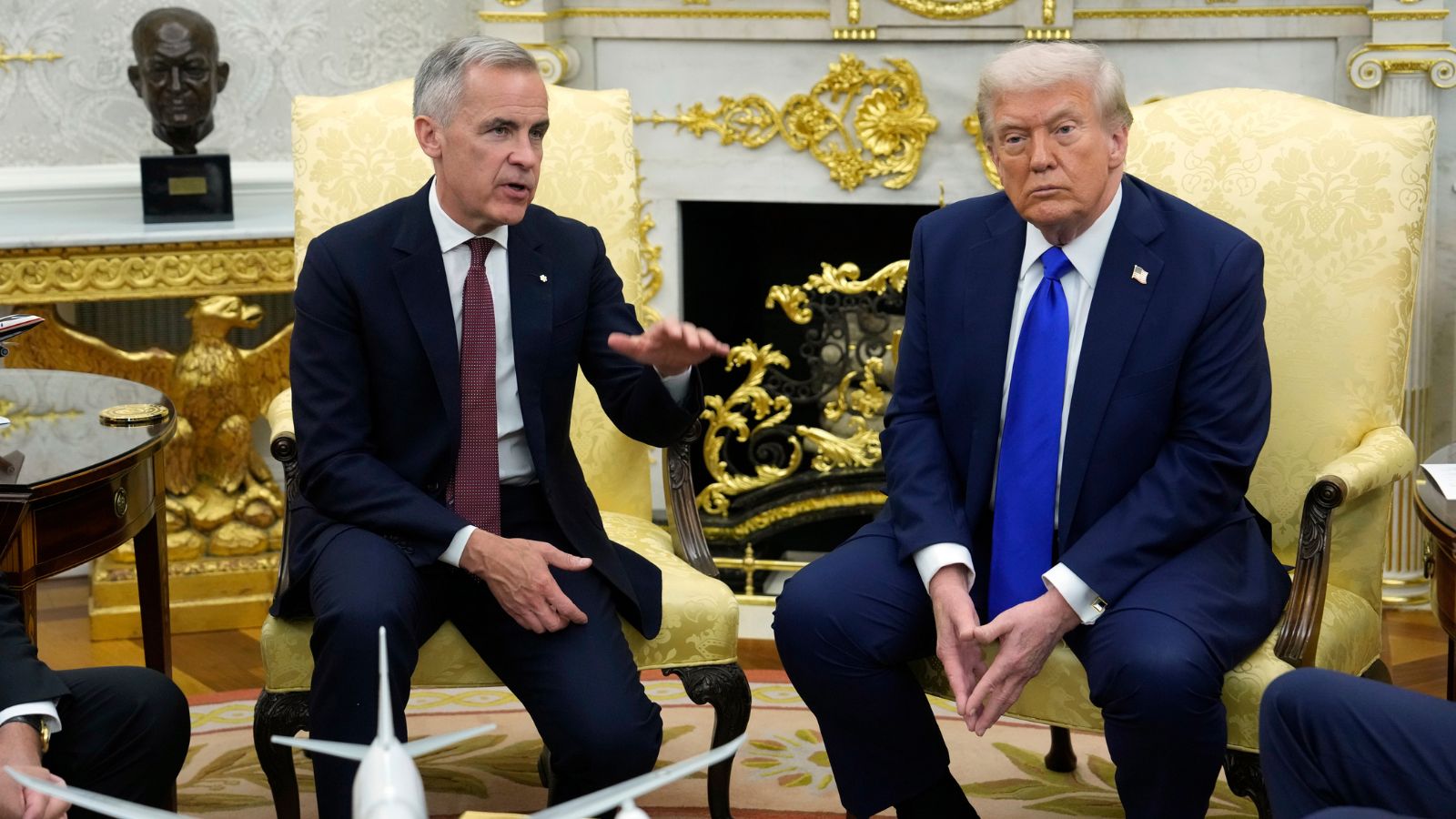
Trump and Canada Escalate Trade Fight Over Retaliatory Tariffs
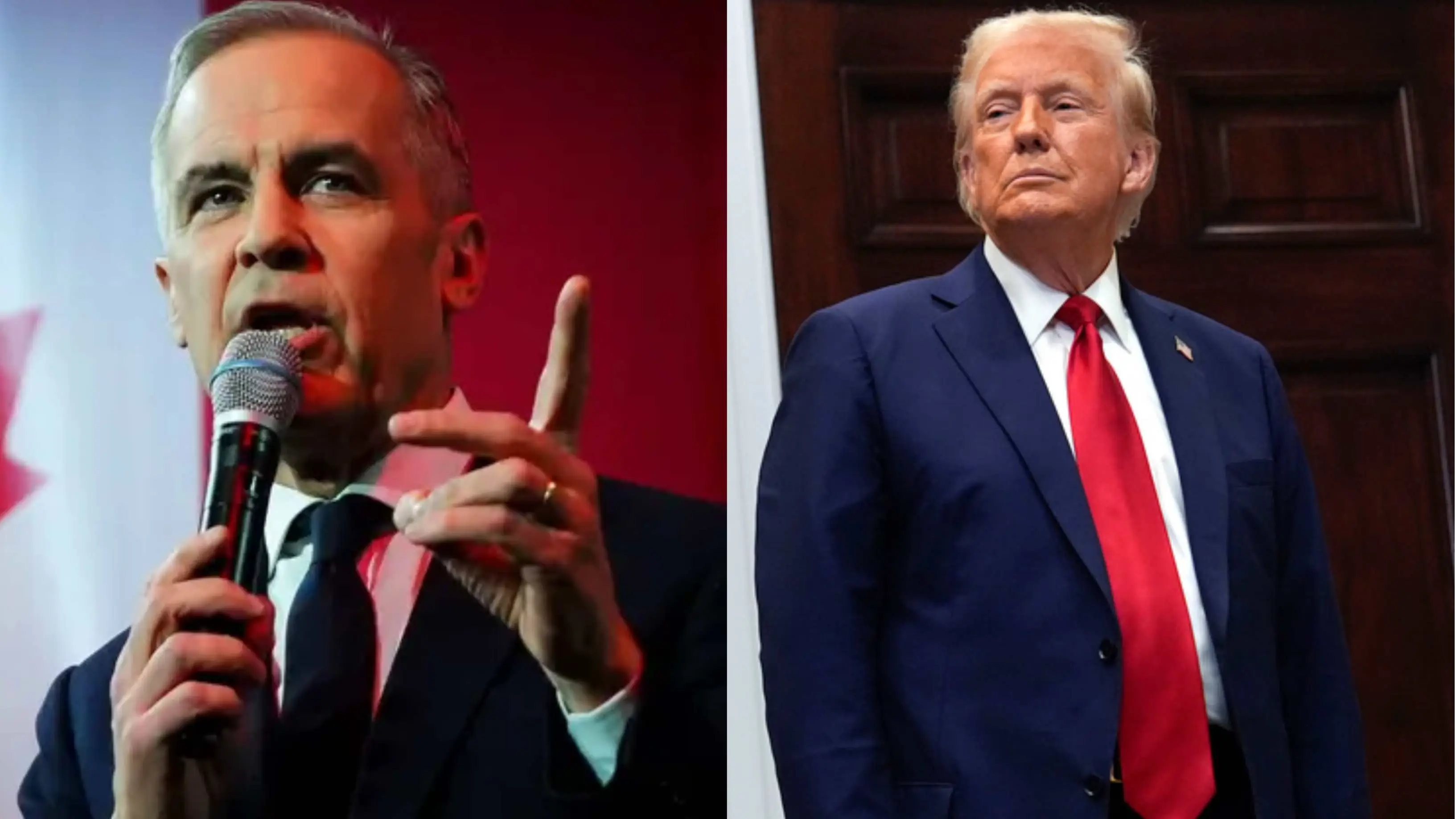
Trump Escalates US-Canada Trade War With 50% Tariffs
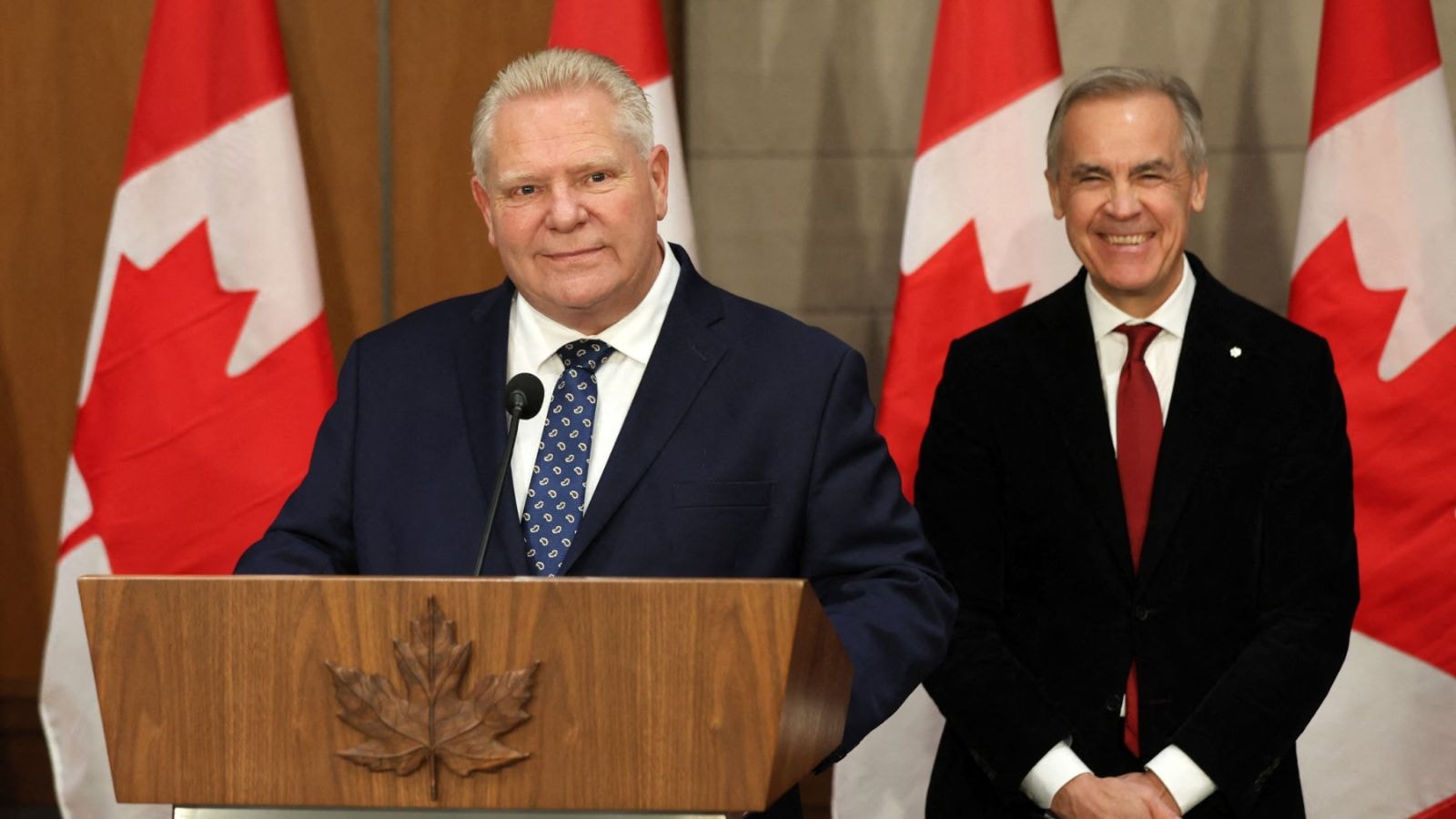
Ontario Premier Threatens Retaliation Over Trump Canada Tariffs

Canada Announces Retaliatory Tariffs After U.S. Trade Talks Collapse

Canada Announces Dollar-for-Dollar Tariffs After US Trade Talks Collapse

AI Companies Warn Cyber Threat Preparation Window Is Shrinking

ICE arrests reach nearly 50,000, highest of Trump’s second term

Paramount, California Begin Preliminary Talks Over Warner Bros. Deal

Iran-Linked Hackers Shut Down UK Power Plant Four Days
