

1 week ago
Trump Escalates Trade Confrontation as Canada Vows Tariff Retaliation
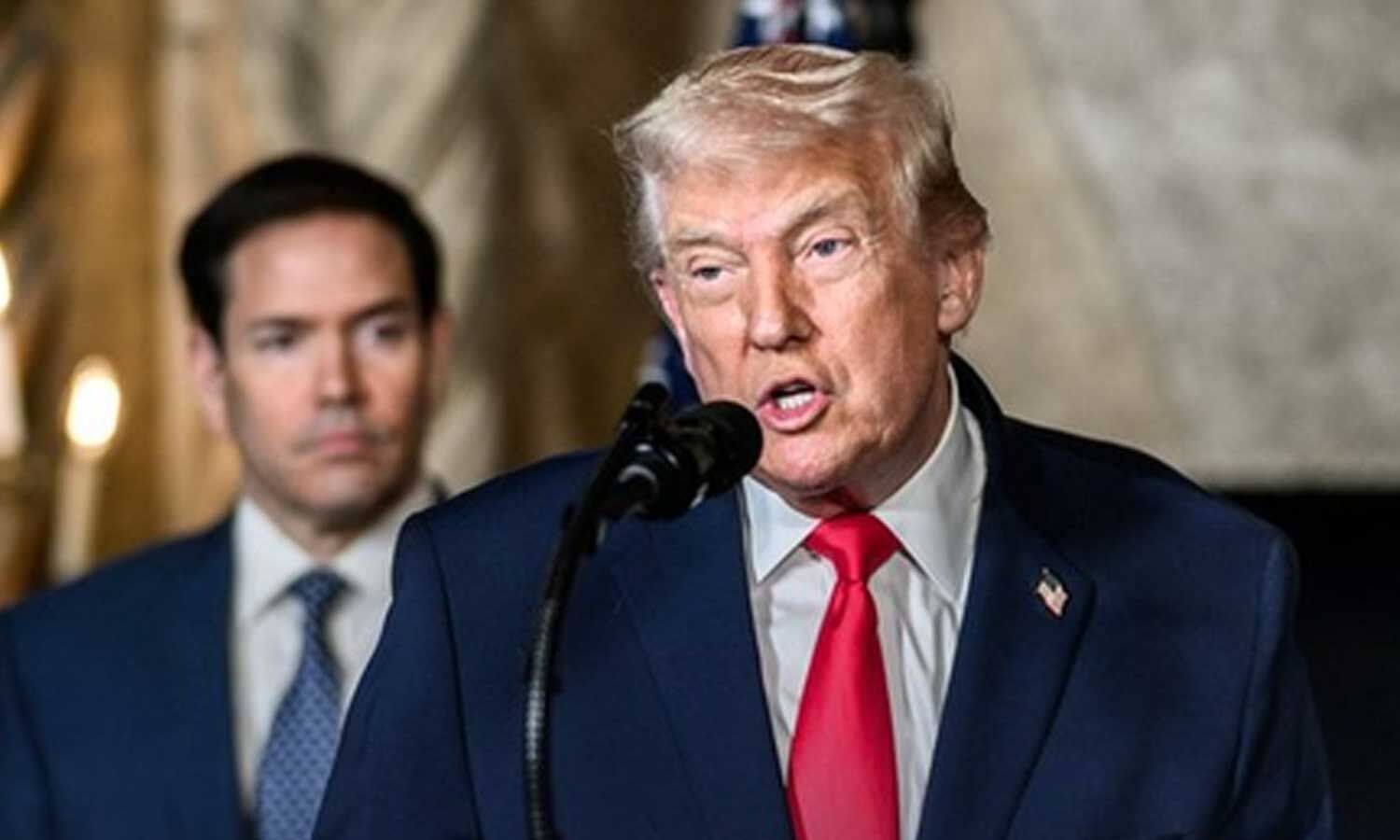
The United States and Canada are arguing about trade and tariffs.
President Donald Trump says Canada has treated the United States unfairly for many years.
The White House says Canada needs the American market to survive.
Canada disagrees and says the United States asked for too much while offering too little.
Canada plans to charge new taxes, called tariffs, on many American goods.
The affected products include steel, appliances, farm equipment, electronics and clothing.
Canada also plans to help workers and companies hurt by the dispute.
Because the two countries’ factories and supply chains are closely connected, the tariffs could affect businesses and shoppers in both countries.

Donald Trump called Canada the United States’ “most difficult and unreasonable” trading partner.
The White House said Canada could not economically survive without access to the US market.
Canada rejected Washington’s position and announced dollar-for-dollar, rate-for-rate tariff retaliation.
Beginning September 8, Canada will impose tariffs on $27.6 billion of US imports.
Ottawa also announced a $7.5 billion support package for affected workers and businesses.
- Who
- US President Donald Trump, the White House, and the Canadian government, including Finance Minister François-Philippe Champagne.
- What
- The United States and Canada are escalating a trade dispute involving tariffs, market access, and retaliatory measures.
- Where
- The dispute concerns trade between the United States and Canada.
- When
- Canada’s new tariffs are scheduled to take effect September 8; the White House statement was issued on Tuesday.
- Why
- Washington says Canada has imposed unfair barriers and benefited from preferential US market access, while Ottawa says US demands would harm Canadian workers, businesses, and strategic industries.
United States position
Canadian position
Fairness of trade terms
United States position
The White House says Canada has been taking advantage of the US market, imposed restrictive barriers, and rejected reasonable US proposals.
Canadian position
Canada says Washington asked too much and offered too little, and that the proposed terms were not in Canada’s national interest.
Use of tariffs
United States position
The United States says Canada chose retaliation instead of negotiation and has imposed tariffs, quotas, and other restrictions on American products.
Canadian position
Canada says it will match US tariffs dollar-for-dollar and rate-for-rate to protect Canadian interests.
Economic leverage
United States position
The White House says Canada could not survive without the United States, citing the size of the US economy and Canada’s reliance on US exports.
Canadian position
Canada is treating the dispute as a threat to its workers, businesses, and strategic industries and has announced financial assistance in response.
Key facts
- Canadian retaliation
- Canada will impose 15%, 25%, and 50% tariffs on $27.6 billion of American goods.
- Effective date
- The Canadian tariffs are scheduled to begin September 8.
- US trade deficit claim
- The White House said the United States averaged an annual goods trade deficit of about $50 billion with Canada over the past decade.
- US export concentration
- Canada sends roughly three-quarters of its goods exports to the United States, according to the White House.
- Affected sectors
- Canadian tariffs will cover steel, dairy, appliances, agricultural equipment, pulp and paper, electronics, furniture, and clothing.
- Canadian assistance
- Ottawa announced a $7.5 billion package including liquidity support, worker-retention programs, training assistance, and business-diversification investments.
- Trade framework
- The United States, Canada, and Mexico have traded under the US-Mexico-Canada Agreement since July 2020.
Quotes

François-Philippe Champagne
Canadian finance minister announcing Ottawa’s response to the US trade measures
“Canada is easily the most difficult and unreasonable. They feel entitled, but they are not a State, and will be entitled no longer!”
 thehansindia.com
“When the United States asked too much and offered too little, we chose to stand up for Canadians”
thehansindia.com
Sources
Related news
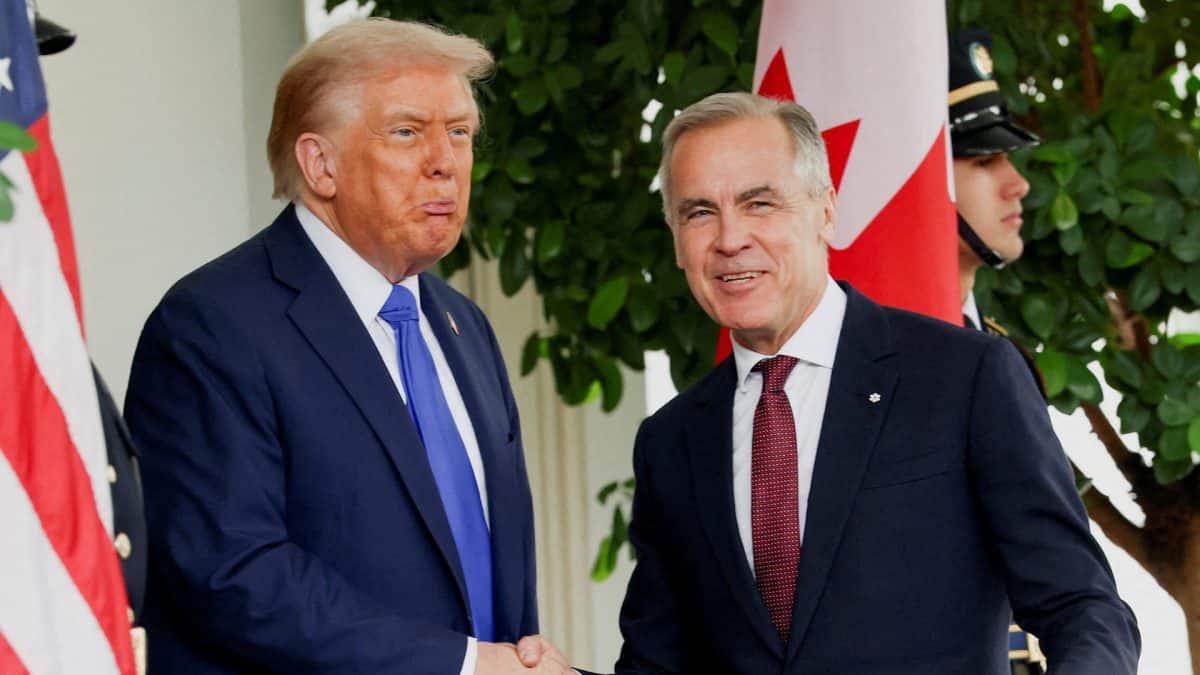
US and Canada Escalate Tariff Dispute Over Trade Barriers
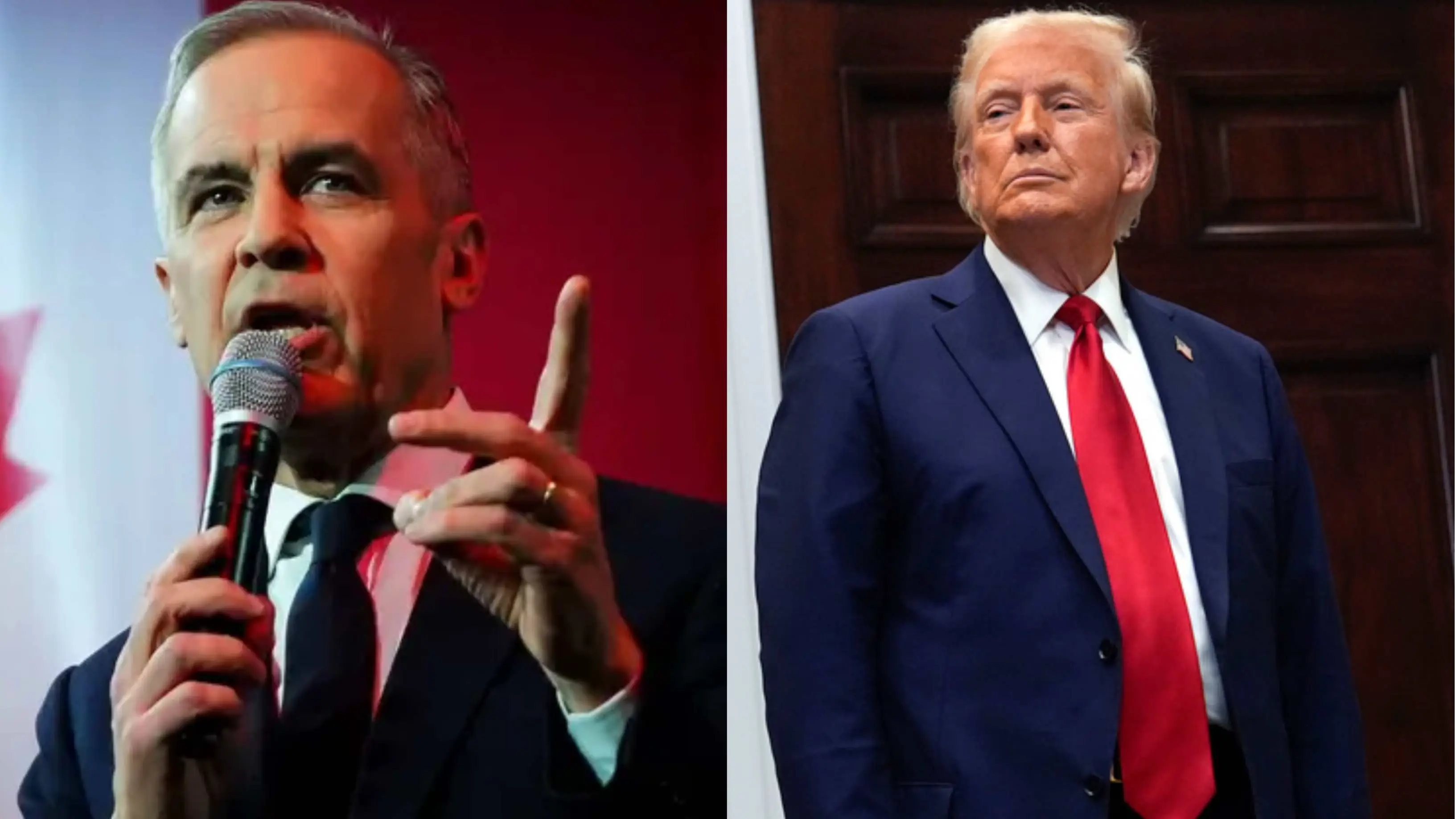
Trump Escalates US-Canada Trade War With 50% Tariffs

Canada-US Trade Talks Collapse as Tariffs Deepen Economic Rift
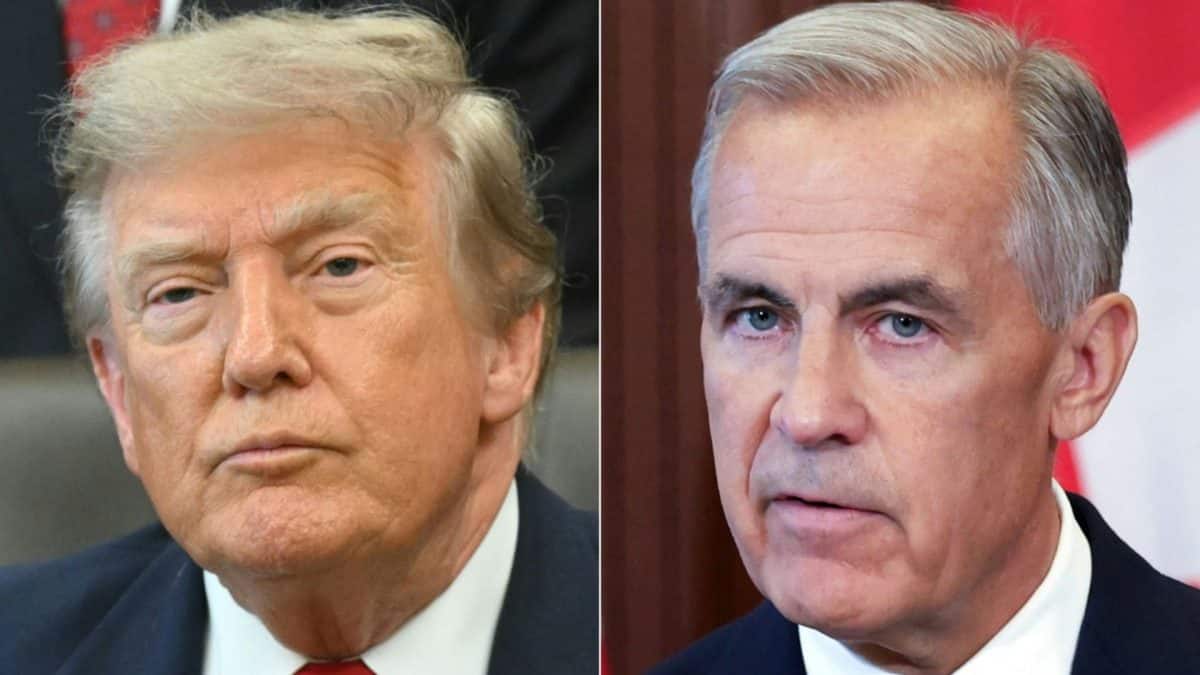
Canada Plans Retaliatory Tariffs as Trump Escalates Trade War
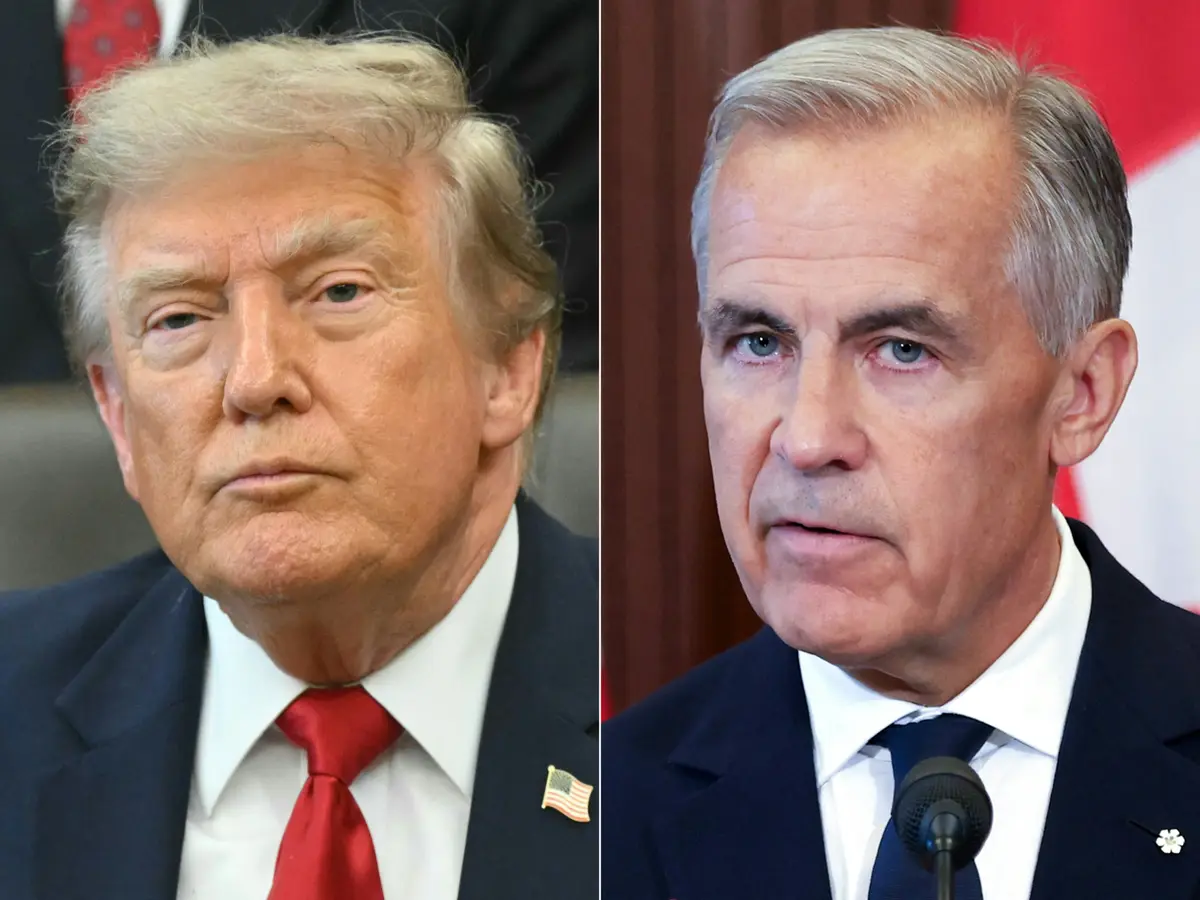
Trump Administration Escalates Trade War Warning After Canada Talks Collapse
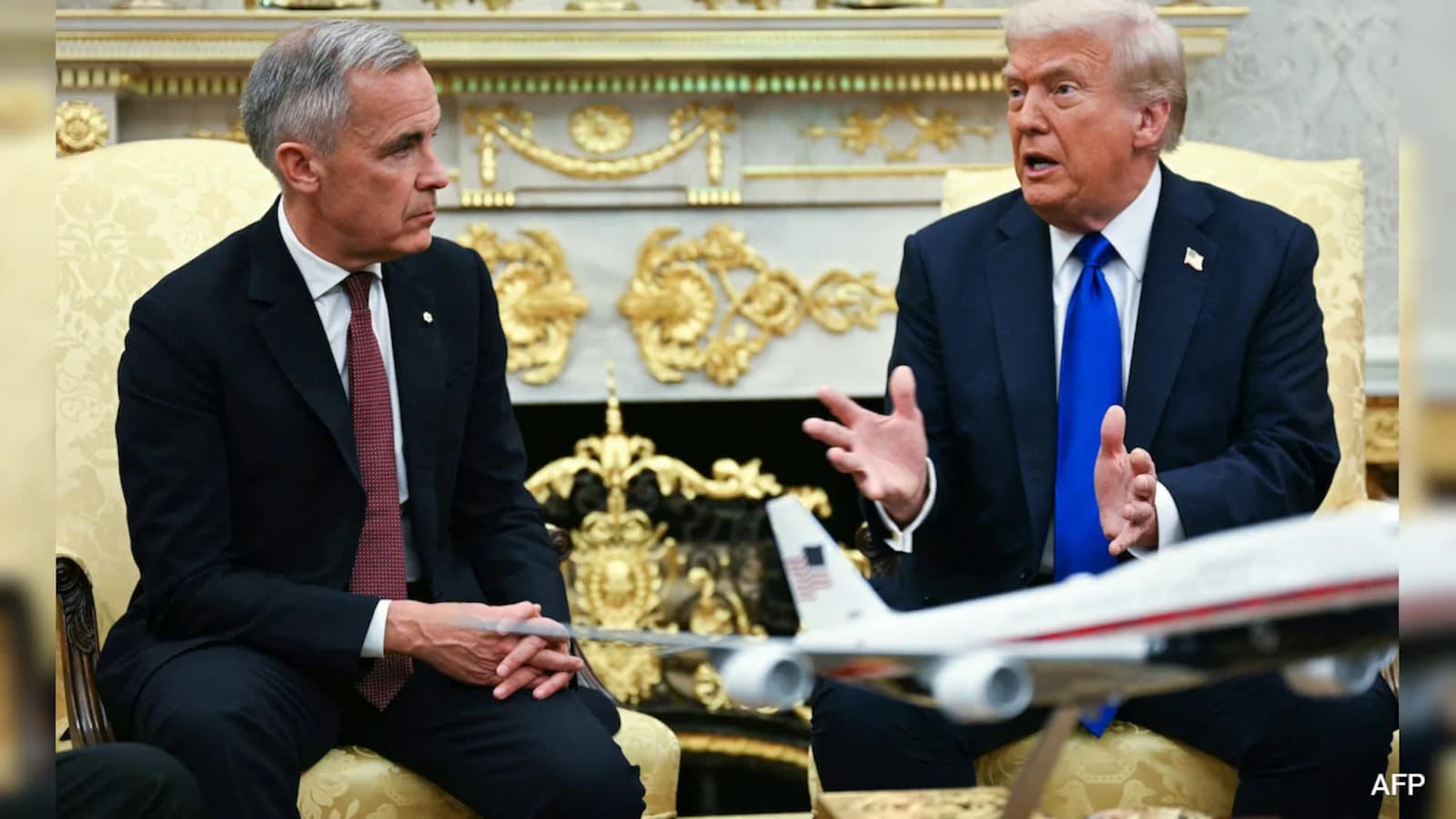
Trump, Canada Trade Tariffs Escalate After Talks Collapse
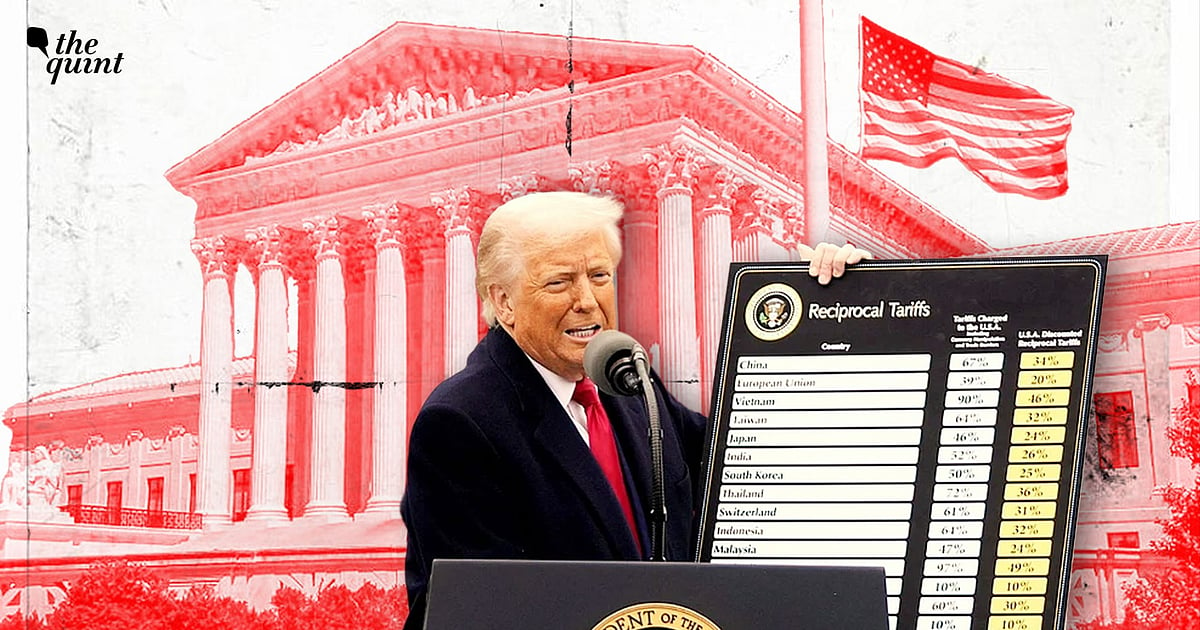
Canada Tariff Dispute Raises Wider Worry for New Delhi
Cheese Name Dispute Becomes Stumbling Block in U.S.-Mexico Talks
Canada Rejects Unequal US Trade Deal Despite Economic Risks

US-Canada Trade Collapse Offers India a Cautionary Lesson
