1 week ago
US-Canada Trade Collapse Offers India a Cautionary Lesson

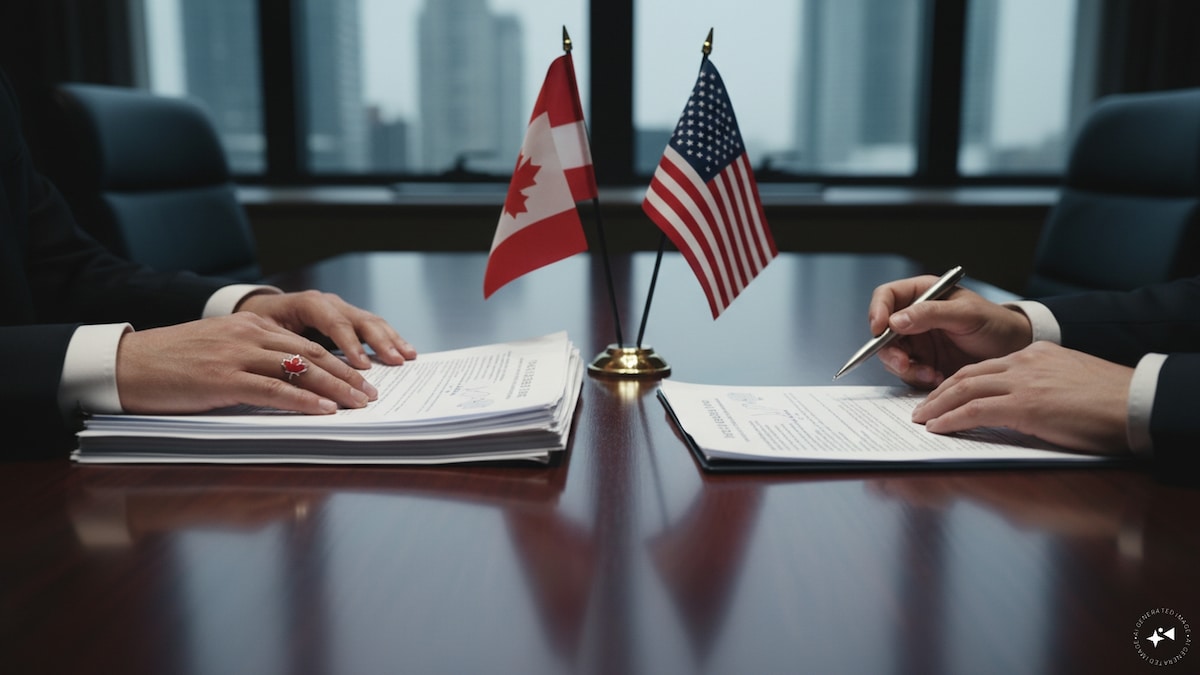
Canada and the United States were close to making a new trade agreement.
At the last moment, they disagreed about important rules in the written documents.
Canada said some US requests could affect its language protections and its freedom to make trade deals with other countries.
Canada also did not want to give special access to its critical minerals.
The talks ended, and both countries threatened or imposed higher taxes on each other’s goods.
Donald Trump said Canadian vehicles and parts would face higher tariffs in 2027.
Many Canadians supported their prime minister’s decision to leave the talks.
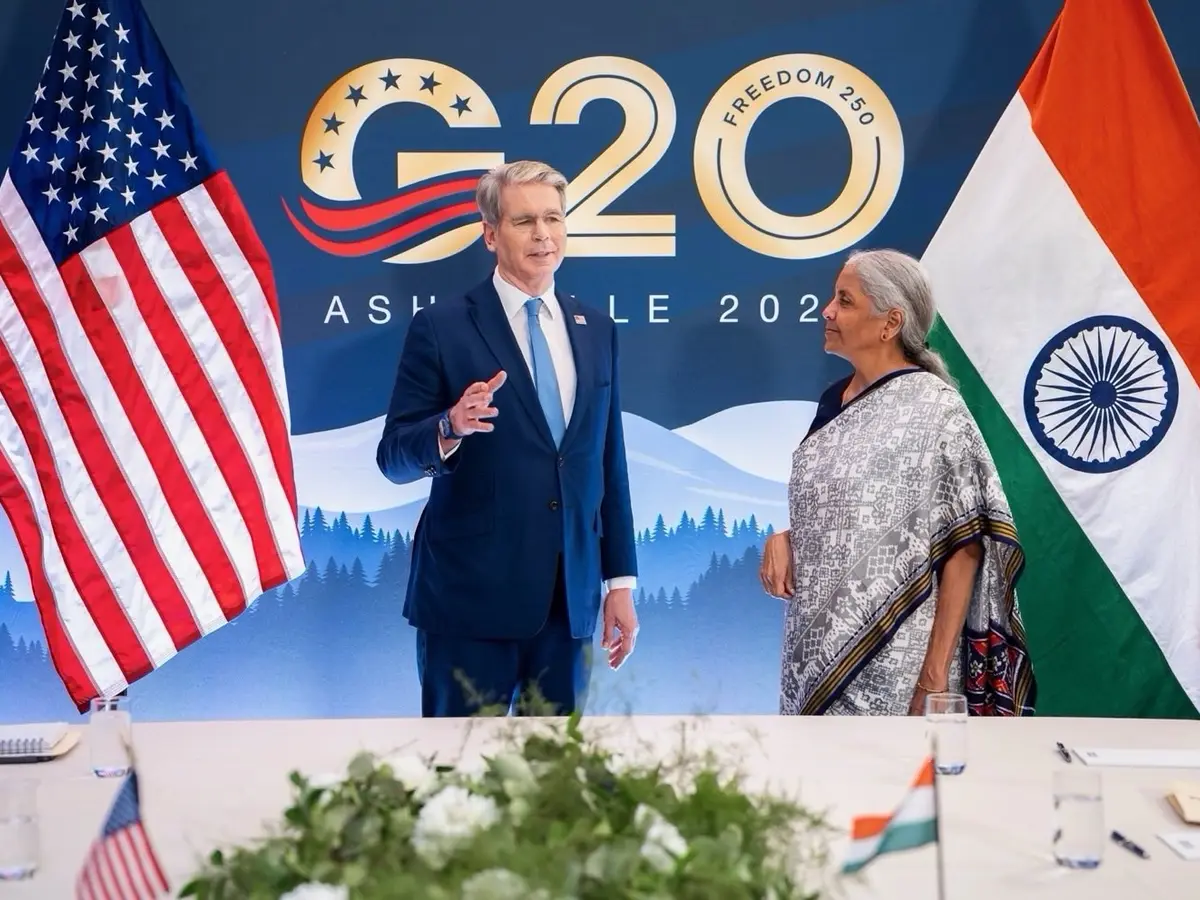
India is watching because it is also negotiating a trade agreement with the United States.
The articles say India should check every detail and avoid giving up important powers without strong legal protections.

Canada and the United States abandoned a nearly completed trade agreement after last-minute disagreements over its wording and conditions.
Canadian officials said US demands threatened French-language protections, cultural policies and Canada’s ability to negotiate trade agreements with other countries.
The United States imposed 50% tariffs on $20 billion worth of Canadian goods, while Canada promised dollar-for-dollar retaliation.
Donald Trump said tariffs on Canadian cars, trucks and auto parts would rise to 50% from January 1, 2027.
The articles urge India to demand enforceable commitments and protect its agricultural, digital, cultural and strategic policy autonomy in US negotiations.
- Who
- The governments of Canada and the United States, with India examining the dispute as it negotiates its own agreement with the United States.
- What
- A nearly completed Canada-US trade agreement collapsed after disagreements over late US demands, leading to tariffs and warnings for India.
- Where
- The dispute concerns trade between Canada and the United States, including Canadian French-language protections and international trade relationships.
- When
- The breakdown occurred in August 2026; Donald Trump said higher tariffs on Canadian vehicles and parts would begin January 1, 2027.
- Why
- Canadian officials said the United States introduced unacceptable conditions affecting sovereignty, cultural protections, other trade agreements and access to critical minerals.
Canadian and Indian Sovereignty Concerns
Reported US Trade Position
Limits on other trade agreements
Canadian and Indian Sovereignty Concerns
Canada viewed proposed restrictions on its ability to negotiate with other countries as an unacceptable threat to sovereignty. The articles advise India to reject any similar limits.
Reported US Trade Position
The articles report that US negotiators sought language restricting Canada’s separate trade agreements, but they do not provide a detailed US explanation for the demand.
Tariffs and economic leverage
Canadian and Indian Sovereignty Concerns
Canada said it was being attacked and pledged dollar-for-dollar retaliation. The articles argue that India should obtain binding protections against new unilateral US tariffs.
Reported US Trade Position
Donald Trump accused Canada of imposing excessive tariffs on US farmers and farm products and cited a large bilateral trade deficit as justification for tariff pressure.
Language and domestic regulation
Canadian and Indian Sovereignty Concerns
Canada treated French-language labeling and Francophone digital-content protections as non-negotiable parts of its culture. The articles similarly characterize India’s agricultural, data and indigenous-manufacturing rules as sovereign policy choices.
Reported US Trade Position
The articles say US negotiators treated Canadian language requirements as trade irritants and have sought changes to India’s non-tariff barriers, data-localization rules and agricultural protections.
Key facts
- Trade talks
- The two countries said negotiations were close to completion before the talks collapsed over the final documents and conditions.
- Canadian goods affected
- The United States imposed 50% tariffs on $20 billion worth of Canadian goods, according to the articles.
- Canadian response
- Canada said it would retaliate dollar-for-dollar against US tariffs.
- Vehicle tariff threat
- Donald Trump said tariffs on Canadian cars, trucks and auto parts would rise to 50% from January 1, 2027.
- Canadian public opinion
- A poll cited in one article found that 76% of Canadians supported Mark Carney’s decision to leave the talks.
- Disputed provisions
- Canadian officials objected to reported US efforts involving French-language rules, digital content, third-country trade agreements and critical minerals.
- India-US negotiations
- US Ambassador Sergio Gor said most major elements had been agreed in principle, with legal and technical language still unresolved.
- Indian exports
- India’s overall goods exports in April-June 2026 rose about 15% year on year, according to data cited by the articles.
Quotes

Donald Trump
President of the United States
“As we drilled down, what we discovered was that what our understanding of what had been agreed to was quite different from what was showing up in the documents”
 firstpost.com
“We weren’t prepared to compromise on the protection of the French language and our culture.”
 thehindubusinessline.com
Sources
Related news

Carney Walks Away From Unacceptable U.S. Trade Terms
Canada’s US Tariff Dispute Prompts India Autonomy Warning

US-Canada Trade War Hinges on Sovereignty, Tariffs, Leverage

Canada-US Trade Talks Collapse as Tariffs Deepen Economic Rift

US-Canada Trade Talks Collapse Over Disputed Deal Fine Print
Carney Tells Trump to Stop Memes as Trade Fight Escalates

Goyal to Visit United States for Trade Agreement Talks
Indian Firms Invest $40 Billion in U.S., Supporting Jobs

US-India Javelin Co-Production Deal Marks Defence Partnership Milestone

India’s Power Corridors See Kashmir Diplomacy, Security, Bureaucratic Reshuffles

Family Seeks US Intervention for Detained Mercenary Matthew VanDyke