

1 week ago
US-Canada Trade Fight Escalates, Raising Tariff and Market Risks

The United States and Canada are arguing about how much tax, called a tariff, should be charged on goods traded between them.
A possible deal fell apart over demands involving Canada’s trade with China.
The United States has already placed tariffs on some Canadian products, including alcohol, furniture, and cement.
Canada says it may answer with tariffs on $20 billion of U.S. goods by September 8.
President Donald Trump has threatened even more U.S. tariffs on cars, steel, and car parts, but those would not begin until 2027.
Canadian Prime Minister Mark Carney says Canada will not quickly give in.
Businesses that depend on trade, especially automakers and farmers, could be affected.
Investors are also worried that the threats will make markets more unpredictable.

The United States and Canada failed to finalize a trade agreement that would have avoided 50% tariffs on $20 billion of Canadian exports.
U.S. tariffs are now affecting goods including alcohol, furniture, and cement, while analysts expect court challenges.
Canada threatened $20 billion in retaliatory tariffs by September 8, while President Donald Trump threatened additional 50% tariffs on autos, steel, and auto parts starting January 1, 2027.
Prime Minister Mark Carney rejected expectations of a quick Canadian capitulation and is seeking stronger trade ties with countries including China.
Markets reacted unevenly, with Canadian assets and auto shares falling while U.S. steel stocks gained.
- Who
- The governments of the United States and Canada, led by President Donald Trump and Prime Minister Mark Carney.
- What
- The countries escalated a trade dispute through tariffs, retaliatory threats, and failed negotiations.
- Where
- The dispute concerns trade between the United States and Canada.
- When
- The latest threats and tariff actions occurred over the weekend and Monday; Canada set September 8 as a potential retaliation date, while some U.S. tariffs were threatened for January 1, 2027.
- Why
- Negotiations broke down partly over the U.S. demand that Canada restrict trade with China, amid wider disagreements over the future of the United States-Mexico-Canada trade pact.
Canadian Position
U.S. Position
Trade with China
Canadian Position
Mark Carney’s government is seeking to strengthen Canada’s trade relationships, including with China, as relations with the United States become more difficult.
U.S. Position
The Trump administration sought to restrict trade between Canada and China as part of the proposed agreement.
Response to tariffs
Canadian Position
Canada threatened $20 billion in retaliatory tariffs and is not expected to capitulate quickly, according to analysts cited in the article.
U.S. Position
Donald Trump responded with a threat of additional 50% tariffs on autos, steel, and auto parts, although they would not begin until 2027.
Future negotiations
Canadian Position
Canadian officials are leaving room for negotiations while pressing affected businesses to lobby Washington against the tariffs.
U.S. Position
The Trump administration has continued using tariff threats to seek changes in commercial relationships, while analysts expect further escalation but believe elections and inflation concerns may limit tariffs.
Key facts
- Current U.S. tariffs
- Tariffs are in effect on Canadian goods including alcohol, furniture, and cement.
- Proposed agreement
- The deal would have avoided 50% tariffs on $20 billion of Canadian exports.
- Canadian retaliation
- Canada threatened tariffs on $20 billion of U.S. goods if no accord is reached by September 8.
- U.S. counter-threat
- Donald Trump threatened additional 50% tariffs on autos, steel, and auto parts.
- Potential start date
- The threatened U.S. counter-retaliatory tariffs would not take effect until January 1, 2027.
- Trade relationship
- The article describes about $40 billion in trade between the two countries.
- Market reaction
- Canadian assets and auto shares fell, while U.S. steel stocks rose.
Quotes

Mark Carney
Prime Minister of Canada
“If Canada agreed today to sever economic ties with China, who is to say what the U.S. might ask for tomorrow? Sever ties with Europe should President Donald Trump become angry at the European Union? With Brazil if President Donald Trump changes his mind about President Luiz Inácio Lula da Silva?”
 livemint.com
“We recognized that sometimes its signature was written in pencil”
livemint.com
Sources
Related news
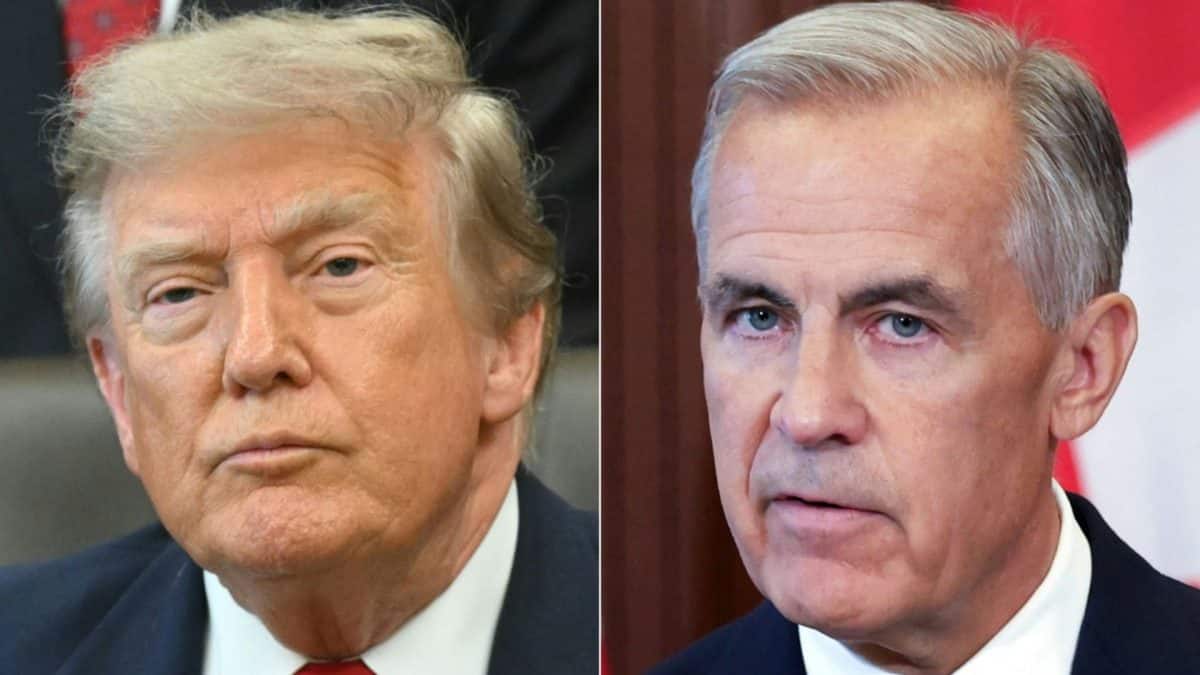
Canada Plans Retaliatory Tariffs as Trump Escalates Trade War

Trump Administration Weighs Further Tariffs After Canada Announces Retaliation
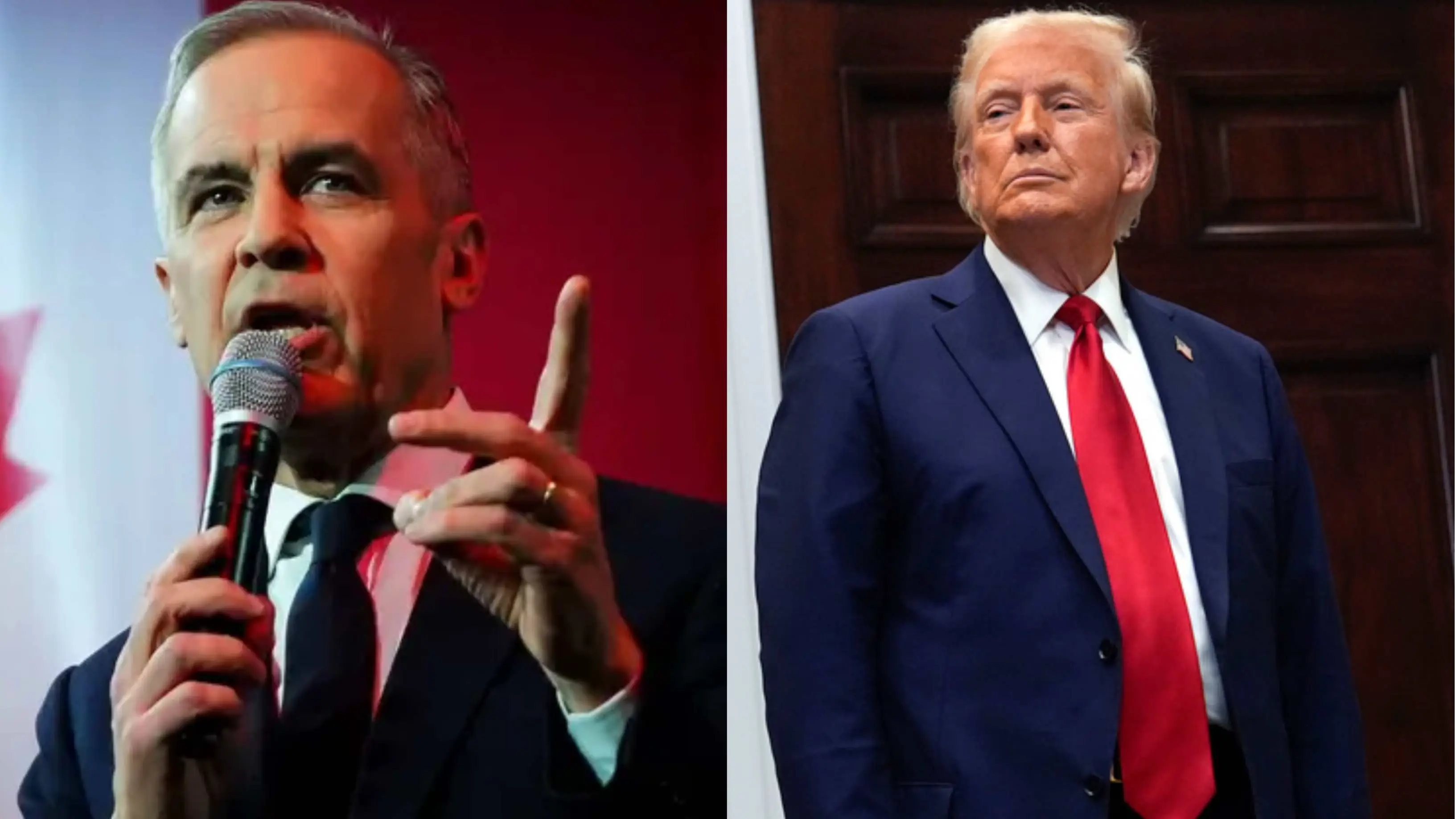
Trump Escalates US-Canada Trade War With 50% Tariffs

Canada Prepares Retaliatory Tariffs as Trump Escalates Trade War
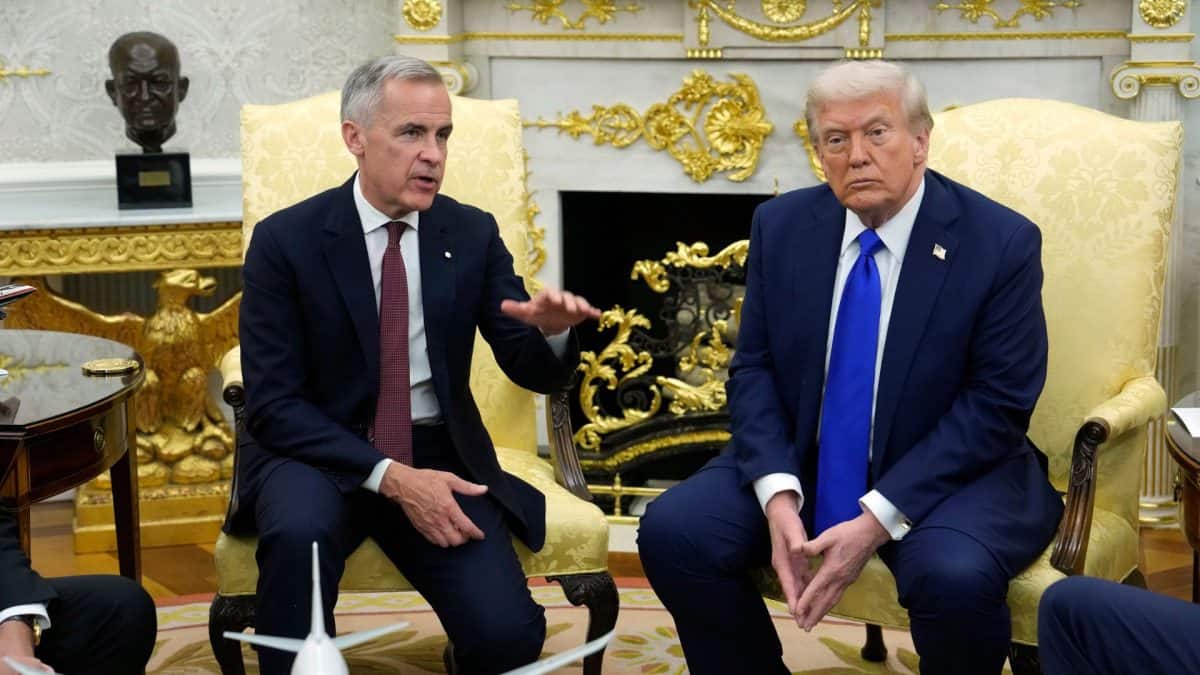
US-Canada Trade Talks Collapse as 50% Tariffs Take Effect
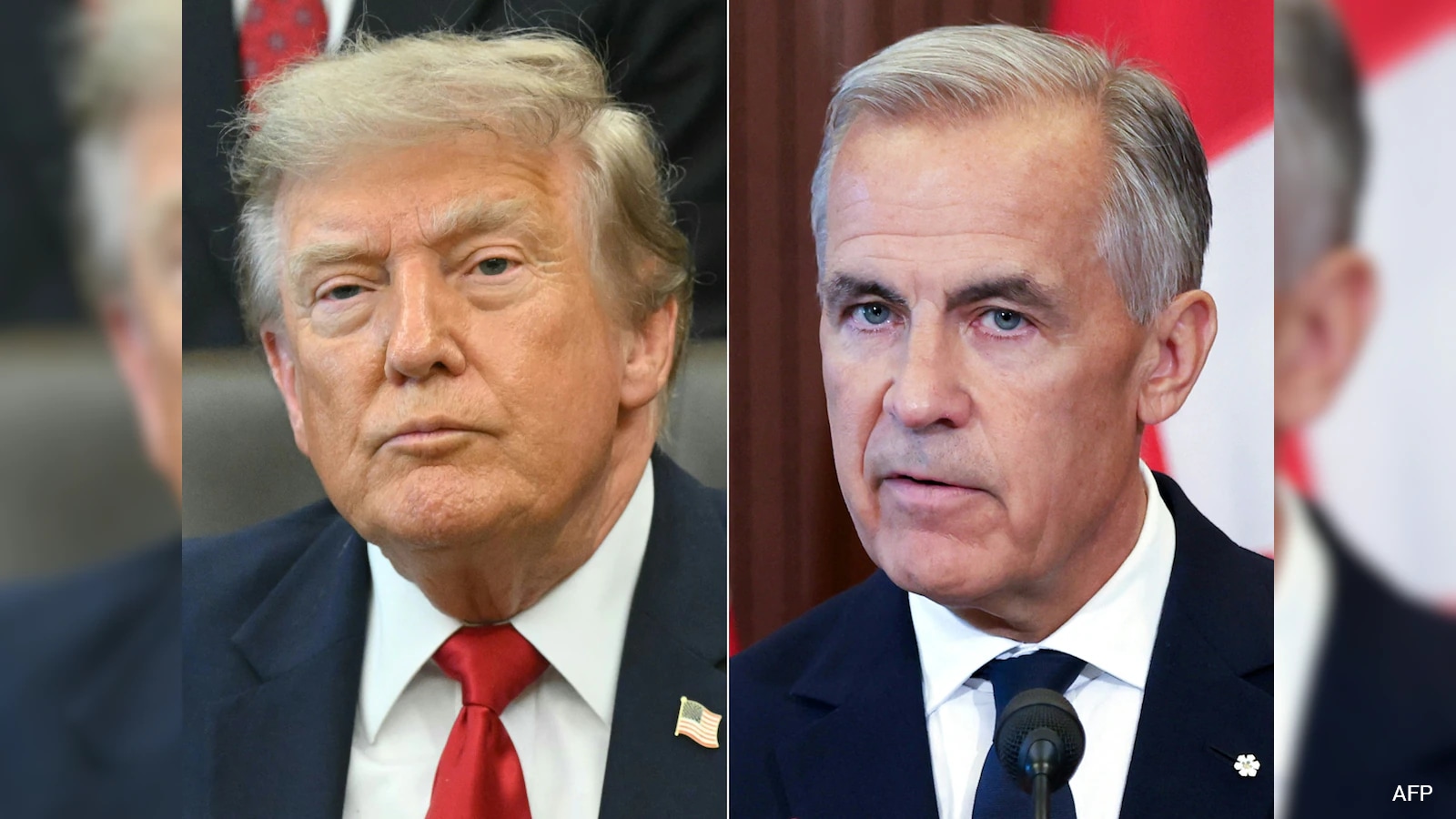
US-Canada Trade War Fundamentally Reshapes Once-Durable North American Alliance
Canada Tariff Dispute Raises Wider Worry for New Delhi
Cheese Name Dispute Becomes Stumbling Block in U.S.-Mexico Talks
Canada Rejects Unequal US Trade Deal Despite Economic Risks
Trump Escalates Trade Confrontation as Canada Vows Tariff Retaliation
