

5 days ago
Climate Change, Landslides and Glacial Debris Behind Himalayan Floods
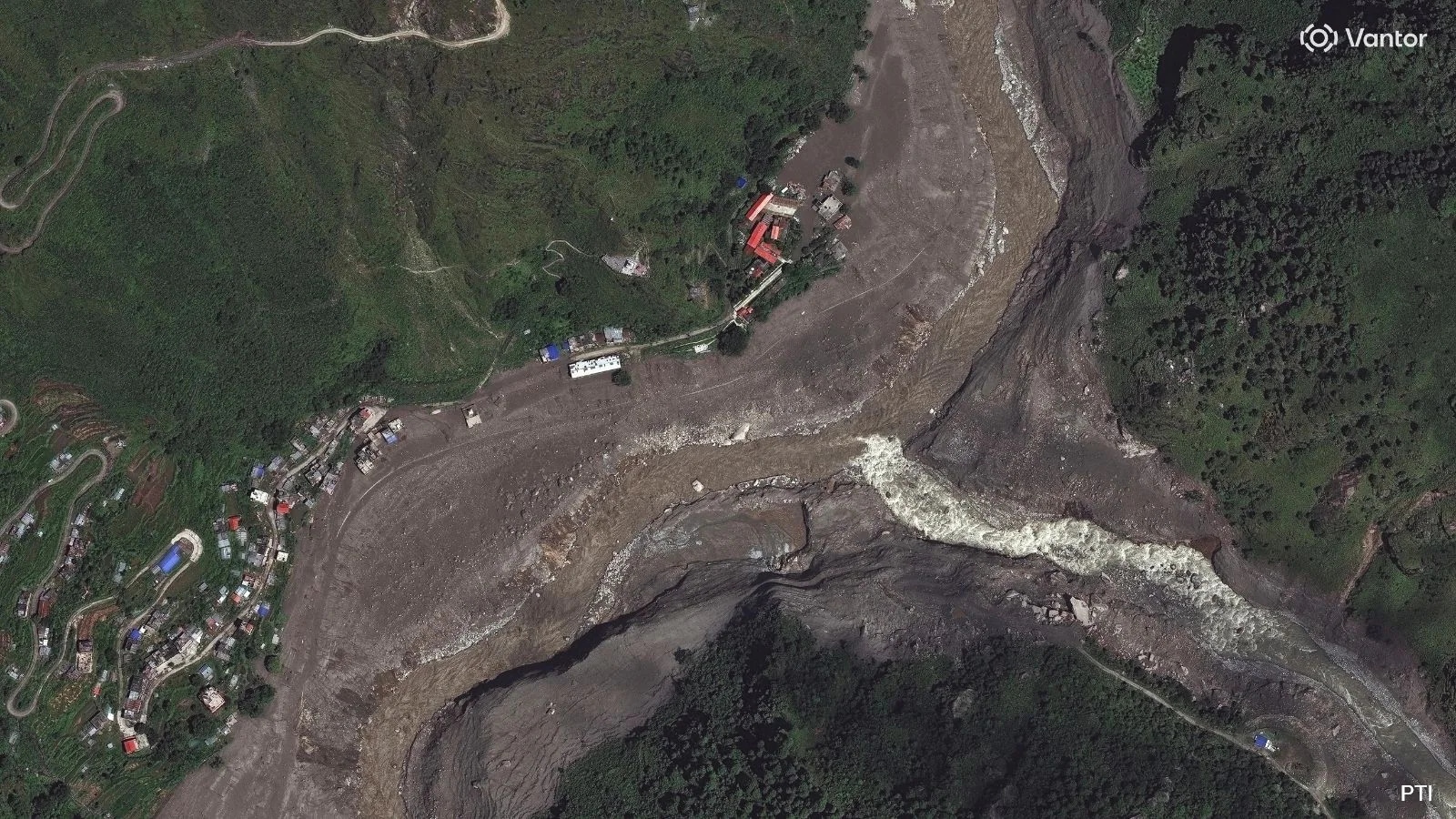
Scientists are studying why a very large flood happened in Nepal.
One explanation is that a landslide broke part of a glacier and caused a lake to burst.
The rushing water carried huge amounts of rocks, soil and other loose material downhill.
This made the flood much more destructive.
Another important explanation is climate change.
Warmer temperatures are melting glaciers and causing rain to fall high in the mountains instead of snow.
Similar floods have happened in parts of Uttarakhand, including Dharali, Raini, Tamak Nala and Kedarnath.
Scientists say more study is needed to determine exactly how the Nepal disaster began.

Several theories for Nepal’s floods include glacial collapse, avalanches, earthquake-triggered landslides and glacial-lake bursting.
Wadia Institute scientist Manish Mehta said evidence points to a massive landslide that broke a glacier and breached a lake below it.
Global warming is linked to glacier retreat, rapid snowmelt and rain falling at around 4,000 metres where snow was previously expected.
Loose moraine, boulders, soil and other debris mixed with water and surged downstream, causing extensive destruction.
The article compares Nepal’s disaster with floods in Dharali, Raini, Tamak Nala and Kedarnath in Uttarakhand and Chamoli.
- Who
- People in Nepal and affected Himalayan communities, along with scientists including Manish Mehta of the Wadia Institute of Himalayan Geology, are involved in the account.
- What
- A catastrophic flood carried water, glacial material and massive debris downstream; the leading explanation described is a landslide-triggered glacier and lake collapse.
- Where
- The disaster occurred in Nepal’s Himalayas, with comparisons to Dharali and other locations in Uttarakhand and Chamoli, India.
- When
- The Nepal disaster’s date is not specified; the article compares it with events in Dharali in August 2025, Raini in February 2021, Tamak Nala in August 2026 and Kedarnath in 2013.
- Why
- The article attributes the disaster to a combination of landslides, glacier or lake collapse, accumulated moraine and climate-related warming and rainfall at high altitude.
Multiple Immediate Triggers
Climate-Change-Driven Chain
What started the flood
Multiple Immediate Triggers
Theories cited in the article include glacial collapse, avalanches, earthquake-triggered landslides and a glacial-lake outburst.
Climate-Change-Driven Chain
Manish Mehta said current evidence strongly suggests that a massive landslide broke a glacier and breached a lake below it.
Role of climate change
Multiple Immediate Triggers
The immediate destruction may have resulted from a specific landslide, glacier break or lake breach rather than climate change alone.
Climate-Change-Driven Chain
Global warming is presented as an underlying factor because it is causing glacier retreat, rapid snowmelt and rain at elevations where snow was previously expected.
Dharali explanation
Multiple Immediate Triggers
Earlier theories about Dharali included a glacial lake and heavy rainfall, while the article also discusses cloudburst claims.
Climate-Change-Driven Chain
The Wadia Institute report concluded that Dharali was caused by water accumulating beneath loose glacial moraine, combined with continuous rainfall and the area’s steep geomorphology.
Key facts
- Leading explanation
- A massive landslide likely broke a glacier and caused a lake below it to breach.
- Climate factor
- Global warming is causing glacier retreat, rapid snowmelt and rain at elevations around 4,000 metres.
- Debris involved
- Water swept down moraine, boulders, stones, sand and soil accumulated near glaciers.
- Dharali report
- Manish Mehta said the Dharali disaster was not caused by a cloudburst or glacial-lake outburst, but by water accumulating beneath loose moraine on Mount Shrikanth.
- Comparable event
- The February 2021 flood in Raini, Chamoli, followed an upper-reach landslide that broke a glacier and triggered a surge from a lake.
- Other comparison
- The article compares the Nepal flood with the 2013 Chorabari Glacier lake disaster near Kedarnath.
- Scientific assessment
- Mehta said further study is urgently needed to fully establish the Nepal flood’s underlying causes.
Sources
Related news
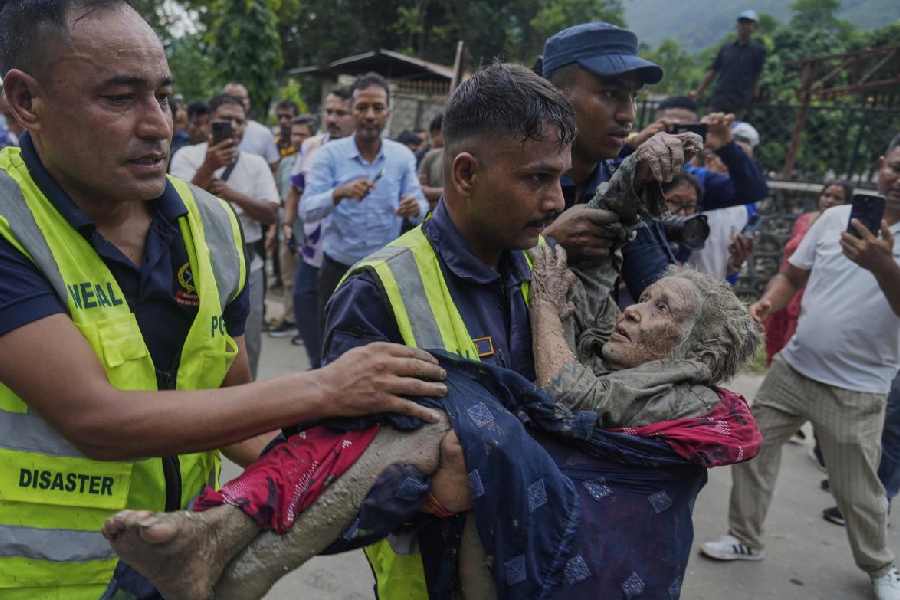
Nepal Avalanche Floods Echo Chamoli With Greater Downstream Impact
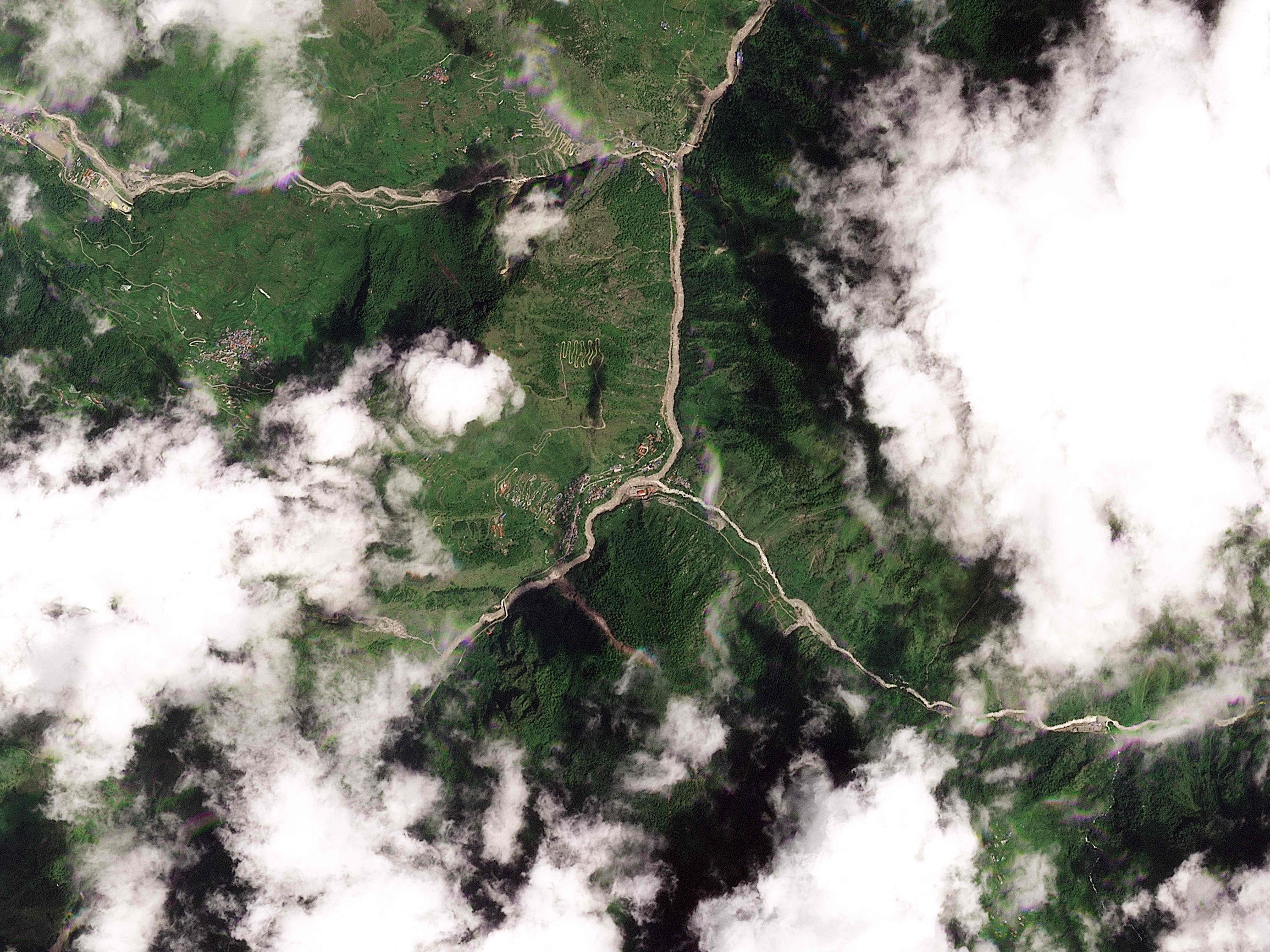
Glacier Collapse May Have Triggered Deadly Nepal Flood

Nepal Flash Floods Expose Glacier Risks Amid Climate Concerns

Nepal Glacier Collapse Exposes Rising Himalayan Flash-Flood Risks
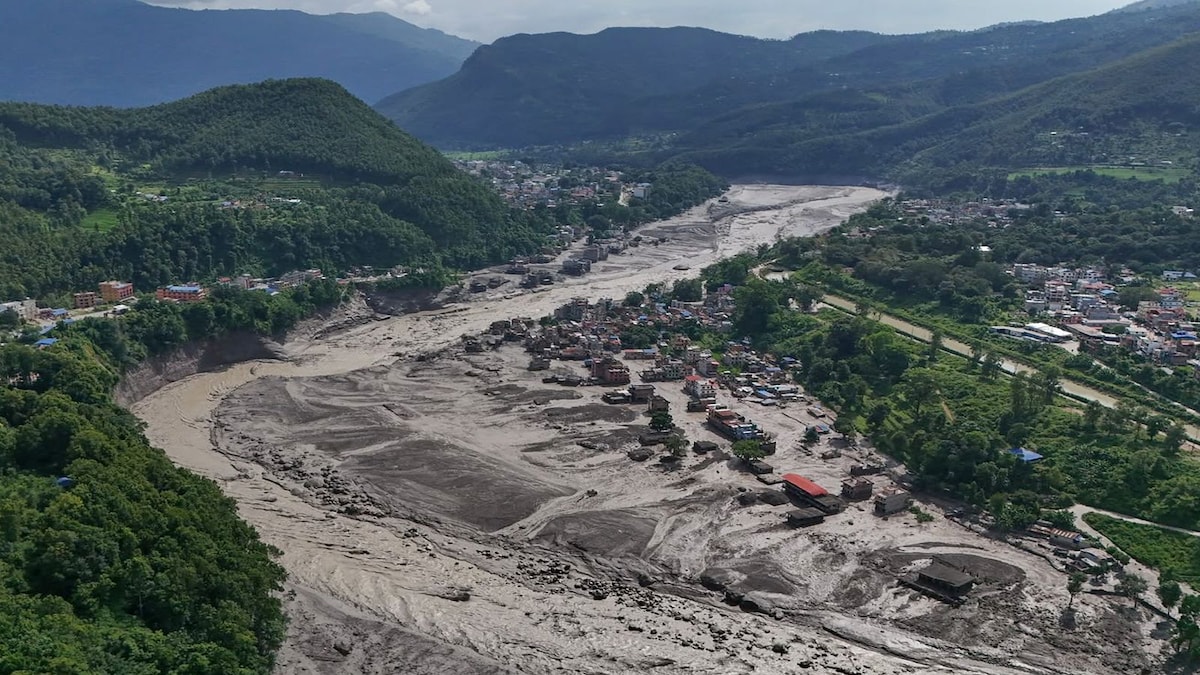
Scientists Examine Glacier Collapse Behind Nepal Flood Hazards
Landslides Threaten Nainital Homes as Uttarakhand Rain Continues

Flash Flood Devastates Nepal's Bhotekoshi River Region

Nepal Families Seek Missing Loved Ones After Deadly Flash Floods

Nepal Flood Death Toll Passes 1,200 Amid Ongoing Search

Nepal Flood Death Toll Tops 1,200 as Searches Continue