1 hr ago
Himalayan Glaciers Near Tipping Point, Threatening Millions’ Livelihoods
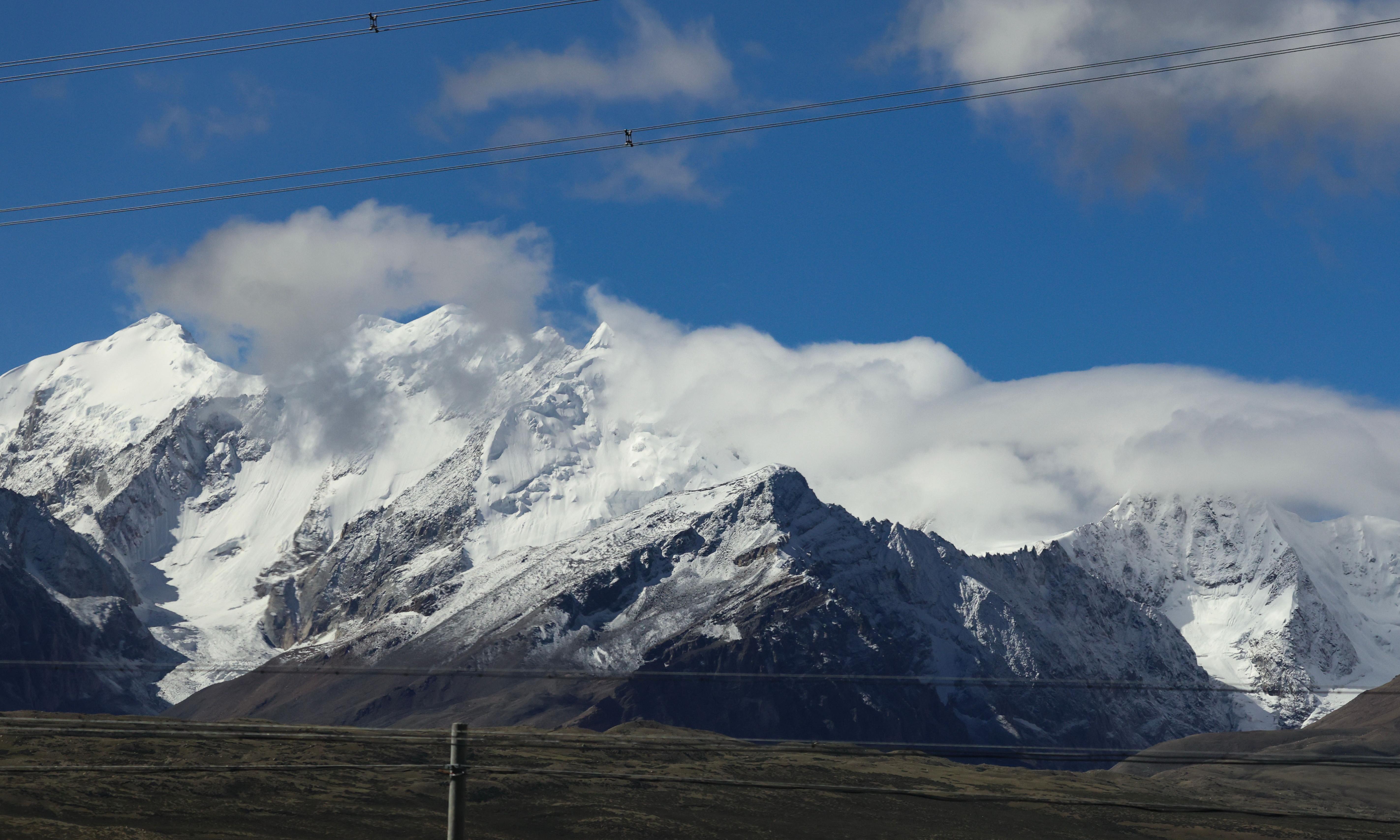
A new report says glaciers in the Himalayas are shrinking faster than before.
Glaciers are large bodies of ice that store water.
When they shrink, rivers may eventually carry less water.
This could threaten drinking water, farming, and other livelihoods for millions of people.
The melting also creates unstable lakes held back by loose rocks and ice.
If those barriers break, landslides and floods can rush into valleys.
A glacier collapse near the Nepal-Tibet border recently caused such disasters.
Researchers say better monitoring is needed because only a small number of the region’s glaciers are watched on the ground.

A new study says Himalayan glaciers are melting faster than a decade ago and the region is nearing “peak water.”
The collapse of a glacier along the Nepal-Tibet border triggered landslides and flash floods in late August.
At least 1,300 people were confirmed dead and more than 5,300 were missing across Nepal and China’s Tibet region.
Nearly 200 high-risk glacial lakes have been identified in India, including 56 classified as “very high risk.”
Only 21 of an estimated 40,000 Hindu Kush-Himalaya glaciers are currently monitored on the ground.
- Who
- Researchers from Systemiq, the Integrated Mountain Initiative, the International Centre for Integrated Mountain Development, and India’s G.B. Pant National Institute of Himalayan Environment produced the study; millions of downstream residents could be affected.
- What
- The study warns that accelerating glacier loss, unstable glacial lakes, and an approaching “peak water” point threaten water security and livelihoods.
- Where
- The findings concern the Hindu Kush-Himalaya region, which spans eight countries, and a glacier collapse along the Nepal-Tibet border.
- When
- The report was released this month; a glacier collapse described in the report occurred in late August.
- Why
- Retreating glaciers are forming unstable lakes, while river flows could begin declining after the region reaches “peak water.”
Key facts
- Region
- The Hindu Kush-Himalaya system spans eight countries from Afghanistan to Myanmar.
- Estimated glaciers
- About 40,000 glaciers are estimated to exist across the region.
- Glaciers monitored
- Only 21 glaciers are currently monitored on the ground.
- High-risk lakes in India
- Nearly 200 glacial lakes are classified as high risk, including 56 at very high risk.
- Reported casualties
- At least 1,300 people were confirmed dead and more than 5,300 were missing after the late-August disaster.
- India’s economy
- The Himalayan region underpins more than 20% of India’s GDP, according to the study.
- Natural disasters
- The region accounts for roughly 35% of India’s natural disasters while covering around 18% of its land.
Sources
Related news

Himalayan Glacier Melt Threatens Water Security and Livelihoods
UN Warns Himalayas Face Severe Glacial Flood Risks Ahead

Melting Himalayan Glaciers Raise Risk of Downstream Floods
Himalayan Melt and Monitoring Gaps Threaten Northern India

Himalayan Glacier Loss Raised Nepal Flood Disaster Risks

Kolkata Puja Committee Donates to Nepal Flood Victims

Nepal Flash Flood Death Toll Reaches 1,388 as Search Continues