

2 weeks ago
Europe’s Drying Rivers and America’s Reservoirs Signal Water Crisis
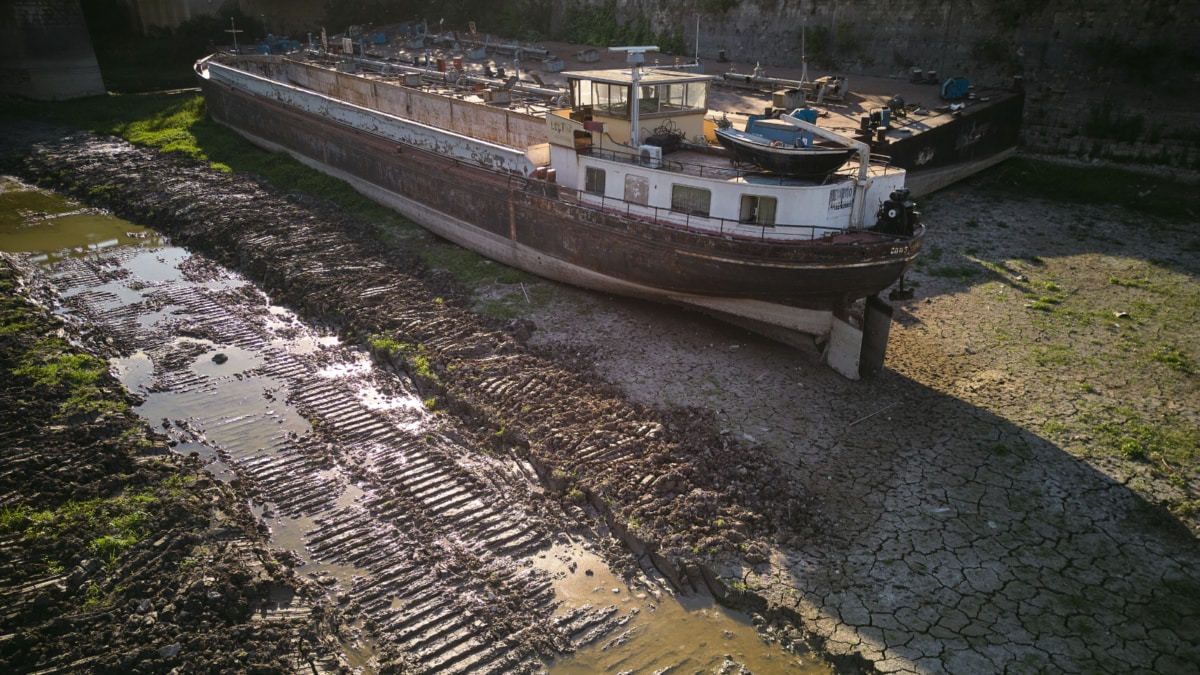
Many rivers and reservoirs in Europe and the western United States are holding much less water than usual.
A large part of Europe was experiencing drought by July.
Rivers such as the Rhine and Danube became too shallow for ships to carry normal loads.
England also had its driest July since records began, and many reservoirs were running low.
In the United States, Lake Powell and Lake Mead reached exceptionally low levels.
They are part of the Colorado River system, which supplies water to millions of people and farms.
Less snow, hotter weather and long-term drought are reducing the river’s flow.
Growing cities and farms are also using more water, making the shortage harder to manage.
This means water could become a bigger problem for food, transportation, electricity and daily life.

Around half of Europe’s land area was experiencing drought by mid-July, with several major rivers at record-low levels.
Low water on the Rhine and Danube disrupted shipping, ferry services, power generation and regional water supplies.
England recorded just 6.5 millimetres of rainfall in July, its driest July since records began in 1836.
Lake Powell and Lake Mead reached their lowest combined levels since 1957 amid prolonged drought in the American Southwest.
The Colorado River supplies about 40 million people and 5.5 million acres of farmland across seven states, tribes and two Mexican states.
- Who
- Communities, farmers, businesses, energy producers and governments across Europe and the western United States are affected.
- What
- Major rivers and reservoirs are reaching unusually or historically low water levels, disrupting water supplies, transport, agriculture and energy production.
- Where
- Affected areas include Europe, England, the Danube and Rhine basins, and the Colorado River basin in the American Southwest.
- When
- The reported conditions occurred during summer 2026, with key measurements taken in July and August.
- Why
- Heatwaves, drought, low snowpack, reduced river flow, population growth and intensive agriculture have increased pressure on available water.
Key facts
- Europe-wide drought
- Around half of Europe’s land area was experiencing drought by mid-July, with 9 percent at the alert level.
- England rainfall
- England received 6.5 millimetres of rainfall in July, about 10 percent of its long-term average.
- England reservoir storage
- Reservoir storage in England had fallen to 69 percent by August.
- Danube flow
- At Baziaș in Romania, Danube flows were around 1,700 cubic metres per second, about a third of the July average.
- Colorado River users
- The Colorado River supplies water to about 40 million people and 5.5 million acres of farmland across seven states.
- Reservoir levels
- Lake Powell and Lake Mead reached their lowest combined levels since 1957.
- Long-term drought
- Scientists described the American Southwest’s three-decade dry spell as the worst in at least 1,200 years.
Sources
Related news

World's seas hottest July on record as Europe faces heatwaves
Drought Grips Nearly Three-Quarters of England as Heat Looms

Albania battles blazes, Hungary curbs power as Europe feels heat
Climate Change's Hard Reality Hits Europe's Economy This Summer

Europe’s Scorching Summer Damages Farms and Raises Food Prices

Lake Mead at historic lows as Colorado River crisis worsens

Ikea cuts European prices as cost pressures weaken demand

Europe's Bond Selloff Deepens as Middle East Tensions Lift Oil

China’s Rapid Car Development Faces Growing Safety Scrutiny
CNG Prices Rise Rs 2 per Kilogram in Pune

China Challenges US Leadership in Escalating Global AI Contest