

0 months ago
Albania battles blazes, Hungary curbs power as Europe feels heat

This story is about a very hot summer in Europe, called a heatwave.
A heatwave is when the weather stays extremely hot for many days.
The hot weather dries up rivers and makes nature very dry.
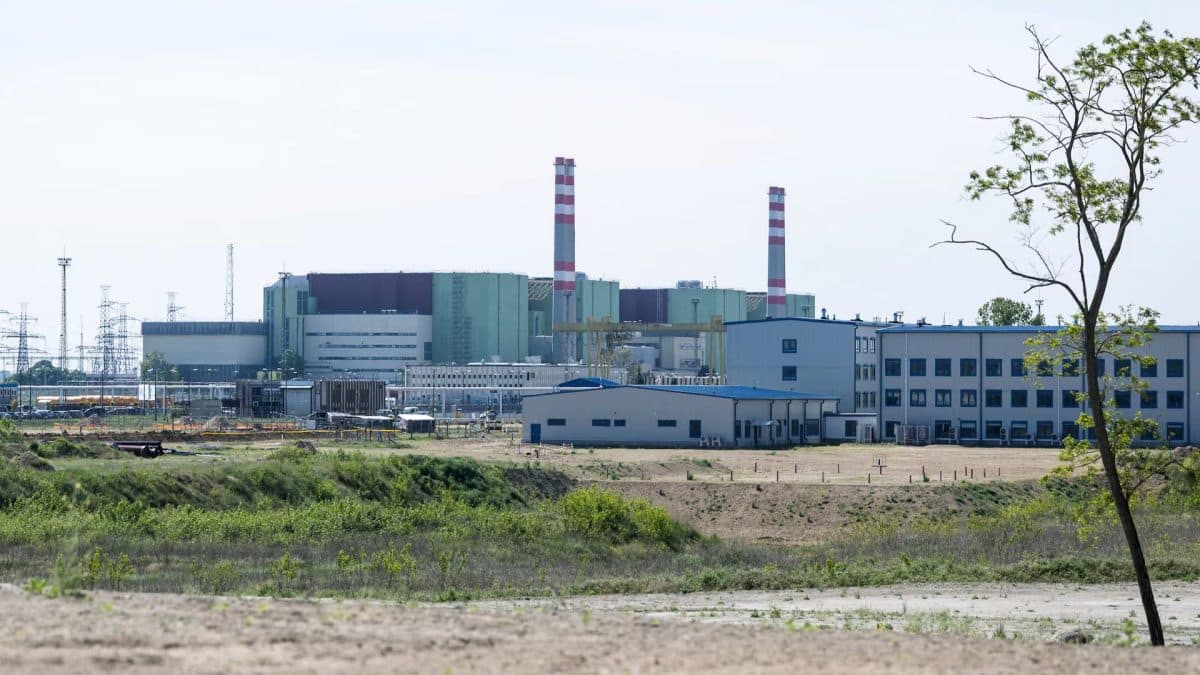
In Hungary, the Danube river became so low that the country's nuclear power plant had to mostly stop working.
That is because nuclear plants use river water to cool their machines.
People in Hungary were asked to use less electricity to help the power grid.
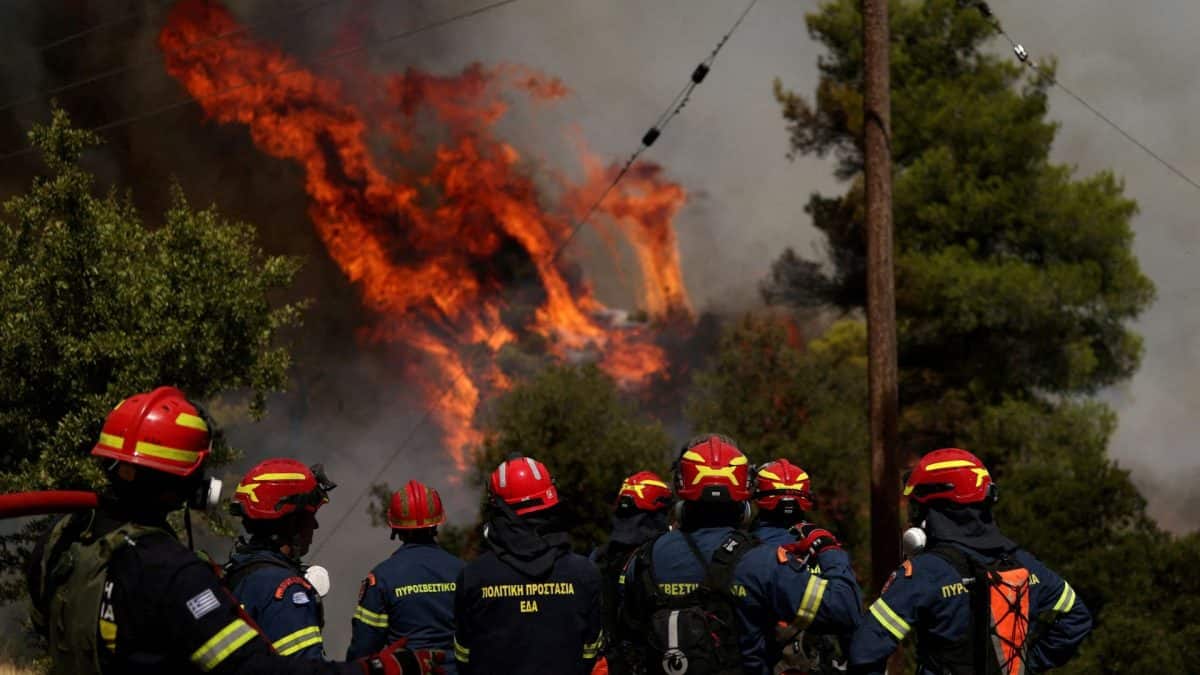
The dry weather also caused wildfires to start in Albania and Greece.
Hundreds of firefighters worked to stop the fires from reaching homes and farms.
The heat also makes it hard for farmers to grow food, so Britain's cereal harvest is expected to be very bad this year.
The heat even made Pope Leo move his weekly audience indoors.

Albanian emergency services battled a wildfire in the southern Mallakaster region, forcing the evacuation of about 15 families along with their livestock and pets.
Hungary cut power consumption after a government appeal, as record-low Danube water levels forced its sole nuclear plant to largely shut down.
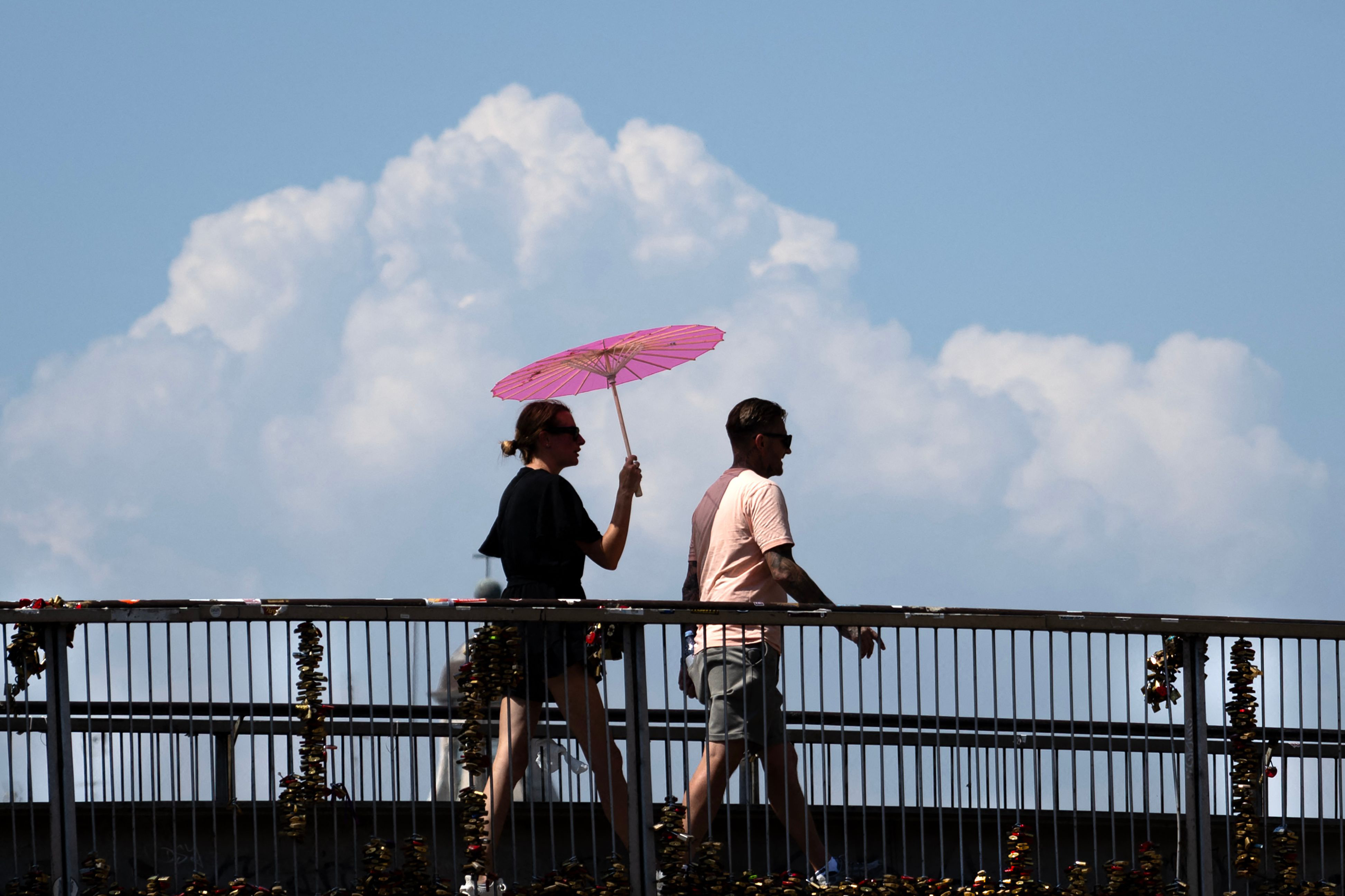
Italy placed most of its major cities under a red heat alert, with temperatures climbing to around 40 degrees Celsius (104 degrees Fahrenheit).
Record-low water levels on Germany's Rhine river stopped some cargo services and forced other sailings to carry greatly reduced loads.
Britain's cereal harvest is on track to be its worst since comparable records began in 1984 amid the hot, dry summer.
- Who
- Albanian emergency services, Hungarian companies and households, and authorities across Italy, Germany, Slovenia, Greece and Britain, along with Pope Leo, whose audience was moved indoors.
- What
- A severe heatwave and drought brought record temperatures, destructive wildfires, record-low river levels and power supply strain to southern and eastern Europe.
- Where
- Southern and eastern Europe, including Albania, Hungary, Italy, Germany, Slovenia, Greece and Britain.
- When
- The week of Aug. 5, with Budapest facing its peak heat over the next two days and several developments reported on Wednesday.
- Why
- Europe, the world's fastest warming continent, was hit by a record-breaking heatwave and drought that dried rivers, sparked fires and strained agriculture and energy systems.
Key facts
- Event
- Severe heatwave and drought across southern and eastern Europe
- Peak temperatures
- Around 40 degrees Celsius (104 degrees Fahrenheit)
- Italy alerts
- Red heat alert for most major cities
- Albania evacuations
- About 15 families in the Mallakaster region
- Hungary nuclear plant
- Largely shut down due to record-low Danube water levels
- Germany Rhine levels
- Record lows; some cargo services stopped
- Slovenia Krsko plant
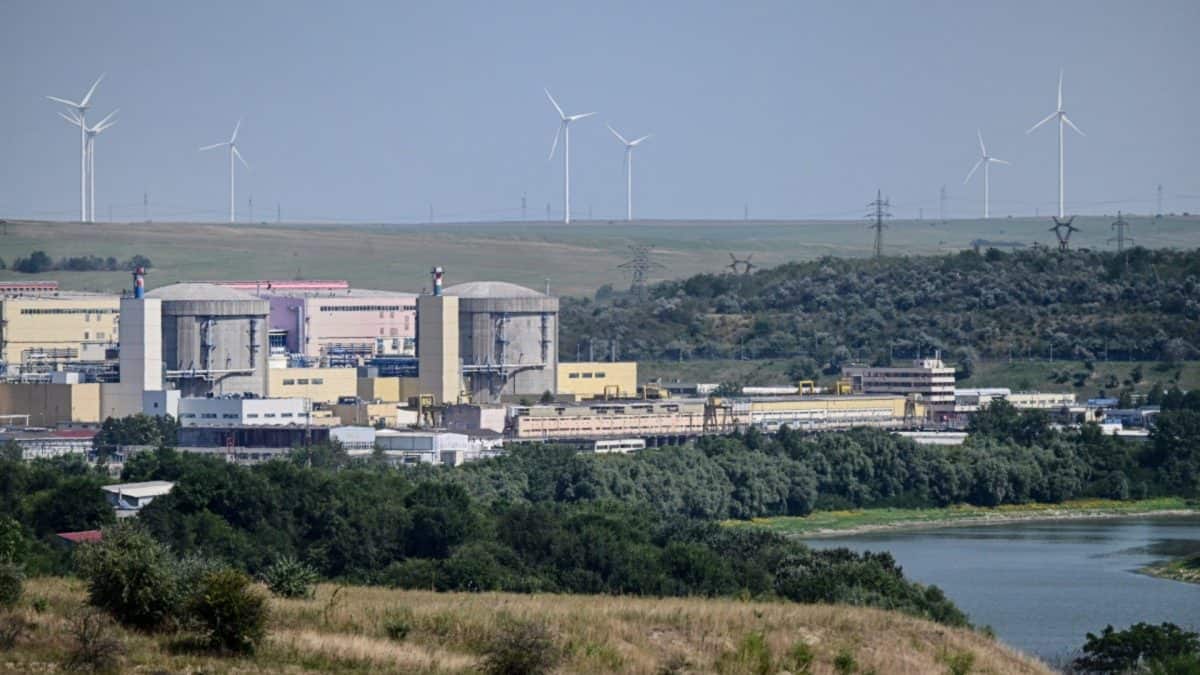
- Reducing output to 80% capacity due to high temperatures and low flows
- Britain harvest
- Worst cereal harvest on track since 1984
Quotes
Diego Amaya
Tourist from Mexico attending the Pope’s audience
“I suppose it’s better to hold it indoors because of the heat”
 theprint.in
Sources
Related news
Record heat in Austria, Hungary curbs power as Europe swelters
Europe battles wildfires as record heat and drought fuel blazes
Hungary takes emergency steps to keep Paks nuclear plant running
Romania shuts only nuclear plant as Danube hits record low
European Heat Wave: Austrian Temperature Record, Italian Red Alerts
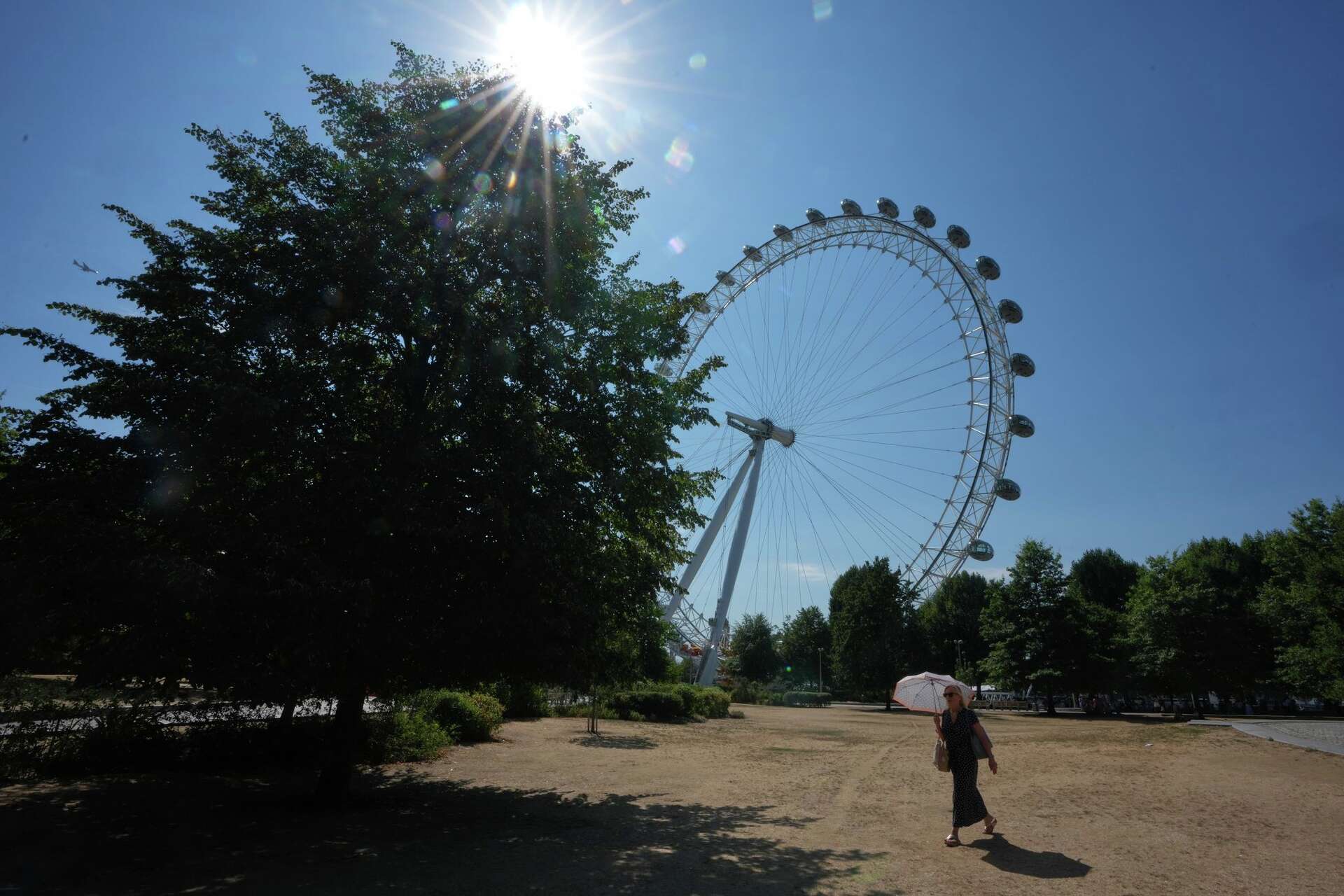
UK hits 38.1°C, hottest 2026 day, amid European heatwave
Hungary’s Paks Nuclear Plant Nears Full Capacity by Wednesday
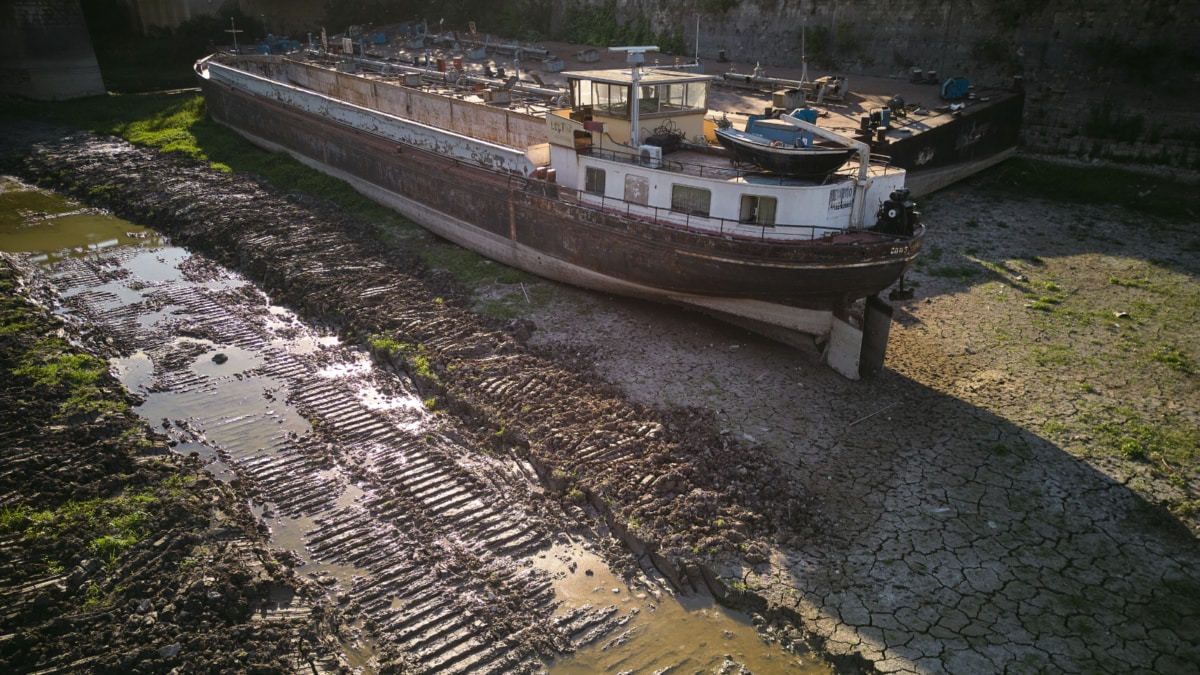
Europe’s Drying Rivers and America’s Reservoirs Signal Water Crisis

Punishing European Drought Shrivels Crops, Hits Farmers Across Continent
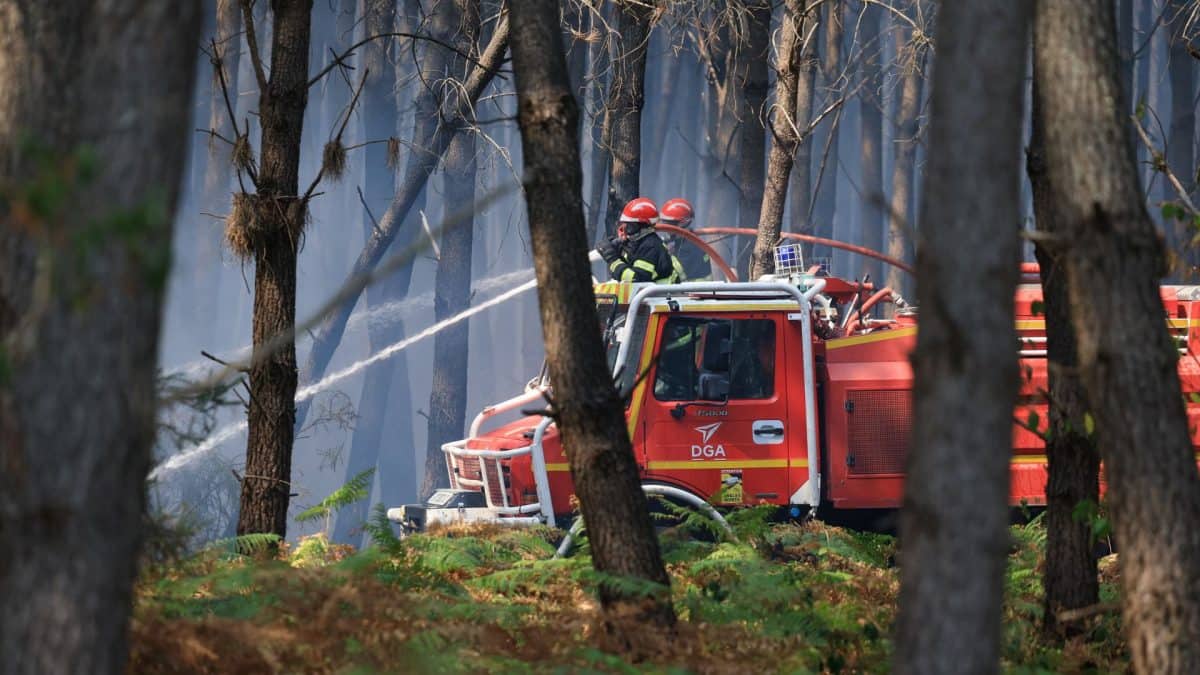
Europe's 2026 summer: burning, drying out, struggling to adapt
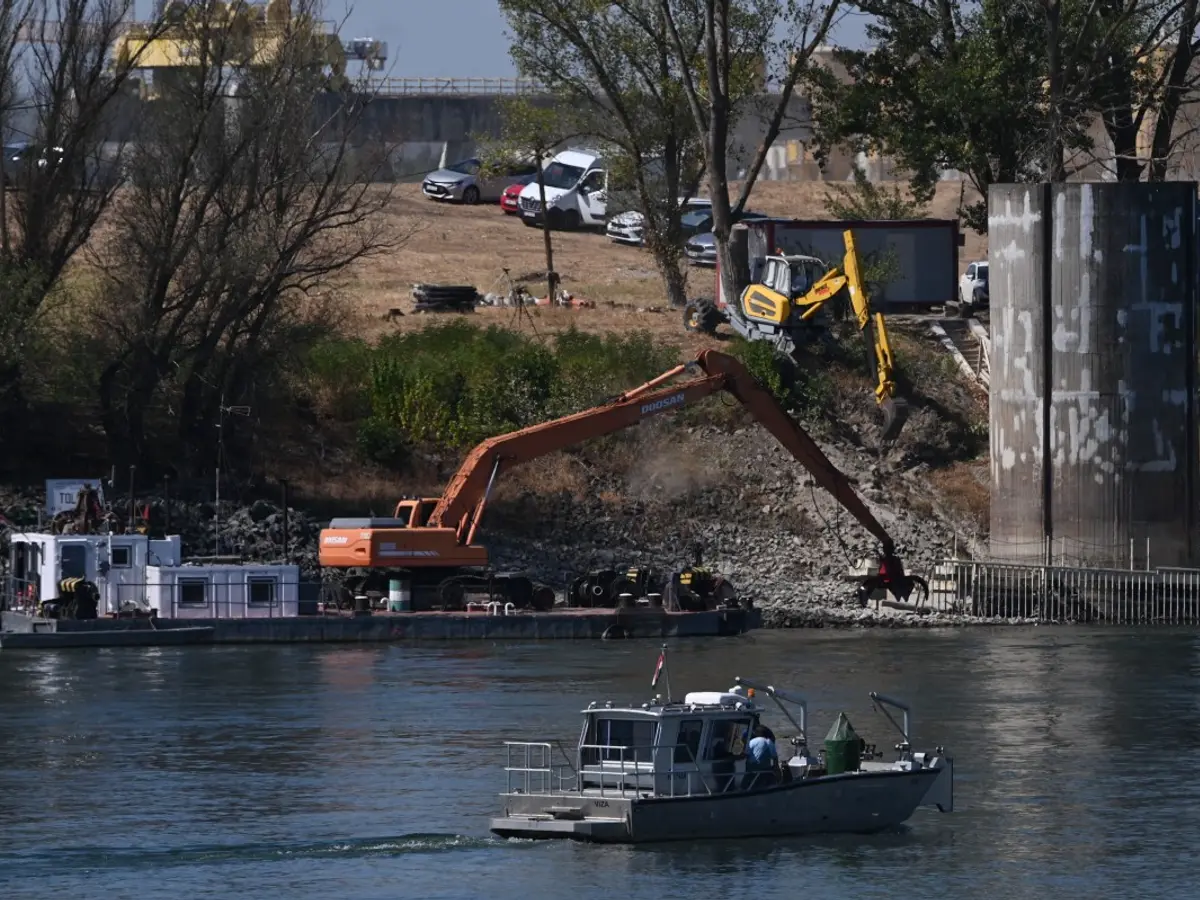
Danube Dries Up, Exposing WWII Soldiers' Perfectly Preserved Remains
